When examining the ingredient list of modern pet foods, you might notice ascorbic acid-better known as vitamin C-among vitamins, minerals, and other additives. Although cats and dogs can synthesize their own vitamin C, manufacturers deliberately include it not only for its nutritional value but also for its functional benefits in processing, preservation, and product quality. Understanding these roles helps explain why ascorbic acid remains a mainstay in high‑quality pet food formulations.
Role of Ascorbic Acid (Vitamin C) in Pet Food Ingredients
Antioxidant and Nutrient Protector
One of the primary reasons ascorbic acid appears on pet food labels is its role as a powerful antioxidant. Fats and oils used to provide essential fatty acids in kibble and canned diets are vulnerable to oxidation, a chemical process that causes rancidity and diminishes the effectiveness of other sensitive nutrients such as vitamin E. By scavenging free radicals, ascorbic acid interrupts these oxidation reactions, preserving both flavor and nutritional integrity. This protective effect extends shelf life significantly, ensuring that the food remains palatable and that heat‑sensitive vitamins retain their potency throughout manufacturing, packaging, and storage.
pH Modifier and Extrusion Aid
In dry pet food production, achieving the right dough consistency and pellet quality is critical. Ascorbic acid helps adjust the pH of the feed mash before it enters the extruder. This fine‑tuning promotes optimal starch gelatinization and protein cross‑linking, resulting in kibble that expands uniformly under high heat and pressure. The outcome is more consistent pellet density, which not only enhances the product's visual appeal but also reduces breakage during handling. Improved pellet durability translates into fewer fines (dust particles) in the bag, minimizing waste and ensuring that pets receive the full nutritional blend intended by the manufacturer.
Flavor and Palatability Enhancement
Beyond its chemical functions, ascorbic acid subtly enhances flavor by masking any off‑notes generated during processing. Rendered proteins and certain by‑products can develop slightly bitter or metallic tastes when heated, and the mild acidity of vitamin C helps neutralize those unpleasant flavors. Even at very low inclusion levels, pet foods incorporating ascorbic acid tend to be more readily accepted by picky eaters, which is particularly valuable for senior pets or animals recovering from illness.

Supplemental Antioxidant Support for Pets
Although dogs and cats produce vitamin C internally, their natural synthesis may not always meet heightened demands during stress, rapid growth, or aging. Periods of illness, surgery, or environmental change can increase oxidative stress, taxing the body's own antioxidant defenses. Supplemental ascorbic acid provides an additional reserve to combat free radicals during these vulnerable times. Research has shown that dogs boarding in kennels supplemented with vitamin C experienced fewer upper respiratory infections, and senior animals often enjoy improved joint comfort and immune resilience when given extra vitamin C under veterinary guidance.

The Forms of Ascorbic Acid in Pet Food
Ascorbic Acid is available in different forms for Pet food applications:
Pure Ascorbic Acid (Powder or Crystals)
Sodium Ascorbate (CAS 134-03-2) – More stable than pure ascorbic acid.
Calcium Ascorbate (CAS 5743-27-1) – Buffered and gentler on digestion.
Ascorbyl Palmitate (CAS 137-66-6) – A fat-soluble derivative used in pet supplements.

What is The Solubility of Ascorbic Acid (vitamin C) in Pet Food Formulations?
1. Water Solubility: ~33g/100mL at 25°C (highly soluble)
2. Fat Solubility: Poor (not soluble in oils or fats)
3. Best Form for Water-Based Pet Supplements: Pure Ascorbic Acid or Sodium Ascorbate
4. Best Form for Fat-Based Pet Supplements: Ascorbyl Palmitate (a fat-soluble derivative)

How is The Ascorbic Acid Stability in Pet Food Processing?
Ascorbic Acid is sensitive to heat, light, and oxygen, affecting its stability in pet formulations:
1. Dry Kibble & Treats: Degrades significantly during high-temperature extrusion. Encapsulated or stabilized forms (Calcium Ascorbate, Sodium Ascorbate) are better choices.
2. Canned & Wet Pet Food: Moderate stability but can degrade over time due to heat and storage conditions.
3. Liquid Supplements: Requires pH control and antioxidant protection (e.g., combined with Vitamin E) to prevent oxidation.
4. Freeze-Dried & Raw Diets: Best preserved when added in post-processing or as a coated ingredient.
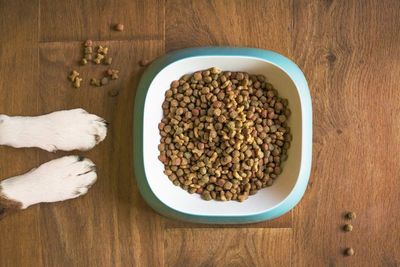
Formulation Tip for Pet Food Suppliers
Use coated Ascorbic Acid or encapsulated Vitamin C to improve stability in kibble or wet food.
For liquid supplements, combine with stabilizers to prolong shelf life.
Use Calcium Ascorbate or Sodium Ascorbate in pet food for better stability compared to pure Ascorbic Acid.
Regulatory and Safety Profile
Ascorbic acid holds GRAS (Generally Recognized As Safe) status with the U.S. Food and Drug Administration and is approved by AAFCO and FEDIAF for use in pet foods worldwide. Typical usage rates range from 0.01 % to 0.1 % of the finished product-levels well within safety margins and far below any threshold for adverse effects. Because it is water‑soluble and non‑psychoactive, vitamin C does not require any withdrawal period, nor does it interact negatively with other feed components or medications commonly used in veterinary care.
Practical Tips for Pet Owners
For pet parents, the presence of ascorbic acid on the ingredient panel signals a manufacturer's commitment to product stability and nutrient preservation. While a balanced commercial diet generally supplies all necessary vitamins, extra antioxidant support can be beneficial-and additional standalone supplementation should be discussed with a veterinarian. To maximize the effectiveness of ascorbic acid and other antioxidants, store pet foods in a cool, dry environment and seal packages tightly after opening to limit exposure to air and light.

Conclusion
Though dogs and cats can produce their own vitamin C, pet food formulators include ascorbic acid for its multifaceted benefits: it protects fats and vitamins from oxidation, enhances processing performance, improves flavor, and offers supplemental antioxidant support during periods of stress or aging. By ensuring product freshness, nutritional integrity, and palatability, ascorbic acid plays a vital role in delivering the high‑quality, shelf‑stable pet foods that meet the needs of modern pets and their discerning owners.
References
National Research Council. (2006). Nutrient Requirements of Dogs and Cats. National Academies Press.
FDA. (2023). "21 CFR § 582.1093-Ascorbic Acid." U.S. Food and Drug Administration.
Larsen, J. A. et al. (2011). "Effects of vitamin C supplementation on immune function and oxidative stress in dogs." Journal of Veterinary Internal Medicine, 25(5), 1053–1060.
Jones, G. M., & Hall, L. W. (2019). "Feed processing and antioxidant use in pet foods." Journal of Animal Feed Science, 28(3), 145–156.