Beta-carotene is a well-known pigment and nutrient that plays a critical role in animal health. Recognized as a precursor to vitamin A, beta-carotene contributes to many biological functions essential for growth, immunity, reproduction, and overall well-being in animals, including livestock, poultry, and pets. But beyond its function as a vitamin A source, beta-carotene has unique properties that provide additional health benefits.
This blog explores what beta-carotene is, how it functions in animal physiology, and why it should be considered an essential supplement in modern animal nutrition.
What Is Beta-Carotene?
Beta-carotene is a red-orange pigment found in various plants and fruits, most notably in carrots, sweet potatoes, pumpkins, and leafy greens. It belongs to a group of compounds called carotenoids, which are natural pigments that give fruits and vegetables their yellow, orange, and red hues. In animals and humans, beta-carotene is best known as a provitamin A-meaning it is converted into vitamin A (retinol) once ingested.
Because animals cannot synthesize vitamin A on their own, they must obtain it from dietary sources such as preformed vitamin A or carotenoid precursors like beta-carotene. However, beta-carotene offers more than just a vitamin A boost.

The Importance of Vitamin A in Animal Health
Vitamin A plays a central role in many vital functions in animals:
- Vision: It is essential for healthy eyesight, especially night vision.
- Immune system: Supports the development and functioning of immune cells.
- Reproductive health: Promotes normal fertility and fetal development.
- Cell growth and differentiation: Aids in tissue repair and the development of skin, mucous membranes, and epithelial cells.
- Bone health and growth: Important in growing animals for skeletal development.
Since beta-carotene can be converted into vitamin A as needed, it helps animals avoid both deficiency and toxicity risks associated with high doses of synthetic vitamin A.

Why Is Beta-Carotene Good for Animals?
1. Supports Immune Function
Beta-carotene enhances both innate and adaptive immune responses. It acts as an antioxidant, neutralizing free radicals that can damage immune cells and reduce the body's ability to fight off infections.
In livestock such as cows and pigs, beta-carotene supplementation has been associated with reduced disease incidence, lower inflammation, and faster recovery times. In dogs and cats, it strengthens the body's ability to resist infections and supports recovery from illness.
2. Improves Reproductive Performance
In dairy cows, beta-carotene is linked to improved reproductive efficiency. Research has shown that cows with adequate beta-carotene levels experience fewer days open (time between calving and conception) and higher conception rates.
The compound supports follicular development and maintains the health of the corpus luteum, which is critical for producing progesterone-a hormone vital to pregnancy. Similar reproductive benefits have been observed in goats, pigs, and poultry.
3. Promotes Healthy Skin and Coat
For pets like dogs and cats, beta-carotene is often included in pet food formulas to enhance skin health and coat appearance. It aids in cell regeneration, reduces oxidative stress in the skin, and supports healthy sebum production-contributing to a shiny, soft coat and reduced shedding or dandruff.
4. Enhances Antioxidant Defense
Beta-carotene is a powerful antioxidant that protects cells and tissues from oxidative damage caused by stress, toxins, or intense metabolic activity. In working animals, such as racing horses or herding dogs, this can be especially beneficial for protecting muscle tissues, the heart, and the lungs.
Livestock raised under stressful conditions (heat stress, confinement, transportation) can also benefit from the cellular protection provided by beta-carotene.
5. Supports Eye and Vision Health
Beta-carotene's role in vision is well-documented. It is a key precursor for retinal, the molecule in the retina that is essential for light perception. Supplementing with beta-carotene can help prevent or delay degenerative eye conditions in older dogs and cats, such as cataracts or macular degeneration.
In livestock, it contributes to the development of healthy eyes in young animals and supports vision under low-light conditions.
6. Natural Color Enhancer in Poultry
In poultry, beta-carotene not only supports health but also adds desirable pigmentation. It enhances the yellow color of egg yolks and improves the skin coloration of broilers, both of which are indicators of quality in consumer markets.
This is especially valuable for poultry farmers seeking natural alternatives to synthetic colorants.
Species-Specific Benefits
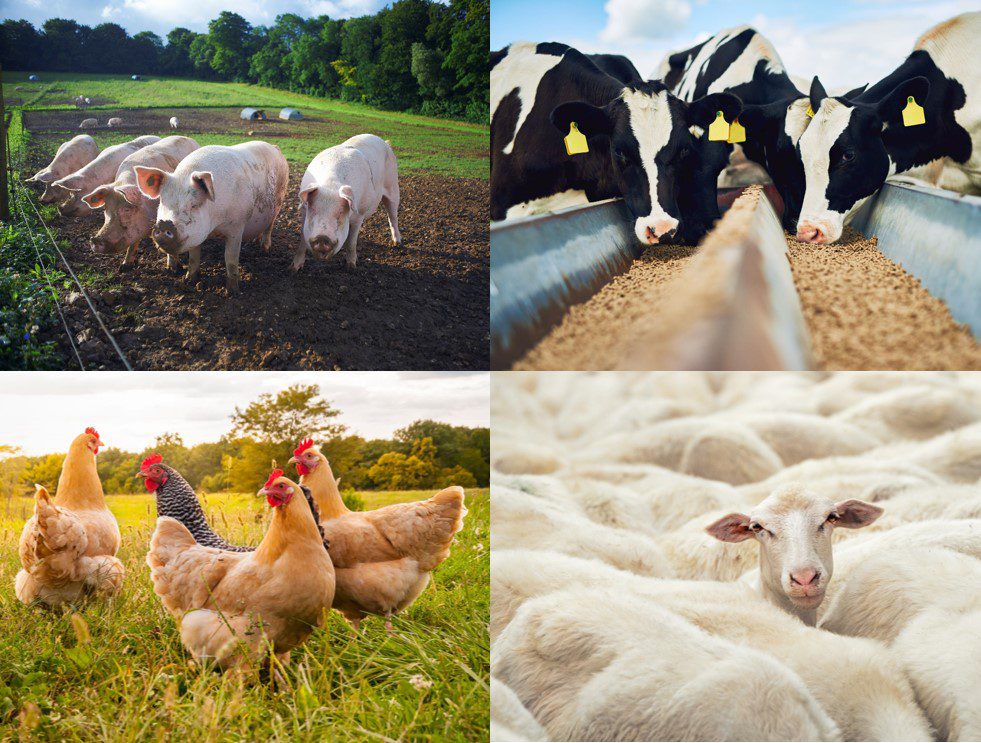
- Dogs & Cats: Improved immunity, vision, skin health, and aging-related protection.
- Dairy Cows: Higher fertility, stronger immune response, improved milk yield quality.
- Poultry: Enhanced yolk color, reproductive health, and resistance to disease.
- Horses: Reduced oxidative stress, better endurance, joint support in older horses.
- Pigs: Improved fertility, especially in sows; better growth and health in piglets.
Is Beta-Carotene Supplementation Safe?
Yes. Beta-carotene is considered very safe for animals. Unlike synthetic vitamin A, it is not toxic at high levels because animals only convert what they need into vitamin A. The rest is stored harmlessly or excreted. This makes it a preferred option for long-term supplementation.
However, excessive amounts in the diet may cause harmless pigmentation (yellowing) of fat or skin in some species, which is purely cosmetic and not a health concern.
How Is Beta-Carotene Added to Animal Diets?
Beta-carotene can be supplemented through:
- Feed additives (powdered or encapsulated beta-carotene)
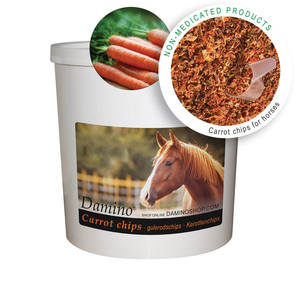
- Natural sources (alfalfa, carrots, marigold)
- Commercial pet food fortified with beta-carotene
Dosage recommendations vary by species and age group. It's best to consult a veterinarian or animal nutritionist for precise feeding protocols.

Conclusion
Beta-carotene is much more than just a pigment. Its ability to convert into vitamin A, support immunity, enhance reproduction, improve skin health, and protect cells from oxidative stress makes it a highly valuable nutrient for animals across the board. Whether you're a pet owner, livestock producer, or poultry farmer, adding beta-carotene to your animals' diet can offer both health and performance advantages.
References
Schweigert, F.J. (2001). "Involvement of carotenoids in reproduction." Pure and Applied Chemistry, 73(8), 1439–1445.
Noakes, D.E., et al. (2001). Veterinary Reproduction and Obstetrics. 8th ed. Saunders.
McDowell, L.R. (2000). Vitamins in Animal and Human Nutrition. 2nd ed. Iowa State University Press.
National Research Council (NRC). (2006). Nutrient Requirements of Dogs and Cats. The National Academies Press.
Watson, R.R., & Preedy, V.R. (2010). Bioactive Foods in Promoting Health: Fruits and Vegetables. Academic Press.