


Yeast are single-celled fungi. Like plants, they have a cell wall. However, unlike plants, they are unable to make their own food.
Like animals, they take in chemicals from their environment. These chemicals are respired to provide energy.
What is Yeast Cell?
Yeasts are single-celled fungi. The cells might be globose, oval, elongated, or rectangular, and their form varies widely. The production of true mycelium is impossible because cells remain attached in short chains to create a pseudomycelium.
Yeast sizes vary widely depending on the species and habitat. Most yeasts have a diameter of 3 to 4 µm, while others can reach 40 µm. Most yeasts reproduce asexually during mitosis, and many do so through the budding method of asymmetric division. Yeasts can be compared to moulds, which develop hyphae because of their single-celled growth habits.

Features of Yeast Cell
Although Saccharomyces cerevisiae is sometimes used as a synonym for "yeast," the Ascomycota and Basidiomycota are two distinct phyla that demonstrate the diversity of yeasts in terms of the phylogeny.
Depending on the environment they are growing in, and their age, yeast cells can take on various shapes due to their high level of polymorphism.
- Each yeast cell has a distinct cell wall surrounding granular cytoplasm, a giant vacuole, and a nucleus.
- Depending on the activity within the cell, the vacuole's size varies significantly.
- Chitin is combined with other chemicals to form a delicate, thin wall.
- The cytoplasm contains reserve supplies in the form of volutin, glycogen, and oil globules.
- Volutin content and yeast cell metabolism are closely-related processes.
- Protein, lipid and at least two polysaccharides are present in the cell wall (a mannan and a glucan).
- The cytoplasmic membrane is located directly beneath the cell wall. The membrane comprises particles permeated by fibrils that most likely relate to the glucan fibrils found in the cell wall.
- The endoplasmic reticulum, mitochondria, and deposits of fat and glycogen are all found within the cytoplasm.
- Strands and granules of dense material are occasionally connected into a network within a big vacuole surrounded by a single unit membrane.
- A double unit membrane (nuclear membrane) encircles the nucleus and is perforated by holes.
- The spindle is intra-nuclear, as it is in all fungi, and the nuclear membrane is intact throughout mitosis.

A wealth of nutrients
Fresh yeast has an remarkable nutritional composition:
- Protein
- Dietary fiber
- Vitamins B: thiamine (Vitamin B1), riboflavin (Vitamin B2), niacin (Vitamin B3), pantothenic acid (Vitamin B5), vitamin B6, and vitamin B9
- Minerals and trace elements: phosphorus, potassium, and zinc.
Furthermore, one will also find calcium and magnesium. Nutritional yeast or Nooch is made from fresh yeast. It is grown, heated, pasteurized and dehydrated to convenient to use products. The heating process deactivates the fermentation power of the yeast but preserves its nutrients. None of the nutritional values of fresh yeast are lost in the process of Nooch making. Dietary yeast tablets, Nooch powder, flakes or crisps, offer consumers a natural source of key nutrients.

What are the different uses of yeast in animal feed and pet food?
Yeast is used in animal feeds for two primary reasons: for growth and immune support and for palatability.
In commercial livestock farming, yeast cell walls are added to feed as a supplement.
They boost immune function and gut health, enhancing nutrient absorption and disease resistance, thereby promoting overall growth and health in livestock.
With yeast extracts it is the natural amino acids and nucleotides which provide a savoury, umami taste. This can bring out the meaty flavour of pet foods or mask the unpleasant tastes of medicines.

Interesting Facts About Yeast
- Considering that it ferments sugars and starches into alcohol and carbon dioxide, it gets its name from the Latin Greek word that means "sugar fungus."
- Currently, 1,500 known yeast species go back hundreds of millions of years.
- They are believed to make up approximately 1% of all known fungal species.
- Yeast typically ranges in size from 3 to 4 microns. The largest can reach up to 40 mm in size.
- Aquarium hobbyists frequently use yeast to produce carbon dioxide (CO2) to feed plants.
- Electricity can be produced with yeast. Another model organism for researching cell biology is yeast.
- Some yeasts can infect people and cause diseases.
Yeast Extract Powder Pet Food Uses
Yeast extract powder is sometimes used as an ingredient in pet food due to its nutritional benefits and flavor-enhancing properties. Here's some information on how yeast extract powder can be used in pet food:
1. Nutritional Benefits: Yeast extract powder is rich in essential nutrients such as vitamins (including B-complex vitamins), minerals, amino acids, and proteins. These nutrients can contribute to a well-balanced diet for pets and support their overall health and well-being.
2. Flavor Enhancer: Yeast extract powder has a savory and slightly meaty flavor, often described as umami. Adding yeast extract to pet food can enhance the palatability and taste, making it more appealing to pets and encouraging them to eat.
3. Digestive Health: Yeast extract powder contains natural enzymes such as beta-glucans that can help support healthy digestion in pets. These enzymes may aid in the breakdown of nutrients and improve the absorption of essential vitamins and minerals from the food.
4. Immune System Support: Yeast extract powder contains compounds like beta-glucans and nucleotides that have been shown to support immune function in both humans and animals. Including yeast extract in pet food formulations can potentially enhance the
immune response and strengthen the overall immune system of pets
Yeast Cells Environmental factors on the Growth
- Biodegradation and Waste Treatment: Yeast cells are used in bioremediation to break down organic waste. They help in treating wastewater by decomposing harmful substances, reducing pollution, and recycling nutrients.
- Fermentation and Biofuel Production: Yeast plays a critical role in fermentation, converting sugars into ethanol, which is used as a biofuel. This reduces reliance on fossil fuels and helps in lowering carbon emissions.
- Soil Health and Agriculture: Yeast contributes to the health of soil by decomposing organic matter, improving soil fertility, and promoting the growth of beneficial microorganisms. Some yeast species also enhance plant growth by facilitating nutrient absorption.
- Carbon Sequestration: Yeast can capture and store carbon dioxide (CO2) during fermentation processes. This helps mitigate greenhouse gas emissions and contributes to reducing the impact of climate change.
- Food Chain Support: Yeast is an important food source for many microorganisms and small organisms in ecosystems, forming a critical part of the food chain.

What's the difference between yeast extract and yeast cell walls?
Yeast extract and yeast cell walls are both derived from yeast. However, they each have distinct characteristics and functions.
In commercial production, yeast cells are cultured in controlled conditions, then harvested. Yeast extracts are made by breaking down cells to release their contents. After the removal of the internal components, yeast cell walls are isolated by centrifugation or filtration.
Yeast extract consists of proteins, amino acids, carbohydrates, peptides, nucleotides, vitamins, and minerals. It is the amino acids and nucleotides, that give yeast extract its rich umami and savoury taste.
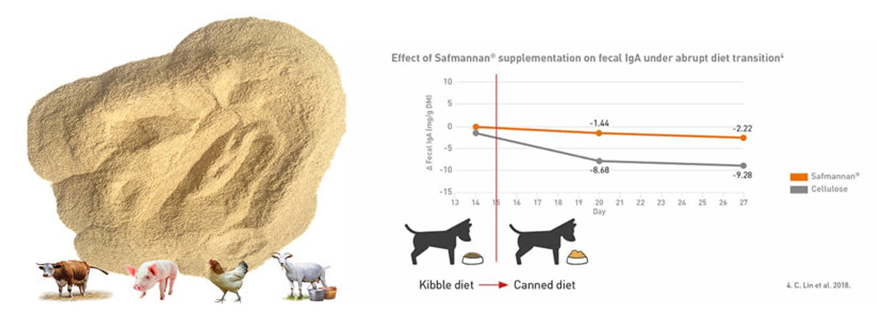
On the other hand, yeast cell walls are the outer, protective layer of the cells and are primarily composed of complex carbohydrates, including beta-glucans and mannan-oligosaccharides. These two active ingredients have the ability to bind toxins and support the immune system.

FAQ
※ Do you have factory?
Yes, we have a 1500m2 factory with modern equipment, welcome to visit our factory. When you have the details schedule, please kindly let me know in advance.
※ Do you have GMP?
All of our products are produced according to GMP standard, meanwhile, we have obtained ISO22000, Halal Certificate and so on.
※ What is your delivery time?
As usual, our delivery time is about 1~3 days after receipt of payments, however, for some special products, please kindly confirm with your sales manager in advance.
※ How can you confirm your quality?
Each batch of the goods can be shipped to you after strict inspection, if you still doubt, we can arrange the Pre-shipment Samples to your testing or to your pointed third party for retesting in advance, successfully, then we will arrange the bulk goods to you immediately.
Why Choose HJHERB Biotechnology?
HJHERB Biotechnology offers a wide range of products that are of high quality and value to a variety of industries, including the agricultural industry. is imperative in creating the highest quality feed products for animals and even aquaculture and industrial cleaning products. All of the products at HJHERB are produced in a facility that is certified in the AFIA's Safe Feed/Safe Food Certification Program. Contact us by email: info@hjagrifeed.com
Summing up, yeast cells are incredibly versatile organisms with wide-reaching benefits for both nature and industry. As single-celled fungi, they play a vital role in various ecosystems by supporting biodegradation, enhancing soil fertility, and contributing to carbon sequestration. Additionally, yeast's nutritional richness makes it a key ingredient in both human and animal nutrition, offering essential vitamins, proteins, and immune-boosting properties. From fermentation processes to improving pet food and supporting livestock growth, yeast's applications are vast. Its unique characteristics, whether as extracts or cell walls, demonstrate its diverse utility in promoting health, sustainability, and environmental balance.
If you need yeast cell powder wholesale, Send an email to: info@hjagrifeed.com
References:
\https://www.researchgate.net/publication/353686453_Effects_of_Environmental_factors_on_the_Growth_and_Proliferation_of_Yeasts
https://www.ohly.com/en/blogs/yeast-in-animal-feed-and-pet-foods-why-its-used-and-its-benefits/
Arthington, J.D., Qiu, X., Cooke, R.F., Vendramini, J.M., Araujo, D.B., Chase, C.C. Jr, Coleman, S.W. (2008) Effects of preshipping management on measures of stress and performance of beef steers during feedlot receiving. J Anim Sci. 86:2016-23 Berge, A.C. (2016) A meta-analysis of the inclusion of Bio-Mos® in milk or milk replacer fed to dairy calves on daily weight gain in the pre-weaning period. J. Animal Res. Nutrition, 1:19 Bontempo, V., Di giancamillo, A., Savoini, G., Dell'Orto, V., Domeneghini, C. (2006) Live yeast dietary supplementation acts upon intestinal morphofunctional aspects & growth in weanling piglets. Anim. Feed Sci. Techol. 129:224-236 Campbell, J.M., Crenshaw, J.D., and Polo, J. (2013) The biological stress of early weaned piglets. J. Anim. Sci. Biotechnol. 4:19 Credence Research, Inc (2018) Global Prebiotics Market – Growth, Future Prospects, and Competitive Analysis, 2018-2026. https://www.credenceresearch.com/report/preb iotics-market Fowler, J., Kakani, R., Haq, A., Byrd, J.A. and C.A. Baily (2015) Growth promoting effects of prebiotic yeast cell wall products in starter broilers under an immune stress and Clostridium perfringens challenge. J. Appl. Poult. Res. 24:66-72


