In today's animal and pet feed nutrition, natural, functional feed additives are in demand very strongly. Farmers, feed millers, and pet food companies are seeking alternatives that will enable them to improve animal performance, health, and feed efficiency without relying very much on antibiotics or synthetic additives. All these alternatives are available among which yeast hydrolysate is a high-performance, highly multi-functional feed ingredient.
Purified from yeast cell enzymatic hydrolysis, yeast hydrolysate is a bioactive peptide concentrate, nucleotides, amino acids, β-glucans, and mannan oligosaccharides (MOS) - all being essential in promoting animal growth, immunity, and gut health. This article talks about how yeast hydrolysate assists livestock, poultry, aqua animals, and pets so that they are able to perform on commercial as well as challenge stress.
What Is Yeast Hydrolysate?
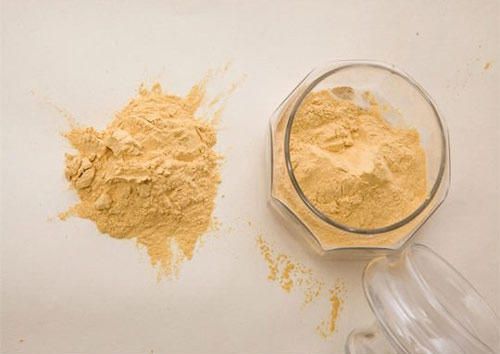
Yeast hydrolysate is produced through enzymatic or autolytic breakdown of Saccharomyces cerevisiae cell walls (brewer's yeast or baker's yeast). It frees intracellular nutrients and bioactive fractions into a highly digestible, nutrient-rich powder or liquid easily assimilated by animals.
In contrast to yeast extract's high level of soluble fractions, yeast hydrolysate has an insoluble fraction - offering a broader nutrition and functional profile. Its components are:
- Peptides and amino acids – for protein synthesis and wound healing.
- Nucleotides – for DNA/RNA synthesis and cellular regeneration.
- β-glucans and MOS – for immune regulation and pathogen management.
- Vitamins and minerals – like the B-complex vitamins used to support metabolism and energy.

Gut Health and Nutrient Utilization
Good gut health is essential for ideal growth and feed utilization in livestock. Yeast hydrolysate maintains gut integrity through the following mechanisms:
- Prebiotic action: MOS and β-glucans act as prebiotics by promoting growth of healthy bacteria such as Lactobacillus and Bifidobacterium and inhibiting disease-causing bacteria such as E. coli and Salmonella.
- Increased formation of villi: Studies confirm increased intestinal villus length and crypt depth in animals fed with yeast hydrolysate, resulting in increased nutrient uptake.
- Reduced diarrhea and intestinal inflammation: By maximizing gut microbiota balance and mucosal immunity, yeast hydrolysate avoids gastrointestinal illness and improves feed conversion ratio (FCR).
For example, testing with broiler chickens showed that supplementation with yeast hydrolysate significantly improved intestinal structure and suppressed enteric disease.

Immunoenhancement
Of all the characteristics of yeast hydrolysate, perhaps the most sensational is its ability to change the immune system. The β-glucans present in the cell wall trigger macrophages, neutrophils, and other white blood cells so that the animal's natural defense mechanism becomes more rapid and intense in its response to disease-inducing agents.
In pigs and poultry, animals fed on yeast hydrolysate have been shown to:
- Enhance antibody response to vaccination.
- Aid the function of white blood cells and immune responsiveness overall.
- Replace weaning or transport stress and infection-brought disease.
In aquaculture cultured animals like fish and shrimp, yeast hydrolysate improves resistance to bacterial and viral diseases and is an ideal natural alternative to antibiotics in diet.

Growth Promotion and Feed Efficiency
Growth performance is a critical measure in animal production. Yeast hydrolysate stimulates productive growth by mechanisms unspecified.
- Improved digestibility: Its hydrolyzed proteins and peptides are easily digested, reducing nitrogen loss and increasing protein utilization.
- Increased feed consumption: Palatability in yeast hydrolysate induces frequent feeds consumption, especially in young or stress animals.
- Optimized metabolism: Nucleotides and B-vitamins maximize energy metabolism and fast tissue growth.
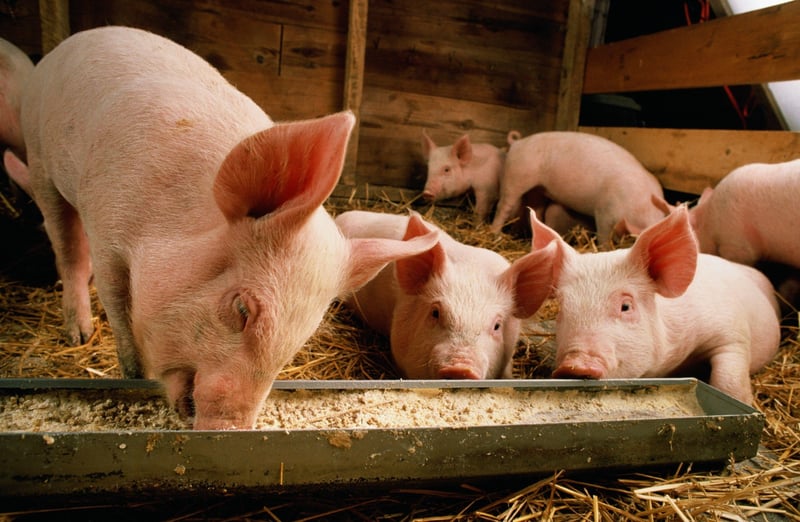
In experiments on piglet livestock, the supplemented piglets exhibited higher body weight gain and better FCR compared to control groups. This applied to broilers and fish as well, a proof of the ingredient's ability to be applied across species.

Stress Reduction and Better Animal Welfare
Animals are usually stressed by weaning, heat, transportation, or environmental stress - all which can impair immunity and productivity. Yeast hydrolysate reduces these to a certain extent by:
- Sustaining stress hormones (e.g., cortisol).
- Enhancing gut stability under stress.
- Enhancing recovery from disease or antibiotic withdrawal.
For instance, shrimp and fish fed yeast hydrolysate have enhanced survival in stressful situations such as temperature or water quality changes in aquaculture.
Enhanced Reproductive and Lactation Performance
In animal production, yeast hydrolysate improves reproductive function and fertility through its nucleotides, amino acids, and antioxidant compounds. Supplementation in dairy cattle and sows has been associated with:
- Improved milk production and quality.
- Improved recovery after parturition.
- Viability and weight of piglet litter increased.
Such favorable reproductive effects are due to the enhanced energy metabolism and immune tolerance by yeast hydrolysate.

Nutritional Benefit for Pets: Dogs and Cats
Yeast hydrolysate is fast being incorporated into pet food as a natural palatability enhancer and functional nutrient. It also contributes to palatability and health value.
Yeast hydrolysate delivers in dogs and cats:
- Prebiotic nutritional benefits to intestinal health.
- Enhanced immune system for increased resistance to disease.
- Skin and coat condition because of its high B-vitamins and amino acids.
Fewer allergies and sensitivities, as the hydrolyzed form is hypoallergenic compared to intact proteins.
Its taste and functionality combination render it an industry leader for use in high-end, health-oriented pet food ingredients.

Environmental and Economic Value
By being part of the global trend toward reduced antibiotic dependence and enhanced feed efficiency, yeast hydrolysate is an environmentally and economically sound option. Through stimulation of enhanced nutrient absorption and immune system function, it efficiently reduces waste and enhances productivity.
Outside of this, yeast hydrolysate is also cost-effective with even minimal inclusion levels (0.5–2%) showing great improvement in the performance of animals. It is therefore an appropriate feed additive to be used for both traditional and organic animal production systems.

Conclusion
Yeast hydrolysate is simply a protein supplement - a biofunctional feed additive that supports gastrointestinal health, immunity, growth, and stress tolerance in animal species. Its application to livestock, aquaculture, and pet food makes it an anchor of natural, science-based feeding formulation.
As animal production transitions to natural, science-based nutrition, yeast hydrolysate is a proven path to better animal health, more performance, and sustainable profitability.
References
Gao, J., Zhang, HJ, Yu, SH, Wu, SG, Yoon, I., Quigley, J., Gao, YP, & Qi, GH (2008). Effects of yeast culture in broiler diets on performance and immunomodulatory functions. Poultry Science, 87(7), 1377–1384.
Jang, YD, Kang, KW, Piao, LG, Jeong, TS, & Kim, IH (2013). Effects of yeast hydrolysate supplementation on growth performance, nutrient digestibility, and immunity in growing pigs. Asian-Australasian Journal of Animal Sciences, 26(7), 1002–1008.
Li, P., Mai, K., Trushenski, J., & Wu, G. (2009). New developments in fish amino acid nutrition: Towards functional and environmentally oriented aquafeeds. Amino Acids, 37, 43–53.
Shurson, GC (2018). Yeast and yeast derivatives in feed additives and ingredients: Sources, characteristics, animal responses, and quantification methods. Animal Feed Science and Technology, 235, 60–76.
Zhao, PY, Kim, IH (2015). Effect of yeast hydrolysate supplementation on growth performance, nutrient digestibility, and immune response in broilers. Poultry Science, 94(7), 1483–1489.
Lara-Flores, M., & Olvera-Novoa, MA (2013). Use of yeast (Saccharomyces cerevisiae) as aquaculture growth promoter: A review. African Journal of Microbiology Research, 7(48), 5590–5598.