


With the changing era of animal nutrition, the animal producers and feed mills never missed a chance to find new, natural, and proven substitutes for the health of animals, feed efficiency, and productivity. One among such nutrients that has vast demand in pet food as well as in livestock feed sector is yeast hydrolysate. Famous for its immunostimulant and bioactive nutrient content, yeast hydrolysate is a performance-enhancing functional feed additive that assists with performance, gut health, and disease resistance without antibiotics.
Below is an overview of what yeast hydrolysate is, how it operates, and why it leads as the pillars of future-proof pet and animal nutrition.

What Is Yeast Hydrolysate?
Yeast hydrolysate is a product of autolytic or enzymatic hydrolysis of yeast cells (typically Saccharomyces cerevisiae). It ruptures the cell walls and liberates the valuable intracellular content such as amino acids, peptides, nucleotides, vitamins, minerals, and cell wall polysaccharides like β-glucans and mannan oligosaccharides (MOS).
In comparison to yeast extracts or intact yeast, yeast hydrolysate is more bioavailable, i.e., more digestible and more easily absorbed by animals. That makes it an extremely worthwhile way of delivering fundamental building blocks of growth, immunity, and metabolism.
The traditional formula for yeast hydrolysate is:
- Peptides and amino acids – enzyme production and tissue construction.
- Nucleotides – immune system, cell reproduction, and repair.
- β-glucans and MOS – as prebiotics and immunomodulators.
- B-vitamins (B1, B2, B6, niacin, etc.) – of critical significance to energy metabolism.
The synergy of functional and nutritional ingredients gives yeast hydrolysate its typical potency for use in animal and pet food.
Standout Advantages of Yeast Hydrolysate in Livestock and Animals

Improved Gut Health and Microbiota Balance
Healthy gut is the basis of robust growth and immunity. Yeast hydrolysate maintains intestinal health owing to prebiotic effects and integrity of the gut lining.
- MOS in yeast hydrolysate can bind pathogens such as E. coli and Salmonella and hence hinder the binding of these pathogens to intestinal walls.
- β-glucans regulate gut immunity with long-term anti-inflammatory effects and healthy bacteria such as Lactobacillus and Bifidobacterium.
- Peptides and amino acids participate in repairing and regenerating intestinal cells to enhance nutrient absorption.
Supplementation of yeast hydrolysate in broiler chicks and weanling piglets has been shown by research to enhance villus length and crypt depth, resulting in enhanced nutrient utilization and alleviation of diarrhea in young animals.
Immune System Support and Resistance to Disease
The most important application of yeast hydrolysate is its ability to nontypeically enhance the immune system. The β-glucans and nucleotides activate innate and acquired immunity, activating resistance to infection without the use of antibiotics.
- β-glucans activate macrophages, neutrophils, and other immune cells to activate recognition and destruction of the pathogen.
- Nucleotides activate faster proliferation and antibody production by immune cells after vaccination.
- Repeated dosing with fecal yeast hydrolysate decreases the effects of stress-induced immune suppression, for example, at weaning or environmental stress.
For example, in piglets, feeding yeast hydrolysate orally enhances immunoglobulin (IgA and IgG), an essential component to protect against infection.
Growth Rate and Feeding Efficiency Promotion
Feed expense contributes significantly to animal production expense. Yeast hydrolysate improves growth performance by maximizing the utilization of nutrients and digestibility.
Yeast hydrolysate is an extremely concentrated form of hydrolyzed protein with high concentrations of readily absorbed small peptides in the small intestine.
- Gut health improvement is reflected in better feed conversion ratios (FCR) and weight gains.
- Palatability of yeast hydrolysate also results in increased consumption of feed, particularly in young animals or during stress.
- When subjected to single administration, piglets on yeast hydrolysate revealed better average daily gain (ADG) and better FCR as compared to control treatments. Comparable results have been achieved in broiler chicken and aquaculture targets such as shrimp and tilapia.

Stress Relief and Recovery Support
High-performing production animals are likely to be subjected to a synergistic blend of stressors - heat stress, transport, weaning, or vaccination - that compromise immunity and depress growth performance. These adverse effects are overcome by yeast hydrolysate through:
- Preventing the ill effects via boosting of antioxidant enzyme activity and inhibition of oxidative stress.
- Supporting gut integrity in stressed conditions.
- Facilitating quicker recovery after disease or diet transition.
For shrimp aquaculture, yeast hydrolysate is especially relevant since it supports immunity and survival during stress of the environment and disease.

Lactation Advantage and Reproductive Health
Reproductive animals need maximum nutritional status and immune status. Yeast hydrolysate gives the essential bioactive nutrients that support reproductive function and milk production.
In sow, supplemented feeding with yeast hydrolysate increases milk quality and piglet growth.
- In cows, nucleotides enhance mammary function and milk production.
- The high-quality vitamins and amino acids enhance fertility and postpartum recovery.
- This results in healthier calves, productivity, and less reproductive downtime.

Pet Benefits: Dogs and Cats
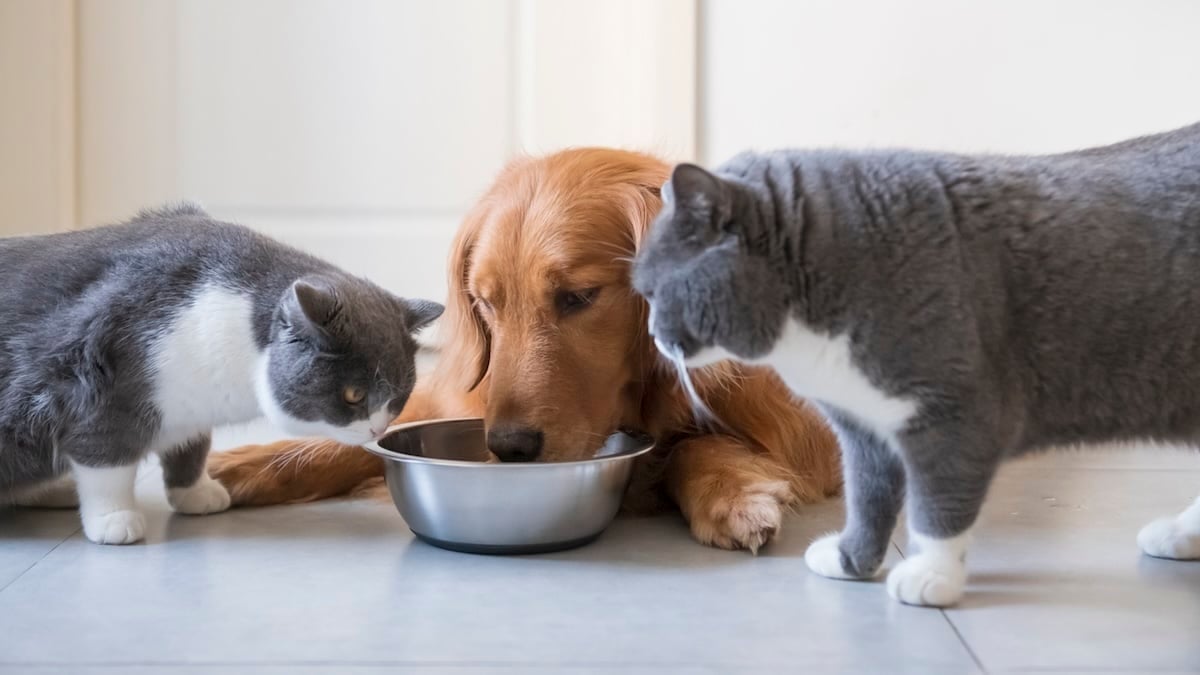
Yeast hydrolysate is becoming more commonly used in the pet food market as a functional nutrient due to its health-confering and flavor-boosting attributes.
- Palatability: Yeast hydrolysate makes pet food more palatable and better-smelling in dogs and cats.
- Digestive Health: Prebiotic components in in aid in balance of flora in intestines and minimize digestive distress.
- Skin and Coat Health: Amino acids and B-vitamins rebuild skin and give lustrous coat.
- Immune Support: β-glucans stimulate the immune defense system for overall long-term well-being.
Also, as hydrolyzed, yeast hydrolysate is non-allergenic, it may even be used on hypersensitive or protein-allergic animals.
Environmental and Economic Benefits
As the animal and livestock feed sector shifts to sustainable, antibiotic-free production, yeast hydrolysate emerges with its environmentally friendly, budget-friendly picture.
- Is minimizing dependence on artificial growth promoters and antibiotics.
- Improves the digestibility of nutrients, minimizing excretion of waste and maximizing environmental efficiency.
- Even at modest inclusion rates (0.5–2%), it is giving measurable gains in performance and health.
This blend of performance and sustainability makes yeast hydrolysate a very sought-after commodity in the transition to clean-label, natural animal nutrition.

Applications across Various Animal Species
| Animal Type | Key Benefits of Yeast Hydrolysate |
|---|---|
| Poultry | Improves growth rate, feed conversion, gut health, and immunity. |
| Swine | Reduces post-weaning stress, enhances digestibility, and improves immunity. |
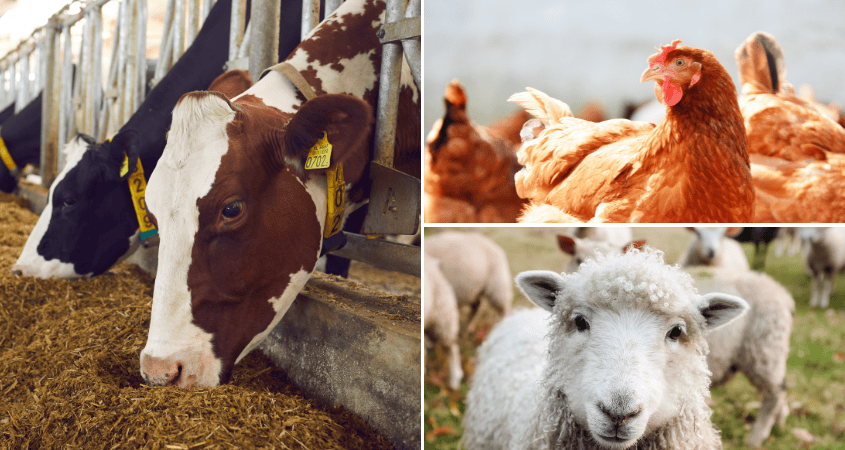
| Ruminants (Cows, Sheep) | Supports rumen microbial activity, milk production, and reproductive health. |
| Aquaculture (Fish, Shrimp) | Enhances disease resistance, stress tolerance, and water quality. |
| Pets (Dogs, Cats) | Improves palatability, gut health, immune strength, and coat condition. |
Conclusion
Yeast hydrolysate is not just a nutritional additive - it is a functional feed ingredient that supports animal health, performance, and resilience across a wide range of species. Its natural prebiotic, immune system-enhancing, and digestibility-enhancing properties are the foundation on which antibiotic-free feed formulation is built.
With the world making the move to sustainable, health-oriented animal nutrition, yeast hydrolysate offers a proven and science-backed approach to achieving performance and welfare objectives. With premium pet food or animal livestock production, the product is leading the way in more intelligent, safer, and cheaper animal feeding.
References
Gao, J., Zhang, H. J., Yu, S. H., Wu, S. G., Yoon, I., Quigley, J., Gao, Y. P., & Qi, G. H. (2008). Effects of yeast culture in broiler diets on performance and immunomodulatory functions. Poultry Science, 87(7), 1377–1384.
Jang, Y. D., Kang, K. W., Piao, L. G., Jeong, T. S., & Kim, I. H. (2013). Effects of yeast hydrolysate supplementation on growth performance, nutrient digestibility, and immunity in growing pigs. Asian-Australasian Journal of Animal Sciences, 26(7), 1002–1008.
Shurson, G. C. (2018). Yeast and yeast derivatives in feed additives and ingredients: Sources, characteristics, animal responses, and quantification methods. Animal Feed Science and Technology, 235, 60–76.
Zhao, P. Y., & Kim, I. H. (2015). Effect of yeast hydrolysate supplementation on growth performance, nutrient digestibility, and immune response in broilers. Poultry Science, 94(7), 1483–1489.
Lara-Flores, M., & Olvera-Novoa, M. A. (2013). The use of yeast (Saccharomyces cerevisiae) as a growth promoter in aquaculture: A review. African Journal of Microbiology Research, 7(48), 5590–5598.
Swanson, K. S., & Fahey, G. C. (2006). Prebiotic effects on companion animals: A review. Veterinary Clinics of North America: Small Animal Practice, 36(6), 1193–1205.


