In today's rapidly changing aquaculture environment, farmers are always looking for sustainable means of maintaining animal health, growth performance, and product quality. An incredibly potent ingredient that has increasingly become known is Astaxanthin-a natural pigment and antioxidant that plays a role in the overall performance of fish and shrimp.
Known for giving salmon, trout, and shrimp their characteristic reddish color, Astaxanthin is much more than a colorant. It plays a vital role in enhancing survival, immunity, reproduction, and stress resistance in aquaculture species.
In this blog, we'll explore what Astaxanthin is, how it functions in aquatic animals, and why it is an essential additive for fish and shrimp farming.
What Is Astaxanthin?
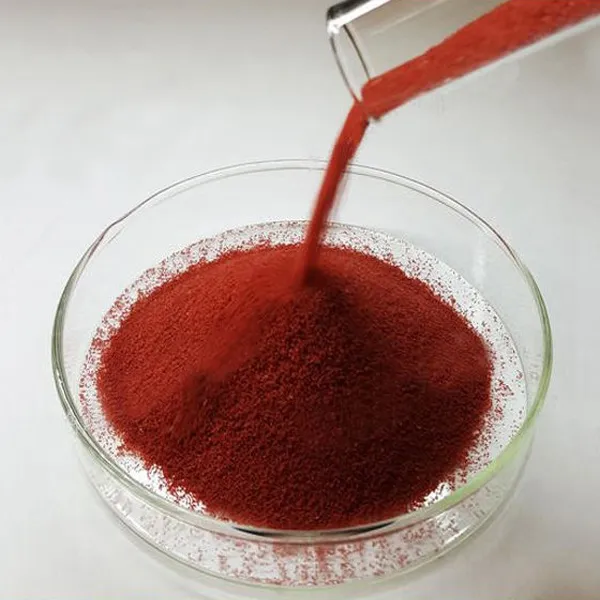
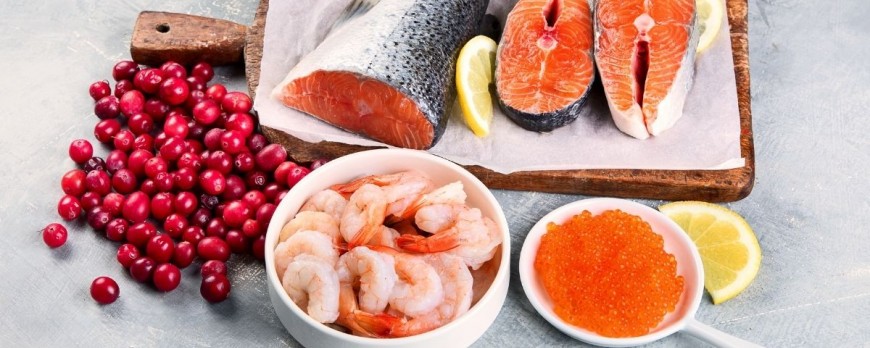
Astaxanthin is a red-orange carotenoid pigment naturally occurring in microalgae (Haematococcus pluvialis), krill, shrimp, and salmon. As an effective antioxidant, it is:
- 6,000 times more powerful than vitamin C
- 100 times more effective than beta-carotene
- 10 times more potent than zeaxanthin and lutein
In aquaculture, Astaxanthin is usually supplemented in feed as:
- Natural extract (algal or krill origin)
- Synthetic astaxanthin (majorly used for pigmentation)
- Microencapsulated or beadlet types for stability
Why is Astaxanthin so Critical in Aquaculture?
Aquatic animals, particularly fish and crustaceans, are subjected to stressors such as:
- High stocking density
- Dynamic water quality
- Disease pressure
- Handling and transport
These stressors enhance oxidative stress, compromising immunity and growth. Astaxanthin serves to reduce these issues by:
- Protecting cells from oxidative damage
- Maintaining immune system function
- Increasing survival and feed conversion
Top Advantages of Astaxanthin for Fish and Shrimp
1. Enhances Pigmentation and Product Appeal
Astaxanthin provides:
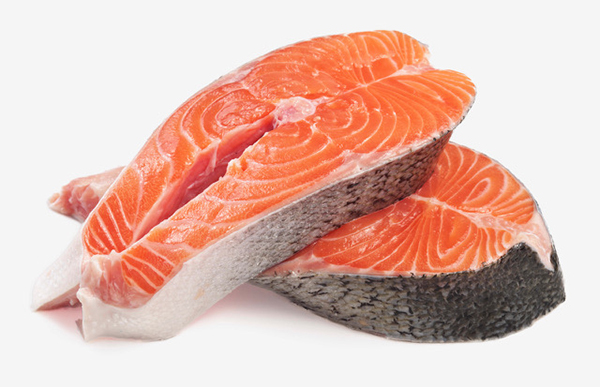
- Salmon their pink flesh
- Shrimp their bright red shell
- Ornamental fish improved coloration
buyers tend to judge quality on color. Astaxanthin improves:
- Marketability
- Consumer acceptance
- Price power
In salmon aquaculture, correct pigmentation is a necessity, and Astaxanthin is the sole permitted pigment for such use.
2. Increases Growth and Feed Efficiency
Astaxanthin enhances:
- Growth rate
- Weight gain
- Feed conversion ratio (FCR)
This is because it plays a role in:
- Increasing cellular energy production
- Decreasing inflammation and stress
- Supporting nutrient utilization
Study Highlight: A trial on Pacific white shrimp (Litopenaeus vannamei) revealed that diets with supplementations of 50–100 mg/kg of Astaxanthin considerably enhanced growth and survival rates in comparison to control diets.
3. Enhances Immune Function
Astaxanthin promotes immune functioning by:
- Enhancing phagocytic activity
- Increasing antibody formation
- Stimulating cells of the immune system such as lymphocytes and macrophages
This makes the fish and the shrimp:
- More resilient against pathogens
- Less prone to disease
- Quicker to recover from infection
4. Enhances Reproductive Performance
In broodstock fish and shrimp, Astaxanthin has proven to:
- Increase the rate of spawning
- Enhance egg quality and fertility
- Benefit larval survival and development
This is particularly desirable in hatchery operations aimed at genetic enhancement and stock productivity.
5. Boosts Stress Tolerance
Aquatic animals tend to experience:
- Heat stress
- Hypoxia (low oxygen levels)
- Transportation shock
Astaxanthin lowers oxidative stress markers and aids in preserving:
- Gill and liver function
- Cellular integrity
- General resistance to stress events
This translates into reduced mortality and increased profitability.
6. Guards Vision and Eye Health
Astaxanthin is stored in the eyes and guards against:
- UV damage
- Retinal oxidation
- Vision-associated stress in larvae and adults
This is especially beneficial in high-light or shallow water conditions, enhancing foraging efficiency and welfare.
Astaxanthin Mechanism of Action in Aquatic Animals
Astaxanthin is:
- Fat-soluble, enabling it to integrate into membranes
- Stored in hepatopancreas, muscles, and exoskeleton
- Delivered in the blood to essential tissues (gills, liver, gonads)
It offers both systemic antioxidant protection and localized color improvement.

How to Use Astaxanthin in Aquafeeds
Suggested Dosage:
| Species | Purpose | Recommended Dose |
|---|---|---|
| Salmon, Trout | Flesh pigmentation | 50–100 mg/kg of feed |
| Shrimp (L. vannamei) | Color, growth, health | 40–100 mg/kg |
| Ornamental Fish | Color and immunity | 20–60 mg/kg |
| Tilapia, Catfish | Antioxidant & support | 20–50 mg/kg |
Tips for Using:
- Utilize microencapsulated Astaxanthin for process stability
- Mix with vitamin E, selenium, and omega-3s for synergy
- Store in a cool, dark location to preserve potency
Natural vs. Synthetic Astaxanthin
| Type | Source | Key Uses | Notes |
|---|---|---|---|
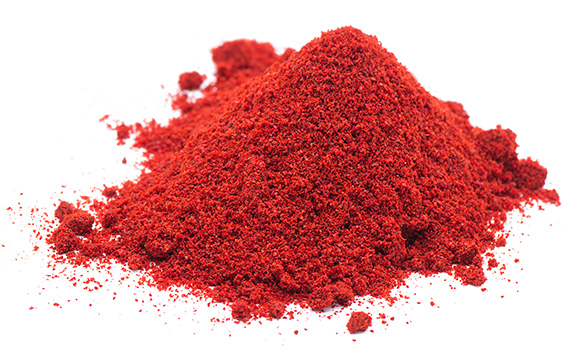
| Natural | H. pluvialis, krill oil | Color + health | Higher bioactivity |
| Synthetic | Petrochemical synthesis | Color only | Less antioxidant effect |
For health benefits, always use natural Astaxanthin.

Economic Benefits to Aquaculture Farmers
- Better survival rates = less loss in production
- Quicker growth = shorter production periods
- More vibrant coloration = greater retail price
- Better immunity = lower vet and treatment expenses
In high-value industries such as shrimp export, even a marginal increase in pigmentation and survival will greatly increase profit.

Sustainable and Safe
Astaxanthin is:
- Non-toxic and biodegradable
- Safe for the environment
- Accepted in global aquaculture certifications (ASC, BAP)
It promotes sustainable farming by minimizing dependence on:
- Antibiotics
- Synthetic colorants
- Aggressive growth enhancers

Conclusion: Why Use Astaxanthin in Aquaculture?
Astaxanthin is not only a color enhancer-it's a complete health supplement for shrimp and fish. Through enhanced pigmentation, immunity, growth, and stress tolerance, it makes your stock healthy, appealing, and profitable.
If you produce salmon, shrimp, trout, or ornamental fish, incorporating natural Astaxanthin into your feeding regimen is a performance and product quality strategic decision.
References
Pan, C. H., et al. (2012). Effects of dietary Astaxanthin on growth, immunity and antioxidant capacity in Pacific white shrimp. Aquaculture Research.
Choubert, G., et al. (2009). Comparative efficacy of natural and synthetic astaxanthin in salmonids. Aquaculture Nutrition.
Ambati, R. R., et al. (2014). Astaxanthin: Sources, stability, biological activities, and commercial applications. Marine Drugs.