


As world seafood consumption continues to rise, aquaculture has become a major industry for sustainable protein production. However, more fish farming poses nutritional, environmental, and public health concerns. This has rendered the application of feed additives-those supplemented to fish feed not for immediate nutrition, but for enhancing growth, disease resistance, water quality, pigmentation, and feed efficiency-increasingly reliant on them.
In this blog, we'll explore essential aquaculture feed additives, their functions, and scientific evidence supporting their efficacy in aquaculture systems.

1. Probiotics: Enhancing Gut Health and Disease Resistance
Probiotics are live microorganisms added to aquafeeds to promote intestinal microbial balance. They inhibit pathogenic bacteria, improve gut integrity, enhance nutrient absorption, and stimulate immunity.
Common probiotic strains:
- Bacillus subtilis
- Lactobacillus spp.
- Saccharomyces cerevisiae
Benefits:
- Reduced incidence of bacterial infections
- Improved digestion and feed conversion ratio (FCR)
- Better survival under stress
Ringø et al. (2018) mention that probiotics have been demonstrated to modulate gut microbiota, for improved overall health and disease resistance in farmed fish and shrimp.

2. Prebiotics: Food for Good Bacteria
Prebiotics are unlike probiotics in that they are non-digestible food ingredients that stimulate the growth of beneficial gut microbes. Examples include mannan-oligosaccharides (MOS) and fructooligosaccharides (FOS).
Benefits:
- Enhanced immune response
- Increased gut microbiota diversity
- Reduced pathogenic colonization
Dawood and Koshio (2016) showed in a study that prebiotics in the diet of carp improved gut health and reduced inflammation.
3. Enzymes: Increasing Digestibility
Fish may not be able to digest certain plant-derived feed ingredients, which increasingly are used in aquafeeds. Enzymes like phytase, protease, and amylase break down anti-nutritional factors and make nutrients more accessible.
Applications:
- Increased application of plant-based feeds
- Phosphorus reduction in water
- Reduced cost of feed
Krogdahl et al. (2005) mentioned that enzymes enhanced carbohydrate digestion and reduced nutrient loss in various fish species.

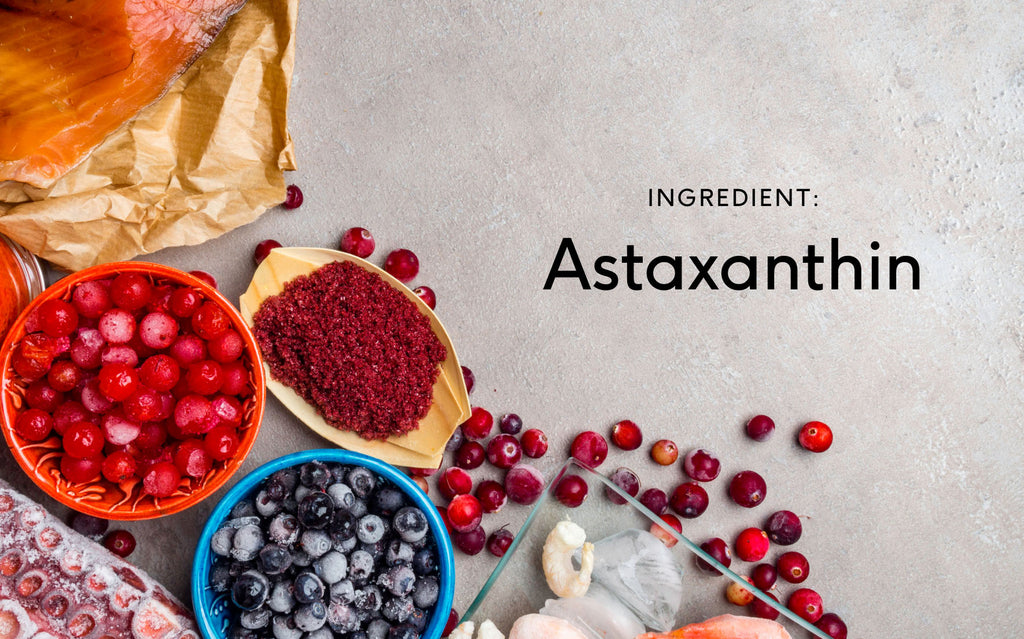
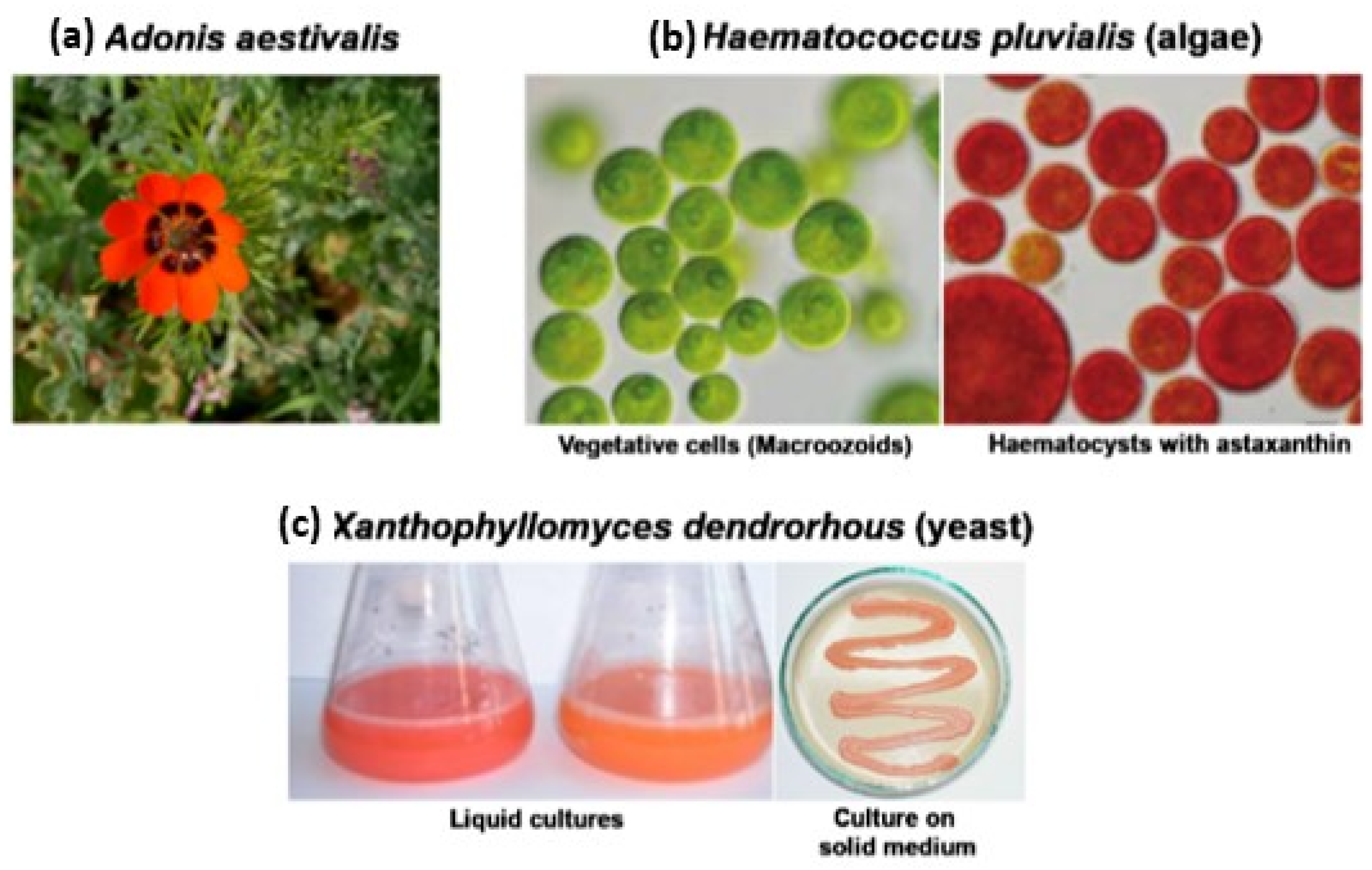
4. Astaxanthin: Natural Coloration and Antioxidant Support
Astaxanthin is a red-orange pigment carotenoid used specifically in salmonids and freshwater ornamental fish to enhance skin and flesh color. Astaxanthin is also an effective antioxidant.
Benefits:
- Deep skin and fillet coloration
- Enhanced reproduction
- Improved resistance to stress and immunity
Niu et al. (2019) indicated that dietary astaxanthin improved tilapia and shrimp pigmentation and antioxidant activity.

5. Nucleotides: Immune and Growth Promoters
Nucleotides are cellular repair and immunity-related bioactive molecules. Although fish are capable of producing nucleotides, dietary supplementation improves recovery and performance, especially when stressed or challenged by disease.
Applications:
- Immune stimulation at early stages
- Gut development improvement
- Improved growth in high-density culture
Li and Gatlin (2006) established that nucleotides help in modulating immunity and reducing disease susceptibility in aquaculture species.

6. Organic Acids: pH Control and Antimicrobial Efficacy
Organic acids, such as citric acid, formic acid, and lactic acid, are added to feeds to reduce gut pH, making it less favorable for pathogens. They can also improve mineral assimilation.
Benefits:
- Improved gut health and growth performance
- Reduced antibiotic usage
- Improved phosphorus and calcium availability
Ng and Koh (2017) showed that organic acids increased FCR and tilapia and catfish disease resistance.

7. Herbal Extracts and Medicinal Plants
Phytogenic additives-the application of herbal extracts like garlic, turmeric, and oregano oil-has gained momentum since they exhibit antimicrobial, antioxidant, and immunostimulant properties.
Benefits:
- Natural management of disease
- Improved digestion and liver function
- Less hazardous than synthetic antibiotics
Van Hai (2015) reported a review of herbal immunostimulant application and confirmed their role in enhancing fish immunity and growth.
8. Vitamins and Minerals: Crucial Micronutrient Support
Small deficits are sufficient to produce stunted growth, rachitic bones, or immune incompetence. Key feed additives are:
- Vitamin C and E – Immune boosters and antioxidants
- Zinc and selenium – Enzyme cofactors
- Calcium and phosphorus – Bone and shell calcification
The NRC handbook (2011) prescribes species-specific nutrient requirements for optimal aquaculture performance .

9. Mycotoxin Binders: Feed Contamination Protection
Feed ingredients can contain mycotoxins, poisonous fungal metabolites, that cause liver, kidney, and immune system damage.
Mycotoxin binders like bentonite clay or yeast cell walls bind toxins in the gut, reducing their absorption.
Benefits:
- Less oxidative stress and tissue damage
- Enhanced liver function
- Enhanced performance under poor quality feed
Zhai et al. (2021) brought out the mitigating effects of binders on common aquafeed mycotoxins like aflatoxin B1.

10. Feed Efficiency Improvers and Fishmeal Substitutes
As a result of growing cost and environmental impact of fishmeal, feed additives such as:
- Soy protein concentrate
- Insect meal
- Algae-derived proteins
.are utilized in combination with palatants and digestibility promoters to provide feed intake and performance.
Tacon and Metian (2008) predict that future aquaculture nutrition is dependent on productive and sustainable feed options .
Conclusion: A Smarter, Healthier Way to Farm Fish
The thoughtful use of aquaculture feed additives is at the center of maximizing growth, feed efficiency, immunity, pigmentation, and sustainability. From probiotics to natural colorants, these tools enable farmers to do away with antibiotic dependency, diminish environmental stress, and attain maximum production without compromising fish well-being.
Feed additive solutions always need to be species, lifecycle stage, and farming system-specific. Work with nutritionists and veterinarians helps to ensure additives are used safely and with long-term effectiveness.
References
Ringø, E., Hoseinifar, S.H., Ghosh, K., Van Doan, H., Beck, B.R., Song, S.K. (2018). Probiotics, lactic acid bacteria and bacilli: interesting supplementation for aquaculture. J. Appl. Microbiol., 124(4), 944–967. https://doi.org/10.1111/jam.13690
Dawood, M.A.O., Koshio, S. (2016). Recent advances in the role of probiotics and prebiotics in carp aquaculture: A review. Aquaculture, 454, 243–251. https://doi.org/10.1016/j.aquaculture.2015.12.033
Krogdahl, Å., Hemre, G.I., Mommsen, T.P. (2005). Carbohydrates in fish nutrition: digestion and absorption in postlarval stages. Aquaculture Nutrition, 11(2), 103–122. https://doi.org/10.1111/j.1365-2095.2004.00327.x
Niu, J., Wang, Y., Thongda, W., Liu, M., Liu, Z. (2019). Effects of dietary astaxanthin on growth, pigmentation, and antioxidant capacity in aquatic animals. Aquaculture Research, 50(6), 1577–1586. https://doi.org/10.1111/are.14018
Li, P., Gatlin, D.M. (2006). Nutritional and physiological roles of nucleotides in fish. Aquaculture, 251(2–4), 141–152. https://doi.org/10.1016/j.aquaculture.2005.06.021
Ng, W.K., Koh, C.B. (2017). The utilization and mode of action of organic acids in the diets of aquaculture species. Reviews in Aquaculture, 9(4), 342–368. https://doi.org/10.1111/raq.12141
Van Hai, N. (2015). The use of medicinal plants as immunostimulants in aquaculture: a review. Aquaculture, 446, 88–96. https://doi.org/10.1016/j.aquaculture.2015.03.014
NRC. (2011). Nutrient Requirements of Fish and Shrimp. National Academies Press. https://doi.org/10.17226/13039
Lall, S.P., Dumas, A. (2015). Nutritional requirements of farmed fish: formulation of nutritionally adequate feeds. In: Feed and Feeding Habits in Aquaculture, Woodhead Publishing, 53–109. https://doi.org/10.1016/B978-0-08-100506-4.00002-2
Abdel-Tawwab, M., Ahmad, M.H., Seden, M.E., Sakr, S.F. (2010). Use of garlic (Allium sativum) as a feed additive in fish: Pharmacological and biological activities. Reviews in Aquaculture, 2(1), 1–10. https://doi.org/10.1111/j.1753-5131.2010.01014.x
Tacon, A.G.J., Metian, M. (2008). Global overview on the use of fishmeal and fish oil in industrially compounded aquafeeds: Trends and future prospects. Aquaculture, 285(1–4), 146–158. https://doi.org/10.1016/j.aquaculture.2008.08.015
Zhai, S.W., et al. (2021). Application of mycotoxin binders in aquaculture feeds: Current status and future perspectives. Aquaculture Reports, 21, 100797. https://doi.org/10.1016/j.aqrep.2021.100797


