


Astaxanthin has played a major role in poultry farming where quality is a critical performance indicator in the profitable enterprise of poultry farming. For table or hatching eggs, customers and producers both desire active, healthy, and uniform eggs. Through better feed additives and dietary tricks, natural ingredients such as astaxanthin have become effective tools to accomplish this task. But is astaxanthin beneficial to egg quality?
The short answer is yes-astaxanthin plays a significant role in enhancing egg quality through improved yolk color, antioxidant protection, nutrient composition, and even fertility. In this blog, we'll explore how this potent carotenoid works, the benefits it offers, and the science behind its application in layer and breeder hen diets.

What Is Astaxanthin?
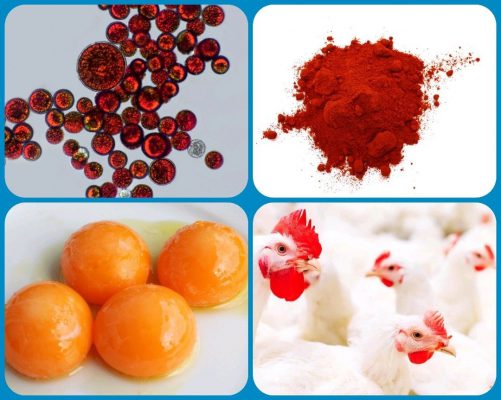
Astaxanthin is a red-orange color pigment that occurs naturally in microalgae (Haematococcus pluvialis), krill, shrimp, and certain fish. It is the pigment that makes up the pink color of salmon and flamingos and one of the strongest natural antioxidants on the market today.
As a feed ingredient, astaxanthin finds application mainly in:
- Egg yolk pigmentation
- Stimulation of antioxidants
- Support of the immune system
- Improvement of reproductive performance
Astaxanthin is synthetic or naturally derived (most commonly algae) and used at levels in poultry feed for a variety of purposes-usually 5 to 80 mg/kg of feed.
How Astaxanthin Enhances Egg Quality
1. Increases Yolk Color
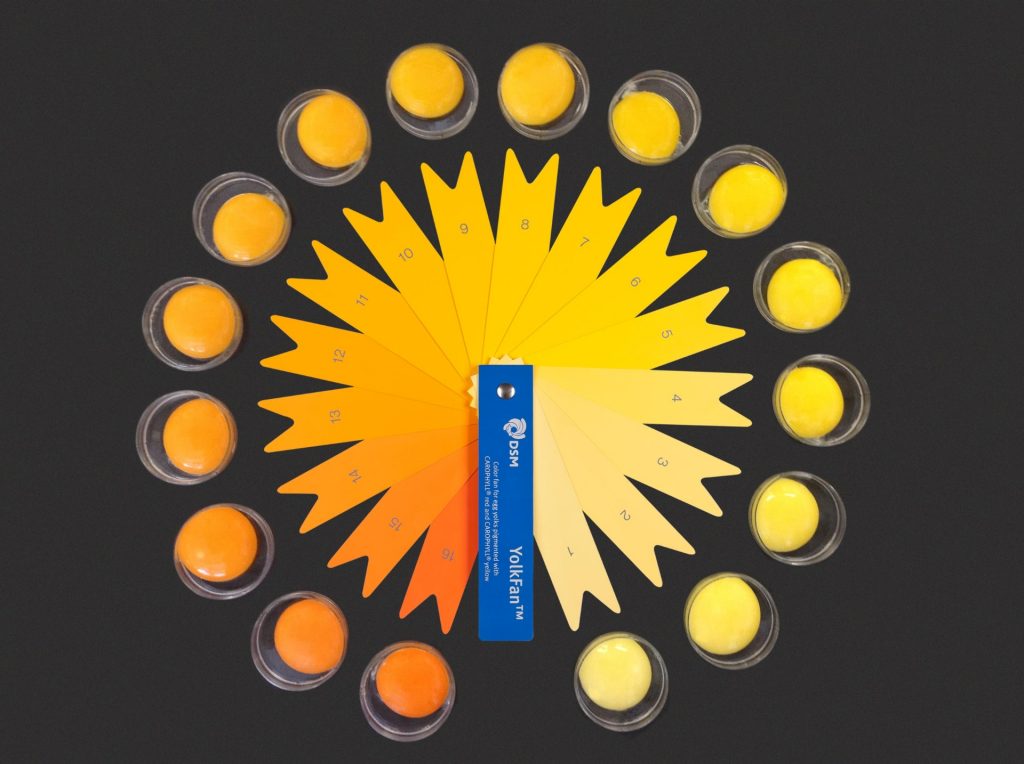
Arguably astaxanthin's most obvious virtue is its powerful yolk pigmentation effect.
- A brightly colored yolk is normally synonymous with freshness as well as greater nutrition, particularly in high-grade markets.
- Astaxanthin gives a deep reddish-orange color, more vivid than that resulting from conventional additives such as canthaxanthin or lutein.
- In trials, it has been found to deepen yolk color significantly in 10-14 days using 10 mg/kg diet.
This not only enhances consumer acceptability but also makes eggs distinctive in competitive retail markets.
2. Prevents Yolk from Oxidative Damage
The antioxidant activity of Astaxanthin is 550 times greater than that of vitamin E and 6000 times greater than that of vitamin C. This implies that it can:
- Prevent lipid oxidation of egg yolk
- Enhance shelf life as well as freshness
- Enhance the nutritional stability of the yolk
This is especially helpful in warm temperatures or long-term storage conditions, where egg freshness can be quick to degrade due to oxidative stress.
3. Enhances Yolk Nutritional Profile
Astaxanthin can enrich eggs with functional nutrients and enhance their worth as a value-added food. Astaxanthin-enriched eggs contain:
- Increased levels of omega-3 fatty acid content
- More antioxidant content in the yolk
- Enhanced vitamin A and carotenoid content
Nutritionally enhanced eggs are increasingly finding applications in health-oriented and premium markets.
4. Enhances Eggshell Quality
Although astaxanthin is not so associated with calcium metabolism, increased antioxidant protection enhances general egg development. Laying hen oxidative stress can interfere with shell integrity. By reducing stress:
- Thickeness and hardness of eggshell may be increased
- Cracked or thin-shelled egg occurrence is lessened
- Laying performance is made more stable
This is especially noted in older hens, where shell quality generally diminishes with age.
5. Increases Fertility and Hatchability (Breeder Hens)
In breeder flocks, egg quality encompasses embryo viability. Astaxanthin promotes reproductive health by:
- Enhancing hens' follicular growth
- Enhancing roosters' sperm viability (when supplemented in combination)
- Decreasing embryo mortality through antioxidant protection
In a 2018 Poultry Science study, improved hatchability and chick viability in breeder hens supplemented with 20 mg/kg astaxanthin were achieved, especially under stress.
Scientific Studies Supporting Astaxanthin for Egg Quality

Study 1: Yolk Color and Egg Quality (Poultry Science, 2008)
Researchers fed laying hens 0, 10, 20, and 40 mg/kg astaxanthin. Outcomes were:
- Increased yolk color score (Roche scale) dose-dependently
- No negative effect on egg production or bird health
- Increased antioxidant content in yolks
Study 2: Oxidation and Storage of Eggs (Journal of Applied Poultry Research, 2016)
- Eggs from birds fed astaxanthin were kept fresher longer when stored for 28 days, with:
- Reduced malondialdehyde (MDA) content
- Greater yolk firmness and stability

Study 3: Breeders' Reproductive Performance (Livestock Science, 2017)
Astaxanthin-supplemented breeder hens demonstrated:
- Enhanced fertilization and hatchability
- Better embryonic development
- Boosted antioxidant levels in egg yolks and embryos

Natural vs. Synthetic Astaxanthin: What's Better?
Natural Astaxanthin (microalgae-derived)
Better bioavailability and antioxidant action
Certified in organic or natural poultry production
Transfers extra micronutrients (e.g., fatty acids)
Synthetic Astaxanthin
- Less expensive for large-scale production
- Potentially lower biological activity
- Usually only applied for pigmentation
Conclusion: As far as egg quality (health and nutritional value) is concerned, natural astaxanthin is the preference even at the premium price.

How to Use Astaxanthin in Poultry Feed
Recommended Dosage:
- 10–30 mg/kg feed for antioxidant and color use
- Up to 80 mg/kg approved in certain countries in layers
- Dosage as needed depending on degree of desired yolk color intensity and egg quality objective
Available Forms:
- Microalgae-derived powder or extract
- Encapsulated beadlets for improved stability in feed
- Krill or shrimp meal (multifunctional, low levels)
Inclusion Strategy:
- Mix with complete layer or breeder mash
- Begin supplementation 2 weeks prior to desired effects
- Monitor yolk color scores regularly (Roche scale or DSM YolkFan™)
Is Astaxanthin Cost-Effective?
Although astaxanthin-particularly natural astaxanthin-is more costly than synthetic pigments, it has multifunctional benefits that are well worth the cost, including:
- Enhanced egg shelf-life
- Increased product appeal and marketability
- Lower veterinary and health-related costs
- Premium positioning for designer or functional eggs
Producers marketing to value-added egg markets can enjoy rich paybacks for their investment in astaxanthin.

Last Word: Is Astaxanthin Good for Egg Quality?
Yes, astaxanthin is good-and great for egg quality. If your interest is yolk color, antioxidant protection, nutrient level, or reproductive performance, astaxanthin offers a science-validated, natural solution that maximizes eggs' total value.
Key Takeaways
Astaxanthin is great for yolk color enhancement-a significant consumer driver of demand.
It contributes antioxidant value to yolks, with improvements in freshness and shelf-life.
Supplemented layer eggs are more nutritious, with greater value in health markets.
It preserves eggshell integrity and reproductive performance in layers and breeders.
Natural astaxanthin, although more expensive, provides superior health benefits and is suitable for premium egg production.


