Vitamin A is a vital animal nutrient that plays a key role in the preservation of sight, growth stimulation, immune processes, and reproduction. Vitamin A is employed heavily within animal feed, poultry feed, and pet food to avoid deficiencies and optimize animal performance. The applications of Vitamin A as a feed supplement, physiological action, advantages to various species of animals, symptoms of deficiency, and supplementation best practices are outlined within this article.
What is Vitamin A?
One of the fat-soluble vitamins, Vitamin A exists in two notable forms of relevance in animal nutrition:
Preformed Vitamin A (Retinol and Retinyl Esters): Present in animal foods.
Provitamin A Carotenoids (Beta-Carotene): Present in plant foods and are bio-transformed to Vitamin A by the organism.
Synthetic or natural retinyl acetate, retinyl palmitate, and beta-carotene are the most prevalent ones utilized in animal nutrition to supplement the diet for adequate intake of Vitamin A.

Why is Vitamin A so important to animal health?
1. Vision Health
Vitamin A participates in rhodopsin production, a retinal pigment that makes it possible for animals to see at night. Deficiency results in night blindness or poor vision in farm animals, poultry, and companion animals.
2. Immune Function
Vitamin A preserves epithelial tissue integrity-the body's first line of defense against infections in organs such as the respiratory and gastrointestinal tracts. It increases white blood cell function and antibody production, lowering resistance to infection.
3. Reproductive Function
Normal Vitamin A is required for:
- Male spermatogenesis
- Female ovary and placental development
- Prevention of fetal malformations and early embryonic death
4. Growth and Development
In young animals, Vitamin A initiates normal development of bones, bone remodeling, and soft tissue integrity. Deficiency will lead to arrested growth and skeletal deformities.
Applications of Vitamin A in Animal Species
1. Poultry
- Retains egg production and fertility
- Retains shell quality and viability of embryo
- Prevents keratinization of mucous membranes
- Decreases mortality due to respiratory infection
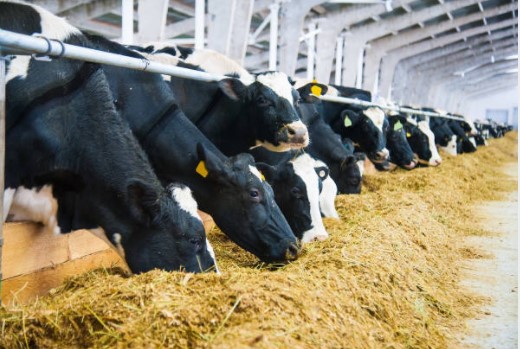
2. Cattle and Ruminants
- Increases growth rate and feed efficiency in calves
- Induces placental development in pregnant cattle
- Increases resistance to parasitic infection and to immunity
3. Swine
- Essential to sow productivity and boar fertility
- Guarantees healthy piglet growth
- Prevents rough coats, poor weight gain, and respiratory infection
4. Dogs and Cats
- Essential to vision, skin, and coat health
- Preserves immune function and cellular repair
- Guards against keratitis, conjunctivitis, and skin problems
5. Aquatic Animals (Shrimp and Fish)
- Improve growth performance
- Sustains health of immune system
- Decreases oxidative stress and enhances survival rate

Signs of Vitamin A Deficiency in Animals
Vitamin A deficiency will lead to a whole range of diseases, depending upon the animal species:
- Poultry: Xerophthalmia of the eyes, decreased hatchability, inferior feathering
- Cattle: Night blindness, scours coat, diarrhea, pneumonia
- Pigs: Eye disease, anorexia, scaling of skin
- Dogs/Cats: Eye discharge, loss of weight, susceptibility to diseases
- Fish: Abnormal swimming, stunted growth, increased disease prevalence
Supplementation Guidelines
Supplementation with Vitamin A in animal feed is species-specific, age-specific, stage-of-production-specific, and status-specific. Suggested daily rates (in IU/kg of diet) are as indicated below:
| Animal | Recommended Vitamin A Level (IU/kg) |
|---|---|
| Broilers | 5,000–15,000 |
| Layers | 8,000–12,000 |
| Swine (growers) | 3,000–10,000 |
| Cattle | 2,200–6,600 |
| Fish | 2,000–10,000 |
| Dogs/Cats | 5,000–10,000 |
Note: Avoid over-supplementation, particularly in monogastric animals such as dogs, cats, and pigs, as excess Vitamin A is toxic (hypervitaminosis A) to bone and liver.

Types of Vitamin A in Feed Supplements
For further stability and bioavailability, Vitamin A is fortified to feed in stabilized or encapsulated formats:
- Retinyl Acetate: General synthetic format
- Retinyl Palmitate: Sturdy ester variety
- Coated Vitamin A Powder: Extends shelf life in premixes
- Vitamin A Liquid Form: Applied in animal and aquatic diets
Natural Beta-Carotene: Algal or carrot origin, with antioxidant activity
Synergistic Nutrients
Some nutrients enhance Vitamin A activity in animal food:
- Zinc: Essential for retinol-binding protein synthesis
- Vitamin E: Acts as an antioxidant to protect Vitamin A
- Fat (Lipids): Needed for absorption of this fat-solvent vitamin
Proper combination in the right proportion ensures that these nutrients are utilized to the maximum.

Sourcing and Quality Control
When purchasing Vitamin A feed additives, consider the following points:
- Purity and Stability: Ensure that the additive retains stability while storage and processing.
- Bioavailability: Use products that have been proven absorption efficiency.
- Regulatory Compliance: Meet domestic and foreign feed safety laws (e.g., AAFCO, EU feed law).
- Responsible Supplier: Use suppliers that furnish full COAs and product tracing.
Conclusion
Vitamin A is still the central theme of animal nutrition, ensuring vision, immunity, reproduction, and growth in all the important livestock, poultry, aquaculture, and pets. Daily supplementation through the addition of formulated balanced rations forestalls deficiency diseases, enhances production, and forms part of ensuring animal health. Used in combination with other nutrients and sourced from stable sources, Vitamin A is an effective means to achieving strong animal health and performance.
References
McDowell, L. R. (2000). Vitamins in Animal and Human Nutrition. Iowa State University Press.
NRC (National Research Council). (1994). Nutrient Requirements of Poultry. National Academies Press.
NRC (1998). Nutrient Requirements of Swine. 10th Edition. National Academies Press.
EFSA Panel on Additives and Products or Substances used in Animal Feed (FEEDAP). (2017). Scientific Opinion on the safety and efficacy of Vitamin A in animal nutrition. EFSA Journal, 15(10):5028.
McNamara, J.P., & Hill, G.M. (2010). Nutritional regulation of immune function in cattle and pigs. Animal Health Research Reviews, 11(2), 125–145.