In contemporary animal nutrition, the need for strong, stable, and efficient antioxidants has grown exponentially-particularly in animal feed manufacturing for animals, poultry, and pets. Ascorbyl Palmitate is one of those products that are well-appreciated in the industry relative to others. Well-reputed for its utility of combining the power of vitamin C and palmitic acid, the fat-soluble antioxidant is increasingly utilized to supplement animal health, stabilize feed, and reduce oxidative stress in animals.
In this blog, we'll explore what ascorbyl palmitate powder is, how it works, and the ways it benefits animal health across different species.
What Is Ascorbyl Palmitate?
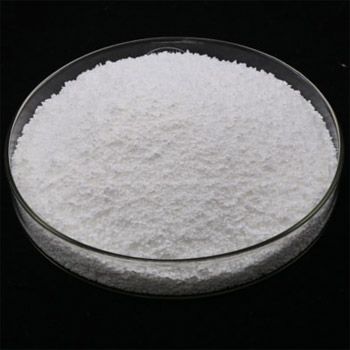
Ascorbyl Palmitate (AP) is an oil-soluble derivative of ascorbic acid. It is synthesized by a chemical reaction between palmitic acid (saturated fatty acid) and ascorbic acid. The resulting product has retained the vitamin C antioxidant property and acquired lipophilic nature, hence proving to be better than water-soluble vitamin C in some uses.
Major Features:
- Fat-soluble antioxidant
- Stability over pure ascorbic acid
- Activity in water and lipid phases
- Narrow application in food, drugs, and animal feed
Ascorbyl palmitate is incorporated in animal feeds in powder form since it is fat- and oil-soluble as well as stable.

Why Do Animals Need Antioxidant Support?
Intensive animal rearing and pet ownership subject animals to:
- Heat stress
- Pathogen-induced oxidative stress
- High-performance stresses
- Toxins or contaminants
- Low-quality fats or rancid feed
Diseases like these raise the concentration of free radicals, which can harm cells, slow growth, suppress immunity, and lower feed quality. Antioxidants such as ascorbyl palmitate are key factors in neutralizing such free radicals and safeguarding animal feeds and tissue against oxidation damage.
Important Advantages of Ascorbyl Palmitate in Animal Health
1. Faultless Antioxidant Defense
Ascorbyl palmitate preserves cell membranes, lipids, and fat-soluble vitamins (vitamin A and E) from oxidative degradation. This is beneficial to:
- Avoid tissue damage
- Minimize cellular stress
- Enhance overall health and vitality
Its fat solubility enables it to act in lipid-rich membranes in which water-soluble vitamin C cannot penetrate as well.
2. Enhance Feed Stability and Shelf Life
In feed production, ascorbyl palmitate is used in preventing the oxidation of fats and oils, particularly in fatty foods like fish feeds, livestock feed premixes, and pet treats. It:
- Maintains nutrient integrity
- Prevents rancidity
- Reduces risk of toxin formation
It finds widespread use in:
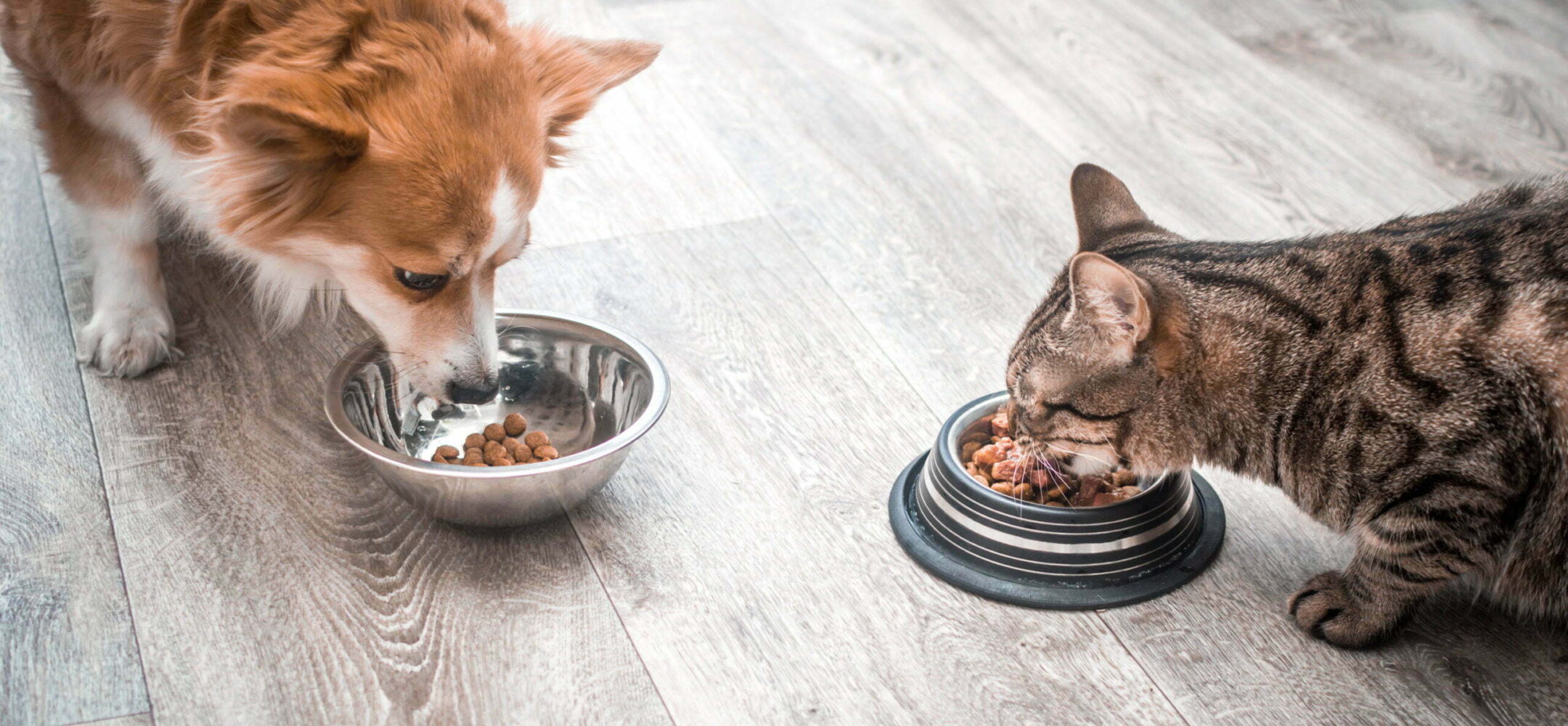
- Dog and cat pet foods
- Aquaculture feed
- Poultry premixes
Animal supplements containing fish or vegetable oils
3. Strengthens Immune Function
Being a vitamin C derivative, ascorbyl palmitate strengthens the immune function by:
- Activation of white blood cells
- Development of resistance to infection
- Spooling up tissue repair
It is especially of value in stressed animals, vaccination, or convalescence.
4. Maintaining Skin and Coat Health
In domestic animals such as dogs and cats, ascorbyl palmitate helps:
- Collagen synthesis
- Normal skin structure
- Reduced inflammation
Its antioxidant function preserves soft, shiny coats and protects against oxidative damage to the skin, especially in sun-, allergen-, and environment-toxin-stressed pets.
5. Mitigation of Heat Stress in Poultry and Livestock
Scientific evidence suggests that antioxidants like ascorbyl palmitate can be used to reduce the impact of heat stress in broilers, layers, and pigs through:
- Reduction of oxidative stress
- Improvement of adrenal function
- Sustaining feed intake and productivity
Introducing antioxidant supplementation is particularly important in tropics or summer months when cattle experience metabolic disorders due to heat stress.
6. Growth and Feed Efficiency Promotion
By preventing tissue damage from oxidation and by keeping cells healthy, ascorbyl palmitate is responsible for:
- Aids in weight gain
- Aids in feed efficiency
- Aids in nutrient absorption
Cattle breeds that have high growth rates like broilers, pigs, and aqua fish are the beneficiaries of this.

Species-Specific Applications
Pets: Dogs and Cats
- In pet foods as an antioxidant stabilizer
- Promotes skin, immune, and joint health
- Reduces arthritic or old animal inflammation
Poultry
- Reduces oxidative stress in performance birds
- Maintains egg quality, shell integrity, and layer performance
- Increases broiler growth
Swine
- Maintains gut lining and immune status
- Maintains sow reproductive performance
- Maintains piglet growth and stress recovery
Aquaculture
- Antioxidizes lipid feeds
- Maintains liver function, growth rate
- Improve water quality by preventing rancid feed decomposition

Dosage and Usage
Though optimal dosing is species- and purpose-dependent, the following are general guidelines:
| Species | Dosage Range (mg/kg feed) |
|---|---|
| Dogs/Cats | 50–150 mg/kg |
| Poultry | 100–300 mg/kg |
| Swine | 100–200 mg/kg |
| Aquaculture | 150–300 mg/kg |
Refer to product specifications and a veterinary nutritionist in formulating feeds or supplements.
Is Ascorbyl Palmitate Safe?
Yes-ascorbyl palmitate is GRAS and non-toxic when used properly. It is properly tolerated by all animal species with minimal side effects. Overdosing is not likely but may cause:
- Minor gastrointestinal irritation
- Nutritional imbalance of the ratio of nutrients when used with high-dose synthetic antioxidant
- Ascorbyl palmitate must be stored in dry, cool places away from light and oxygen for optimum effect.

Final Thoughts
Ascorbyl Palmitate powder is an extremely popular ingredient in modern animal nutrition. With the double advantage of antioxidant protection and oil solubility, it fuels immune function, inhibits oxidative stress, and enhances animal feed and supplement stability. Whether you're working with livestock, developing pet foods, or developing aquaculture products, this oil-soluble, stable form of vitamin C gives animals and the foods they eat powerful, enduring protection.
By selecting high-quality ascorbyl palmitate and applying it wisely, you can improve health, improve performance, and minimize use of artificial preservatives-a triple win for animals, producers, and pet owners.
References
National Research Council. (2005). Vitamin C in Animal Nutrition. Nutrient Requirements of Animals.
Zhang, Y., et al. (2011). "Effects of dietary vitamin C supplementation on growth performance and antioxidant status in broilers under heat stress." Poultry Science, 90(2), 351–356.
EFSA Panel on Additives and Products or Substances used in Animal Feed (FEEDAP). (2014). Scientific opinion on the safety and efficacy of ascorbyl palmitate as a feed additive.
Machlin, L. J., & Bendich, A. (1987). "Free radical tissue damage: Protective role of antioxidant nutrients." FASEB Journal, 1(6), 441–445.