


In contemporary poultry production, egg quality optimization is crucial-not only for customer satisfaction but also for profitability. As the market demand for natural feed additives increases, Astaxanthin has surfaced as an effective ingredient with outstanding advantages. With its rich red color and high antioxidant potency, this naturally occurring carotenoid is already utilized to optimize egg quality in laying hens.
But just how does Astaxanthin impact eggs? And why are more chicken producers incorporating it as a feed supplement?
In this blog, we delve into how Astaxanthin enhances egg quality, its impact on yolk color, nutritional balance, shelf life, and hen health overall.
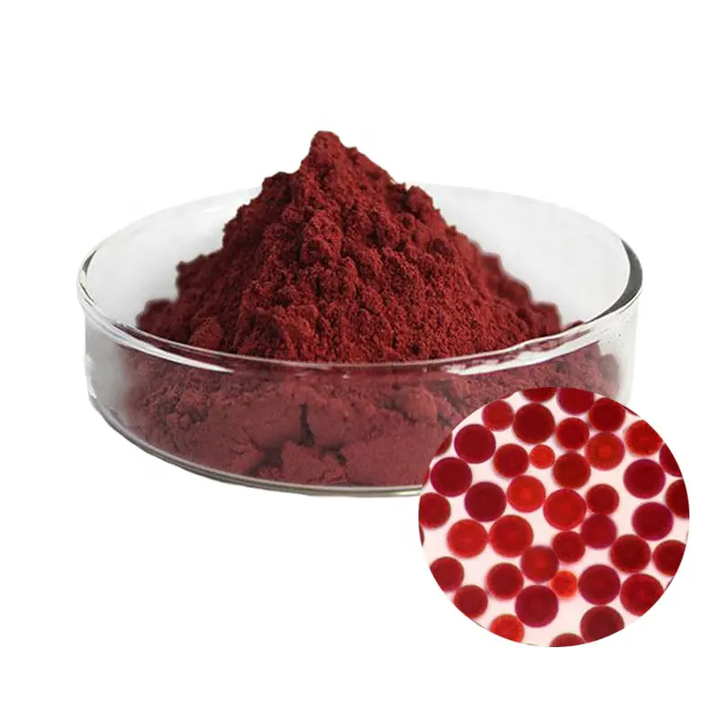
What Is Astaxanthin?
Astaxanthin is a red-orange carotenoid pigment which is mostly obtained from the microalga Haematococcus pluvialis. It also occurs in some marine animals, such as shrimp, krill, and salmon.
In contrast to synthetic pigments or certain traditional carotenoids, Astaxanthin is both a natural pigment and a strong antioxidant, providing double advantages when supplemented in poultry diets.
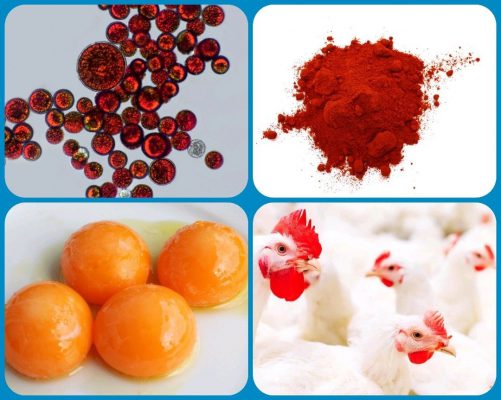
What Is Egg Quality and Why Does It Matter?
Egg quality describes internal and external attributes that affect consumer preference and product worth. These include:
Yolk color
- Shell strength and thickness
- Egg freshness (albumen height and Haugh unit)
- Nutritional composition (particularly fatty acids and antioxidants)
Enhancing egg quality results in:
- Increased market attractiveness
- Enhanced shelf life
- Increased nutritional content
- Enhanced welfare and productivity of animals
Astaxanthin directly and indirectly improves most of these parameters.

Major Advantages of Astaxanthin for Egg Quality in Poultry
1. Increases Yolk Pigmentation
One of the more obvious advantages of Astaxanthin in poultry feed is that it deepens yolk color.
- It yields a rich yellow to orange-red yolk, which is greatly sought after in many markets.
- Consumers tend to connect darker yolks with improved nutrition and freshness.
- Astaxanthin is a better performer than a lot of conventional pigments such as lutein or zeaxanthin.
Study Spotlight: A study conducted in Poultry Science (2006) demonstrated that hens supplemented with Astaxanthin had far redder yolk color than those consuming synthetic pigments.
2. Enhances Nutritional Value of Eggs
Astaxanthin-enhanced eggs contain superior nutritional quality, such as:
- Increased antioxidant levels
- Higher levels of omega-3 fatty acids (in combination with other sources of fatty acids)
- Enhanced vitamin A and E stability
These functional eggs are sold as such, providing human consumers with:
- Decreased oxidative stress
- Eye and cardiovascular health
- Improved immune health
3. Extends Egg Freshness and Shelf Life
Since Astaxanthin is an effective antioxidant, it:
- Decreases lipid peroxidation in the yolk
- Decreases the breakdown of unsaturated fats
- Pretends albumen (egg white) height, which is a freshness indicator
This translates to eggs remaining fresh for longer, even in suboptimal storage conditions-perfect for commercial transport and export markets.
4. Enhances Shell Strength and Quality (Indirectly)
While Astaxanthin does not directly impart into the shell, its capacity to mitigate oxidative stress in hens may result in:
- Enhanced calcium metabolism
- Optimized nutrient absorption
- Increased hen overall health
This all helps result in stronger eggshells and decreased breakage.
5. Enhances Hen Immunity and Productivity
Astaxanthin supplementation aids in:
- Immune modulation
- Reproductive hormone balance
- Stress reduction (particularly heat or disease stress)
Healthy hens produce eggs more regularly, with improved egg quality over time.
In a 2011 study, supplemented hens with natural Astaxanthin had enhanced laying performance and reduced occurrences of egg abnormalities.

Mechanisms: How Does Astaxanthin Act in Hens?
Astaxanthin acts by:
- Scavenging free radicals from cell membranes
- Shielding reproductive organs and follicles
- Boosting immune response
- Facilitating lipid metabolism and yolk formation
Since it is fat-soluble, Astaxanthin gets stored in fatty tissues such as:
- Yolks
- Liver
- Ovaries
This enables it to have a targeted impact on egg production and quality.
How to Use Astaxanthin in Poultry Feed
Suggested Dosage:
- 3–10 mg/kg of feed for laying hens
- Low doses (3–5 mg/kg) enhance yolk color
- High doses (6–10 mg/kg) enhance antioxidant effects and egg nutrition
Formulations:
- Feed-grade Astaxanthin powder
- Microencapsulated Astaxanthin for stability
- Krill meal or oil (naturally occurring source of Astaxanthin)
Astaxanthin may be blended with other components such as:
- Lutein or marigold extract (for color)
- Vitamin E (to enhance antioxidant synergy)
- Flaxseed or algae oils (for omega-3 fortification)

Commercial Value of Astaxanthin-Enriched Eggs
Astaxanthin-enriched eggs are sold as premium eggs, with attributes such as:
- Antioxidant-rich
- High in natural carotenoids
- Functional eggs for heart and eye health
These eggs tend to command higher retail prices and are favored in:
- Health-conscious urban markets
- Organic/natural food retailers
- Export markets demanding longer shelf-life products

Final Thoughts: Is Astaxanthin Worth Adding to Layer Diets?
Yes. As a natural, multi-functional feed additive, Astaxanthin enhances:
- Yolk color and attractiveness
- Egg nutrition
- Shelf stability
- Hen performance
Plus, it provides a green alternative to synthetic colors and antibiotics-well within the sustainable poultry production paradigm.
Whether commercial egg producer, breeder, or creating a specialty layer feed, Astaxanthin delivers long-term value with demonstrable performance and consumer acceptance.
References
Liu, X., et al. (2006). Effect of dietary astaxanthin on the performance and egg quality of laying hens. Poultry Science.
Hussein, G., et al. (2006). Astaxanthin as a powerful antioxidant and its role in poultry reproduction. Journal of Poultry Research.
Ambati, R. R., et al. (2014). Astaxanthin: Sources, stability, biological activities, and commercial applications. Marine Drugs.


