As dog owners become more proactive about nutrition and long-term health, interest in natural antioxidants has grown rapidly. One supplement attracting serious attention is astaxanthin-a powerful red carotenoid known for its antioxidant and anti-inflammatory properties.
But what exactly can astaxanthin do for dogs, and is it truly worth adding to your pet's diet?
This article explores how astaxanthin works, the benefits it offers for dogs, safety considerations, dosage guidance, and when it is most effective.
What is astaxanthin?
Astaxanthin is a powerful natural antioxidant found in:
- Microalgae
- Krill and shrimp
- Salmon and trout
It gives fish and seafood their pinkish-red color. More importantly, it protects their cells from damage, supports immune health, and reduces inflammation.
Unlike many antioxidants, astaxanthin crosses cell membranes and protects both inside and outside of cells, making it exceptionally effective for whole-body support.

How Astaxanthin Works in Dogs
The cellular mechanisms of action of astaxanthin include the following:
1. Free Radical Neutralization
Dogs, like humans, produce free radicals from stress, exercise, pollution, and aging. Astaxanthin helps neutralize these substances, reducing cellular damage.
2. Anti-Inflammatory Activity
Chronic inflammation is responsible for joint stiffness, skin irritation, digestive problems, and immune imbalance. Astaxanthin reduces inflammation naturally without suppressing healthy immune responses.
3. Mitochondrial Health Support
Astaxanthin improves energy production within cells, leading to better vitality and stamina.
4. Enhanced Immune Defense
It stimulates immune cells and helps dogs fight infection and recover faster.

Astaxanthin in Canines: Potential Benefits
Joint Mobility and Arthritis Support
Astaxanthin helps reduce joint inflammation and oxidative damage in cartilage. This makes it especially useful for:
- Older dogs
- Large breeds
- Active or working dogs
- Arthritis in Dogs
The owners reported increased mobility, less stiffness, with improved activity levels.
Skin and Coat Health
Astaxanthin supports:
- Decreased pruritus and erythema
- Improved skin hydration
- Shinier coat
- Protection against UV damage
This helps prevent cases of skin allergies among dogs or dry skin cases.
Heart and Circulation Support
Astaxanthin:
- Improves blood circulation
- It protects blood vessels from damage.
- Healthy cholesterol metabolism supported
Therefore, this results in good cardiovascular health, in particular to aging dogs.
Immune System Support
The dogs are aided by Astaxanthin provided.
- Fight infection
- Recover way faster
- Acquire immunological stability
- Reduce inflammation-related illness
Brain and Eye Health
Astaxanthin crosses the blood-brain and blood-retinal barriers by supporting
- Memorization and learning
- Eye health
- Clarity of vision
- Nerve integrity
Digestive Support
It may improve digestion and nutrient absorption by reducing inflammation in the gut lining.

Is Astaxanthin Safe for Dogs?
Yes, astaxanthin is safe when administered appropriately.
It is:
- Natural
- Nontoxic
- Residue free
- Available for use daily
- Well tolerated
Side effects are extremely rare and usually related to overdosing, such as mild stool discoloration.

Recommended Dosage in Dogs
General rule of thumb concerning body weight:
| Dog Weight | Suggested Daily Dose |
|---|---|
| Under 10 kg | 1–2 mg |
| 10–25 kg | 2–4 mg |
| Over 25 kg | 4–8 mg |
For therapeutic use (joints, immune support), higher doses may be used under veterinary guidance.
Astaxanthin is fat-soluble, so it should be given with meals containing fat for best absorption.

Astaxanthin: Natural and Synthetic
Preferred is natural astaxanthin from microalgae, since it is:
- More bioavailable
- More stable
- Better researched
Although artificial forms do exist, they are less effective when used for health purposes.

How Long Actually Does it Take to See Results?
Typically:
- 1–2 weeks: More energy, less inflammation
- 3–6 weeks: improved skin, coat and joints
- 2–3 months: general immune and ageing support

When Should Astaxanthin Be Administered to Dogs?
Astaxanthin is used for:
- Dogs: immunological development
- Adult dogs (maintenance)
- Elderly dogs (geriatric support)
- High-performance dogs
Arthritis or Skin Problematic Dogs
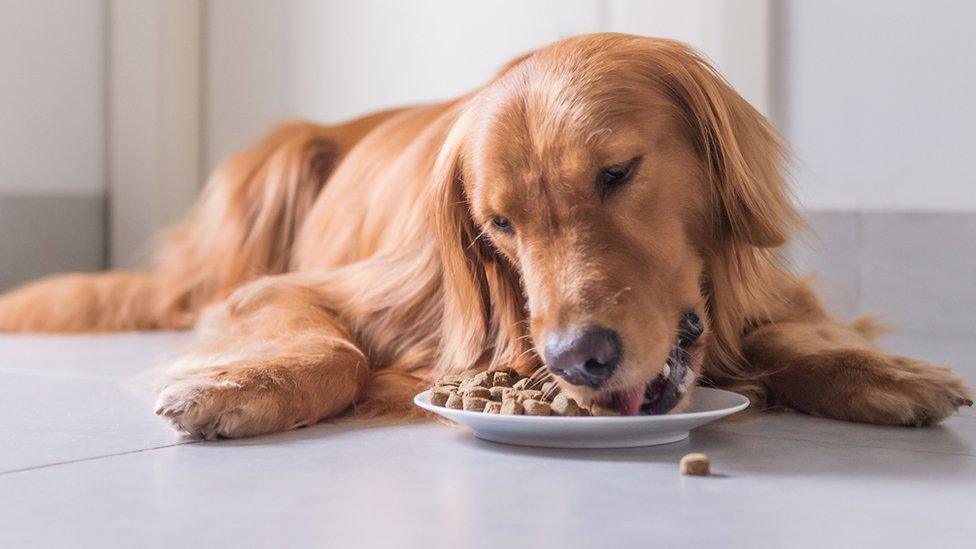
Should You Give Astaxanthin to Your Dog?
Yes-especially if your dog:
Is aging
- Is highly active
- Has joint problems
- Has skin allergies
- Needs immune support
Astaxanthin is not a quick fix, but a long-term health investment.

Final Verdict: Is Astaxanthin Good for Dogs?
Yes, astaxanthin is one of the most effective natural supplements for dogs today. It supports mobility, immunity, skin health, heart function, and cognitive performance. Its safety profile and effectiveness make it an excellent addition to a dog's nutritional plan.