Astaxanthin is often called the "king of antioxidants," and for good reason. This powerful red pigment not only gives certain seafood its vibrant color but also plays a critical role in protecting cells from damage, reducing inflammation, and supporting overall health.
While astaxanthin supplements are popular, many people prefer to get their nutrients from food first. So what foods are naturally rich in astaxanthin? And how effective are they?
Let's explore the best dietary sources, their benefits, and how to include them in your diet.
What is astaxanthin?
Astaxanthin is a naturally occurring carotenoid found mainly in marine organisms. It is produced by microalgae and then travels up the food chain into fish and shellfish.
It is responsible for pink, red, and orange color in:
- Salmon
- Trout
- Shrimps
- Lobster
- Krill
- Flamingos
But astaxanthin is far more than a pigment. It is a potent antioxidant that protects cells against oxidative stress.

Astaxanthin: Why is it that important to health?
Astaxanthin has a positive influence on almost everything that pertains to the human body.
Antioxidant protection
It neutralizes harmful free radicals more efficiently than many common antioxidants.
Anti-Inflammatory Activity
It reduces the inflammation of arthritis, heart disease, and skin conditions.
Brain and Eye Health
It also supports vision, memory, and nervous system functioning.
Healthy Skin
Astaxanthin reduces wrinkles and may protect against UV damage.
Heart health
It supports healthy circulation and cholesterol balance.
Immune Support
This means the strengthening of immune defenses, enabling the combat against infection.
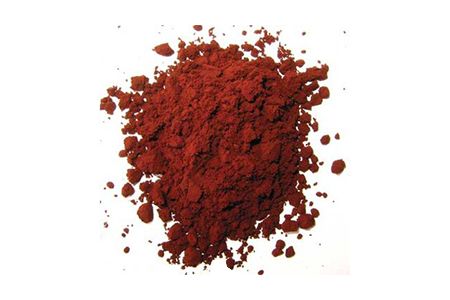
Best Astaxanthin-Rich Foods
These are among the best food sources of
1. Wild-caught salmon
Salmon is considered one of the most abundant sources of astaxanthin.
Why it helps:
- High astaxanthin
- Rich in Omega-3 fatty acids
- Excellent source of proteins
Wild salmon generally possesses more astaxanthin than farmed fish.
2. Krill
Krill are small crustaceans that naturally accumulate astaxanthin from algae.
Advantages:
- Intensely rich in astaxanthin
- contains omega-3s attached to phospholipids
- More nutrition is absorbed.
Most krill oil supplements boast their astaxanthin content.
3. Shrimp
Astaxanthin is obtained in shrimps from planktons and algae.
Benefits:
- Easily available worldwide
- Good source of low-fat protein
- It makes the shells and flesh pink when cooked.
4. Lobster
In lobster, astaxanthin is bound to protein complexes.
This is the pigment responsible for the famous red color of the variety, released by cooking.
5. Crayfish
Crayfish, also called crawfish or freshwater lobster, contain astaxanthin in their shells and muscle tissue.
6. Red Trout / Arctic Char
These fish, relatives of salmon, have similar coloring and nutritional properties.

Plant sources: Does Astaxanthin come from vegetables?
Unlike β-carotene or lutein, Astaxanthin does not exist in vegetables.
It does produce it naturally in the microalgae.
Among plants, the richest source is
Haematococcus pluvialis (microalgae)
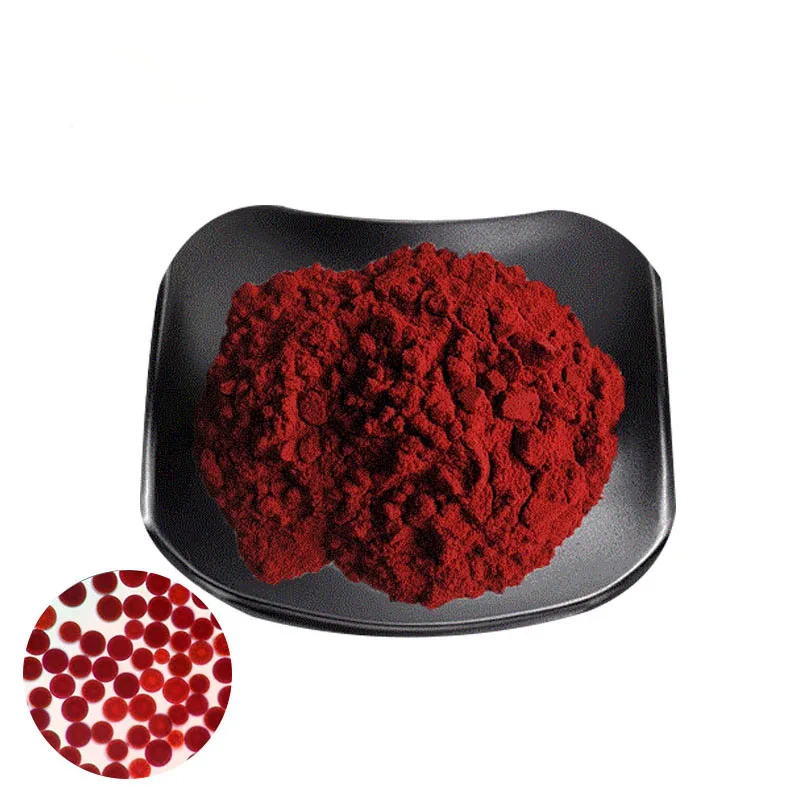
This freshwater algae can contain extremely high concentrations of natural astaxanthin and is the primary source used in supplements.

How Much Astaxanthin Is There in Food?
Amounts vary between species and depend on diet and environment.
Approximate values:
| Food | Astaxanthin Content (µg/100 g) |
|---|---|
| Wild salmon | 1,000–4,000 |
| Farmed salmon | 500–1,500 |
| Shrimp | 100–500 |
| Lobster | 150–400 |
| Krill | Very high |
Cooking does not denature astaxanthin; overcooking reduces the level slightly.

Are Food Sources Enough?
Yes and no.
You can get meaningful astaxanthin from seafood if you consume it regularly. However:
- Most people do not eat seafood every day.
- Amounts vary
- Supplements have standard dosing.
If your goal is therapeutic or high-level antioxidant support, food alone may not provide sufficient amounts.

Astaxanthin: Natural vs Synthetic
So, most natural astaxanthin is from algae.
Synthetic forms are often used in aquaculture but are rarely recommended for supplements.
Natural forms possess:
- Better absorp-tion
- ANS: Greater antioxidant effect
- Further support from research

Safe Consumption of Foods Containing Astaxanthin
Suggestions:
- Choose wild-caught fish when available
- Do not overcook
- Include healthy fats to help absorb
- Balance intake of seafood, in order to avoid heavy metals
- Rotate types of seafood

Who Benefits Most from Astaxanthin-Rich Foods?
People who may benefit include:
- Athletes
- Seniors
- People with joint pain
- Individuals with eye strain
- Those with skin concerns
Anyone exposed to pollution or high stressc
Final Thoughts
Astaxanthin-rich foods pack more than color; they also bring potent health protection. If your diet includes salmon, shrimp, krill, or other red seafood, you are already consuming one of nature's strongest antioxidants. Still, if consistent intake is difficult, a high-quality astaxanthin supplement may be helpful.