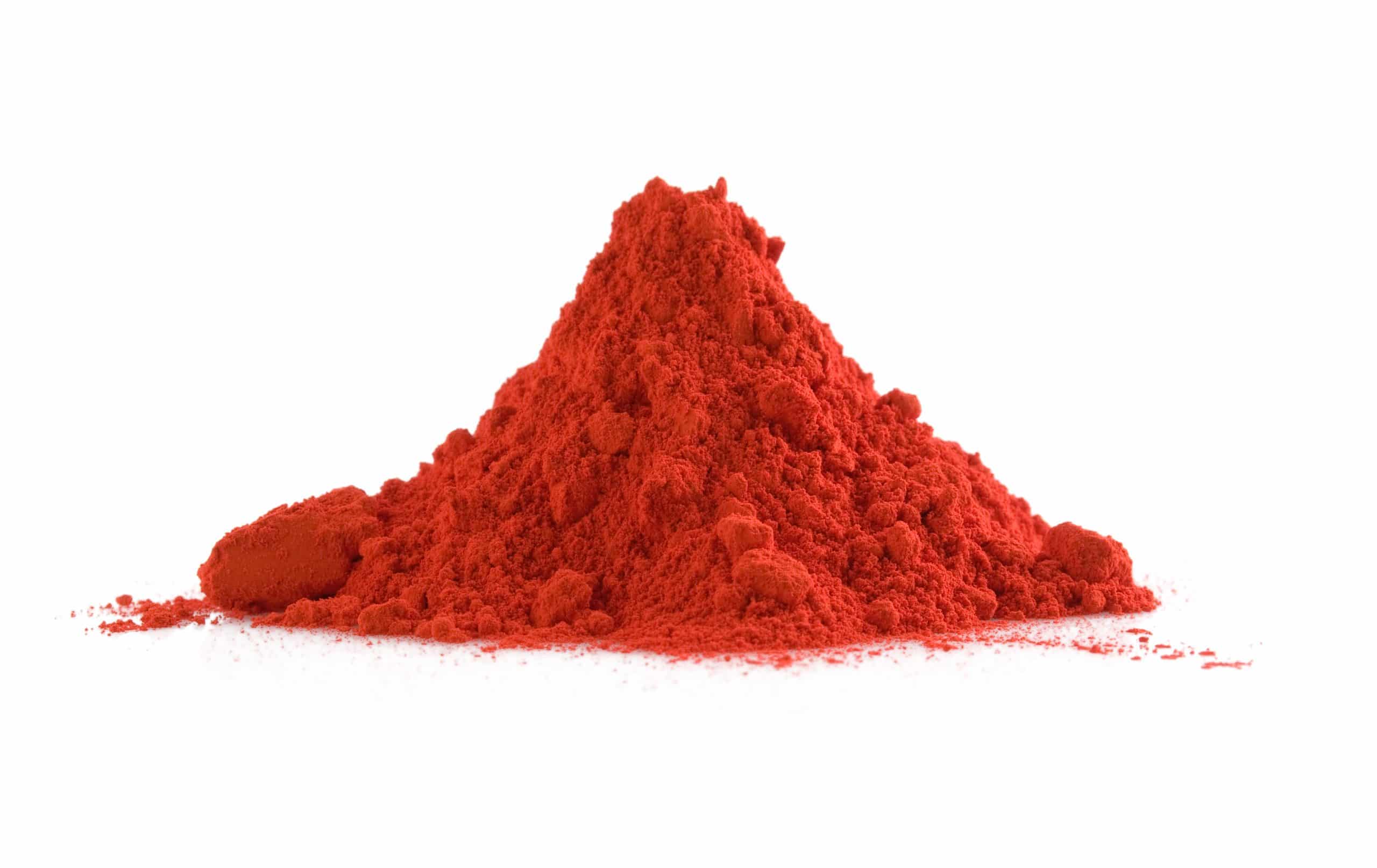
Astaxanthin, a naturally occurring carotenoid pigment found in microalgae, yeast, salmon, shrimp, and krill, is one of the most powerful natural antioxidants known in nature. Over the years, astaxanthin powder has gained recognition not only as a nutritional supplement for humans but also as a valuable feed additive in animal nutrition. Its exceptional antioxidant and anti-inflammatory properties help improve overall animal health, growth performance, and immunity. This blog explores how astaxanthin powder enhances animal strength and immune defense, making it a key ingredient for promoting wellness in livestock, poultry, aquaculture, and pets.
Understanding Astaxanthin and Its Role in Animal Health
Astaxanthin belongs to the xanthophyll group of carotenoids, known for their vibrant red-orange color and potent antioxidant activity. Unlike other carotenoids, astaxanthin does not convert into vitamin A, which makes it safe even at higher supplementation levels. Its unique molecular structure allows it to cross cell membranes easily, protecting cells from oxidative stress on both the inner and outer layers.
For animals, oxidative stress-caused by heat, toxins, or disease-can lead to inflammation, reduced growth, and weakened immune responses. Astaxanthin neutralizes reactive oxygen species (ROS), preventing cellular damage and supporting optimal physiological functions.
Enhancing Immune Function
One of the most remarkable benefits of astaxanthin powder is its ability to strengthen the immune system. Studies have shown that astaxanthin boosts both innate and adaptive immunity by:
- Increasing the activity of natural killer (NK) cells, which help fight infections.
- Enhancing the production of antibodies.
- Supporting macrophage activity, aiding in pathogen destruction.
In poultry and livestock, astaxanthin supplementation has been linked to reduced incidence of infections, improved vaccine response, and better resistance to stress. In aquaculture species like fish and shrimp, astaxanthin enhances immune-related gene expression and promotes faster recovery from disease challenges.
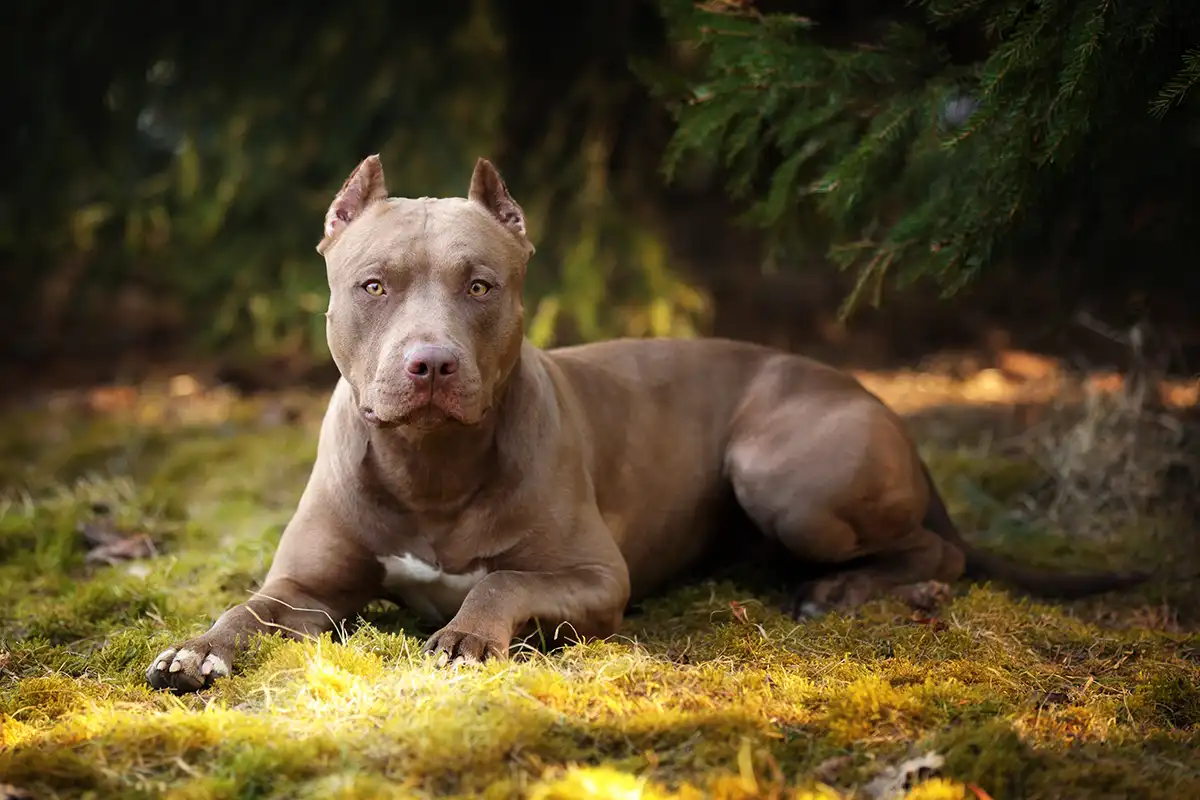
For pets such as dogs and cats, astaxanthin supports immune balance by reducing inflammation and oxidative stress, particularly beneficial for older animals prone to immune decline.

Improving Muscle Strength and Endurance
Astaxanthin's role in enhancing animal strength is tied to its effects on energy metabolism and muscle protection. In animals under intensive farming or performance stress, muscle fatigue is often associated with oxidative damage and inflammation.
Astaxanthin helps by:
- Reducing lactic acid buildup, leading to less muscle fatigue.
- Enhancing mitochondrial function, improving energy production.
- Protecting muscle fibers from oxidative stress and inflammation.
In studies involving broiler chickens, the addition of astaxanthin improved muscle performance, meat quality, and oxidative stability, leading to firmer and more nutritious meat. Similarly, livestock and aquaculture species showed better growth rates and feed conversion ratios, reflecting improved physical condition and energy utilization.
Supporting Reproductive Health and Fertility
Astaxanthin's antioxidant protection extends to reproductive tissues as well. In breeding animals, oxidative stress can negatively affect sperm quality, egg production, and embryo survival. Supplementing with astaxanthin has been shown to:
- Improve sperm motility and viability in male animals.
- Enhance egg yolk pigmentation and hatchability in poultry.
- Support reproductive hormone balance and fertility performance.
By maintaining cellular integrity and preventing oxidative damage, astaxanthin contributes to healthier offspring and stronger reproductive success rates in both livestock and aquaculture systems.

Boosting Skin, Feather, and Coat Quality
Astaxanthin is also valued for improving skin and coat condition in pets and animals. As a carotenoid pigment, it promotes vibrant coloration in fish and shrimp-an important quality trait in aquaculture. In poultry, it enhances yolk color and feather brightness, while in pets, it contributes to glossy coats and healthy skin through its anti-inflammatory and antioxidant effects.

Application in Animal Feed
Astaxanthin powder is used as a feed additive across different animal species:
- Poultry – Improves egg yolk pigmentation, enhances growth performance, and supports immune response.
- Livestock – Reduces oxidative stress, supports reproductive performance, and improves meat quality.
- Aquaculture – Promotes pigmentation, strengthens immune defense, and increases stress tolerance.
- Pets – Enhances coat health, joint protection, and immune resilience.
The recommended dosage varies depending on species and feed formulation. Typically, 5–100 mg/kg of feed is effective, depending on animal type and desired benefits.

Eco-Friendly and Sustainable Source
Natural astaxanthin is commonly derived from Haematococcus pluvialis, a microalga known to produce high concentrations of the pigment. Compared to synthetic astaxanthin, the natural form has superior antioxidant activity and is safer for long-term use. Choosing natural astaxanthin powder contributes to sustainable feed practices, reducing dependence on synthetic chemicals.

Conclusion
Astaxanthin powder is far more than a feed colorant-it is a functional nutrient that plays a key role in improving animal strength, immunity, and overall performance. Its antioxidant and anti-inflammatory effects help protect cells, support metabolism, and enhance animal well-being.
Whether in livestock, poultry, aquaculture, or pets, astaxanthin supplementation offers measurable benefits, including better growth rates, stronger immunity, superior meat or egg quality, and improved resilience against stress. As the livestock and pet nutrition industries move toward natural and sustainable ingredients, astaxanthin powder stands out as a safe, effective, and eco-friendly solution for promoting animal health and productivity.
References
Ambati, R. R., Moi, P. S., Ravi, S., & Aswathanarayana, R. G. (2014). Astaxanthin: sources, extraction, stability, biological activities and its commercial applications-A review. Marine Drugs, 12(1), 128–152.
Park, J. S., Chyun, J. H., Kim, Y. K., Line, L. L., & Chew, B. P. (2010). Astaxanthin decreased oxidative stress and inflammation and enhanced immune response in humans. Nutrition & Metabolism, 7, 18.
Hussein, G., Sankawa, U., Goto, H., Matsumoto, K., & Watanabe, H. (2006). Astaxanthin, a carotenoid with potential in human health and nutrition. Journal of Natural Products, 69(3), 443–449.
Lim, K. C., Yusoff, F. M., Shariff, M., & Kamarudin, M. S. (2018). Astaxanthin as feed supplement in aquaculture: A review. Reviews in Aquaculture, 10(3), 738–773.
Palozza, P., Krinsky, N. I. (1992). Astaxanthin and canthaxanthin are potent antioxidants in a membrane model. Archives of Biochemistry and Biophysics, 297(2), 291–295.