In modern animal nutrition, health-promoting and performance-enhancing natural antioxidants are increasingly a focus of interest. Among these, natural astaxanthin powder is generally regarded as one of the most powerful and multi-functional bioactive compounds available. Sourced from various microalgae, especially Haematococcus pluvialis, astaxanthin affords strong protection against oxidative stress, enabling immune function and well-being not only in farm animals and poultry but also in aquaculture species and pets.
The article covers the ways in which natural astaxanthin powder is supporting animal wellness, what benefits accrue to the different species, and why it is fast becoming a preferred additive in sustainable animal nutrition.
What Is Natural Astaxanthin Powder?
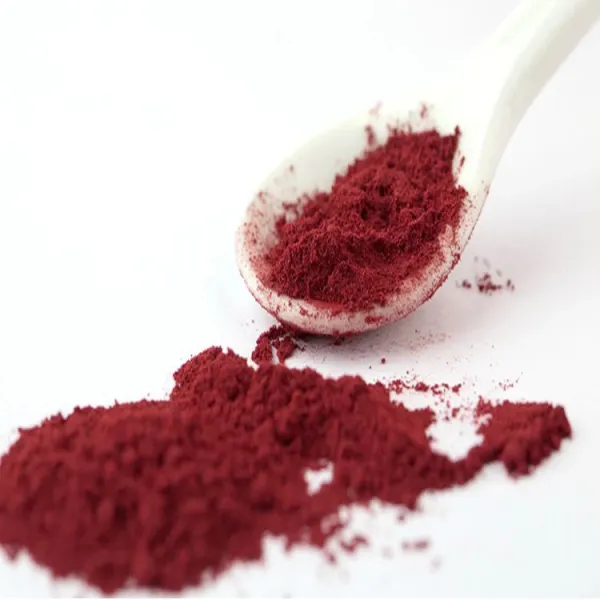
Astaxanthin is a naturally occurring carotenoid pigment, belonging to the same family as beta-carotene and lutein. It is responsible for the reddish-pink coloration found in salmon, krill, shrimp, and flamingos. Unlike synthetic antioxidants, natural astaxanthin offers exceptional bioavailability and safety when used as a feed supplement.
The most concentrated natural source of astaxanthin is the freshwater microalga Haematococcus pluvialis, which can accumulate high levels of this pigment as a protective mechanism against environmental stress. Once extracted and purified, it is processed into astaxanthin powder, which can be added to feed formulations for animals, poultry, and fish.

Powerful Antioxidant Protection
One of the main reasons natural astaxanthin is valued in animal nutrition is its unmatched antioxidant capacity. Research has shown that it is up to:
- 6,000 times stronger than vitamin C
- 800 times stronger than CoQ10
- 75 times stronger than alpha-lipoic acid
- 40 times stronger than beta-carotene
Oxidative stress occurs when there is an imbalance between free radicals and antioxidants in the body. This can lead to cell damage, inflammation, weakened immunity, and reduced performance.
Astaxanthin neutralizes these harmful free radicals and protects cell membranes, mitochondria, and DNA from oxidative damage. In animals, this translates to:
- Enhanced cellular health
- Improved metabolic efficiency
- Reduced inflammation
- Better recovery from stress or illness
Enhances Immune Function
A healthy immune system is crucial for animal wellness and disease resistance. Natural astaxanthin plays an important role in modulating immune responses, strengthening both innate and adaptive immunity.
It helps stimulate macrophages, lymphocytes, and natural killer (NK) cells-key components of the immune defense system. This leads to:
- Improved pathogen resistance
- Reduced inflammatory responses
- Lower incidence of infections
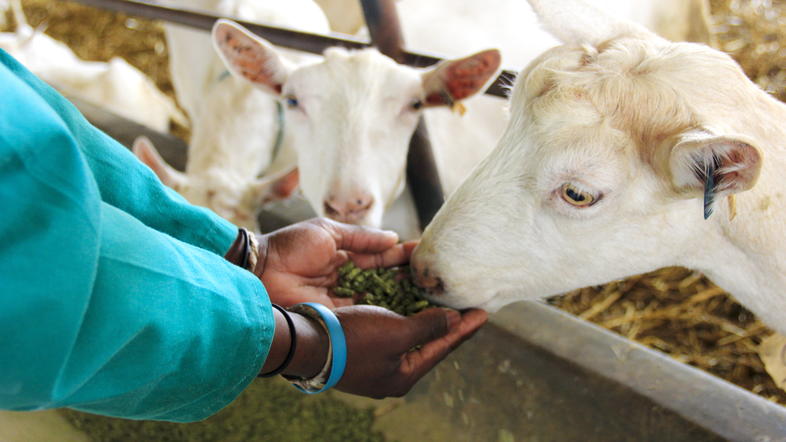
In livestock and poultry production, where animals often face stress and exposure to pathogens, astaxanthin helps maintain stable immunity and performance.

Promotes Fish and Shrimp Health
Astaxanthin is widely used in aquaculture feed to improve fish growth, pigmentation, and overall health. It supports several physiological functions that are essential for aquatic species, including:
- Improved stress tolerance
- Enhanced reproductive performance
- Better feed conversion efficiency
- Superior flesh quality and coloration
In salmonids and ornamental fish, astaxanthin is particularly valued for enhancing flesh pigmentation, giving the characteristic pink hue associated with premium fish quality. However, beyond color, it also boosts antioxidant defense, helping fish thrive in intensive farming systems.

Supports Livestock Performance and Reproductive Health
In ruminants and swine, oxidative stress can negatively affect feed efficiency, fertility, and immune function. Supplementing diets with natural astaxanthin powder helps reduce oxidative damage and supports reproductive success in breeding animals.
Benefits for Livestock Include:
- Enhanced sperm quality and reproductive performance
- Improved milk yield and quality (in dairy cows)
- Strengthened immune status during transition periods
- Reduced inflammatory conditions in high-producing animals
Because astaxanthin protects lipids and proteins from oxidation, it contributes to better meat and milk quality, with improved shelf stability and nutritional value.

Promotes Pet Health and Longevity
For dogs and cats, natural astaxanthin powder is increasingly included in premium pet supplements and functional foods. Its broad antioxidant and anti-inflammatory actions support:
- Joint and mobility health
- Eye and brain function
- Skin and coat condition
- Immune system balance
Astaxanthin crosses the blood-brain and blood-retina barriers, providing direct protection to the nervous system and eyes. This is particularly beneficial for aging pets prone to cognitive decline, cataracts, or arthritis.

Enhances Growth and Feed Conversion
Healthy animals are more efficient at converting feed into body weight. Astaxanthin's antioxidant action reduces cellular damage and supports optimal metabolic function, leading to:
- Better feed intake
- Enhanced nutrient utilization
- Higher average daily gain (ADG)
- Lower feed conversion ratio (FCR)
In poultry and aquaculture, these improvements directly contribute to cost efficiency and productivity, making astaxanthin a valuable feed additive for commercial operations.
Supports Sustainable and Natural Animal Production
As global agriculture shifts toward sustainability and antibiotic-free production, astaxanthin aligns perfectly with this movement. It is:
- Naturally sourced from microalgae or yeast
- Non-toxic and biodegradable
- Safe for all animal species
- Effective at low inclusion rates
By improving animal resilience and reducing disease-related losses, it allows producers to minimize antibiotic use while maintaining productivity and product quality. Its ability to reduce oxidative waste also contributes to environmental sustainability in farming systems.
Recommended Dosages
Astaxanthin inclusion rates vary depending on animal species and intended use:
| Species | Recommended Dosage (mg/kg feed) | Main Benefits |
|---|---|---|
| Poultry | 20–60 | Pigmentation, immune support |
| Swine | 10–40 | Reproductive health, antioxidant support |
| Cattle | 10–50 | Milk quality, stress resistance |
| Fish | 50–150 | Coloration, growth, immunity |
| Dogs/Cats | 5–20 | Joint, skin, eye, and brain health |
Always consult with a nutritionist or feed manufacturer for specific inclusion recommendations based on feed formulation and production goals.

Conclusion
Natural astaxanthin powder represents one of the most powerful tools in modern animal nutrition. Its extraordinary antioxidant and anti-inflammatory properties make it an essential ingredient for promoting wellness across species-from livestock and poultry to fish and pets.
By reducing oxidative stress, enhancing immune function, improving feed efficiency, and supporting reproductive and skin health, astaxanthin contributes to both animal performance and long-term wellness. Moreover, as a natural and sustainable compound, it aligns perfectly with the global shift toward eco-friendly and antibiotic-free animal production systems.
In short, incorporating natural astaxanthin powder into animal diets is a science-backed strategy to enhance health, productivity, and product quality, ensuring healthier animals and more sustainable farming practices.
References
Liu, H. et al. (2020). "Effects of dietary astaxanthin supplementation on antioxidant capacity and immune response in broiler chickens." Poultry Science, 99(7): 3571–3580.
Niu, J. et al. (2019). "Astaxanthin improves growth performance, antioxidant capacity, and stress resistance in rainbow trout." Aquaculture Nutrition, 25(4): 883–893.
Park, J. S. et al. (2021). "Effects of dietary astaxanthin supplementation on antioxidant status and cognitive function in aged dogs." Journal of Veterinary Science, 22(3): e31.
Lin, H. et al. (2020). "Astaxanthin alleviates oxidative stress and improves feed efficiency in heat-stressed broilers." Animal Feed Science and Technology, 267: 114528.
Wang, C. et al. (2018). "Astaxanthin as a feed supplement improves reproductive performance and antioxidant capacity in boars." Animal Feed Science and Technology, 239: 10–18.