


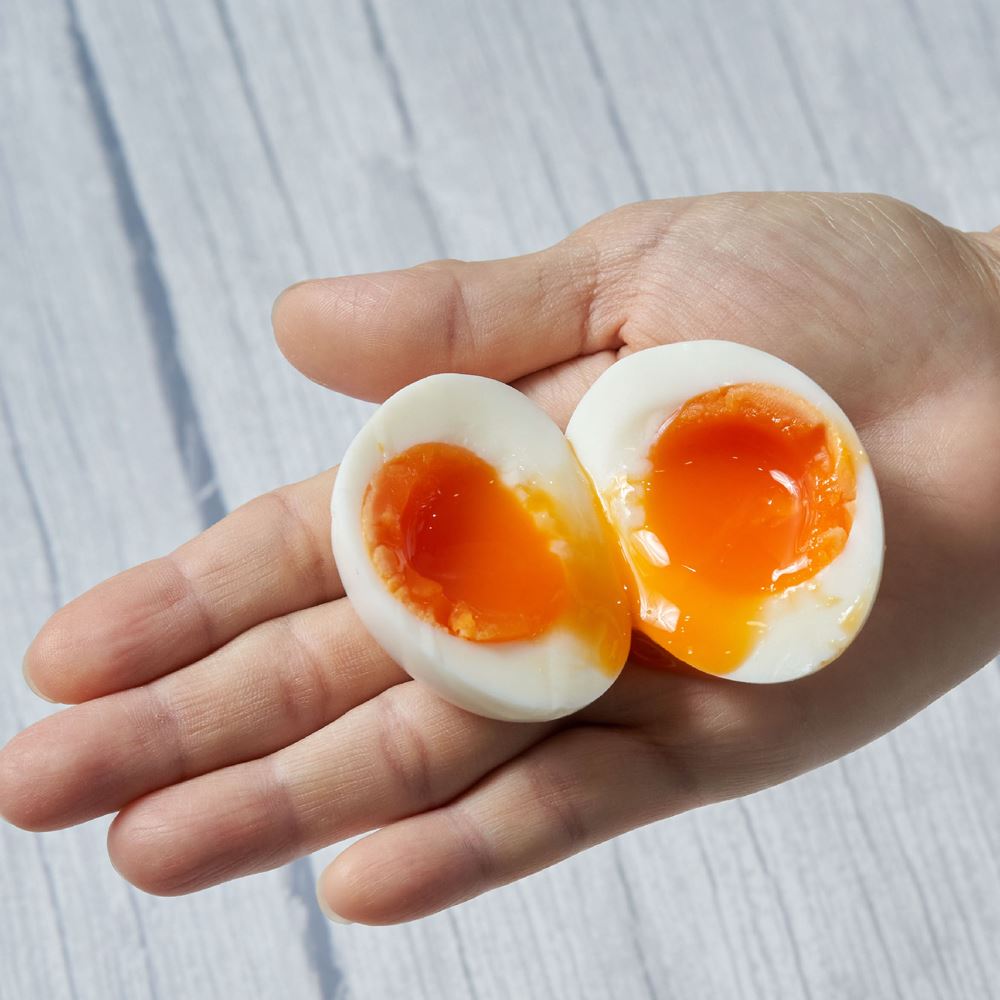
Astaxanthin Powder for Egg Yolk Color and Poultry Nutrition is a functional carotenoid ingredient used in modern laying-hen feed. Known for its natural red-orange pigmentation, astaxanthin can be absorbed from the diet and deposited into developing egg yolks, helping produce a deeper orange-red color.
For poultry feed manufacturers and egg producers, astaxanthin has value beyond its pigmentation properties. Research has also investigated its antioxidant activity, carotenoid deposition, and potential effects on the physiological and immune status of laying hens.
Among these applications, egg yolk pigmentation is the most established commercial use. Studies consistently show that dietary astaxanthin can increase yolk redness and astaxanthin concentration, while the magnitude of the response depends on dosage, source, formulation, feeding duration, and the rest of the diet.
What Is Astaxanthin Powder?
Astaxanthin is a fat-soluble xanthophyll carotenoid with a distinctive red-orange color. Natural astaxanthin can be obtained from sources such as the microalga Haematococcus pluvialis and microorganisms including Paracoccus carotinifaciens.
For animal feed applications, astaxanthin may be supplied as dried biomass, concentrated powder, stabilized powder, oil suspension, or water-soluble powder.
The powder format is convenient for incorporation into poultry premixes and complete feed. However, the actual performance of a commercial product depends not only on its stated astaxanthin concentration but also on its formulation, particle size, dispersibility, stability, and bioavailability.
A 2024 study comparing several astaxanthin preparations found that water-soluble astaxanthin powder produced the greatest improvement in yolk astaxanthin concentration and color score among the tested preparations, suggesting that formulation can substantially influence utilization.

Why Use Astaxanthin for Egg Yolk Color?
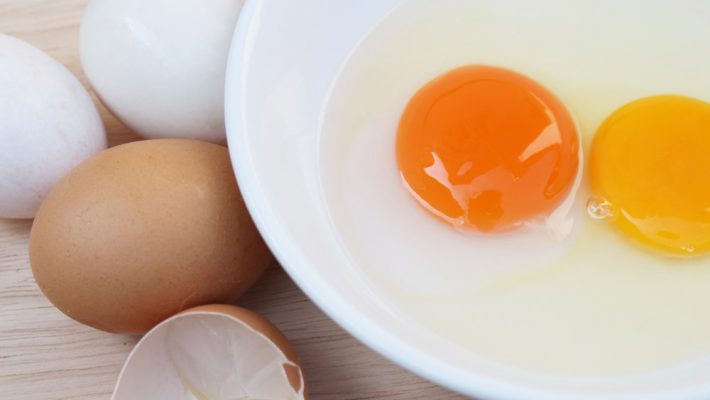
Egg yolk color is strongly influenced by carotenoids supplied through the laying hen's diet.
After dietary carotenoids are absorbed, some are transported to the reproductive tissues and deposited into the developing yolk. Astaxanthin contributes a strong orange-red component to yolk pigmentation.
A comprehensive review of astaxanthin and lutein in laying hens found that dietary supplementation has pronounced effects on yolk color and yolk carotenoid content, while generally having limited effects on basic egg production and physical egg characteristics.
This makes astaxanthin particularly useful for producers who want to achieve a specific yolk-color profile or develop eggs with increased carotenoid content.
Benefits of Astaxanthin Powder in Poultry Nutrition
1. Enhances Egg Yolk Color
The primary application of astaxanthin in laying-hen feed is yolk pigmentation.
Research has demonstrated a dose-related increase in yolk redness when laying hens receive dietary astaxanthin. In one study, hens receiving 0, 20, 40, 80, or 160 mg/kg natural astaxanthin showed progressively darker yolks as supplementation increased.
This makes Astaxanthin Powder useful for feed formulations designed to produce a stronger orange-red yolk appearance.
2. Increases Astaxanthin Deposition in Egg Yolks
Astaxanthin can be transferred from feed into the egg yolk.
A 24-week feeding study using 7.1–42.6 mg/kg astaxanthin found that yolk astaxanthin concentration increased with dietary supplementation. Yolk redness also increased as the supplementation level increased.
This provides an opportunity for poultry producers to develop carotenoid-enriched eggs in addition to improving their visual appearance.
3. Provides Antioxidant Nutritional Support
Astaxanthin is widely studied for its antioxidant activity.
Laying hens experience oxidative challenges associated with normal metabolism, environmental conditions, production intensity, and other management factors. Dietary antioxidants can complement the bird's natural antioxidant defense systems.
In a study using natural astaxanthin from Haematococcus pluvialis, supplementation increased antioxidant enzyme activity and improved measures of free-radical-scavenging capacity, while yolk color also became darker.
Another study reported increased glutathione peroxidase and superoxide dismutase activity and reduced malondialdehyde in astaxanthin-supplemented laying hens.
These findings support the nutritional antioxidant role of astaxanthin, although it should not be presented as a treatment for poultry disease.
4. May Support Normal Immune Function
Astaxanthin has also been investigated for its potential influence on immune-related parameters in laying hens.
Some experimental studies have reported changes in immunoglobulins, antioxidant defenses, or inflammatory markers following supplementation.
However, results are not necessarily identical across all studies. Hen age, dosage, astaxanthin source, diet composition, environmental conditions, and experimental design can all affect the response.
For commercial poultry nutrition, it is therefore more appropriate to describe astaxanthin as a potential supportive nutritional ingredient rather than an immune-treatment product.
5. Supports Carotenoid-Enriched Egg Production
Because astaxanthin can accumulate in egg yolks, it can be used in specialty egg production programs.
Research has demonstrated that dietary supplementation can increase yolk astaxanthin concentration, allowing producers to develop eggs with enhanced carotenoid content.
This may be useful for premium egg brands and functional-food applications where differentiated nutritional characteristics are part of the product positioning.

How Does Astaxanthin Reach the Egg Yolk?
The process begins when the laying hen consumes astaxanthin-containing feed.
After digestion, astaxanthin is absorbed and transported through the bloodstream. Some of the absorbed carotenoid is subsequently deposited into developing egg yolks.
The efficiency of this process depends on several factors:
- Astaxanthin concentration
- Chemical and physical form
- Bioavailability
- Feed composition
- Dietary fat
- Hen age
- Feeding duration
- Individual metabolism
- Other dietary carotenoids
Therefore, simply increasing the amount of Astaxanthin Powder does not guarantee proportional improvements in yolk color.
Astaxanthin Powder and Bioavailability
Bioavailability is an important consideration when selecting an astaxanthin ingredient.
Astaxanthin is a fat-soluble pigment, and its absorption can be influenced by its physical form. Fine particle size, dispersion, formulation technology, and stabilization may all affect its utilization.
In the 2024 preparation-form study, four astaxanthin products were compared at the same dietary concentration. Water-soluble astaxanthin powder generated the greatest yolk astaxanthin concentration and yolk color response among the tested products. The researchers concluded that pulverization and water solubilization improved bioavailability under the study conditions.
For feed manufacturers, this means that active concentration alone should not be the only purchasing criterion.
Astaxanthin Isomers and Egg Pigmentation
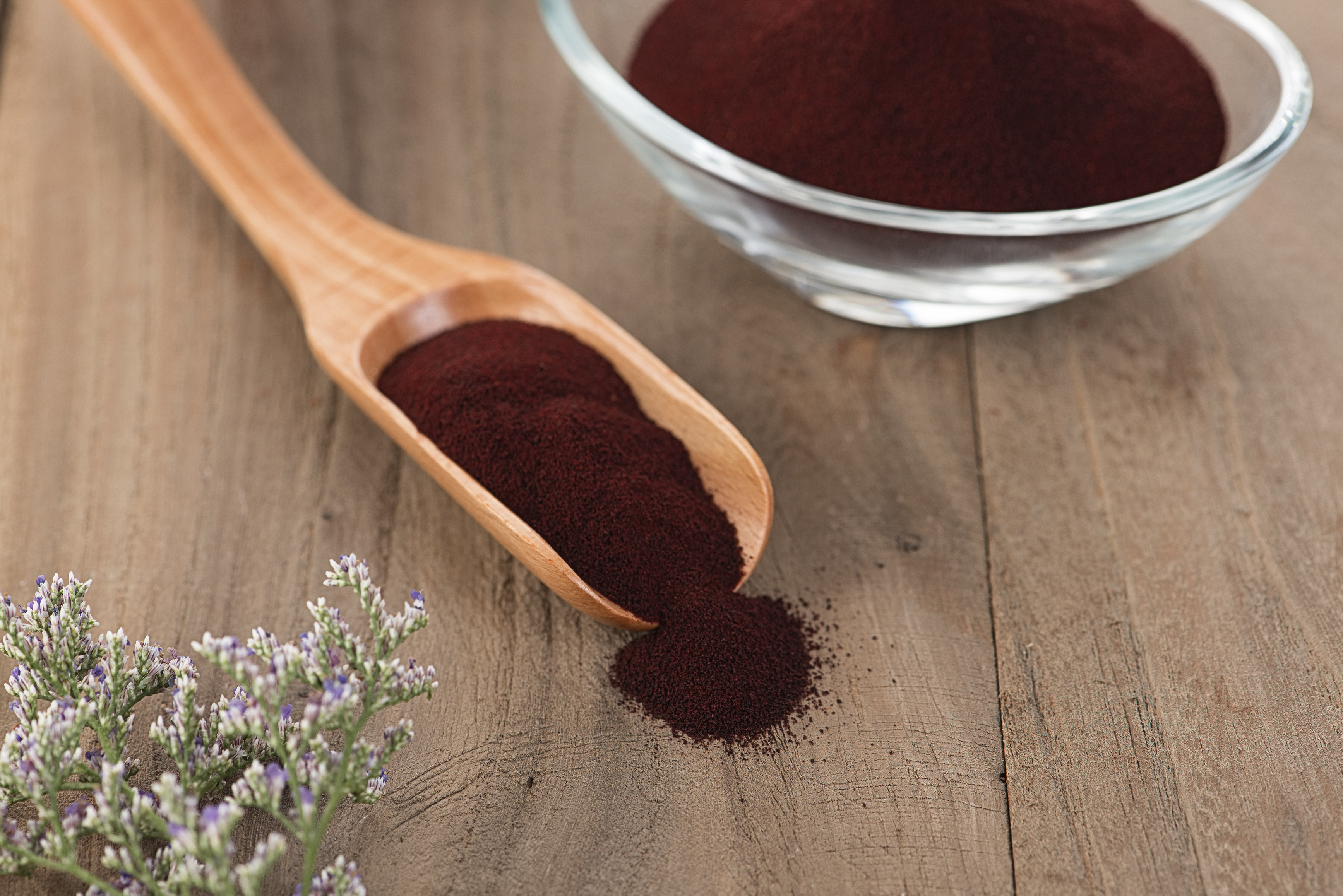
Astaxanthin can occur in different geometric forms, including all-E and Z isomers.
Research has found that astaxanthin isomer composition can influence absorption and deposition. In one laying-hen study, increasing the proportion of Z-isomers in the diet significantly increased yolk astaxanthin concentration and yolk color compared with an all-E-rich preparation.
This is an important consideration when evaluating premium astaxanthin ingredients, particularly for manufacturers interested in maximizing pigment utilization.
Applications of Astaxanthin Powder in Poultry Feed
Laying Hen Feed
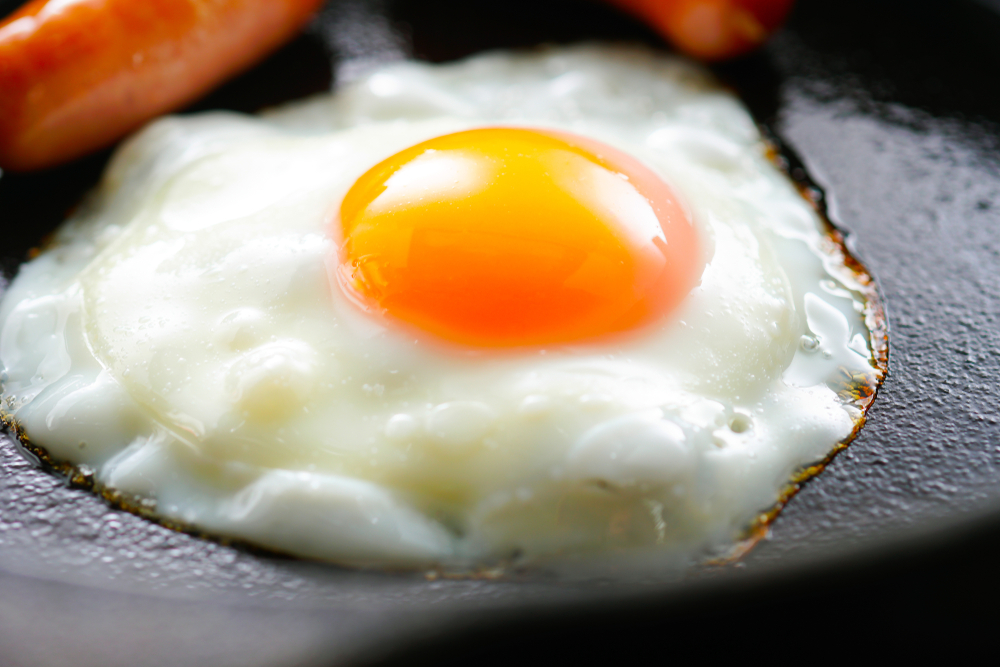
The primary application is complete feed for commercial laying hens.
Astaxanthin can be included when the objective is to enhance yolk pigmentation, increase yolk carotenoid content, or both.
Premium Egg Production
Astaxanthin can form part of specialized feeding programs for premium eggs.
It can be combined with other carotenoid sources to create a particular yolk color profile according to market requirements.
Functional Egg Production
Astaxanthin-enriched diets can be used to produce eggs containing measurable amounts of dietary astaxanthin.
Research has demonstrated that astaxanthin can accumulate in yolks relatively quickly under supplementation conditions, making it relevant to value-added egg production.
Poultry Feed Premixes
Astaxanthin Powder can be incorporated into poultry premixes alongside vitamins, minerals, antioxidants, and other carotenoids.
Accurate mixing is important because commercial astaxanthin products can have relatively high active concentrations.
Carotenoid Blends
Astaxanthin can also be combined with carotenoids such as lutein and zeaxanthin.
Lutein and zeaxanthin generally contribute stronger yellow pigmentation, while astaxanthin provides a stronger orange-red component. Using a combination can give feed formulators greater flexibility when targeting a particular yolk color.
Astaxanthin Compared With Other Egg-Yolk Pigments
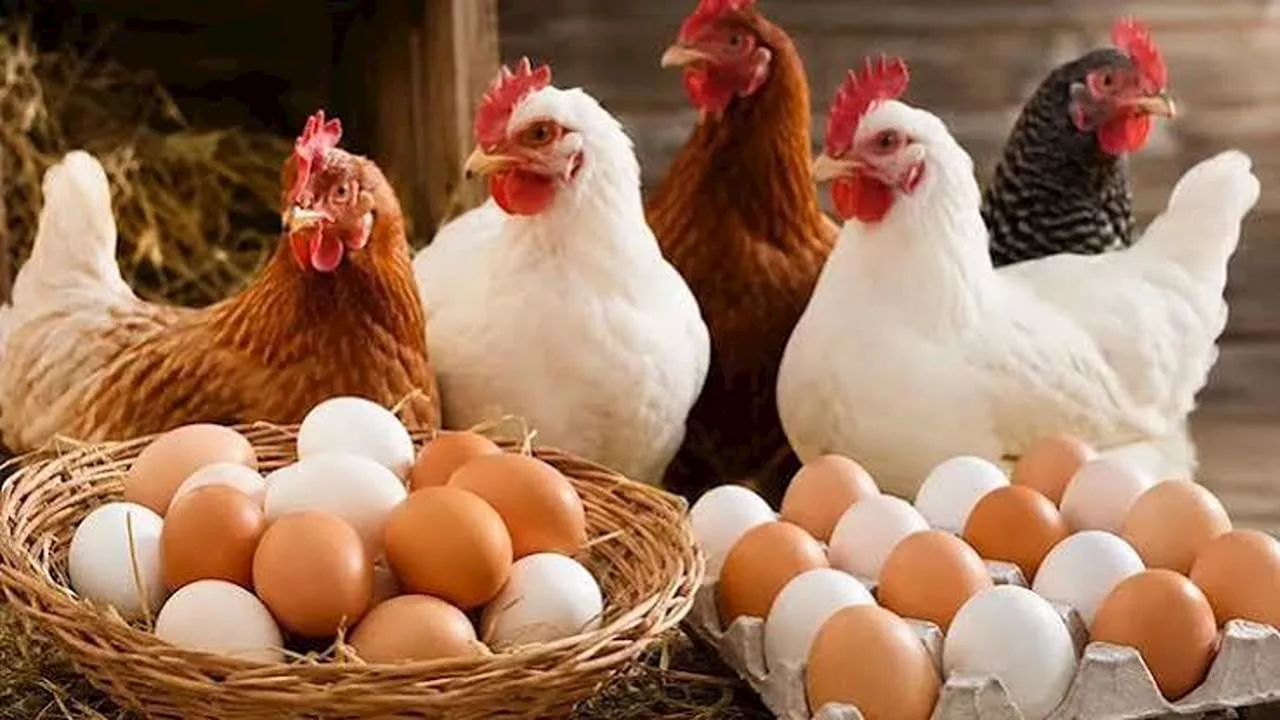
Astaxanthin is one of several carotenoids used in poultry nutrition.
| Pigment | Main pigmentation characteristic |
|---|---|
| Astaxanthin | Orange-red |
| Lutein | Yellow |
| Zeaxanthin | Yellow to orange-yellow |
| Canthaxanthin | Orange-red |
| Marigold-derived carotenoids | Yellow to orange |
The appropriate pigment depends on the desired yolk color, base diet, cost, formulation requirements, and regulatory conditions.
Astaxanthin is particularly attractive when the goal is to combine strong pigmentation with the functional characteristics of a carotenoid antioxidant.

Factors That Affect Egg Yolk Color
Astaxanthin is important, but it is not the only factor controlling yolk color.
Base Feed
Corn, alfalfa, marigold, paprika, and other feed ingredients can contribute additional carotenoids.
Astaxanthin Source
Natural source, production process, formulation, and physical form can influence deposition.
Inclusion Level
Increasing astaxanthin can increase yolk pigmentation within an effective range, but the response is not necessarily linear at higher levels.
Feeding Period
Longer supplementation allows continued deposition, although studies have shown that deposition efficiency can change over time.
Hen Age
Age and physiological status can influence nutrient absorption and pigment deposition.
Storage Stability
Carotenoids are sensitive to environmental factors such as oxygen, light, and heat. Proper stabilization and storage are therefore important.
How Much Astaxanthin Should Be Added to Poultry Feed?
There is no universal commercial dosage that applies to every laying-hen diet.
Research has tested different levels for different purposes. For example, one 24-week study evaluated 7.1, 14.2, 21.3, and 42.6 mg/kg feed and found increased yolk redness and astaxanthin deposition with supplementation.
Another study compared 21.3, 42.6, and 213.4 mg/kg and found that although yolk color increased with supplementation, the highest dose had lower pigmentation efficiency than the moderate doses. The researchers therefore cautioned against unnecessarily high supplementation.
These experimental concentrations should not be treated as universal feed recommendations.
Commercial formulation should consider the active concentration of the specific Astaxanthin Powder, target yolk color, existing dietary carotenoids, feed composition, production stage, and regulations in the destination market.

How to Choose High-Quality Astaxanthin Powder
For poultry feed manufacturers and bulk buyers, the following specifications are important.
Astaxanthin Content
The active astaxanthin concentration should be clearly stated and supported by a reliable COA.
Source
The supplier should provide information about the source and production method.
Bioavailability
Particle size, dispersibility, formulation, and isomer profile may influence utilization.
Stability
A suitable product should maintain its active content during recommended storage and feed-processing conditions.
Purity
Buyers should evaluate heavy metals, microbiological quality, residual contaminants, and other relevant specifications.
Batch Consistency
Consistent astaxanthin concentration is essential for predictable feed formulation and yolk pigmentation.
Documentation
Professional B2B suppliers should be able to provide documents such as:
- Certificate of Analysis (COA)
- Product specification
- Microbiological report
- Heavy metal report
- Stability information
- Source documentation
- Relevant certifications
- Third-party testing where applicable

Safety and Poultry Feed Considerations
Astaxanthin should be used as part of a nutritionally balanced poultry diet.
Higher supplementation does not necessarily mean better results. Research has specifically shown that very high astaxanthin supplementation may have lower pigmentation efficiency than moderate levels.
Feed manufacturers should therefore establish the appropriate inclusion level based on the product specification, formulation objective, production conditions, and applicable regulations.
It is also important to distinguish between research findings and commercial feeding recommendations. Published experimental doses should not automatically be transferred to commercial poultry diets.

Why Use Astaxanthin Powder in Poultry Nutrition?
For commercial poultry applications, Astaxanthin Powder can provide several potential advantages:
- Helps enhance egg yolk pigmentation
- Provides a stronger orange-red yolk color
- Increases astaxanthin deposition in egg yolks
- Supports carotenoid-enriched egg production
- Provides nutritional antioxidant activity
- May support normal antioxidant defenses
- May contribute to normal immune function
- Can be incorporated into poultry premixes
- Can be combined with lutein and other carotenoids
- Suitable for specialty and premium egg production
The strongest commercial value remains its ability to deliver a consistent carotenoid pigmentation effect.
Conclusion
Astaxanthin Powder for Egg Yolk Color and Poultry Nutrition is a valuable functional carotenoid for modern laying-hen feed. Its most established application is improving egg yolk pigmentation, particularly the orange-red component of yolk color.
Research also shows that dietary astaxanthin can accumulate in egg yolks and may provide additional nutritional antioxidant support for laying hens. However, the effectiveness of supplementation depends on the source, formulation, bioavailability, dosage, feeding period, and overall composition of the poultry diet.
For feed manufacturers, selecting a high-quality Astaxanthin Powder means looking beyond the active percentage. Bioavailability, stability, purity, dispersibility, source, batch consistency, and quality documentation should all be considered.
HJHERB BIOTECH supplies natural and functional ingredients for animal feed and poultry nutrition. For Astaxanthin Powder for Egg Yolk Color, bulk supply, COA, product specifications, samples, OEM packaging, or customized poultry feed ingredient solutions, contact info@hjagrifeed.com.
References
Shi H., Deng X., Ji X., Liu N., Cai H. Sources, dynamics in vivo, and application of astaxanthin and lutein in laying hens: A review. Animal Nutrition, 2023.
Assessment of Response to Moderate and High Dose Supplementation of Astaxanthin in Laying Hens. 2021.
Osawa Y., Kuwahara D., Hayashi Y., Honda M. Effects of Astaxanthin Preparation Form on the Efficiency of Egg Yolk Pigmentation in Laying Hens. Journal of Oleo Science, 2024.
Dietary supplementation with natural astaxanthin from Haematococcus pluvialis improves antioxidant enzyme activity, free radical scavenging ability, and gene expression of antioxidant enzymes in laying hens. 2021.
Honda M., et al. Astaxanthin Z-isomer-rich diets enhance egg yolk pigmentation in laying hens compared to that in all-E-isomer-rich diets. Animal Science Journal, 2021.
Effects of duration and supplementation dose with astaxanthin on egg fortification. 2021.
Astaxanthin supplementation enriches productive performance, physiological and immunological responses in laying hens. 2021.
Effects of dietary supplementation of natural astaxanthin from Haematococcus pluvialis on antioxidant capacity, lipid metabolism, and accumulation in the egg yolk of laying hens. 2020.
FAQ
Q1: What is Astaxanthin Powder?
A1: Astaxanthin Powder is a red-orange xanthophyll carotenoid used as a functional ingredient in poultry nutrition. It can be sourced from natural microorganisms such as Haematococcus pluvialis and is available in forms such as concentrated powder, stabilized powder, oil suspension, and water-soluble powder.
Q2: What are the main benefits of Astaxanthin Powder for laying hens?
A2: The main benefit is improved egg yolk pigmentation, particularly a stronger orange-red color. Astaxanthin can also increase its deposition in egg yolks and provide nutritional antioxidant support.
Q3: What is the main benefit of Astaxanthin Extract for salmon?
A3: The most established application is salmon flesh pigmentation. Astaxanthin helps produce and maintain the pink-red color associated with salmon products, making it an important ingredient in commercial salmon aquafeed.
Q4: Can Astaxanthin Powder increase astaxanthin deposition in eggs?
A4: Yes. Research has shown that dietary astaxanthin can be transferred into egg yolks. Increased dietary supplementation has been associated with higher yolk astaxanthin concentration and increased yolk redness, supporting its use in carotenoid-enriched egg production.
Q5: Is Astaxanthin Powder suitable for commercial poultry feed?
A5: Yes. Astaxanthin Powder can be incorporated into complete laying-hen feed, poultry premixes, and specialized carotenoid blends. It can be used when the formulation objective is to enhance yolk pigmentation or increase yolk carotenoid content.
Q6: Can Astaxanthin Powder be combined with lutein and zeaxanthin?
A6: Yes. Astaxanthin can be combined with lutein and zeaxanthin to create a more targeted yolk-color profile. Lutein and zeaxanthin generally contribute stronger yellow tones, while astaxanthin provides a stronger orange-red component.
Q7: Does Astaxanthin Powder provide antioxidant support for poultry?
A7: Astaxanthin is widely studied for its antioxidant activity. Research in laying hens has reported changes in antioxidant enzyme activity and measures of free-radical-scavenging capacity following supplementation. However, astaxanthin should be considered a nutritional antioxidant rather than a treatment for poultry disease.
Q8: What factors affect the performance of Astaxanthin Powder?
A8: Performance can be influenced by astaxanthin concentration, source, physical and chemical form, bioavailability, feed composition, dietary fat, age, feeding duration, individual metabolism, and other dietary carotenoids. Therefore, active concentration alone does not determine pigmentation performance.
Q9: How much Astaxanthin Powder should be added to poultry feed?
A9: There is no universal commercial dosage for every laying-hen diet. Research has tested different supplementation levels depending on the objective and experimental conditions. Commercial inclusion should be determined according to the product's active concentration, target yolk color, existing dietary carotenoids, feed composition, production stage, and applicable regulations.


