As agriculture moves toward more sustainable and resource-efficient production, plant-based fertilizer materials and agricultural by-products are receiving increasing attention. Tea Seed Meal Fertilizer is one such material, offering potential value for soil management, organic fertilizer formulations, composting, and crop production.
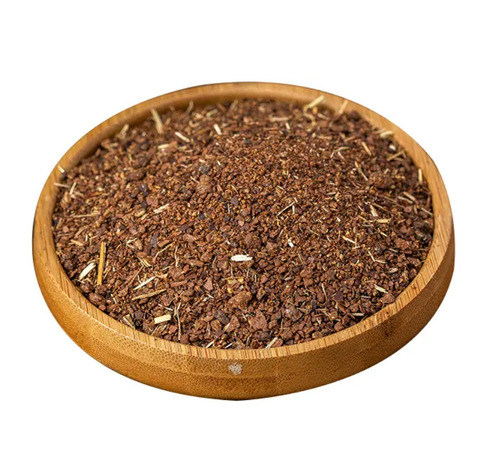
Tea Seed Meal is mainly produced from Camellia oleifera seeds after oil extraction. The remaining meal contains organic matter, proteins, fiber, minerals, and naturally occurring bioactive compounds, particularly tea saponins. Because it is derived from an agricultural processing by-product, using Tea Seed Meal in fertilizer programs can also support better utilization of plant resources and reduce waste.
However, Tea Seed Meal should not automatically be considered a complete fertilizer or a direct replacement for balanced NPK fertilizers. Its value is better understood as a plant-derived soil amendment and complementary fertilizer material that can be incorporated into an appropriate crop nutrition program.
What Is Tea Seed Meal Fertilizer?
Tea Seed Meal is the solid residue left after oil is extracted from Camellia oleifera seeds. It is also commonly called tea seed cake or tea seed meal.
The composition can vary depending on the tea seed variety, oil extraction method, processing conditions, and degree of refinement. Typical components include:
- Organic matter
- Plant proteins
- Fiber and carbohydrates
- Minerals
- Naturally occurring tea saponins
- Other plant-derived compounds
Tea saponins are particularly important because they have natural surface-active properties and have been investigated for applications in soil management and environmental remediation. Most commercial tea saponins are obtained from Camellia oleifera seed meal.
When properly processed and applied, Tea Seed Meal can therefore serve several functions within an integrated agricultural management program.
Benefits of Tea Seed Meal Fertilizer for Soil
1. Adds Plant-Derived Organic Matter
One of the primary advantages of Tea Seed Meal is its organic origin. When incorporated into soil or used as part of an organic fertilizer formulation, its organic components can contribute to the soil's overall organic matter pool.
Organic matter is important for maintaining productive soils because it influences physical, chemical, and biological properties. Tea Seed Meal can therefore be considered as one source of plant-derived material for soil improvement.
For long-term crop production, combining organic materials with balanced mineral fertilization can be more useful than relying exclusively on one fertilizer source.
2. Supports Soil Nutrient Management
Tea Seed Meal contains naturally occurring nutrients originating from the tea seed. These nutrients are released as the material decomposes and interacts with soil microorganisms.
The actual nutrient contribution depends heavily on the composition of the specific Tea Seed Meal product. Therefore, fertilizer manufacturers and growers should evaluate parameters such as organic matter, nitrogen, phosphorus, potassium, moisture, and other mineral contents before determining its role in a fertilizer formulation.
It is generally more appropriate to use Tea Seed Meal as a complementary organic input rather than assuming it can supply all nutrients required by a crop.
3. Provides Naturally Occurring Tea Saponins
Tea Seed Meal is particularly notable for its tea saponin content. Tea saponins are natural non-ionic surfactants found in Camellia plants and are widely studied for their biological and surface-active properties.
In agricultural systems, tea saponins have been investigated for soil-related applications, including remediation and interactions with soil components. Their effects depend on concentration, soil conditions, plant species, and application method.
This makes tea saponin content an important quality parameter when selecting Tea Seed Meal for agricultural applications.
4. Can Support Soil Biological Management
Organic materials introduced into soil can interact with microorganisms and other components of the soil ecosystem.
Research on Camellia seed-cake-based materials has reported changes in microbial biomass and soil biological characteristics following application. One study examining Camellia seed cake found increases in soil microbial abundance and catalase activity, alongside changes in free-living and plant-parasitic nematode populations.
These findings suggest that Tea Seed Meal can have biological effects beyond simply adding organic material. However, these effects should not be generalized to every crop or soil because application rate and product composition are important.
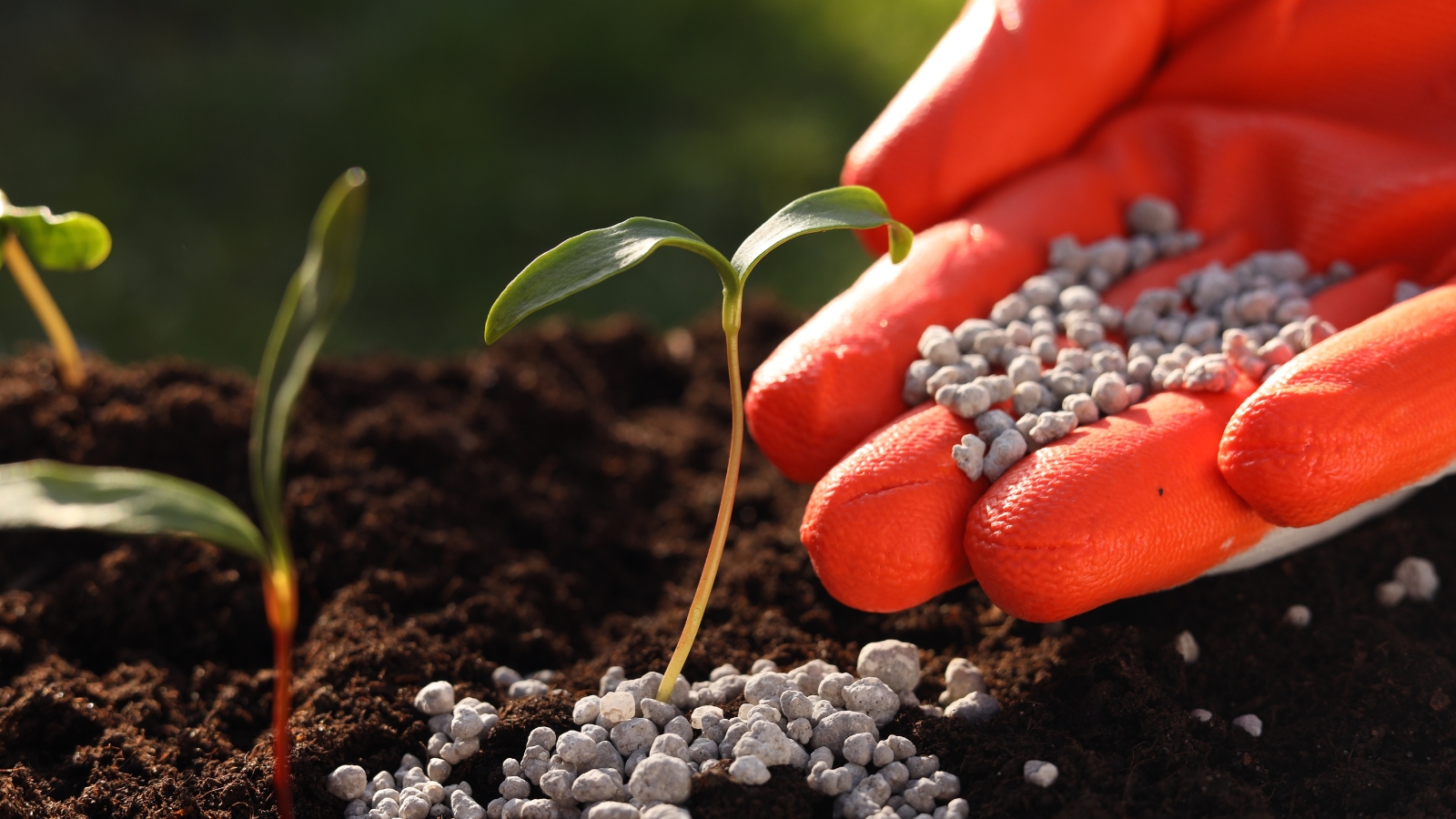
Benefits for Crop Growth
1. Helps Create a Better Soil Environment
Healthy crop growth depends on more than the amount of fertilizer applied. Root development is influenced by soil structure, organic matter, nutrient availability, moisture, microbial activity, and other factors.
As a plant-derived organic material, Tea Seed Meal can be incorporated into soil-management programs designed to improve the overall growing environment.
Research on related Camellia oleifera organic fertilizer materials has shown improvements in soil organic matter and available nutrients, together with changes in rhizosphere microbial communities.
2. May Support Root and Early Plant Development
Properly managed organic amendments can contribute to conditions favorable for root development and plant establishment.
A study investigating Camellia seed cake application found that a 5 g/kg soil treatment produced improvements in several banana seedling growth parameters, including height, stem diameter, and fresh biomass, although the response depended on application conditions.
This type of research demonstrates the potential of seed-cake materials in crop production, but it should not be interpreted as a universal application rate for all crops.
3. Supports Sustainable Fertilizer Strategies
Tea Seed Meal also fits well into circular agriculture.
Instead of treating the residue from Camellia oleifera oil production as waste, it can be redirected into agricultural products such as organic fertilizers, soil amendments, composting materials, and other value-added formulations.
Research into Camellia processing by-products highlights their potential for higher-value agricultural utilization and resource recycling.
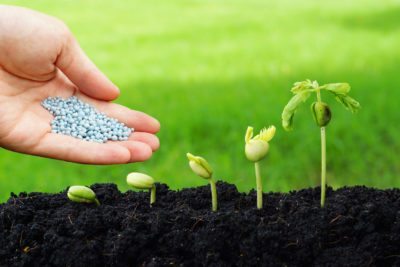
Tea Seed Meal Fertilizer Applications
Tea Seed Meal can be used in several agricultural applications depending on its composition and processing.
Organic Fertilizer Formulations
Tea Seed Meal can be incorporated into organic fertilizer blends with other plant- or animal-derived nutrient sources.
It can contribute organic material and naturally occurring nutrients while helping manufacturers develop plant-based fertilizer products.
Soil Amendment
Tea Seed Meal can be incorporated into soil as part of a broader soil-improvement program. It is particularly suitable for agricultural systems seeking plant-derived organic materials.
Composting
Tea Seed Meal can also be considered as a feedstock or ingredient in composting systems. Composting can help stabilize organic materials and produce a more mature fertilizer product.
Research has investigated aerobic composting of Camellia oleifera seed cake as a method of converting the processing by-product into organic fertilizer.
Crop Production
Tea Seed Meal can be used in agricultural production for crops such as vegetables, fruits, tea-related crops, ornamental plants, and other cultivated plants, depending on local regulations and product specifications.
For commercial crop production, the material should be evaluated according to soil conditions, crop nutrient requirements, and the characteristics of the finished fertilizer formulation.

Tea Seed Meal vs. Conventional NPK Fertilizer
Tea Seed Meal and conventional NPK fertilizers serve different purposes.
NPK fertilizers are specifically formulated to provide predictable amounts of nitrogen, phosphorus, and potassium. Tea Seed Meal, in comparison, is a more complex plant-derived material containing organic matter and various naturally occurring components.
Therefore, Tea Seed Meal should generally be viewed as a complementary fertilizer material or soil amendment, rather than a one-to-one replacement for NPK fertilizer.
A combined strategy can allow growers to address both nutrient requirements and soil organic matter management.

How to Use Tea Seed Meal Fertilizer
There is no single application rate that is suitable for every crop or soil.
The appropriate rate depends on:
- Crop species
- Soil type and fertility
- Organic matter content
- Tea saponin concentration
- Product moisture
- Nutrient composition
- Application method
- Climate and environmental conditions
Whether the material is raw, processed, or composted
Application should therefore be based on the product specification and soil/crop requirements.
Tea saponins also require careful consideration. Research has shown that their effects on plants can vary substantially with concentration and species. At sufficiently high concentrations, tea saponins may inhibit seed germination or root growth in some plants.
For this reason, more Tea Seed Meal does not necessarily mean better crop growth. Proper formulation and controlled application are important.
Quality Factors When Buying Tea Seed Meal Fertilizer
For fertilizer manufacturers, agricultural distributors, and commercial growers, product quality and consistency are important.
Before purchasing Tea Seed Meal in bulk, consider the following specifications:
Tea Saponin Content
Tea saponin concentration can influence the functional characteristics of the material. A reliable supplier should provide a clear specification and consistent batch testing.
Organic Matter
Organic matter is an important parameter when Tea Seed Meal is intended for soil improvement or organic fertilizer production.
Moisture Content
Excessive moisture can affect storage stability, handling, transportation cost, and product shelf life.
Particle Size
Particle size influences mixing, spreading, incorporation into soil, and processing into fertilizer granules or blends.
Purity and Contaminants
Heavy metals, pesticide residues, microbial contamination, and other unwanted substances should be controlled according to the intended agricultural application and applicable regulations.
Batch Consistency
For commercial fertilizer manufacturers, consistent raw material composition is especially important because changes in saponin, moisture, organic matter, or nutrient content can affect the final formulation.
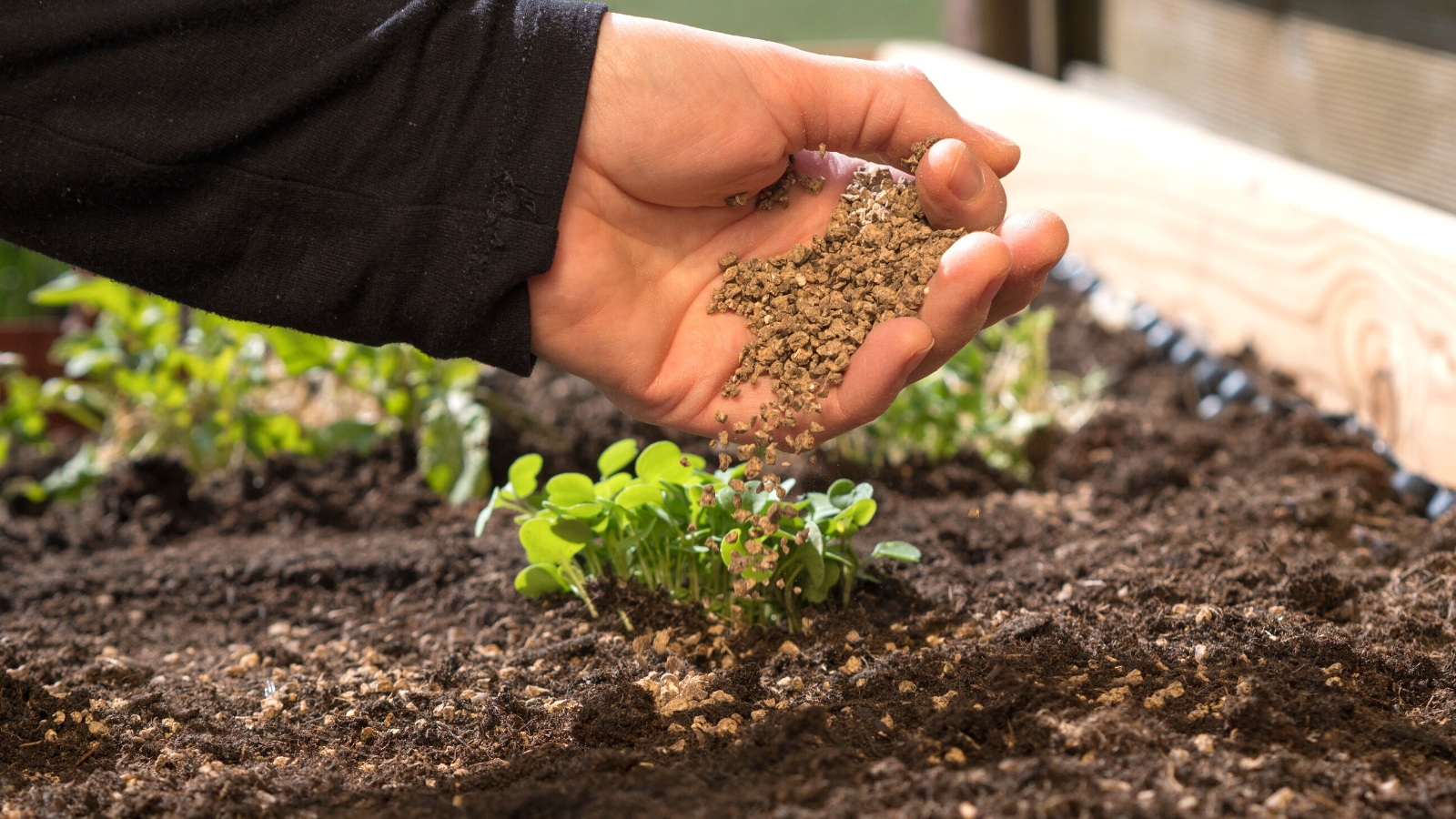
Why Choose Tea Seed Meal as an Agricultural Material?
Tea Seed Meal offers several advantages for modern agricultural production:
- Plant-derived and naturally sourced
- Obtained from an agricultural processing by-product
- Contains organic matter and naturally occurring nutrients
- Naturally contains tea saponins
- Suitable for organic fertilizer formulations
- Can be incorporated into soil-management programs
- Can be used in composting and resource-recycling systems
- Supports the development of plant-based agricultural products
- Suitable for bulk fertilizer and agricultural applications
Its greatest value comes from using it correctly as part of a broader soil and crop nutrition strategy.
Conclusion
Tea Seed Meal Fertilizer is a useful plant-derived material with potential applications in soil management, organic fertilizer production, composting, and crop production. Produced from Camellia oleifera seeds after oil extraction, it contains organic matter, nutrients, and naturally occurring tea saponins that give it additional agricultural value.
Research on Camellia seed-cake and related organic fertilizer materials indicates potential benefits for soil properties, microbial communities, nutrient management, and crop growth.
However, Tea Seed Meal should not be treated as a universal replacement for conventional fertilizers. Its performance depends on product quality, application rate, crop species, soil conditions, and formulation. For commercial agricultural use, testing and specification control are essential.
For fertilizer manufacturers, agricultural distributors, and growers looking for a plant-based organic fertilizer material, Tea Seed Meal provides an attractive option for combining agricultural by-product recycling with sustainable soil and crop management.
References
Zhang J. et al. Advances in Camellia oleifera seed meal Saponins: Extraction, analysis, bioactivity, and application. Food Chemistry, 2025.
Yu X.L., He Y. Tea saponins: effective natural surfactants beneficial for soil remediation, from preparation to application. RSC Advances, 2018.
Exploring patterns of Camellia seed cake application in relation to plant growth, soil nematodes and microbial biomass. Soil Science and Plant Nutrition.
Effects of tea oil camellia (Camellia oleifera Abel.) shell-based organic fertilizers on the physicochemical property and microbial community structure of the rhizosphere soil. Frontiers in Microbiology, 2023.
Substituting Chemical by Organic Fertilizer Improves Soil Quality, Regulates the Soil Microbiota and Increases Yields in Camellia oleifera. Microorganisms, 2025.
FAQ
Q1: What is Tea Seed Meal Fertilizer?
A1: Tea Seed Meal is the solid residue remaining after oil extraction from Camellia oleifera seeds. Also known as tea seed cake or tea seed meal, it contains organic matter, plant proteins, fiber, minerals, and naturally occurring tea saponins.
Q2: What are the benefits of Tea Seed Meal for soil?
A2: Tea Seed Meal can add plant-derived organic matter to soil and contribute naturally occurring nutrients as the material decomposes. It can be used as part of soil-management programs designed to support soil quality and nutrient management.
Q3: Is Tea Seed Meal a complete fertilizer?
A3: No. Tea Seed Meal should not automatically be considered a complete fertilizer or a direct replacement for balanced NPK fertilizer. It is better used as a complementary organic fertilizer material or soil amendment within a broader crop nutrition program.
Q4: What is the role of tea saponins in Tea Seed Meal?
A4: Tea Seed Meal naturally contains tea saponins, which have surface-active properties and have been studied for agricultural and soil-related applications. Their effects depend on concentration, soil conditions, crop species, and application method.
Q5: Can Tea Seed Meal be used as an organic fertilizer?
A5: Yes. Tea Seed Meal can be incorporated into organic fertilizer formulations and blended with other plant- or animal-derived nutrient materials. It provides organic material and naturally occurring nutrients for agricultural applications.
Q6: Can Tea Seed Meal be used for composting?
A6: Yes. Tea Seed Meal can be used as a feedstock or ingredient in composting systems. Composting can help stabilize the organic material and convert the processing by-product into a more mature fertilizer product.
Q7: Can Tea Seed Meal support crop growth?
A7: Tea Seed Meal can be incorporated into crop-production programs to help create a favorable soil environment. Research on related Camellia seed-cake materials has reported effects on soil organic matter, nutrient availability, microbial communities, and certain plant-growth parameters. Results can vary according to crop, soil, product composition, and application conditions.
Q8: How much Tea Seed Meal Fertilizer should be applied?
A8: There is no universal application rate. The appropriate amount depends on the crop species, soil type, fertility, organic matter, tea saponin concentration, moisture, nutrient composition, application method, climate, and whether the material is raw, processed, or composted.
Q9: What should buyers check when purchasing Tea Seed Meal in bulk?
A9: Bulk buyers should evaluate tea saponin content, organic matter, moisture, particle size, purity, contaminants, nutrient composition, and batch consistency. Heavy metals, pesticide residues, and microbial contamination should also be controlled according to the intended agricultural application and applicable regulations.
Q10: Why choose Tea Seed Meal for agricultural applications?
A10: Tea Seed Meal is a plant-derived material obtained from an agricultural processing by-product. It contains organic matter and naturally occurring nutrients and can be used in organic fertilizer formulations, soil-management programs, composting, and crop production. Its use also supports resource recycling and more sustainable agricultural practices.