Egg yolk color is an important quality characteristic in commercial egg production. Consumers in many markets associate a deeper yellow, orange, or reddish yolk with desirable egg quality, making dietary carotenoids an important consideration in laying-hen nutrition.
Astaxanthin Powder for Poultry is a carotenoid feed ingredient that can be used to increase the deposition of red-orange pigment into egg yolks. Research in laying hens has demonstrated that dietary astaxanthin can significantly increase yolk pigmentation, with the response influenced by the source, formulation, dose, and bioavailability of the astaxanthin.
Beyond pigmentation, astaxanthin has also been investigated for its antioxidant properties and potential effects on physiological and immune-related parameters in poultry. This makes it an interesting ingredient for premium poultry feed and functional egg production.
What Is Astaxanthin Powder?
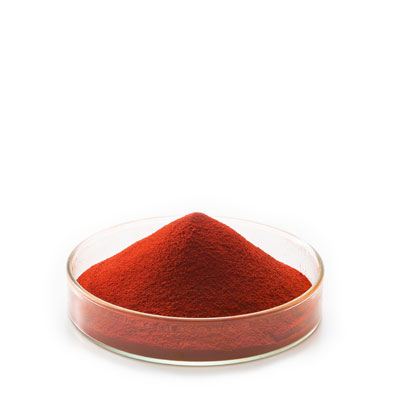
Astaxanthin is a naturally occurring red-orange xanthophyll carotenoid found in microorganisms, algae, yeast, and aquatic organisms. Commercial astaxanthin can be produced through synthetic processes or obtained from biological sources such as Haematococcus pluvialis and Phaffia rhodozyma.
For poultry feed, astaxanthin is generally supplied as a stabilized powder or formulated preparation to improve handling, dispersion, and stability during feed manufacturing.
Because astaxanthin is a fat-soluble carotenoid, its formulation can have a major influence on how efficiently it is absorbed and deposited in tissues. A 2024 study comparing different astaxanthin preparations in laying hens found that water-soluble astaxanthin powder produced the strongest tested improvement in yolk astaxanthin concentration and color, indicating that formulation and bioavailability are important considerations.
How Does Astaxanthin Improve Egg Yolk Color?
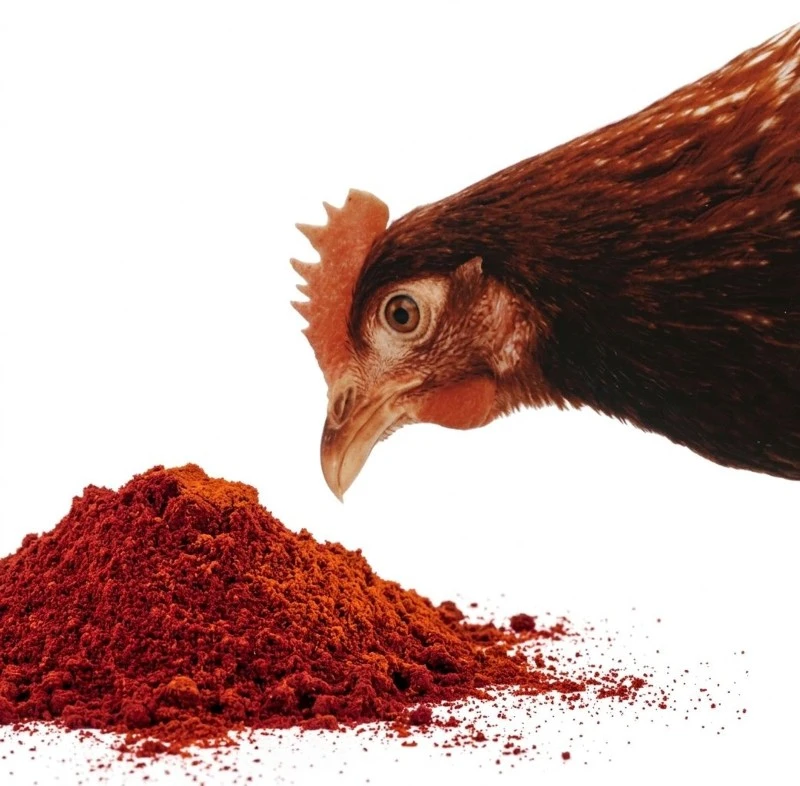
Laying hens obtain carotenoids primarily through their diets. After digestion and absorption, carotenoids can be transported through the bloodstream and deposited into tissues, including the developing egg yolk.
When astaxanthin is included in the feed, part of the absorbed pigment can accumulate in the yolk. Because astaxanthin has a strong red-orange color, increasing its deposition can shift yolk appearance toward deeper orange or reddish tones.
Experimental research supports this effect. In one study, natural astaxanthin from Haematococcus pluvialis was supplied to laying hens at different concentrations. Yolk color became progressively darker as dietary astaxanthin increased, while egg weight, feed consumption, laying rate, feed efficiency, Haugh unit, and eggshell strength were not significantly affected under the tested conditions.
Another study found that dietary astaxanthin increased yolk redness and astaxanthin deposition, demonstrating its potential as a dietary pigment for laying hens.

Benefits of Astaxanthin Powder for Poultry
1. Enhances Egg Yolk Color
The primary commercial application of astaxanthin in laying-hen diets is yolk pigmentation.
Astaxanthin can contribute red-orange coloration to the yolk and may be particularly useful when producers want a deeper or more distinctive yolk appearance.
In a 2024 study, several astaxanthin preparations significantly increased both yolk astaxanthin concentration and yolk color score compared with the control diet. The water-soluble powder performed best among the preparations tested.
2. Promotes Carotenoid Deposition in Eggs
Astaxanthin does not simply remain in the feed. Following absorption, it can be deposited into egg yolk.
The amount deposited depends on factors such as dietary concentration, source, formulation, absorption, feeding period, and the hen's physiological condition.
Studies have demonstrated measurable increases in yolk astaxanthin following dietary supplementation, supporting its use when the goal is to produce carotenoid-enriched eggs.
3. Provides Antioxidant Potential
Astaxanthin is widely studied for its antioxidant activity.
In laying-hen research, astaxanthin-rich supplementation has been associated with changes in antioxidant markers. One study reported increased glutathione peroxidase and superoxide dismutase activity and reduced malondialdehyde levels in supplemented hens.
These findings suggest that astaxanthin may provide antioxidant support in poultry diets, although the magnitude of the effect depends on the experimental conditions and should not be generalized as a guaranteed health outcome.
4. May Support Functional Egg Production
Because astaxanthin can accumulate in egg yolk, it has attracted interest in the production of eggs with increased carotenoid content.
This creates an opportunity for producers developing differentiated egg products, including premium eggs and eggs positioned around naturally occurring carotenoid nutrition.
However, nutritional claims for commercial eggs should be based on the actual composition of the finished product and applicable regulatory requirements.
5. Suitable for Premium Poultry Feed Formulations
Astaxanthin Powder can be incorporated into specialized poultry premixes and complete feeds where yolk pigmentation and carotenoid supplementation are desired.
It can also be combined with other carotenoids such as lutein and zeaxanthin to develop customized pigmentation strategies.

Astaxanthin Powder for Laying Hens
The most relevant poultry application is laying-hen feed.
Egg yolk pigmentation is influenced by the overall carotenoid profile of the diet. Corn, alfalfa, marigold-derived ingredients, paprika-derived pigments, lutein, zeaxanthin, canthaxanthin, and astaxanthin can all contribute different colors to the final yolk.
Astaxanthin is particularly interesting when a producer wants to add a red-orange component to the yolk rather than relying only on yellow carotenoids.
A balanced pigmentation strategy can therefore combine several carotenoid sources depending on the target yolk color.

Natural Astaxanthin Sources for Poultry Feed
For poultry applications, astaxanthin can come from several sources.
Haematococcus pluvialis
Haematococcus pluvialis is a microalga well known for its high natural astaxanthin content.
Research using natural astaxanthin from Haematococcus pluvialis has demonstrated increased yolk pigmentation in laying hens.
Phaffia rhodozyma
Astaxanthin-rich yeast preparations such as Phaffia rhodozyma have also been investigated in laying hens.
Research found that astaxanthin-rich Phaffia supplementation significantly improved yolk color and was associated with changes in antioxidant and immune-related parameters.
Other Biological Sources
Astaxanthin can also be produced using other microorganisms and biological production systems. When selecting a commercial ingredient, buyers should evaluate the source, astaxanthin concentration, formulation, stability, and regulatory suitability for the intended feed application.
Why Formulation Matters
Simply knowing the astaxanthin concentration is not enough to determine the performance of a poultry feed ingredient.
Astaxanthin is poorly soluble in water, and its bioavailability can be affected by particle size, formulation, dispersion, and feed processing.
This was demonstrated in the 2024 laying-hen study comparing dried cell powder, fine cell powder, oil suspension, and water-soluble astaxanthin powder. At the tested inclusion level, all preparations improved yolk pigmentation, but the water-soluble powder generated the highest yolk astaxanthin concentration and color score.
For commercial feed manufacturers, this means bioavailability and formulation should be considered alongside assay value.
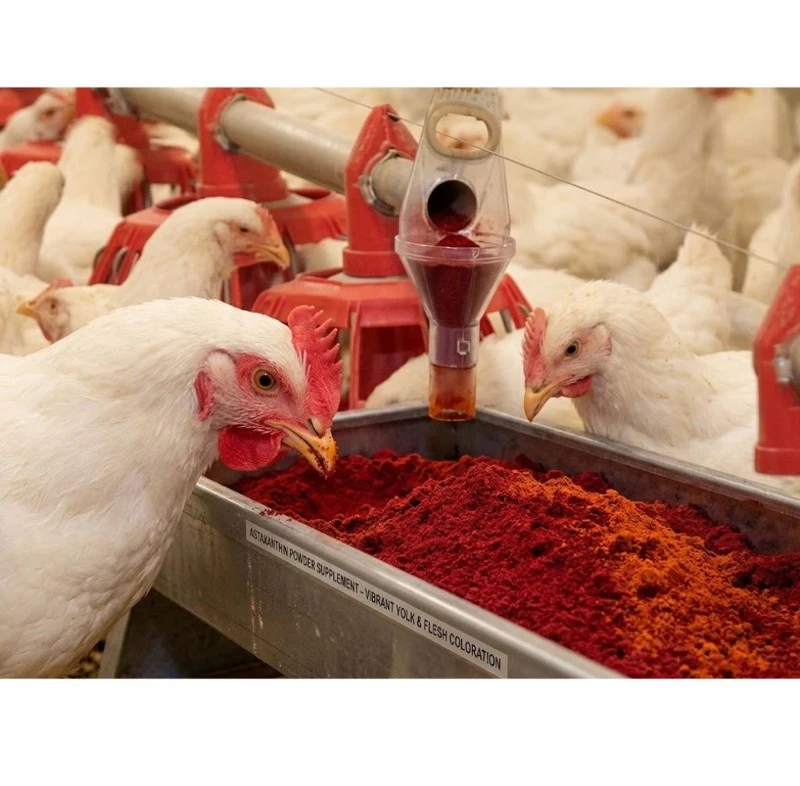
Astaxanthin Powder and Other Poultry Pigments
Astaxanthin is not the only carotenoid used for egg pigmentation.
Different carotenoids contribute different shades:
| Carotenoid | Typical pigmentation contribution |
|---|---|
| Lutein | Yellow to golden-yellow |
| Zeaxanthin | Yellow to orange-yellow |
| Canthaxanthin | Red-orange |
| Astaxanthin | Red-orange |
| Beta-carotene | Yellow-orange |
The final yolk color depends on the total carotenoid profile of the diet rather than a single ingredient.
For this reason, feed manufacturers may use blends of carotenoids to achieve a particular yolk color target.
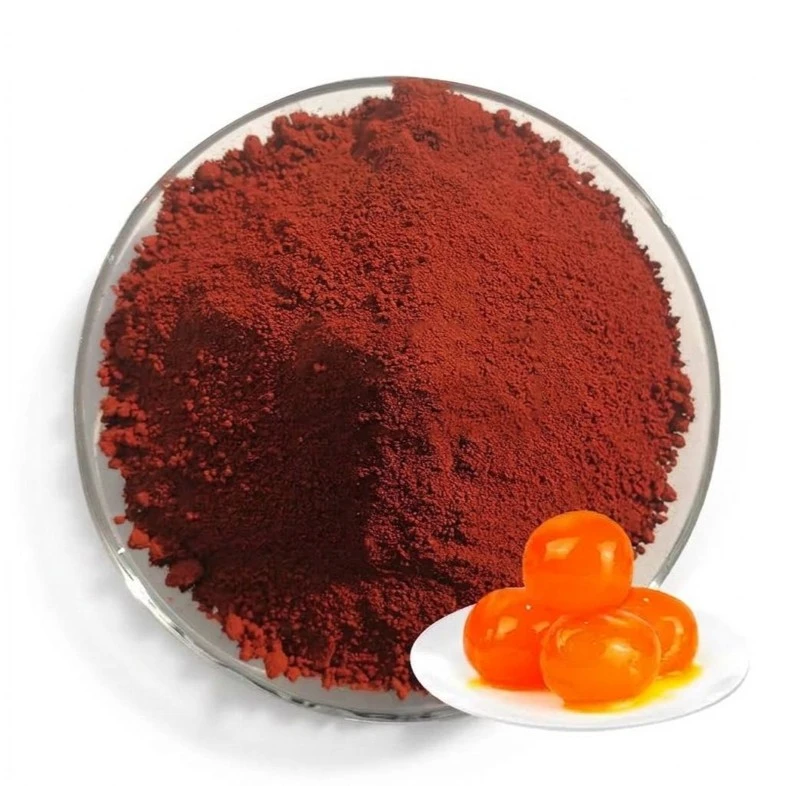
Factors Affecting Egg Yolk Color
The response to Astaxanthin Powder can vary between poultry operations. Important factors include:
Dietary Carotenoid Background
If the basal diet already contains high concentrations of lutein, zeaxanthin, or other pigments, the final color response to additional astaxanthin may differ.
Astaxanthin Source
Natural and synthetic astaxanthin products can have different chemical profiles and bioavailability.
Formulation and Particle Size
Fine powders, stabilized preparations, emulsions, and water-dispersible forms can have different absorption characteristics.
Inclusion Level
More astaxanthin does not necessarily mean proportionally better results. Research has shown that moderate supplementation can be effective for yolk pigmentation, while very high supplementation may offer limited additional benefit relative to the increased inclusion level.
Feeding Duration
Carotenoid deposition develops over time. Consistent feeding is therefore important when targeting a stable yolk color.
Hen Age and Production Stage
The response can also vary according to the age and physiological status of laying hens.
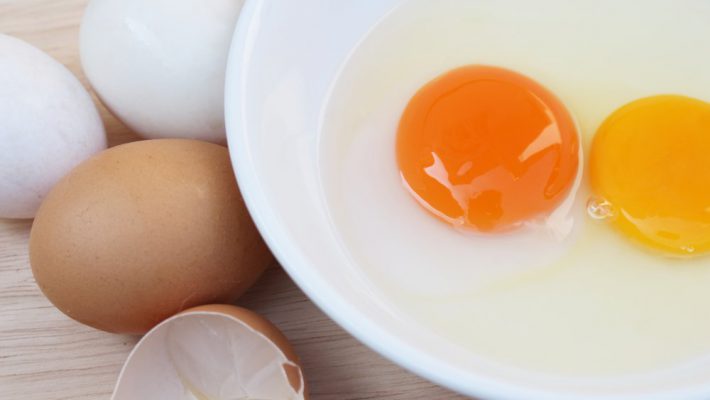
How Much Astaxanthin Should Be Added to Poultry Feed?
There is no single universal astaxanthin dosage suitable for every poultry feed formulation.
Published studies have used substantially different inclusion levels depending on the astaxanthin source, experimental design, formulation, and target outcome. For example, research has tested natural astaxanthin at 20–160 mg/kg feed and other preparations at different concentrations.
Commercial feed manufacturers should therefore establish the appropriate inclusion rate based on:
- Astaxanthin concentration
- Product bioavailability
- Desired yolk color
- Existing dietary carotenoids
- Hen age
- Feed formulation
- Feeding period
- Applicable feed regulations
The goal should be an effective and economical pigmentation program rather than simply maximizing astaxanthin inclusion.
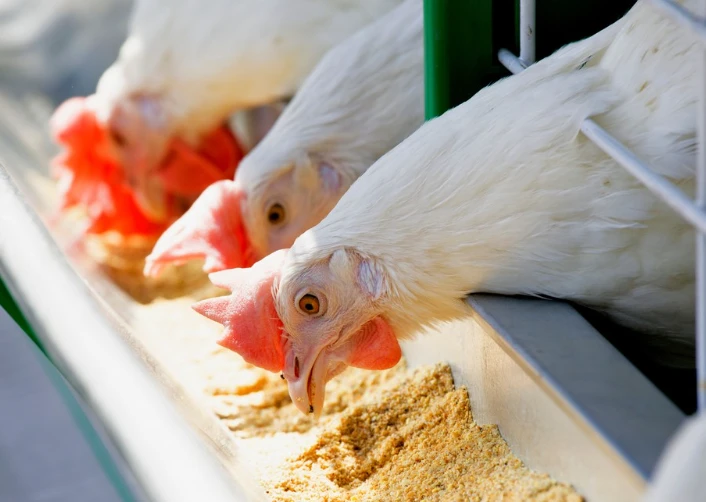
Quality Considerations When Buying Astaxanthin Powder
For poultry feed manufacturers and distributors, product quality is critical.
Astaxanthin Assay
The declared astaxanthin concentration should be verified through reliable analytical testing.
Source and Form
The source should be clearly identified, such as Haematococcus pluvialis, Phaffia rhodozyma, or another production source.
Bioavailability
The physical form and formulation can influence absorption and yolk deposition.
Stability
Astaxanthin is sensitive to environmental conditions, including oxygen, light, heat, and processing conditions. Stabilized formulations and suitable packaging can help maintain product quality.
Batch Consistency
Consistent astaxanthin concentration and physical characteristics are important for predictable feed formulation.
COA and Testing
Commercial buyers should request a Certificate of Analysis, product specification, microbiological information, and other relevant quality documentation.
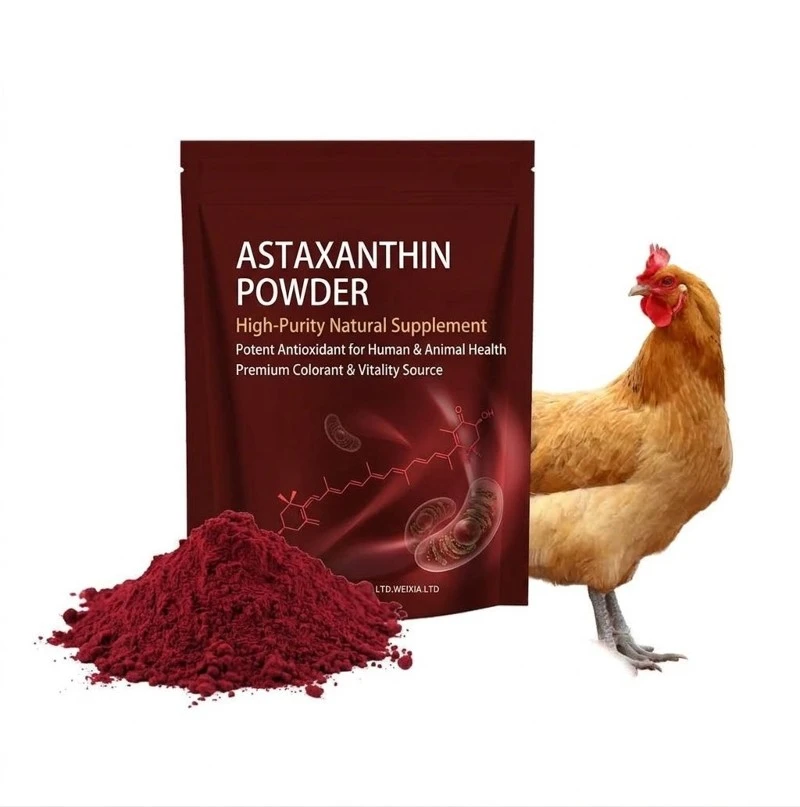
Applications of Astaxanthin Powder in Poultry
Astaxanthin Powder can be considered for several poultry nutrition applications:
- Laying hen feed for egg yolk pigmentation
- Premium egg production where deeper yolk color is desired
- Carotenoid-enriched egg programs
- Poultry premixes
- Functional poultry feed formulations
- Custom carotenoid blends
- Natural pigmentation strategies
Specialized feed formulations for commercial egg producers
Its strongest established application in laying hens is still egg yolk pigmentation, while antioxidant and broader nutritional effects remain areas of active research.
Conclusion
Astaxanthin Powder for Poultry is a valuable carotenoid ingredient for laying-hen feed, particularly when the objective is to improve egg yolk color and carotenoid deposition.
Research has consistently demonstrated that dietary astaxanthin can increase yolk pigmentation, with the final response depending on the source, formulation, inclusion level, feeding duration, and the other carotenoids present in the diet.
Beyond color, studies have also associated astaxanthin supplementation with changes in antioxidant defense markers and other physiological parameters in laying hens.
For commercial poultry nutrition, selecting a high-quality, stable, and bioavailable Astaxanthin Powder is essential. Feed manufacturers should consider not only the stated astaxanthin content but also formulation, solubility, stability, source, and batch consistency.
With appropriate formulation, astaxanthin can be an effective component of a premium poultry feed and egg yolk pigmentation strategy.
References
Osawa, Y., Kuwahara, D., Hayashi, Y., & Honda, M. (2024). Effects of Astaxanthin Preparation Form on the Efficiency of Egg Yolk Pigmentation in Laying Hens. Journal of Oleo Science, 73(1), 25–34.
Dietary supplementation with natural astaxanthin from Haematococcus pluvialis improves antioxidant enzyme activity, free radical scavenging ability, and gene expression of antioxidant enzymes in laying hens.
Astaxanthin supplementation enriches productive performance, physiological and immunological responses in laying hens.
Assessment of Response to Moderate and High Dose Supplementation of Astaxanthin in Laying Hens.
Dietary supplementation with astaxanthin alleviates ovarian aging in aged laying hens by enhancing antioxidant capacity and increasing reproductive hormones.
High dietary astaxanthin supplementation alters egg yolk nutritional composition in hens.
FAQ
Q1: What is Astaxanthin Powder for Poultry?
A1: Astaxanthin Powder is a carotenoid feed ingredient used in poultry nutrition, particularly in laying-hen diets. It provides a strong red-orange pigment that can be deposited into egg yolks, helping produce deeper orange or reddish yolk colors. Astaxanthin can be obtained from biological sources such as Haematococcus pluvialis and Phaffia rhodozyma or produced through synthetic processes.
Q2: How does Astaxanthin Powder improve egg yolk color?
A2: After dietary carotenoids are absorbed, they can be transported through the bloodstream and deposited into developing egg yolks. Astaxanthin contributes a red-orange color, which can shift yolk appearance toward deeper orange or reddish tones. The final result depends on the astaxanthin source, inclusion level, formulation, feeding period, and other carotenoids in the diet.
Q3: What are the main benefits of Astaxanthin Powder for laying hens?
A3: The primary benefit is enhanced egg yolk pigmentation. Astaxanthin also supports carotenoid deposition in eggs and has antioxidant potential that has been investigated in laying-hen nutrition. These characteristics make it suitable for premium poultry feed and specialized egg production programs.
Q4: Can Astaxanthin Powder be used for premium egg production?
A4: Yes. Astaxanthin can be incorporated into laying-hen feed when producers want a deeper or more distinctive yolk color. Because astaxanthin can accumulate in egg yolks, it may also be used in carotenoid-enriched egg programs. Any nutritional claims for finished eggs should be based on actual product composition and applicable regulations.
Q5: What poultry feeds can contain Astaxanthin Powder?
A5: Astaxanthin Powder can be used in laying-hen feed, poultry premixes, functional poultry feed formulations, premium egg production programs, natural pigmentation strategies, and customized carotenoid blends. Its strongest established application is egg yolk pigmentation.
Q6: What natural sources of Astaxanthin are used in poultry feed?
A6: Common biological sources include Haematococcus pluvialis, a microalga known for its high natural astaxanthin content, and Phaffia rhodozyma, an astaxanthin-rich yeast. When purchasing a commercial product, buyers should check the source, astaxanthin concentration, formulation, stability, and suitability for the intended feed application.
Q7: How much Astaxanthin Powder should be added to poultry feed?
A7: There is no single dosage suitable for every poultry feed formulation. Published studies have used different inclusion levels depending on the astaxanthin source, preparation, and target outcome, including studies using approximately 20–160 mg/kg feed. Commercial manufacturers should determine the appropriate level according to product concentration, bioavailability, desired yolk color, existing dietary carotenoids, hen age, feeding period, and applicable regulations.
Q8: Can Astaxanthin be combined with other poultry pigments?
A8: Yes. Astaxanthin can be combined with carotenoids such as lutein, zeaxanthin, canthaxanthin, and beta-carotene. Different carotenoids contribute different shades, so combining several sources can help feed manufacturers develop a specific yolk pigmentation strategy.
Q9: What should buyers check when purchasing Astaxanthin Powder for poultry feed?
A9: Buyers should evaluate the declared astaxanthin assay, source, physical form, bioavailability, stability, solubility, particle size, and batch consistency. Because astaxanthin is sensitive to oxygen, light, heat, and processing conditions, suitable stabilization and packaging are also important. A COA, product specification, microbiological information, and other relevant quality documents should be requested.
Q: Q10: Why choose HJHERB BIOTECH for Astaxanthin Powder?
A: A10: HJHERB BIOTECH provides natural ingredient solutions for animal nutrition and specialized feed applications. Buyers can request product specifications, COA, MSDS, testing documentation, and samples for evaluation. Bulk supply, OEM/private-label packaging, customized specifications, and formulation support can also be discussed according to project requirements.