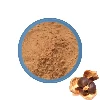
As agriculture moves toward more sustainable and resource-efficient production, plant-based fertilizer materials are gaining attention among growers, fertilizer manufacturers, and agricultural suppliers. Tea Seed Meal Powder for Fertilizer is one such material, offering a combination of organic matter, plant nutrients, and naturally occurring bioactive compounds.
Tea Seed Meal is produced from the seeds of Camellia oleifera after oil extraction. The resulting meal or cake contains components such as proteins, polysaccharides, organic matter, and tea saponins. Because it is a by-product of tea seed oil production, using Tea Seed Meal Powder in agricultural applications can also contribute to better utilization of agricultural resources.
For fertilizer applications, Tea Seed Meal Powder is best considered a plant-derived organic fertilizer material or soil amendment rather than a complete replacement for balanced NPK fertilizer. Its actual fertilizer value depends on its nutrient composition, processing method, moisture content, saponin level, and other product specifications.
What Is Tea Seed Meal Powder?
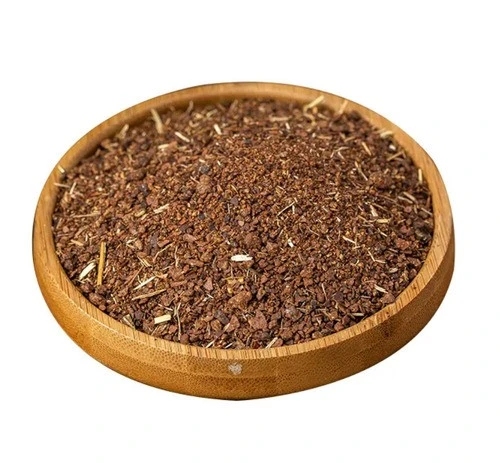
Tea Seed Meal Powder is a powdered form of the solid residue obtained after oil is extracted from Camellia oleifera seeds. It is also commonly referred to as tea seed cake or tea seed meal.
During oil processing, much of the oil is removed while a solid material containing various plant components remains. Research indicates that Camellia oleifera seed meal contains bioactive substances including tea saponins, polysaccharides, and polyphenols.
The exact composition can vary according to:
- Tea seed variety
- Oil extraction method
- Processing conditions
- Degree of grinding
- Moisture content
- Saponin concentration
- Storage conditions
These factors are important when Tea Seed Meal Powder is used as a commercial fertilizer ingredient.
Why Use Tea Seed Meal Powder as Fertilizer?
Tea Seed Meal Powder offers several characteristics that make it interesting for sustainable agricultural formulations.
Unlike conventional mineral fertilizers that are primarily designed to provide specific amounts of nitrogen, phosphorus, and potassium, Tea Seed Meal is a more complex plant-derived material. It can contribute organic matter and nutrients while also providing naturally occurring saponins.
Research has identified defatted tea seed cake as a potential material for applications including fertilizer, while recent reviews highlight the opportunity to increase the value of Camellia oleifera processing by-products.
Benefits of Tea Seed Meal Powder for Soil
1. Adds Plant-Derived Organic Matter
One of the main benefits of Tea Seed Meal Powder is its organic origin.
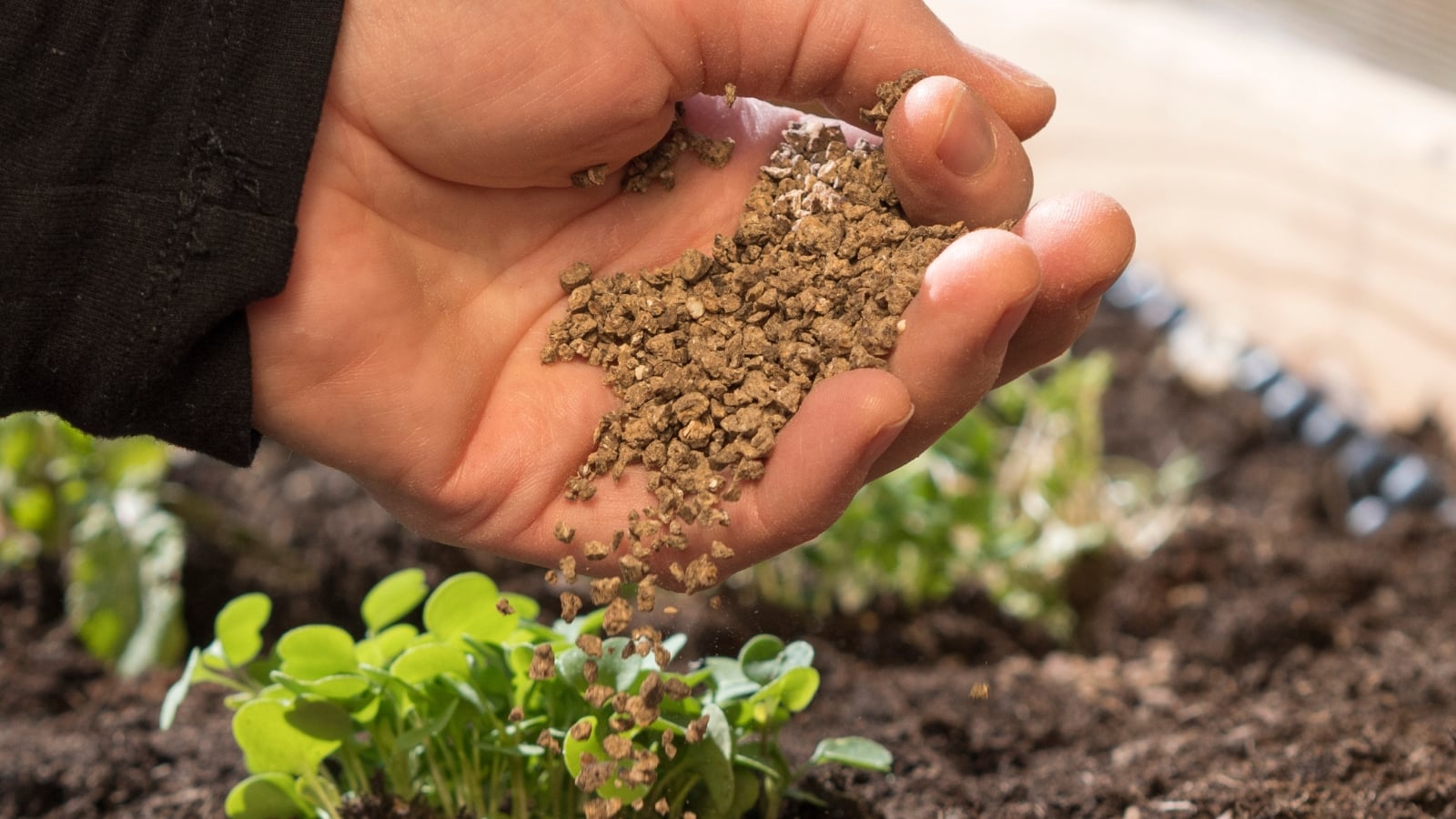
When incorporated into soil or used in an organic fertilizer formulation, Tea Seed Meal can contribute plant-derived organic material. Organic inputs can play an important role in long-term soil management by contributing carbon and supporting soil physical and biological processes.
For this reason, Tea Seed Meal Powder can be used as one component of a broader soil fertility program.
2. Provides Naturally Occurring Nutrients
Tea Seed Meal contains nutrients originating from the tea seed. The actual nitrogen, phosphorus, potassium, and other mineral contribution depends on the specific raw material and processing method.
Therefore, fertilizer manufacturers should analyze the product rather than assuming a fixed nutrient composition.
A Certificate of Analysis can help determine parameters such as:
- Total nitrogen
- Available phosphorus
- Potassium
- Organic matter
- Moisture
- Ash
- Saponin content
Tea Seed Meal can then be combined with other nutrient sources to create a more balanced fertilizer formulation.
3. Contains Natural Tea Saponins
Tea saponins are one of the most distinctive components associated with Camellia seeds.
These naturally occurring compounds have surface-active properties and have been widely studied for their biological and agricultural potential.
The presence of tea saponins gives Tea Seed Meal Powder additional functional characteristics compared with many conventional organic fertilizer materials.
However, saponin concentration should be considered when developing crop fertilizer formulations because plant responses can vary with concentration and crop species.
4. Supports Sustainable Use of Agricultural By-Products
Tea Seed Meal Powder provides an opportunity to convert a by-product of tea seed oil production into a useful agricultural material.
This approach supports the broader concept of circular agriculture, in which agricultural processing residues are recovered and transformed into value-added products rather than being discarded.
Research has specifically highlighted the potential for higher-value utilization of Camellia oleifera seed meal and its saponin-rich components.
Tea Seed Meal Powder for Crop Growth
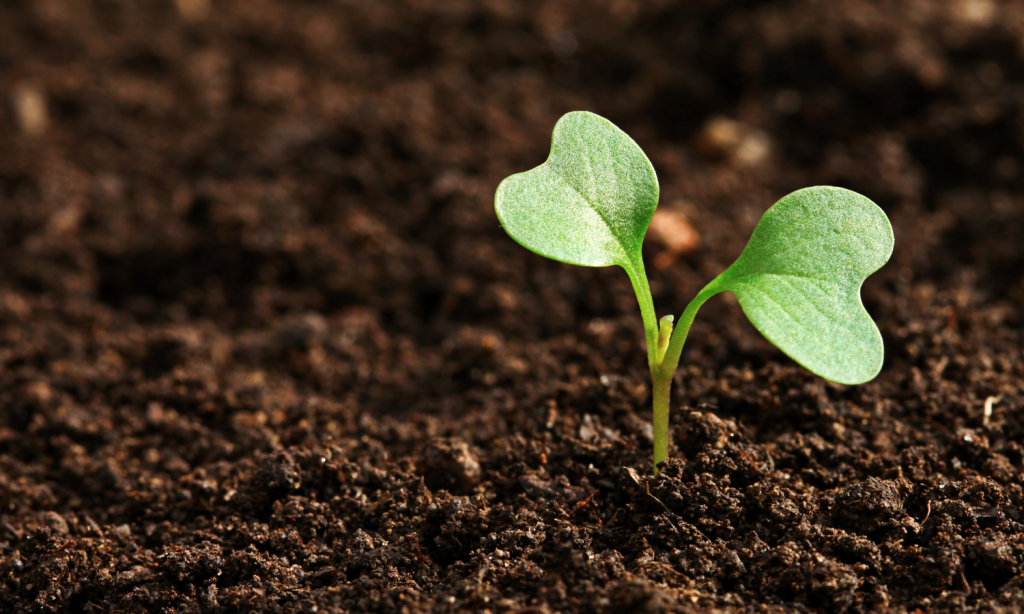
Tea Seed Meal Powder can contribute to crop production mainly by supplying organic material and nutrients and by being incorporated into soil-management programs.
Its effect on crop growth depends on the crop, soil, application rate, and product composition.
Research on Camellia seed cake has investigated its relationship with plant growth, soil microorganisms, and soil nematodes. In one study, application of Camellia seed cake influenced plant growth and soil biological characteristics, demonstrating that the material can have multiple effects within the soil system.
These findings support the potential use of Tea Seed Meal in agricultural systems, but they should not be interpreted as a universal application recommendation for every crop.
Main Uses of Tea Seed Meal Powder for Fertilizer
Organic Fertilizer Formulations
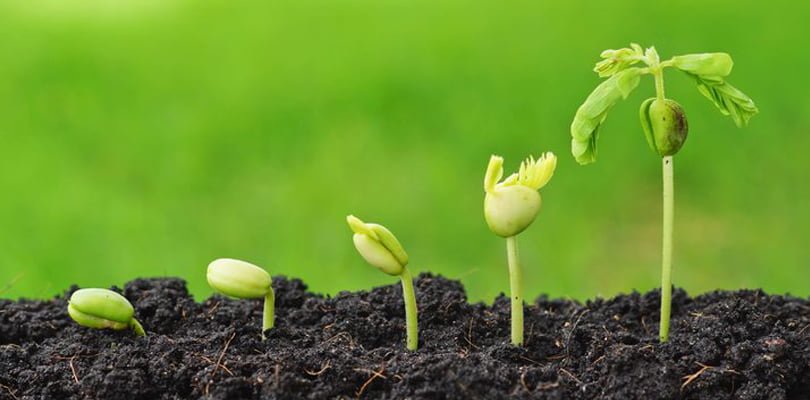
Tea Seed Meal Powder can be combined with other organic materials to manufacture organic fertilizer products.
It can contribute organic matter and naturally occurring nutrients while providing a plant-derived raw material for fertilizer blends.
For commercial products, combining Tea Seed Meal with additional nutrient sources can help create a more balanced formulation.
Soil Amendment
Tea Seed Meal Powder can be incorporated into soil as part of an organic soil-management program.
Its organic components can contribute to the overall organic material added to agricultural soil.
Composting
Tea Seed Meal can also be used as a feedstock or ingredient in composting.
Research on co-composting Camellia oleifera seed cake with other plant materials found that composting reduced saponin and tannin contents while improving the fertilizer characteristics of the resulting compost. The study reported increases in organic matter and total nutrient content as the proportion of seed cake increased.
This makes composting an interesting option when the goal is to convert Tea Seed Meal into a more stabilized organic fertilizer material.
Crop Production
Tea Seed Meal Powder can be incorporated into fertilizer programs for various agricultural crops, depending on local regulations and product specifications.
Potential applications include:
- Vegetable production
- Fruit and orchard crops
- Field crops
- Tea and other plantation crops
- Horticultural plants
- Nursery production
- Organic fertilizer blends
The appropriate application method should be determined according to crop requirements and soil conditions.
Tea Seed Meal Powder for Composting
Composting is particularly useful when Tea Seed Meal is intended for use as a mature organic fertilizer rather than as a raw soil amendment.
During composting, microorganisms break down organic compounds and transform the original material into a more stable product.
A study on co-composting Camellia oleifera seed cake found substantial reductions in saponin and tannin contents during the composting process. The researchers also reported improved maturity, fertilizer quality, and safety of the resulting compost.
This demonstrates how Tea Seed Meal can be integrated into a circular agricultural system.
Tea Seed Meal Powder vs. Conventional Fertilizer
Tea Seed Meal Powder and conventional mineral fertilizer have different roles.
| Feature | Tea Seed Meal Powder | Conventional NPK Fertilizer |
|---|---|---|
| Origin | Plant-derived | Usually mineral/synthetic |
| Organic matter | Present | Usually limited |
| Nitrogen | Naturally occurring, variable | Precisely formulated |
| Phosphorus | Naturally occurring, variable | Precisely formulated |
| Potassium | Naturally occurring, variable | Precisely formulated |
| Tea saponins | Naturally present | Generally absent |
| Main role | Organic fertilizer material/soil amendment | Targeted nutrient supply |
| Formulation | Often combined with other materials | Often formulated to specific NPK ratios |
For this reason, Tea Seed Meal Powder is generally better positioned as a complementary organic fertilizer ingredient rather than a direct one-to-one replacement for NPK fertilizer.
How to Use Tea Seed Meal Powder as Fertilizer
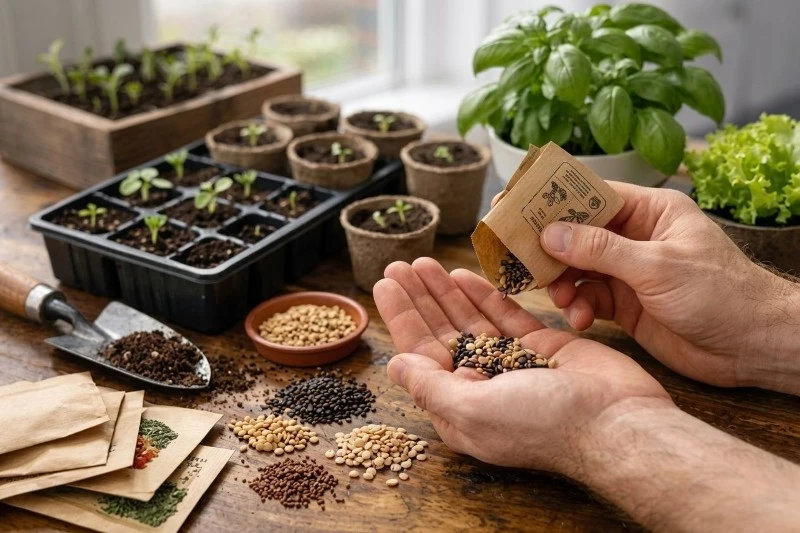
There is no universal application rate for Tea Seed Meal Powder.
The appropriate amount depends on:
- Crop species
- Soil fertility
- Soil organic matter
- Product nutrient content
- Saponin concentration
- Moisture level
- Application method
- Whether the product is raw or composted
- Local agricultural conditions
Before large-scale application, fertilizer manufacturers and growers should conduct small-scale compatibility and crop-response testing.
This is especially important because naturally occurring saponins can have concentration-dependent biological effects. The response may vary between crops and soil environments.
Important Quality Factors When Buying Tea Seed Meal Powder
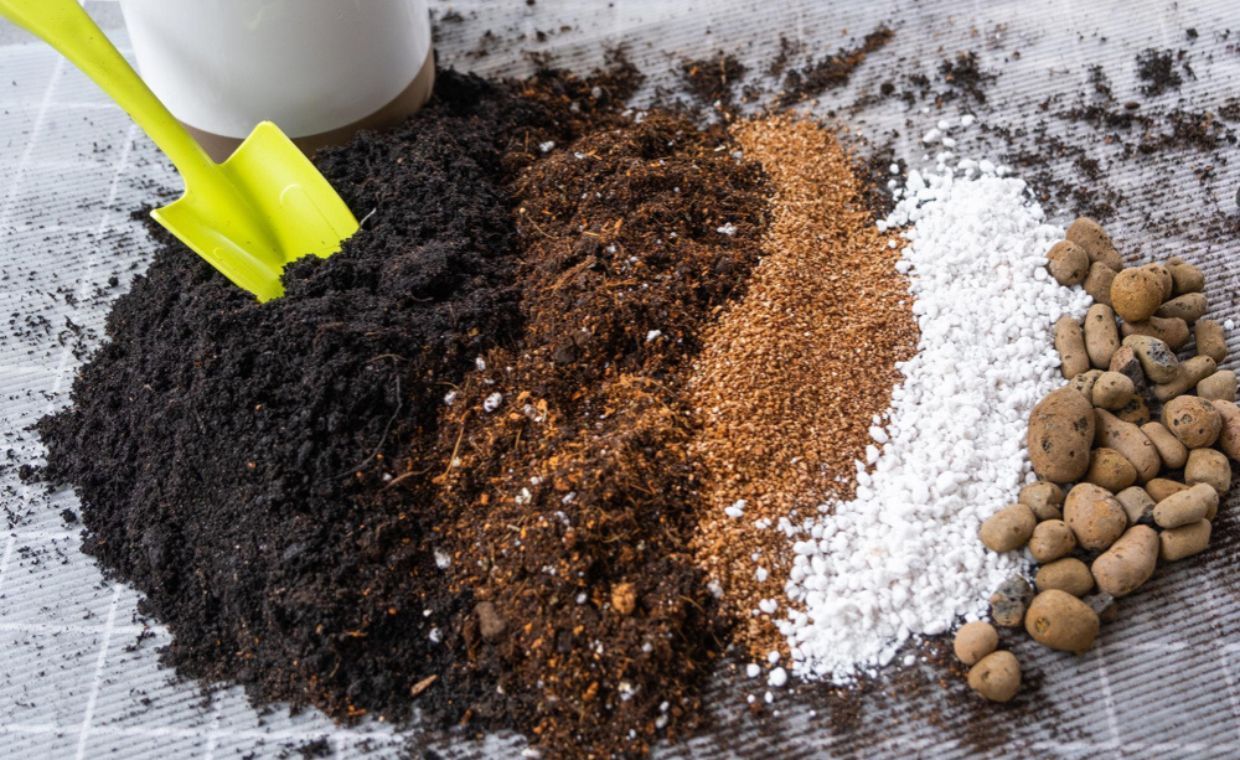
For commercial fertilizer production, consistent raw material quality is essential.
Organic Matter
Organic matter content helps determine the material's value as an organic fertilizer ingredient or soil amendment.
Nutrient Content
Check nitrogen, phosphorus, potassium, and other relevant nutrient parameters through laboratory analysis.
Tea Saponin Content
Saponin concentration can vary significantly between products and should be clearly specified when it is an important functional component.
Moisture
Controlled moisture improves storage stability, handling, and transportation efficiency.
Particle Size
Fine, consistent powder can improve blending and distribution within fertilizer formulations.
Purity
The material should be tested for relevant contaminants, including heavy metals, pesticide residues, and microbiological parameters where required.
Batch Consistency
Consistent specifications are particularly important for fertilizer manufacturers producing standardized commercial products.

Is Tea Seed Meal Powder a Complete Fertilizer?
Not necessarily.
Tea Seed Meal Powder contains organic matter and naturally occurring nutrients, but its nutrient profile is not necessarily balanced enough to meet the complete nutritional requirements of every crop.
Instead, it can be used as:
Tea Seed Meal Powder + Other Organic Nutrient Sources + Mineral Fertilizers = Customized Crop Nutrition Program
This approach allows manufacturers and growers to use Tea Seed Meal for its organic and functional characteristics while obtaining precise nutrient levels from other fertilizer ingredients.

Why Tea Seed Meal Powder Is Suitable for Sustainable Agriculture
One of the biggest advantages of Tea Seed Meal Powder is its connection to resource recovery.
Tea seed oil production generates substantial amounts of by-products, including seed meal. Recent research emphasizes the potential to extract valuable compounds such as tea saponins from this material and develop higher-value applications.
Using Tea Seed Meal in fertilizer and composting systems can therefore contribute to:
- Agricultural waste reduction
- Resource recycling
- Plant-based fertilizer development
- Organic matter management
- Circular agriculture
- Value-added utilization of oil-processing by-products
Conclusion
Tea Seed Meal Powder for Fertilizer is a plant-derived agricultural material with applications in organic fertilizer formulations, soil amendment, composting, and crop production.
Produced from Camellia oleifera seeds after oil extraction, Tea Seed Meal contains organic matter, naturally occurring nutrients, and tea saponins. These characteristics make it more than simply an agricultural processing residue and provide opportunities for value-added fertilizer applications.
Research has also demonstrated the potential of Camellia seed cake in composting and soil-management applications. Composting can reduce certain naturally occurring compounds while producing a more stabilized organic fertilizer material.
For fertilizer manufacturers, agricultural distributors, and growers, Tea Seed Meal Powder can be a useful plant-based ingredient for sustainable fertilizer and soil-management programs. Its performance depends on product quality, nutrient composition, saponin content, application rate, crop requirements, and soil conditions.
Rather than treating Tea Seed Meal Powder as a complete replacement for NPK fertilizer, it is better utilized as part of a customized crop nutrition and soil improvement strategy.
References
Zhang, J. et al. (2025). Advances in Camellia oleifera seed meal Saponins: Extraction, analysis, bioactivity, and application. Food Chemistry, 492, 145277.
Guo, N. et al. (2018). Saponins from seeds of Genus Camellia: Phytochemistry and bioactivity. Phytochemistry, 149, 42–55.
Yang, X. et al. Exploring patterns of Camellia seed cake application in relation to plant growth, soil nematodes and microbial biomass. Soil Science and Plant Nutrition.
Zhang, J. et al. Degradations of tannin and saponin and changes in nutrition during co-composting of shell and seed cake of Camellia oleifera Abel. BioResources.
Hu, H. et al. (2020). Optimization of aerobic composting process of Camellia oleifera seed cake and its fertilizer efficiency. Journal of Physics: Conference Series, 1549, 022102.
FAQ
Q1: What is Tea Seed Meal Powder?
A1: Tea Seed Meal Powder is the powdered residue obtained from Camellia oleifera seeds after oil extraction. It is also known as tea seed cake or tea seed meal and contains organic matter, proteins, polysaccharides, naturally occurring nutrients, and tea saponins.
Q2: Is Tea Seed Meal Powder a fertilizer?
A2: Tea Seed Meal Powder can be used as a plant-derived organic fertilizer material or soil amendment. However, it is not necessarily a complete fertilizer because its nitrogen, phosphorus, and potassium content can vary according to the raw material and processing method. It is often combined with other nutrient sources to create a balanced fertilizer formulation.
Q3: What are the benefits of Tea Seed Meal Powder for soil?
A3: Tea Seed Meal Powder can add plant-derived organic matter to soil and contribute naturally occurring nutrients. Its organic components can support broader soil-management programs, while its tea saponin content provides additional functional characteristics compared with many conventional organic fertilizer materials.
Q4: Can Tea Seed Meal Powder support crop growth?
A4: Yes, Tea Seed Meal Powder can be incorporated into crop production and soil-management programs. Its effects depend on the crop, soil condition, application rate, nutrient composition, and saponin concentration. It can be used for vegetables, fruit and orchard crops, field crops, tea and plantation crops, horticultural plants, and nursery production.
Q5: What role do tea saponins play in Tea Seed Meal Powder?
A5: Tea saponins are naturally occurring compounds found in Camellia oleifera seeds. They have surface-active properties and are an important functional component of Tea Seed Meal Powder. However, saponin concentration should be considered when developing fertilizer formulations because plant responses can vary according to concentration and crop species.
Q6: Can Tea Seed Meal Powder be used for composting?
A6: Yes. Tea Seed Meal Powder can be used as a feedstock or ingredient in composting. During composting, microorganisms break down organic compounds, and research has shown that co-composting Camellia oleifera seed cake can reduce saponin and tannin contents while improving the maturity and fertilizer characteristics of the resulting compost.
Q7: How is Tea Seed Meal Powder different from conventional NPK fertilizer?
A7: Tea Seed Meal Powder is a plant-derived organic material containing organic matter and naturally occurring nutrients, while conventional NPK fertilizers are formulated to provide specific amounts of nitrogen, phosphorus, and potassium. Tea Seed Meal Powder is generally better used as a complementary organic fertilizer ingredient or soil amendment rather than a direct replacement for balanced NPK fertilizer.
Q8: How much Tea Seed Meal Powder should be applied to soil?
A8: There is no universal application rate. The appropriate amount depends on the crop species, soil fertility, organic matter, product nutrient content, saponin concentration, moisture, application method, and whether the material is raw or composted. Small-scale compatibility and crop-response testing is recommended before large-scale application.
Q9: What should buyers check when purchasing Tea Seed Meal Powder for fertilizer?
A9: Buyers should check organic matter, nitrogen, phosphorus, potassium, saponin content, moisture, particle size, purity, and batch consistency. Testing for relevant contaminants, including heavy metals, pesticide residues, and microbiological parameters where required, is also important. A Certificate of Analysis (COA) can help verify product specifications.
Q10: Why choose HJHERB BIOTECH for Tea Seed Meal Powder?
A10: HJHERB BIOTECH provides plant-based agricultural ingredients for fertilizer, soil improvement, and related applications. Customers can request product specifications, COA, MSDS, testing documents, samples, and bulk quotations. OEM/private-label packaging and customized solutions can also be discussed according to specific fertilizer manufacturing requirements.