Astaxanthin is often termed perhaps the most powerful natural antioxidant, offering benefits to skin health, eye health, and inflammation; supporting cardiovascular function and general well-being.
That's made astaxanthin supplements very popular-but not all supplements are created equal. In this blog, we will dive into what to look for when choosing an astaxanthin supplement, what makes a product "top-tier", and how to use it wisely for the best results.
Why Astaxanthin Supplements Are Popular
Before jumping into "best practices," it aids to recall why people take astaxanthin.
Astaxanthin is a powerful antioxidant: it has the ability to neutralize free radicals and decrease oxidative stress.
It may support eye health, protecting retinal tissue while decreasing eye strain-helpful in our increasingly screen-heavy lives.
It has anti-inflammatory action and also protects the cardiovascular system by protecting vessels and improving lipid profiles.
It could help support skin health, bone and joint health, and general cellular defense.
Due to these various potential benefits, astaxanthin supplementation-if done properly-can prove a very valuable addition to a health or wellness regimen.
What to Look for in a High-Quality Astaxanthin Supplement
Not all astaxanthin supplements are effective. Following are the criteria that make up a good supplement:
1.Natural Source - Preferably Algae-Derived
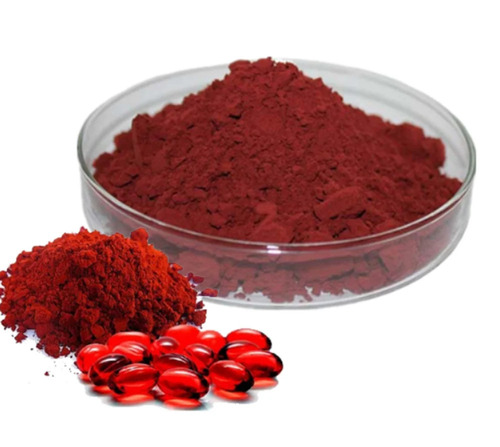
These microalgae, especially of the species Haematococcus pluvialis, give the most reliable and bioactive form of astaxanthin. Supplements advertising algae-derived astaxanthin will generally deliver better antioxidant activity than cheaper synthetics or low-quality extracts.
2. Clear Labeling and Transparent Content
You want a supplement to clearly state how much astaxanthin is in each capsule or softgel. Ambiguous labeling or "proprietary blend" language can hide how much of the active ingredient you are actually getting. If possible, exact milligrams of astaxanthin per dose should be listed.
3. Appropriate Delivery Mechanism - for Improved Absorption
Because astaxanthin is a fat-soluble compound, it is only properly absorbed when combined in a supplement formulation with oils or lipids-for example, softgels or oil-based capsules. Supplements that contain healthy fats can assure effective absorption instead of mostly being wasted.
4. Purity, Stability, and Testing
Good supplements avoid contaminants such as heavy metals, pesticides, and fillers and are usually tested by third parties. Care should also be given to packaging-for example, using opaque containers with good sealing-since astaxanthin degrades with light, oxygen, heat, or moisture.
5. Quality or brand name check
Since astaxanthin supplements are not regulated like pharmaceutical drugs, brand reputation, customer reviews, and third-party quality certifications-if available-are valuable signs that you're receiving an authentic, safe product.
6. Dosage: Realistic and efficacious
In most scientific research of astaxanthin, the intake that is being followed is about 4 – 12 mg per day for antioxidant or general health benefits.
Larger doses are sometimes applied in trials but these are under professional guidance. However, the risk of side effects cannot be completely avoided with dosages larger than recommended and taken longer than directed, which may include problems in digestion.
7. Value for money spent: not always cheap but worth the price.
Cheap supplements cut corners because high-quality astaxanthin requires care in sourcing, extraction, and packing to preserve potency. A more expensive but high-quality product may be better absorbed, potent, and consistent-often a better value per mg of real astaxanthin.
Common Pitfalls - What to Avoid
- Supplements that clearly do not indicate either the source or dosage.
- No quality control is known, no testing, and no certification.
- Pills with poor delivery systems, like plain dry powder, that reduce absorption.
- Over-dosing or expecting immediate results; with antioxidants, consistency is the key.
It's not alright to make supplements behave like magic pills; they work best in conjunction with good diet, lifestyle, and nutrient intake.
Dosage and Recommended Use
Here is a rough practical guideline for persons planning to supplement responsibly.
- Typical daily dosage for general health: 4 – 12 mg per day (taken with a fat-containing meal).
- Duration: Benefits tend to build over weeks. Indeed, many studies have pointed out improvements in oxidative stress, skin or eye parameters, and joint comfort, usually after several weeks of regular intake.
- Consultation with the healthcare provider is required before supplementation, in case of health conditions such as blood pressure, immune issues, pregnancy, and others.

Final Thoughts: What a "Best" Astaxanthin Supplement Means
The "best" astaxanthin supplement isn't necessarily the most expensive or the most hyped - it's the one that
- uses a trusted, natural source (preferably microalgae),
- is clearly labeled with real dosage,
- uses a bioavailable formulation (oil-based capsule/softgel),
- maintains high purity and quality control standards, and
- offers consistent, evidence-based dosage that makes sense for your needs.
And if you check those boxes-and combine supplementation with a healthy lifestyle-astaxanthin can indeed be quite a powerful ally in supporting antioxidant protection, eye health, skin wellness, and general resilience against oxidative stress.