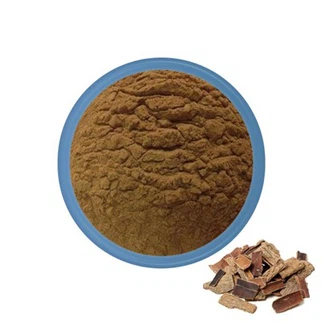
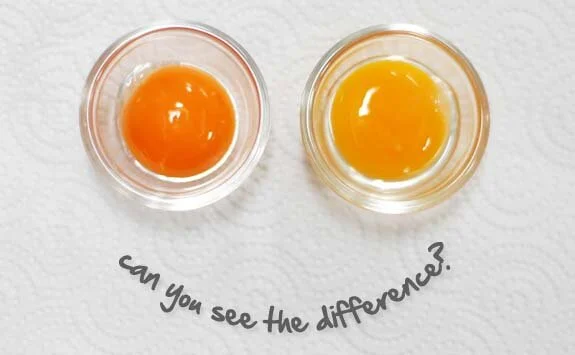
In egg production, color of the yolk is a prime quality characteristic. Orange, golden yolks are, in consumers' minds, synonymous with health, nutritional excellence, and improved flavor-when consumers' assumptions are not necessarily scientifically justified. To poultry growers and feed millers, bringing about that healthy yolk color naturally is marketing value and a problem.
Enter astaxanthin, a potent, naturally occurring pigment that's redefining enhancing egg yolk color-without resorting to artificial additives. But just how does astaxanthin compare, and why is it gaining traction as a preferred option among poultry producers?

What Is Astaxanthin?
Astaxanthin is a red-orange carotenoid present in:
- Microalgae (Haematococcus pluvialis)
- Krill and shrimp
- Wild salmon and other marine life
It's the cause of salmon's reddish-pink color, shrimp's pink color, and flamingo's pink color. In poultry, it's a color enhancer and a dietary antioxidant, so it's used as a multi-purpose feed additive.

The Meaning of Egg Yolk Color
Yolk color influences:
- Consumer perception: Pale or bright yolks are perceived as fresher and healthier.
- Market value: Very colored eggs fetch a premium price in most markets.
- Brand reputation: High-end pig egg brands depend on yolk color consistency to maintain market position.
Producers have supplemented yolk color for many years with feed ingredients such as corn gluten meal, marigold extract (lutein), and synthetic canthaxanthin. Natural pigments such as astaxanthin are gaining popularity, however, as consumers more and more insist on clean-label, antibiotic-free, and naturally colored products.
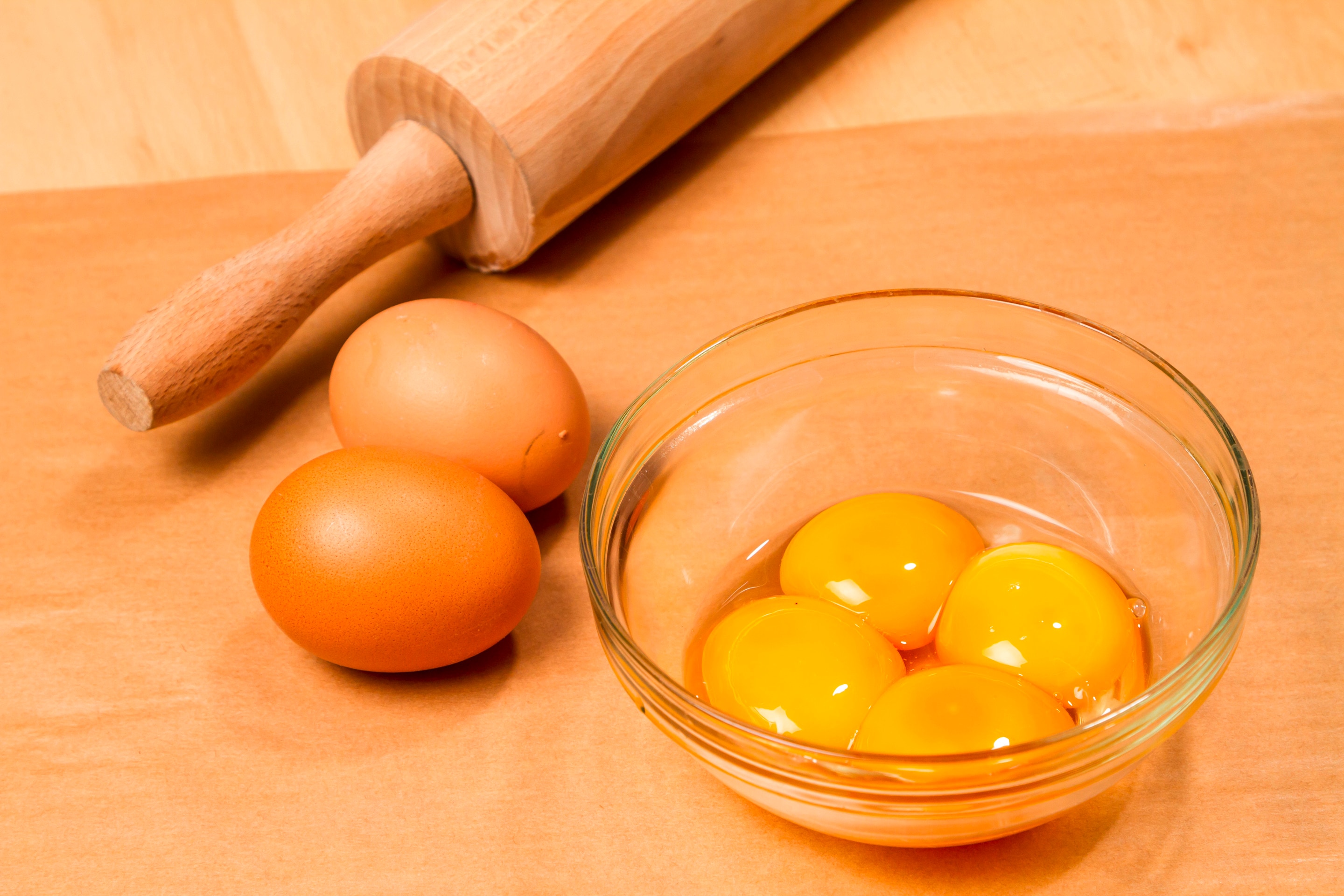
Astaxanthin: A Natural Yolk Color Enhancer
Supplementation of astaxanthin in layer diets has the following consequences:
- Deposits directly in the egg yolk, making it richer in color
- Assumes a bright orange to reddish tone, depending on concentration
- Synergistically acting with lutein and other xanthophylls in tone control
As opposed to chemical pigments, astaxanthin is a natural pigment possessing antioxidant and health properties for both the hen and consumer.

Major Advantages of Astaxanthin in Layer Feed
1. Naturally Increases Yolk Color
Astaxanthin enhances yolk color naturally, and without the use of artificial color. This is particularly beneficial for organic and pasture farm egg brands seeking a natural yolk color enhancer.
2. Enhances Yolk Uniformity
Astaxanthin delivers uniform yolk color throughout flocks, with or without seasonal difference in feed or forage patterns.
3. Functions as a Strong Antioxidant
Astaxanthin shields the cells of the hen from oxidative stress, which further strengthens:
- Increased reproductive performance
- Reduced inflammation
- Increased laying cycles
Astaxanthin also inhibits lipid oxidation in yolks, for improved shelf life and preservation of nutrients.
4. Maintains Hen Health
Research indicates astaxanthin is able to:
- Enhance immune function
- Improve fertility and hatchability
- Lessen heat stress effect
This leads to healthier, more productive hens and better-quality eggs.

Suggested Dosage for Egg Yolk Color
| Purpose | Astaxanthin Dosage (mg/kg of feed) | Result |
|---|---|---|
| Mild enhancement | 10–20 mg/kg | Light orange yolk |
| Rich orange color | 30–40 mg/kg | Deep golden yolk |
| Premium/pasture look | 40–60 mg/kg | Reddish-orange yolk |
In order to obtain optimal visual effect, astaxanthin can be blended with lutein from marigold extract for a balanced yellow-orange hue.

Feed Formulation Suggestions
- Administer microencapsulated astaxanthin in pelleted or extruded diets to prevent heat degradation.
- Include adequate fats in the diet to promote maximum carotenoid absorption.
- Blending with vitamin E and selenium for enhanced antioxidant synergy.
- Develop phased feeding: increase dosage for peak production for increased depth of color intensity.

Natural vs. Synthetic Pigments
| Feature | Natural Astaxanthin | Synthetic Canthaxanthin |
|---|---|---|
| Source | Algae, krill, yeast | Petrochemical |
| Health benefits | Strong antioxidant | Minimal |
| Regulatory acceptance | GRAS (Generally Recognized As Safe) | Restricted in some regions |
| Consumer preference | High | Low |
| Shelf-life | Stable (when encapsulated) | Stable |
Natural astaxanthin is more appealing to environmentally conscious consumers and meets stricter clean-label product requirements.
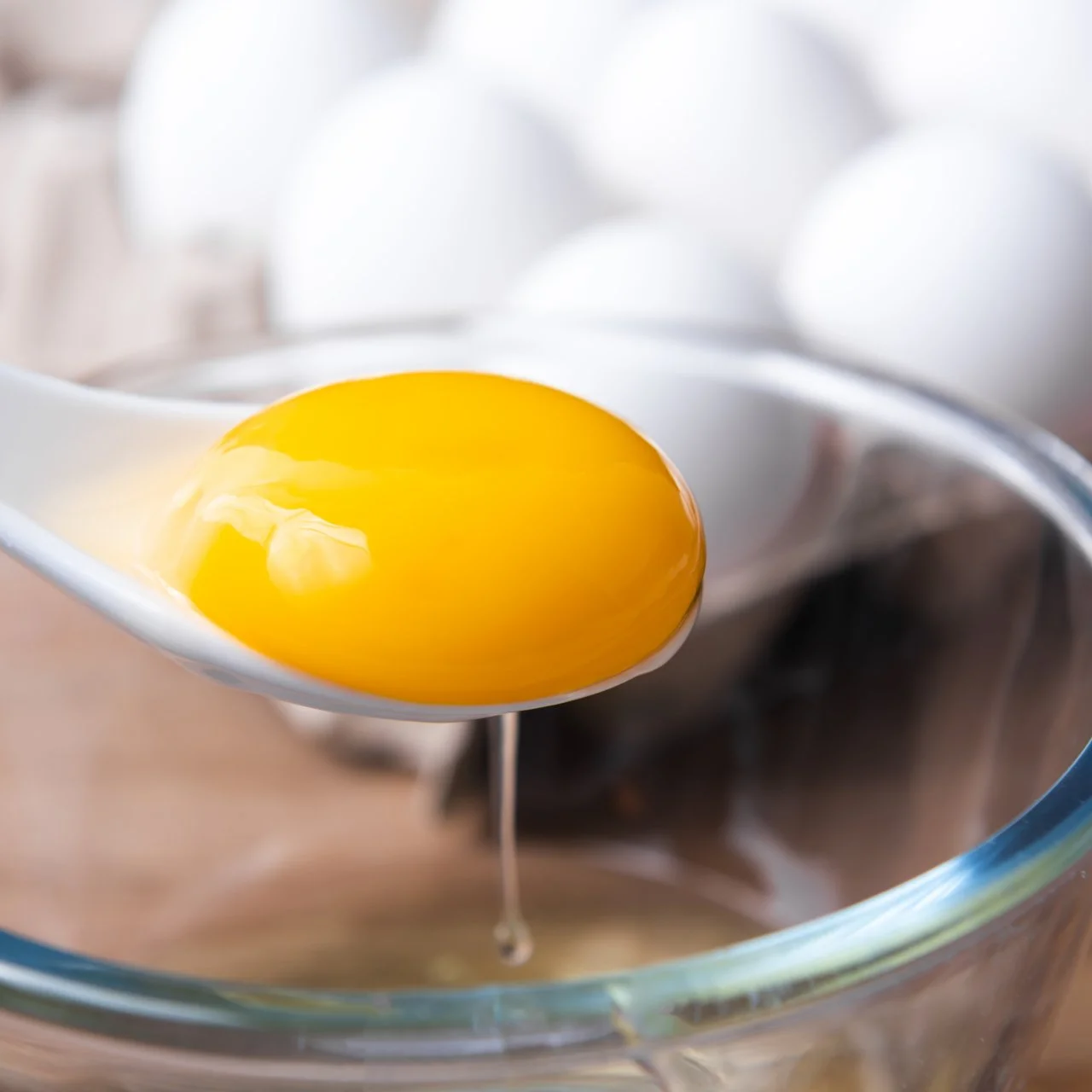
Real-World Applications
- Organic egg farms utilize astaxanthin to keep yolk color consistent throughout the year.
- Cage-free and free-range farms add astaxanthin to natural greens in the feed.
- Premium branded eggs market "naturally colored yolks" to create consumer trust.
Label-buddy claims are credible:
- "Naturally colored with astaxanthin"
- "Synthetic colorant-free"
- "High-antioxidant eggs with high-yolks"

Supporting Research
- Liu et al. (2006): Hens consuming astaxanthin had significantly darker yolk color scores on the Roche color fan.
- Ambati et al. (2014): Astaxanthin not only enhances pigmentation but also egg antioxidant levels.
- Hussein et al. (2006): Provided desirable reproductive performance in layers.
Final Thoughts
Astaxanthin is a lifesaver in the poultry feed market with the capacity to provide kaleidoscopically colored egg yolks in a sanitary, proficient, and organic process. And the added advantages of hen health and antioxidant protection tip it over as a cosmetic ingredient-enabling farmers to market healthier, more attractive eggs to modern discerning consumers.
If you're a commercial poultry producer or the owner of a premium egg brand, incorporating astaxanthin into your layer feed is an intelligent, sustainable step toward quality and market distinction.
References
Liu, X., Osawa, T., & Namiki, M. (1997). Antioxidant and prooxidant actions of the natural carotenoid astaxanthin on polyunsaturated fatty acid methyl esters in the presence of radical initiators. Chemistry and Physics of Lipids, 89(1), 1–11. https://doi.org/10.1016/S0009-3084(97)00050-1
Hussein, G., Sankawa, U., Goto, H., Matsumoto, K., & Watanabe, H. (2006). Astaxanthin, a carotenoid with potential in human health and nutrition. Journal of Natural Products, 69(3), 443–449. https://doi.org/10.1021/np050354+
Manning, L., Baines, R. N., & Chadd, S. A. (2007). Egg yolk color: Consumer preferences and industry methods for enhancement. British Food Journal, 109(3), 212–229. https://doi.org/10.1108/00070700710725536
Castro, C., Corraze, G., & Boujard, T. (2001). Effect of astaxanthin supplementation on growth, feed utilization, and flesh pigmentation in rainbow trout (Oncorhynchus mykiss). Aquaculture Research, 32(6), 399–408. https://doi.org/10.1046/j.1355-557x.2001.00044.x
Ambati, R. R., Phang, S. M., Ravi, S., & Aswathanarayana, R. G. (2014). Astaxanthin: Sources, extraction, stability, biological activities and its commercial applications-A review. Marine Drugs, 12(1), 128–152. https://doi.org/10.3390/md12010128