


Astaxanthin is a powerful antioxidant and natural coloring agent that has become increasingly popular with the aquaculture sector. Its intense red-orange color and remarkable health benefits, it's widely used in fish and crustacean diet. But aside from pigmentation, one should also ask: Does astaxanthin improve fish meat quality? The answer is a resounding yes-backed by science, astaxanthin supports not only the visual appeal of fish but also enhances its nutritional value, texture, flavor, and shelf life.
In this article, we'll dive into how astaxanthin supplementation in aquafeed improves fish meat across several key dimensions.
What Is Astaxanthin?
Astaxanthin is a naturally occurring carotenoid found in microalgae (Haematococcus pluvialis), krill, shrimp, and salmon. Synthetic or natural astaxanthin is added to fish feed in aquaculture to gain advantages like flesh color and antioxidant properties.
It's perhaps most famous for imparting the flesh pink-orange hue in salmon and trout, but its function is much broader than cosmetics.
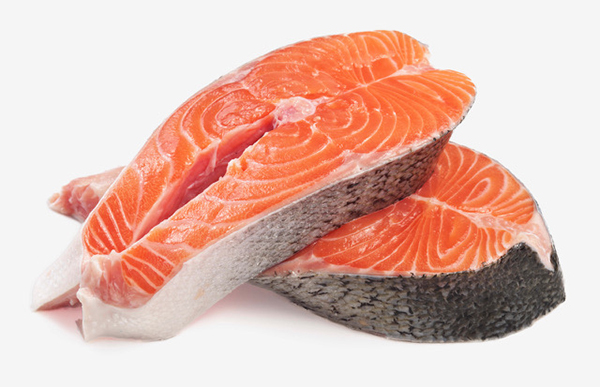
1. Maintains Fish Flesh Color
One of the most visible effects of astaxanthin is on fish flesh color.
- Consumer appeal: Intense, red-to-pink flesh color is a significant quality factor for fish species like salmon, trout, and char.
- Dose-responding pigmentation: Evidence supports that astaxanthin at greater concentrations in feed yields more intense, more pleasing flesh color.
- Natural versus synthetic: Natural astaxanthin from Haematococcus pluvialis yields more stable pigmentation than synthetic astaxanthin.
Study: According to Choubert & Heinrich (1993), salmonids fed on astaxanthin had better fillet color, and it is required for market acceptability.
2. Improves Antioxidant Status and Shelf Life
Fish meat is very perishable since it has polyunsaturated fatty acids. Astaxanthin is a strong antioxidant that:
- Preevents lipid oxidation
- Retards spoilage
- Lengthens shelf life of fillets during storage
This is very much relevant for farmed fish, which are often transported long distances before being consumed.
Source: Ambati et al. (2014) found that astaxanthin-supplemented diet fish muscle had significantly lower oxidative degradation.
3. Enhances Meat Texture and Firmness
Better texture is one of the benefits of astaxanthin in aquafeed. It results in:
- Firmer flesh: Enhanced fillet handling and processing
- Better muscle fiber structure: Leading to enhanced fillet yield and less gaping
- Moisture retention: Enhancing juiciness and mouthfeel
Akiba et al. (2001) reported improved muscle resilience and texture in rainbow trout that had been fed astaxanthin-supplemented diets.
4. Supports Growth and Fillet Yield
Astaxanthin also supports overall fish growth and muscle yield.
- Reduces feed conversion ratio (FCR)
- Improve immune response, reducing disease-caused weight loss
- Improves protein synthesis and mitochondrial function
The above benefits culminate in higher fillet yield, which is of economic significance in commercial aquaculture.
5. Contributes Nutritional Quality to Fish Meat
Astaxanthin-supplemented fish is nutritionally superior too:
- Increased omega-3 retention: Through antioxidant protection
- Anti-inflammatory activities: For fish and for human consumers of the flesh
- Improved vitamin A performance: Through astaxanthin pro-vitamin A activity
What this accomplishes is to render astaxanthin-supplemented fish an excellent source of healthy, functional foods to human consumers.
6. Enhances Taste and Palatability
Taste is another area where astaxanthin makes its presence felt:
- Lower fishy odor trout: Because of decreased oxidation of lipids
- Sweeter and cleaner taste profile
- Better consumer acceptability
Consumers in blinded taste panels select fish from astaxanthin-enriched diets based on better taste and texture of trout.

How Much Astaxanthin Should be Included in Aquafeed?
Revised inclusion rates by species:
| Fish Species | Typical Astaxanthin Dose (mg/kg feed) |
|---|---|
| Salmonids | 40–100 |
| Shrimp | 50–150 |
| Tilapia | 20–50 |
| Ornamental fish | 30–80 |
Comment on Note: Natural astaxanthin from algae is to be preferred for higher bioavailability and coloration.
Sustainability Note
As demand grows for eco-friendly aquaculture, using natural astaxanthin from microalgae offers a sustainable, plant-based solution. It reduces dependence on synthetic colorants and marine sources like krill and shrimp.

Conclusion
So, does astaxanthin improve fish meat? Absolutely. Whether you're an aquaculture producer or a pet food formulator, astaxanthin offers measurable advantages:
- Improves color and consumer appeal
- Enhances shelf life through antioxidant activity
- Supports better taste and nutritional quality
- Improve fillet yield and texture hardness
Its portfolio of numerous advantages makes astaxanthin a good investment toward better fish quality, better market price, and better consumption benefits.
References
Choubert, G., & Heinrich, O. (1993). Carotenoids in fish nutrition: a review of recent studies. Aquaculture, 112(2-3), 197–203.
Ambati, R. R., Phang, S. M., Ravi, S., & Aswathanarayana, R. G. (2014). Astaxanthin: Sources, extraction, stability, biological activities and its commercial applications-A review. Marine Drugs, 12(1), 128–152.
Akiba, Y., Murakami, H., & Sato, H. (2001). Effects of dietary astaxanthin on muscle structure and sensory characteristics of rainbow trout. Journal of Applied Aquaculture, 10(4), 1–12.


