


With increased awareness regarding the sugar intake and calorie count in dog treats, owners have started embracing alternative sources of sugar, one of them being stevia. Stevia is the extract of leaves of a plant named Stevia rebaudiana and is incorporated into many human food products because it is sweet yet calorie-free. The question is whether it is safe for our canine companions.
What is Stevia?
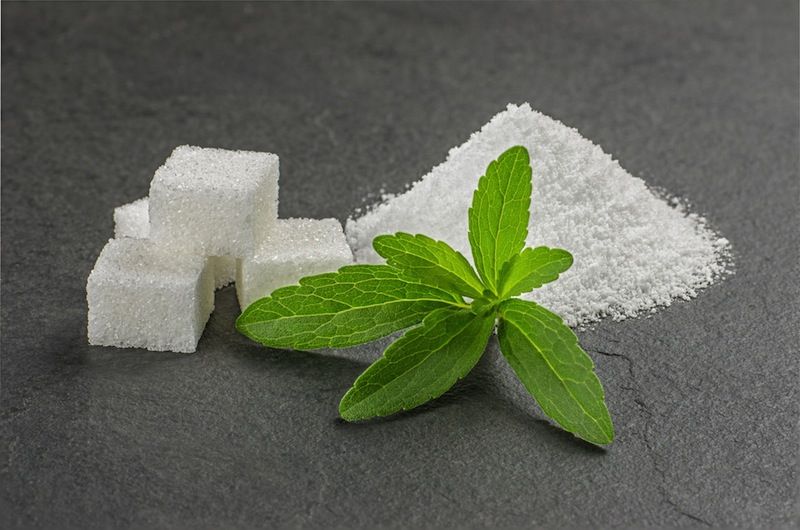
Stevia is a botanical sweetener extracted from the leaves of the plant known as Stevia rebaudiana, native to South America. It is a sweetener that is about 200 to 300 times sweeter than sugar, with essentially no calories.
Its sweetening properties have found great application in human nutrition because it is a sugar substitute available in beverages, bakery products, and dietetic snacks. Stevioside and rebaudioside A are sweet compounds present in Stevia and account for its intense sweetness.
Since it is natural and non-toxic to humans, a number of people have questioned if this may be a better alternative in dog treats to sugar.
Is Stevia Safe for Dogs?
Fortunately, in small and controlled quantities, stevia is non-toxic to canines. The Pet Poison Helpline has already reported that stevia is non-toxic in dogs and cats, provided it is consumed in moderation.
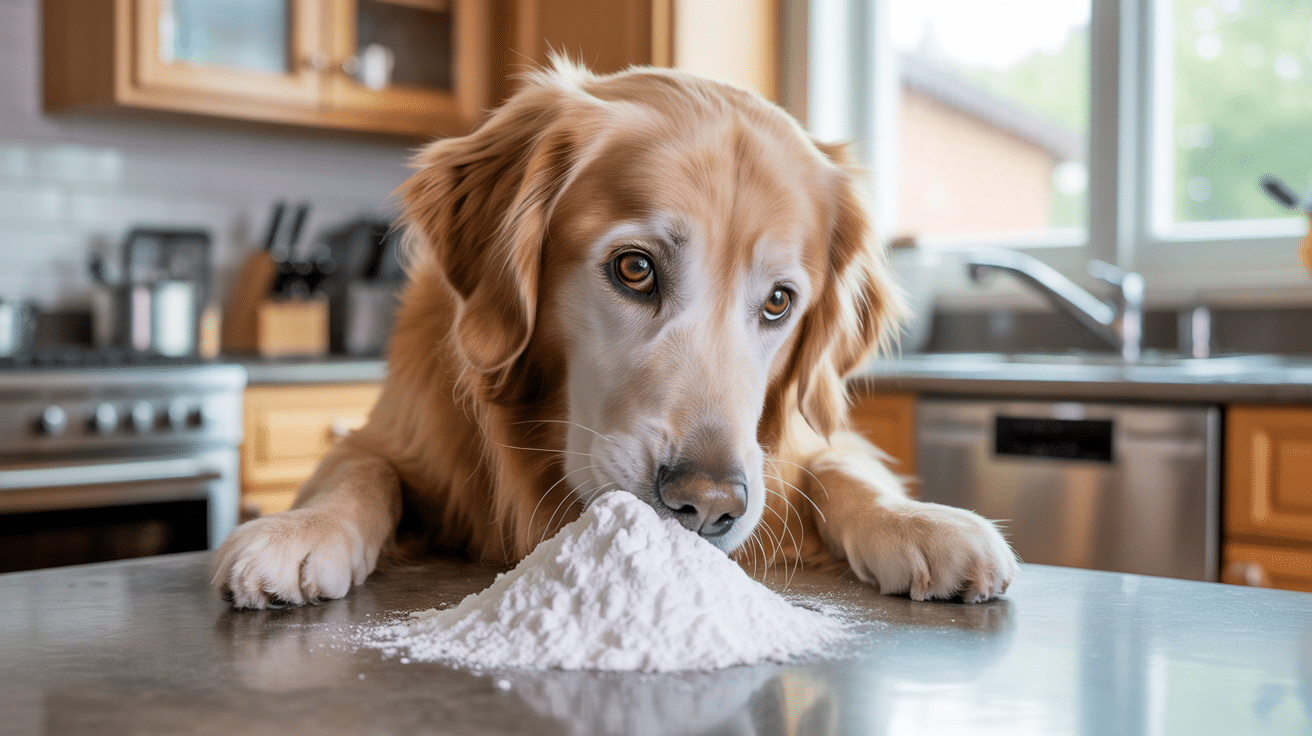
Not all commercial stevia is created equal, unfortunately. Some "stevia" commercial sweeteners on the market are actually combinations with other ingredients such as xylitol, erythritol, or maltodextrin, and those can be toxic or lethal to your dog.
Pure stevia extract would be the safest variety to use in homemade dog treats or low-sugar formulations due to the absence of additives.
:max_bytes(150000):strip_icc()/Health-GettyImages-2236836234-3c4c26e8d1724ff79ed1cb3ace473568.jpg?size=528x0 "stevia manufacturer")
How Stevia Affects Dogs
Stevia is not nutritional for dogs but is safe in small amounts. It is used primarily for flavor or masking bitterness in pet treats or supplements.
It can affect the body of your dog in the following ways:
- Blood Sugar Impact: Stevia does not raise blood sugar levels and hence is safe for canines with diabetes or those that easily gain weight.
- Sugar-free: Makes low-calorie dog treats sweeter without adding calories. Digestive Sensitivity: Larger doses of stevia can create gentle diarrhea or gas. In other words, it is safe for your dog in small amounts but causes stomach discomfort in large amounts.

Potential Risks of Stevia for Dogs
While stevia is generally safe, there are some considerations and potential side effects in case your dog consumes it in large amounts or in the wrong form:
Gastrointestinal Issues
Excessive intake of stevia tends to affect digestion and hence can lead to stomach upset, loose stools, or diarrhea.
Additive contamination
Some Stevia products are blended along with the sugar substitute xylitol, and xylitol is very harmful to dogs. It leads to hypoglycemia and liver failure. As I said before, make sure the label says it's 100% pure stevia and no xylitol or artificial sweeteners have been added.
Bitter Taste Reaction
Stevia has a slightly bitter or licorice-like aftertaste, which some dogs may find unpleasant. They might reject foods that contain it.
Benefits of Stevia in Dog Diets
When used correctly, stevia may have some pragmatic benefits in pet nutrition, particularly in low-calorie or specialized diets.
Suitable For Diabetic Dogs
Since stevia does not affect either insulin or blood sugar, it is a potential sweetener for diabetic-friendly dog treats.
Ideal for Weight Management
Stevia helps maintain palatability in low-calorie or reduced-fat treats for overweight dogs without adding sugar or calories.
Enhances Taste of Supplements
Stevia is often used in many natural pet supplements to mask bitterness from herbal or vitamin ingredients, and make them easier to accept for pets.

Safe Dosage of Stevia for Dogs
There is no established dosage of stevia in dogs, and it should be given in moderation.
As a general rule:
- A few drops of liquid stevia or a pinch of powder in homemade treats is safe for most dogs.
- Never feed dogs with sweetened human foods or drinks using stevia, as they may contain other additives. Introduce it into their diet in very small amounts for the first time, and observe them for signs of gastrointestinal upset or food avoidance.
Benefits of Stevia for Dogs
Stevia is a natural, plant-based sweetener extracted from the leaves of Stevia rebaudiana. It is commonly used as a sugar alternative because it provides sweetness without adding calories or raising blood sugar levels. When used in small, controlled amounts, stevia can be safe for dogs.
One of the main benefits of stevia for dogs is weight management. Since stevia contains no calories, it allows pet food and treats to be lightly sweetened without contributing to obesity. This is especially helpful for overweight or less active dogs.
Stevia also has a low impact on blood sugar, making it suitable for dogs with diabetes or those needing stable glucose levels. Unlike regular sugar, stevia does not cause rapid spikes in insulin.
Another benefit is dental support. Stevia does not feed harmful oral bacteria, which helps reduce the risk of plaque buildup and bad breath.
Some natural compounds in stevia also provide mild antioxidant and anti-inflammatory properties, supporting overall health.
It is important to use pure stevia extract without added chemicals or xylitol, which is toxic to dogs. When used responsibly, stevia can be a safe, natural sweetener that supports healthy weight, blood sugar control, and dental health in dogs.

Stevia vs. Other Sweeteners for Dogs
| Sweetener | Safe for Dogs? | Notes |
|---|---|---|
| Stevia | Yes, in small amounts | Natural, calorie-free sweetener |
| Xylitol | No | Extremely toxic to dogs; causes hypoglycemia |
| Erythritol | Generally safe but may cause digestive upset | Use sparingly |
| Aspartame | No | Artificial sweetener that can cause vomiting and tremors |
| Honey | Yes, in small amounts | Natural sugar with antioxidants but high in calories |
| Sugar | Not toxic, but unhealthy | Can lead to obesity and dental problems |
Stevia stands out as a safe natural option among sweeteners when used responsibly.

How to Use Stevia in Homemade Dog Treats
There is no recommended dosage of stevia in canines, so it should be provided sparingly.
The general rule is:
- While a few drops of liquid stevia or a pinch of powder should be harmless for most dogs in homemade treats, it should never sweeten human foods or drinks that are fed to a dog, since aside from stevia, other added ingredients may be toxic.
- Introduce it into their diet in very small amounts for the first time and monitor them for signs of gastrointestinal upset or food avoidance.

When to Avoid Stevia
You should avoid giving stevia to your dog if:
- Your dog has a sensitive stomach or chronic digestive issues.
- The stevia product includes xylitol or maltodextrin.
- Your vet advises against artificial sweeteners due to your pet's health condition.
Always consult your veterinarian before introducing new ingredients into your pet's diet-especially if your dog has diabetes, allergies, or gastrointestinal disorders.

Final Thoughts
So, can dogs have stevia ?
Yes-dogs can safely have stevia in moderation, as long as it's pure and free from harmful additives like xylitol.
Stevia can be a practical choice for low-calorie dog treats, diabetic diets, or supplement formulations, helping pets enjoy flavor without sugar's harmful effects. However, too much can lead to digestive issues, so moderation and label awareness are key.
When in doubt, consult your veterinarian to ensure that stevia -and any other new ingredient-is suitable for your dog's unique dietary needs.
References
Pet Poison Helpline. (2024). Stevia Toxicity in Pets. Retrieved from https://www.petpoisonhelpline.com
National Library of Medicine. (2018). Safety Evaluation of Steviol Glycosides. Food and Chemical Toxicology, 122, 157–162.
American Kennel Club (AKC). (2023). Can Dogs Eat Sugar Substitutes Like Stevia? Retrieved from https://www.akc.org
PetMD. (2023). Sweeteners and Dogs: What's Safe and What's Not. Retrieved from https://www.petmd.com


