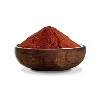
Astaxanthin is considered by many to be nature's most powerful natural antioxidant. This substance has also gained recognition as a powerful health, immunity, performance, and pigmentation enhancer in companion animals, livestock, aquaculture fish, and crustaceans. This reddish-orange carotenoid is rapidly emerging as one of the most valued feed additives because of its unrivaled biological potency.
Among natural ingredients, astaxanthin is one of the most in-demand ingredients at HJ AGRIFEED for producers who wish to enhance animal performances safely and naturally. But what makes astaxanthin so valuable-and hence superior to so many other antioxidants?
The following in-depth blog will cover what astaxanthin is, how it works, and why it provides major benefits to animals across a variety of production systems.
What is Astaxanthin?
Astaxanthin is a carotenoid pigment mainly produced by microalgae such as Haematococcus pluvialis. It is the substance that gives the typical red-orange coloration to salmon, trout, krill, shrimp, crab, flamingos, and other species.
Its biological function is mainly antioxidant in nature: it protects cells from oxidative damage because of stressful states, diseases, and environmental factors. In contrast with typical antioxidants, such as vitamins C and E, astaxanthin is highly stable and more effective as a quencher of free radicals.
Since it is not possible for animals to produce astaxanthin themselves, supplementation needs to take place through diet; therefore, astaxanthin powder or extracted forms are a very important feed supplement.

Major Benefits of Astaxanthin for Animals
A Superior Antioxidant for Whole-Body Protection
It is considered that oxidative stress in general is a major factor that leads to the process of aging, tissue damage, low immunity, and poor performance in animals. Astaxanthin has been shown to:
- Up to 6,000 times more powerful than vitamin C
- Up to 550 times more powerful than vitamin E
- More stable than beta-carotene and lutein
Its potency comes from its special molecular structure that allows it to sit across the cell membranes and neutralize free radicals both inside and outside the cell.
The benefits to animals will include:
- Reduced inflammation
- Protection against oxidative tissue damage
- Improved Stress Recovery
- Reduced cell degeneration
It therefore makes astaxanthin ideal for pets, livestock, poultry, and aquatic species under modern pressure of production.
Improves Immune Health
Astaxanthin can enhance both innate and adaptive immune responses. In animals, this leads to the following:
- Higher disease resistance
- Improved response to pathogens
- Reduced mortality
- Faster recovery during outbreaks
Astaxanthin has been reported to activate immune cells such as macrophages, natural killer cells, and T-cells to help animals mount resistance against various infections.
This is highly valuable in intensive production systems, especially where immune suppression due to crowding and environmental stress occurs.
It enhances growth and feed efficiency.
In general, the inclusion of astaxanthin by producers in aquaculture, poultry, livestock, and pet food is based on improvements in growth performance. It is attributed to:
- Reduced oxidative stress in muscle tissue
- Improved metabolic efficiency
- Improved mitochondrial energy production
Animals fed with astaxanthin have:
- Better weight gain
- The improved feed conversion ratio-FCR
- Improved stamina and activity levels
Supplementation with astaxanthin can also be beneficial for the activity of dogs and cats, along with healthy aging.
Natural Anti-Inflammatory Properties
In your horse, inflammation can impact digestion, immunity, joint health, and overall performance. Astaxanthin can help by:
- Reducing inflammatory cytokines
- Prevent cell damage due to chronic inflammation.
- Supporting healthier joints and connective tissues
Astaxanthin is used for pets to act as a natural supplement for:
- Joint ache
- Skin allergies
- Age-related inflammation
- Physical limitations
It helps in improving digestion and therefore reduces stress in livestock and poultry.
Promotes Healthy Skin, Coat, and Feathers
General Astaxanthin is widely known for improving skin and pigmentation. It improves:
- Coat shine in dogs and cats
- Quality of feathers in poultry
- Shell coloration in shrimp
- Skin Resilience and Elasticity
Given that astaxanthin carotenoid accumulates in tissues, the provided color and protective effect are long-lasting.
Supports Eye and Brain Health
Astaxanthin crosses both the blood-brain and blood-retina barriers, giving it rare neurological and visual benefits.
This means for animals:
- Protection against age-related degeneration of the eyes
- Improved health of the retina
- Improved cognitive functioning
- Reduced risk of neural oxidative damage
These effects are especially advantageous to senior pets and aging livestock.
Vital Pigmentation of Fish, Shrimp, and Crustaceans
Astaxanthin is regarded as the gold standard pigment of aquaculture.
Astaxanthin is used by crustaceans, such as shrimp and crabs, for:
- Bright coloration
- Healthy shell formation
- Resistance to stress
- Reproductive success
Salmon, trout, and koi also have the following:
- Greater flesh pigmentation
- Better overall vitality
- Improved reproductive performance
Astaxanthin improves not only appearance but also physiological health and survival rates.
Supports Reproduction and Fertility
Astaxanthin improves reproductive health via:
- Safeguarding sperm and egg cells from oxidative stress
- Improving fertility rates
- Improving embryo survival
- Supporting hormone balance
These apply benefits across species, from poultry breeders to aquaculture broodstock to pets.
Why Astaxanthin is Valuable across the Animal Industry
Now, astaxanthin is commonly used in:
Nutrition for pets
For immunity, skin health, joint support, anti-aging, and antioxidant protection.
Animal feed
For immunity, growth, stress resistance, and reproductive support.
Poultry feed
For improving egg quality, immunity, growth, and antioxidant defense.
Aquaculture
Carotenoids play the role of pigments, antioxidants, growth promoters, reproductive enhancers, and immunostimulants.
Crustaceans
For pigmentation, shell strength, antioxidant defense, and better survival. With all these benefits, astaxanthin remains one of the premium but highly cost-effective ingredients for modern farming and continues as one of the most valuable natural antioxidants available.

Astaxanthin from HJ AGRIFEED
At HJ AGRIFEED, we provide high-quality astaxanthin powder for applications in pet food, livestock feed, poultry nutrition, and aquaculture. Our products are designed to bring about consistent potency with excellent absorption and strong antioxidant function at economical inclusion rates. We help producers choose the right specification, whether it be natural algal astaxanthin or astaxanthin blends, for pigmentation, growth, and immune support programs.

Conclusion
Astaxanthin is a powerful and multi-functional natural antioxidant for animals. Its effects on animal health span from immune enhancement and inflammation reduction to pigmentation, growth performance, and reproductive success. Whether used in companion animal diets, livestock production, poultry feed, or aquaculture systems, astaxanthin offers safe, natural, and effective support for general animal health.