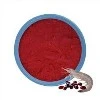
Carotene Powder is a valuable ingredient in animal nutrition, particularly in feed formulations designed to provide carotenoids, support vitamin A nutrition, and improve the natural pigmentation of animal products. Commonly used in livestock, poultry, and pet nutrition, carotene-based ingredients offer different functions depending on their composition, concentration, and the animal species receiving them.
Among the various carotenoids, beta-carotene is especially important because it acts as a provitamin A compound that certain animals can convert into vitamin A. Other carotenoids contribute primarily to pigmentation and may have additional biological functions.
For feed manufacturers, premix producers, and animal nutrition companies, understanding the differences between carotene types is essential when selecting Carotene Powder for commercial feed formulations.
Contact us today to request a quotation, product samples, technical documentation (COA, specifications, and MSDS), or discuss your OEM and custom manufacturing requirements.
Email: info@hjagrifeed.com
What Is Carotene Powder?
Carotene Powder is a powdered ingredient containing carotene pigments, commonly beta-carotene, that can be incorporated into animal feed and nutritional premixes.
Carotenes belong to a larger group of naturally occurring pigments called carotenoids. These compounds are found in plants, algae, and certain microorganisms. They are responsible for many yellow, orange, and reddish colors found in natural materials.
Beta-carotene is one of the best-known carotenes because it can serve as a precursor of vitamin A in animals capable of converting it. Vitamin A is essential for normal vision, epithelial tissue maintenance, immune function, growth, and reproduction. However, the efficiency of beta-carotene conversion varies considerably between species.
Commercial Carotene Powder may be produced from natural sources, microbial fermentation, or other manufacturing processes. Its concentration, carrier materials, stability, and intended application depend on the specific product.
For this reason, buyers should distinguish between beta-carotene products and other carotenoid ingredients, such as lutein, zeaxanthin, canthaxanthin, and astaxanthin, which have different nutritional and pigmentation characteristics.

Key Benefits of Carotene Powder for Animals
1. Supports Vitamin A Nutrition
One of the primary applications of beta-carotene is its role as a provitamin A carotenoid.
Animals that can convert beta-carotene into vitamin A may use it as part of their dietary vitamin A supply. Vitamin A contributes to normal vision, immune system function, reproduction, growth, and the maintenance of epithelial tissues.
The contribution of beta-carotene depends on several factors, including dietary concentration, absorption, feed composition, and the animal's ability to convert it into vitamin A.
Beta-carotene should not automatically be considered a complete replacement for preformed vitamin A. Feed formulation must account for the specific nutritional requirements of the target species. citeturn488878search5
2. Provides Carotenoid Antioxidant Activity
Carotenoids are studied for their antioxidant properties. Under appropriate biological conditions, these compounds can participate in processes that help limit oxidative damage.
Research into beta-carotene supplementation in livestock has examined antioxidant status alongside immune function, reproduction, and other physiological responses. However, the results depend on species, dose, diet, and experimental conditions. citeturn488878search4
For feed manufacturers, carotene ingredients may therefore be considered as part of a broader nutritional formulation rather than as a standalone solution for every animal health or production challenge.
3. Contributes to Natural Pigmentation
Carotenoids are widely used in animal feed to influence the color of animal-derived products.
Depending on the carotenoid and the species, dietary supplementation can affect the color of egg yolks, poultry tissues, milk, and other products. The pigments absorbed from feed may be transported and deposited in particular tissues.
A 2024 review in Food Chemistry: X describes the deposition of carotenoids in eggs, meat, and milk, as well as the effects of carotenoid type, dietary supply, and animal metabolism.
Beta-carotene is not interchangeable with every other pigment. For example, lutein and zeaxanthin are important contributors to yellow pigmentation in poultry products, while canthaxanthin and astaxanthin can provide stronger orange-red hues in suitable formulations.
4. Supports Nutritional Formulation Flexibility
Carotene Powder can be used in premixes and compound feeds to help formulators manage carotenoid content.
Depending on the product specification, it may be incorporated into poultry feed, livestock feed, or selected pet nutrition products. Powdered ingredients can also be combined with vitamins, minerals, amino acids, and other feed additives.
The actual nutritional contribution depends on the active ingredient concentration and its bioavailability.
Applications of Carotene Powder in Animal Nutrition
1. Poultry Feed
Poultry is an important application area for carotenoid feed ingredients.
In laying hens, dietary carotenoids can be absorbed and deposited in egg yolks, influencing their color. The final yolk color depends on the overall carotenoid profile of the diet, the inclusion levels of different pigments, feed intake, and the bird's ability to absorb and deposit them.
Beta-carotene can contribute to carotenoid intake and provitamin A nutrition. However, when the main objective is to achieve a specific yolk color, feed manufacturers should select pigments according to the desired shade and their deposition characteristics.
In broiler production, carotenoid ingredients may be included as part of a broader nutritional program. The effect on tissue pigmentation depends on the carotenoid source, concentration, and feeding period.
2. Cattle and Dairy Feed
Carotene ingredients are relevant to cattle nutrition, especially in diets where beta-carotene contributes to the supply of provitamin A.
Beta-carotene is also present naturally in green forage. Its concentration in feed can vary with forage species, maturity, harvesting, processing, and storage conditions.
In dairy cattle, carotenoids can be transferred into milk, with beta-carotene representing a substantial proportion of the carotenoids found in bovine milk. The amount transferred depends on the diet, absorption, and animal metabolism. citeturn488878search1
Feed manufacturers should consider the existing carotenoid content of forage and other feed ingredients when designing supplementation programs.
3. Swine Feed
Beta-carotene supplementation has also been investigated in swine nutrition.
Research has examined its relationship with antioxidant status, immune responses, and reproductive performance. Nevertheless, responses are not identical across animal species or production stages, and results from one trial should not automatically be applied to every feeding program. citeturn488878search4
For commercial swine diets, beta-carotene can be evaluated as part of a targeted nutritional strategy, taking into account the animal's age, physiological stage, basal diet, and overall vitamin requirements.
4. Pet Food and Animal Supplements
Carotenoid ingredients can also be used in selected pet food and animal supplement formulations.
However, the distinction between beta-carotene and vitamin A is especially important in pet nutrition.
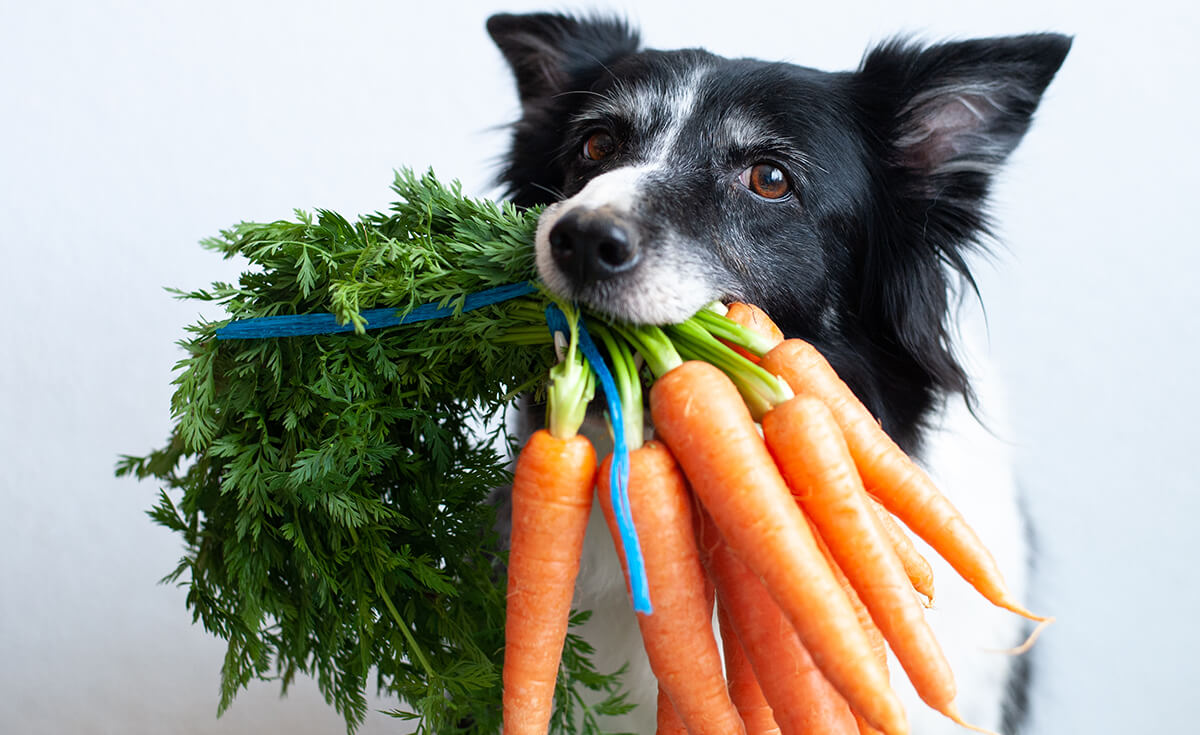
Dogs can convert beta-carotene into vitamin A, although the efficiency varies. Cats, in contrast, cannot rely on beta-carotene conversion to meet their vitamin A requirements and need an appropriate source of preformed vitamin A in their diet. citeturn488878search5
Therefore, beta-carotene should not be used as a substitute for the required vitamin A source in cat food.
For both dogs and cats, ingredient selection and inclusion levels should follow the nutritional requirements of the species and the applicable pet food formulation standards.
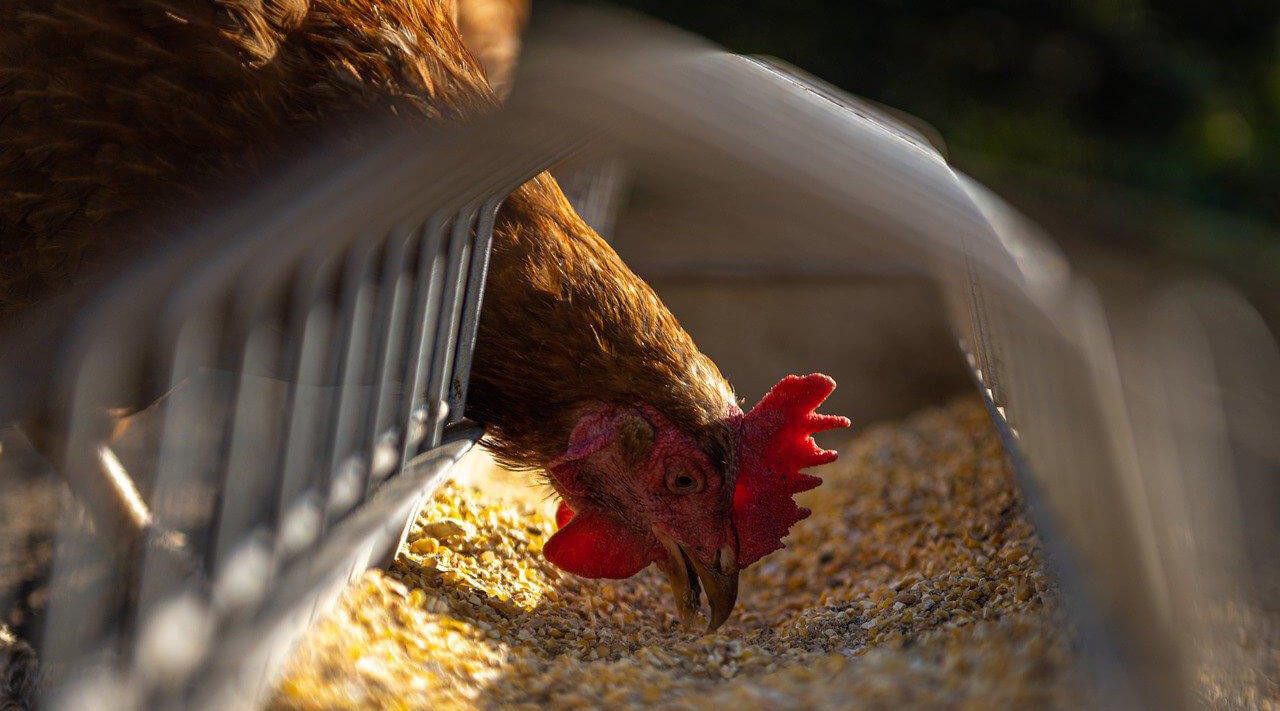
Carotene Powder vs. Other Carotenoid Feed Additives
Although carotene and carotenoid are related terms, different pigments serve different purposes in animal feed.
| Ingredient | Main nutritional or feed application |
|---|---|
| Beta-carotene | Provitamin A source for species capable of conversion; carotenoid supplementation |
| Lutein | Yellow pigmentation, particularly in poultry applications |
| Zeaxanthin | Yellow pigmentation and carotenoid enrichment |
| Canthaxanthin | Orange-red pigmentation in selected feed applications |
| Astaxanthin | Pink-red pigmentation in salmonids and other suitable aquaculture applications |
The choice of ingredient should reflect the intended function. A product selected for vitamin A nutrition may not provide the desired pigmentation, while a pigment chosen for color may not meet the animal's vitamin A requirement.
Carotenoid absorption and deposition also differ between species. Consequently, a single carotenoid formulation may not produce the same results in poultry, cattle, swine, and pets. citeturn488878search1

How to Select High-Quality Carotene Powder
For feed manufacturers, wholesalers, and animal nutrition companies, product quality is essential for consistent formulation.
Active Ingredient Concentration
Check the declared beta-carotene concentration or the specific carotenoid content. Products with different concentrations require different formulation calculations.
Source and Manufacturing Process
Carotene Powder may come from natural extraction, fermentation, or other production methods. Buyers should confirm the source and ensure that the product matches the intended application and market requirements.
Stability and Storage
Carotenoids can be sensitive to oxygen, light, heat, and other processing or storage conditions. Suitable packaging and storage conditions help maintain product quality.
For feed applications, manufacturers should consider stability during premix preparation, feed processing, storage, and distribution.
Carrier and Dispersibility
Some powdered carotenoid products contain carriers to improve handling, dispersion, or incorporation into feed.
The carrier composition, particle size, and mixing characteristics should be evaluated to ensure compatibility with the intended feed production process.
Quality Documentation
Commercial buyers should request relevant product documents, including:
- Certificate of Analysis (COA)
- Technical Data Sheet (TDS)
- Product specification
- Safety Data Sheet (SDS or MSDS), where applicable
- Information on storage conditions and shelf life
- Relevant quality and regulatory documentation
Batch consistency is particularly important for premix manufacturers and large-scale feed producers.

Recommended Dosage and Feed Formulation
There is no universal inclusion rate for Carotene Powder across all animal species.
The appropriate amount depends on the active ingredient concentration, animal species, production stage, existing dietary carotenoid levels, vitamin A requirements, and the intended application.
For beta-carotene used as a provitamin A source, formulators must account for species-specific conversion efficiency and the contribution of other vitamin A sources.
For pigmentation, the target color, pigment type, absorption, deposition, and feeding duration should be considered.
Commercial feed manufacturers should formulate according to recognized nutritional standards, product specifications, and applicable regulations. Supplementation should be based on the active content of the ingredient rather than the total weight of the powder alone.
Conclusion
Carotene Powder is a versatile ingredient for animal nutrition, with applications in poultry, cattle, swine, and selected pet food formulations.
Its main value depends on the type of carotenoid supplied. Beta-carotene can contribute to vitamin A nutrition in animals capable of converting it, while carotenoids more broadly are used in feed formulations designed to influence pigmentation and provide additional nutritional functions.
For successful commercial use, feed manufacturers should evaluate active ingredient concentration, source, stability, carrier composition, species-specific requirements, and product documentation.
By selecting the appropriate carotenoid for the intended purpose, animal nutrition companies can develop more targeted feed formulations and maintain greater consistency in product quality.
Contact us today to request a quotation, product samples, technical documentation (COA, specifications, and MSDS), or discuss your OEM and custom manufacturing requirements.
Email: info@hjagrifeed.com
References
Miao, Q., et al. (2024). "Deposition and enrichment of carotenoids in livestock products: An overview." Food Chemistry: X, 21, 101245. https://doi.org/10.1016/j.fochx.2024.101245
Green, A. S., & Fascetti, A. J. (2016). "Meeting the Vitamin A Requirement: The Efficacy and Importance of β-Carotene in Animal Species." The Scientific World Journal. https://doi.org/10.1155/2016/7393620
"A cross-species perspective: β-carotene supplementation effects in poultry, swine, and cattle – a review." Journal of Applied Animal Research.
FAQ
Q1: What is Carotene Powder?
A1: Carotene Powder is a powdered animal nutrition ingredient containing carotene pigments, commonly beta-carotene. It can be incorporated into animal feed, premixes, and nutritional formulations.
Q2: What is beta-carotene?
A2: Beta-carotene is a naturally occurring carotenoid and provitamin A compound. Certain animals can convert beta-carotene into vitamin A, although conversion efficiency varies between species.
Q3: What is the difference between carotene and carotenoid?
A3: Carotenes are one group within the larger carotenoid family. Carotenoids include beta-carotene, lutein, zeaxanthin, canthaxanthin, and astaxanthin, which can have different nutritional and pigmentation functions.
Q4: What are the main benefits of Carotene Powder for animals?
A4: Carotene Powder can contribute to vitamin A nutrition in species capable of converting beta-carotene, provide carotenoid antioxidant activity, contribute to natural pigmentation, and support flexible animal-feed formulation.
Q5: Can Carotene Powder support vitamin A nutrition?
A5: Yes. Beta-carotene can serve as a provitamin A source for animals capable of converting it into vitamin A. However, beta-carotene should not automatically be considered a complete replacement for preformed vitamin A.
Q6: Why is vitamin A important in animal nutrition?
A6: Vitamin A contributes to normal vision, immune function, reproduction, growth, and maintenance of epithelial tissues.
Q7: Can all animals convert beta-carotene into vitamin A?
A7: No. The ability and efficiency of beta-carotene conversion vary considerably among animal species.
Q8: Is Carotene Powder a replacement for vitamin A?
A8: Not necessarily. Whether beta-carotene can contribute substantially to vitamin A nutrition depends on the animal species, conversion efficiency, dietary concentration, absorption, and other vitamin A sources.
Q9: Does Carotene Powder have antioxidant properties?
A9: Carotenoids are studied for their antioxidant properties and may participate in processes that help limit oxidative damage. Responses depend on the animal species, dosage, diet, and feeding conditions.
Q10: Can Carotene Powder affect animal product pigmentation?
A10: Carotenoids can influence the color of animal-derived products when absorbed and deposited in tissues. Applications can include egg yolks, poultry tissues, milk, and other animal products.