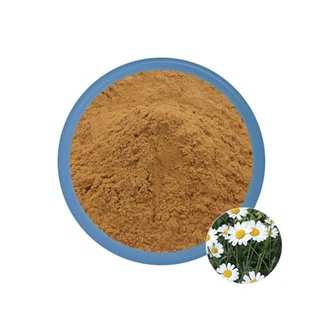
Pet owners and pet food manufacturers are increasingly interested in natural ingredients that can support balanced nutrition and help develop functional pet food products. Carotene Powder is one such ingredient that can be incorporated into pet food, treats, supplements, and nutritional formulations.
Carotene is a group of naturally occurring pigments found in many plants and is part of the broader carotenoid family. Depending on the specific carotene used, these compounds may provide antioxidant activity and, in some animals, contribute to vitamin A nutrition.
For dogs, beta-carotene can be converted into vitamin A, although the efficiency of conversion varies. Cats are different: they cannot convert beta-carotene into vitamin A and therefore require preformed vitamin A in their diets.
This difference is particularly important when formulating products containing Carotene Powder for both dogs and cats.
What Is Carotene Powder?
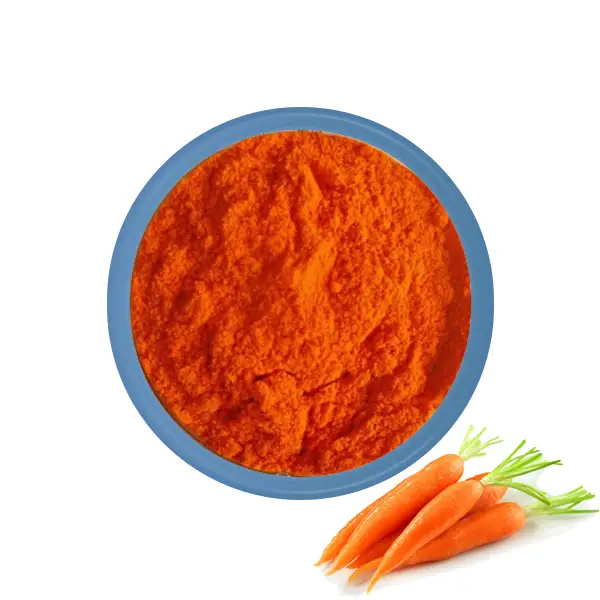
Carotene Powder is a powdered ingredient containing carotenoid compounds, commonly including beta-carotene depending on the product specification and source.
Carotenoids are naturally occurring pigments responsible for yellow, orange, and red colors in many fruits, vegetables, algae, and other natural materials. Beta-carotene is one of the best-known carotenoids because it can function as a provitamin A compound in several animal species.
Carotenoids are also studied for their antioxidant properties. A review of carotenoids describes their potential roles in nutrition, antioxidant activity, bioavailability, and functional-food applications.
For pet food manufacturers, Carotene Powder can therefore serve several potential functions:
- Nutritional ingredient
- Carotenoid source
- Antioxidant-support ingredient
- Natural color ingredient, depending on specification
- Functional pet food additive
- Ingredient for pet supplements and treats
The exact function depends on the carotenoid profile, concentration, formulation, and intended use.
Why Is Carotene Important for Dogs?
Dogs can convert beta-carotene into vitamin A. However, the efficiency of this conversion is not necessarily the same under every nutritional condition.
Vitamin A is an essential nutrient involved in several physiological functions, including vision, immune function, growth, reproduction, and maintenance of tissues.
Because dogs can utilize beta-carotene as a provitamin A source, beta-carotene-containing ingredients may have a nutritional role in canine diets.
However, complete and balanced dog foods should already provide appropriate levels of essential nutrients. Carotene Powder should therefore be viewed as a supporting ingredient rather than a replacement for a properly formulated diet.
Potential Benefits of Carotene Powder for Dogs
1. Supports Antioxidant Nutrition
Carotenoids are widely studied for their antioxidant properties. Beta-carotene can participate in antioxidant defense by interacting with reactive species.
Research involving dogs and cats has investigated diets containing antioxidant combinations including vitamin E, vitamin C, and beta-carotene. In one study, antioxidant-enriched diets were associated with improved antioxidant status and measures of cellular protection.
This suggests that beta-carotene can be considered as part of a broader antioxidant strategy in pet nutrition.
2. Contributes to Vitamin A Nutrition
Beta-carotene can serve as a provitamin A carotenoid in dogs.
Vitamin A plays important roles in normal vision, immune function, reproduction, growth, and tissue maintenance.
For this reason, beta-carotene may have nutritional value beyond its pigmentation properties.
However, conversion efficiency varies between animal species and can also depend on physiological and dietary factors.
3. Supports Functional Pet Food Formulation
The pet food industry increasingly uses functional ingredients as part of specialized nutritional products.
Carotenoids can be incorporated into formulations alongside other nutrients and antioxidants. This makes Carotene Powder potentially useful for:
- Premium dog food
- Functional dog treats
- Nutritional supplements
- Senior pet formulas
- Daily wellness products
- Specialized pet food blends
The final formulation should always be evaluated for nutritional balance and ingredient compatibility.
Carotene Powder for Cats: An Important Difference
Cats require special consideration when using carotene ingredients.
Unlike dogs, cats cannot convert beta-carotene into vitamin A because they lack the intestinal enzyme required for beta-carotene cleavage. Consequently, cats need preformed vitamin A from their diet.
This means Carotene Powder containing beta-carotene should not be considered a substitute for vitamin A in cat food.
A cat food formulation should provide vitamin A in an appropriate preformed form according to the nutritional requirements of cats.
This distinction is essential for manufacturers developing products marketed for both canine and feline nutrition.

Potential Uses of Carotene Powder in Cat Food
Although beta-carotene does not supply vitamin A to cats, carotenoids may still be investigated as functional nutritional ingredients.
Carotenoids have antioxidant properties and can be incorporated into broader antioxidant systems. Research has evaluated antioxidant combinations containing beta-carotene in both dogs and cats.
Potential applications include:
- Cat food
- Cat treats
- Functional pet snacks
- Nutritional supplements
- Antioxidant blends
- Premium pet food formulations
However, the nutritional role of a specific carotenoid in cats should not be assumed to be identical to its role in dogs.

Carotene Powder and Antioxidant Support
Oxidative stress is a normal biological process, and animals have sophisticated antioxidant defense systems.
Dietary antioxidants can complement endogenous antioxidant systems. Vitamin E, vitamin C, and carotenoids are among the compounds studied for their antioxidant properties.
A 2024 study involving dogs and cats found that diets supplemented with an antioxidant combination containing vitamin E, vitamin C, and beta-carotene improved antioxidant status and measures related to cellular protection.
This supports the idea of considering beta-carotene as part of a multi-antioxidant formulation, rather than relying on a single ingredient to provide all antioxidant functions.
Carotene Powder for Pet Food Manufacturing
Carotene Powder can be used by pet food manufacturers developing products for different market segments.
Dry Pet Food
Carotene Powder can potentially be incorporated into dry dog or cat food during premix or formulation stages, depending on its physical and chemical specifications.
Manufacturers should consider:
- Heat stability
- Moisture
- Oxidation
- Mixing uniformity
- Particle size
- Carrier materials
- Storage conditions
Pet Treats
Carotenoid ingredients can also be incorporated into dog and cat treats.
Treat manufacturers may use carotenoid-containing ingredients as part of functional formulations alongside vitamins, minerals, botanical ingredients, or other antioxidants.
Pet Supplements
Carotene Powder can be considered for powdered or formulated pet supplements.
The appropriate inclusion level depends on the carotenoid concentration, target species, total diet, and regulatory requirements.
Functional Pet Food
The growing interest in functional pet nutrition has increased attention toward ingredients that offer nutritional or physiological functions beyond basic macronutrient supply. Recent reviews of commercial pet food ingredients discuss antioxidants, plant compounds, enzymes, fatty acids, and other bioactive ingredients as areas of interest in companion animal nutrition.
Carotenoids can fit into this broader functional-ingredient category when appropriately formulated.
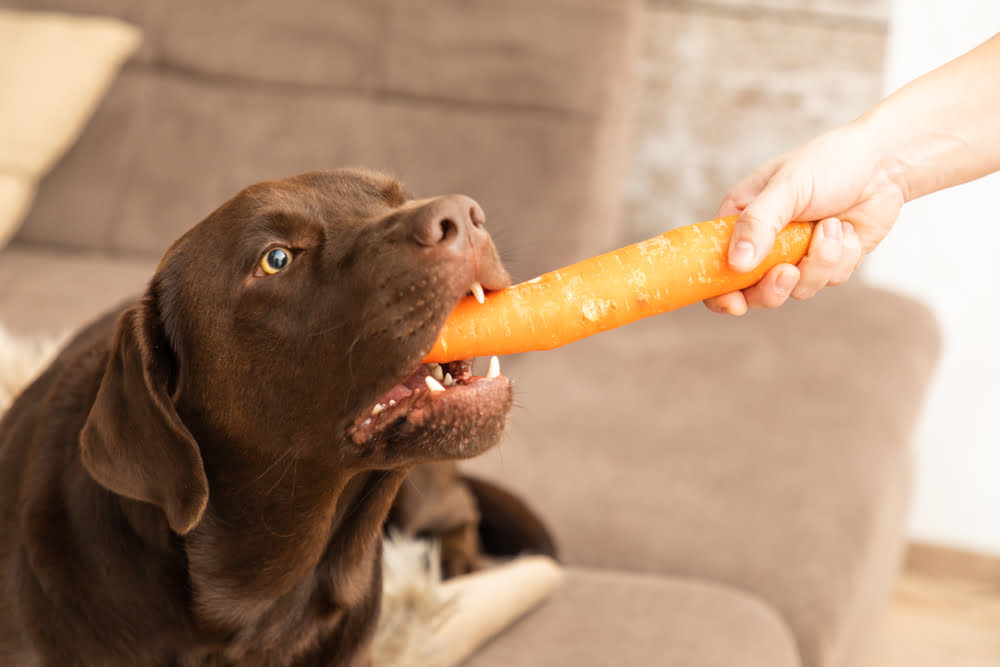
Carotene Powder for Dogs vs. Cats
| Feature | Dogs | Cats |
|---|---|---|
| Can convert beta-carotene to vitamin A? | Yes, dogs can utilize beta-carotene as a provitamin A source | No |
| Need preformed vitamin A? | Yes, as part of balanced nutrition, although beta-carotene can contribute to vitamin A nutrition | Yes |
| Carotenoid antioxidant research | Yes | Yes |
| Potential use in functional pet food | Yes | Yes |
| Can beta-carotene replace dietary vitamin A? | Not necessarily; formulation must meet nutritional requirements | No |
| Formulation approach | Consider carotenoid contribution and total vitamin A | Provide appropriate preformed vitamin A separately |
The most important takeaway is that dogs and cats should not be treated identically when formulating carotenoid-containing diets.

Natural Carotene Powder vs. Synthetic Carotene
For manufacturers interested in natural pet food products, the source of the carotenoid may be an important consideration.
Natural carotenoids can be obtained from plant materials, algae, microorganisms, and other biological sources. Synthetic carotenoids are manufactured through controlled chemical processes.
Natural and synthetic ingredients can differ in:
- Carotenoid profile
- Isomer composition
- Stability
- Bioavailability
- Color intensity
- Processing characteristics
- Cost
- Regulatory status
A review of carotenoids highlights the importance of source, extraction method, bioavailability, and formulation when evaluating carotenoid ingredients.
Therefore, manufacturers should evaluate the complete specification rather than selecting an ingredient solely because it is labeled "natural."

How to Choose Carotene Powder for Pets
When purchasing Carotene Powder for pet food or supplements, manufacturers should evaluate several quality parameters.
1. Carotenoid Content
Check the guaranteed concentration of the target carotenoid, such as beta-carotene.
2. Purity
A reliable specification should identify the purity and relevant impurities or contaminants.
3. Stability
Carotenoids can be sensitive to environmental conditions. Light, oxygen, heat, and processing conditions can affect stability.
4. Solubility and Dispersion
The physical characteristics of the powder should be compatible with the intended pet food or supplement formulation.
5. Certificate of Analysis
A COA can help manufacturers verify important parameters such as:
- Active ingredient content
- Moisture
- Heavy metals
- Microbiological quality
- Physical characteristics
6. Packaging
Appropriate packaging can help protect carotenoid ingredients from environmental factors that may accelerate degradation.
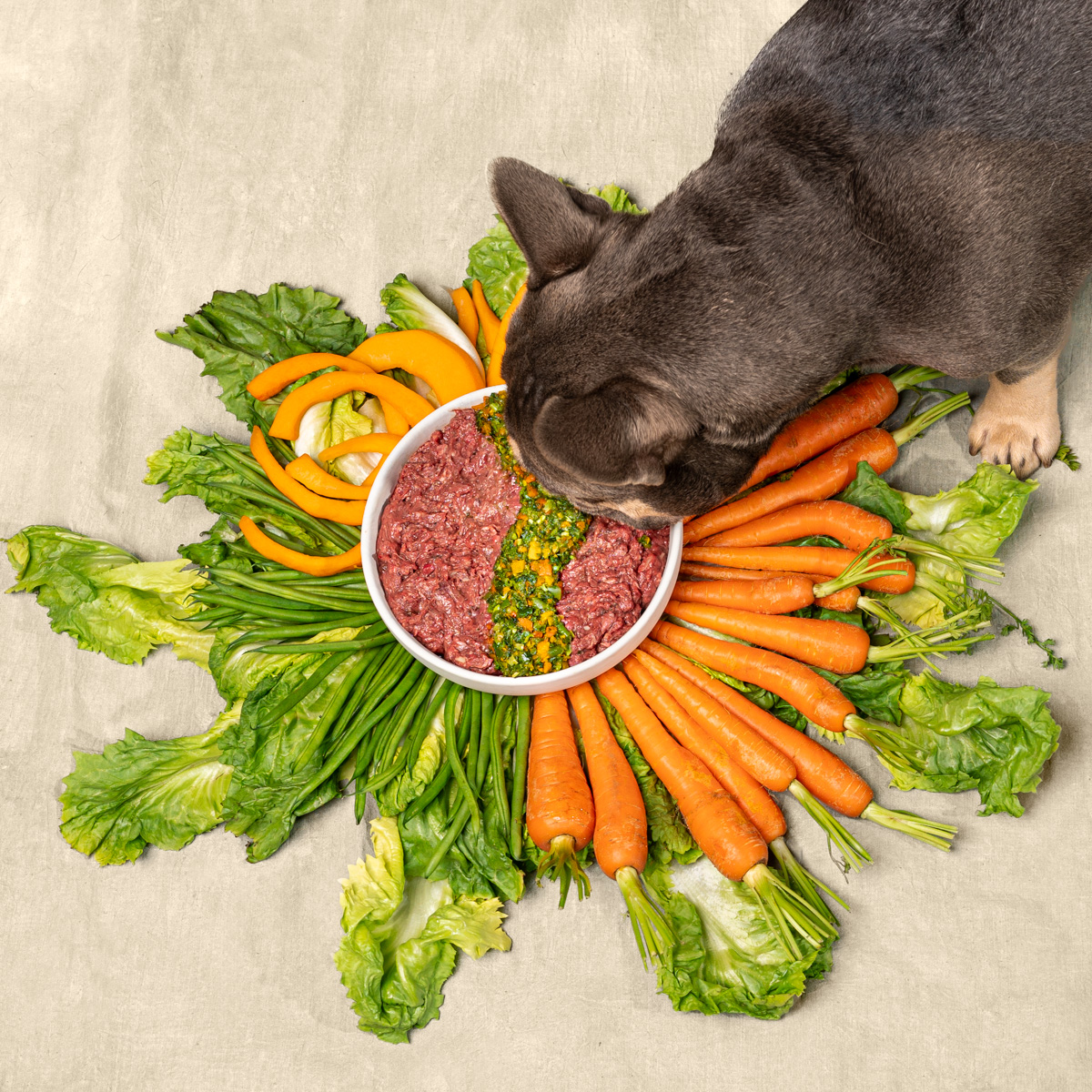
How Much Carotene Powder Should Be Used?
There is no universal dosage of Carotene Powder for all dogs and cats.
The appropriate inclusion level depends on:
- Carotenoid concentration
- Specific carotenoid
- Animal species
- Body size
- Life stage
- Complete diet composition
- Intended nutritional function
- Other vitamin A sources
- Product formulation
- Applicable regulations
For dogs, the contribution of beta-carotene to vitamin A nutrition should be considered carefully rather than simply adding it to an existing vitamin A level.
For cats, beta-carotene should not be used as the vitamin A source because cats cannot convert it into vitamin A.
Pet food manufacturers should therefore formulate according to established nutritional standards and conduct appropriate product testing.
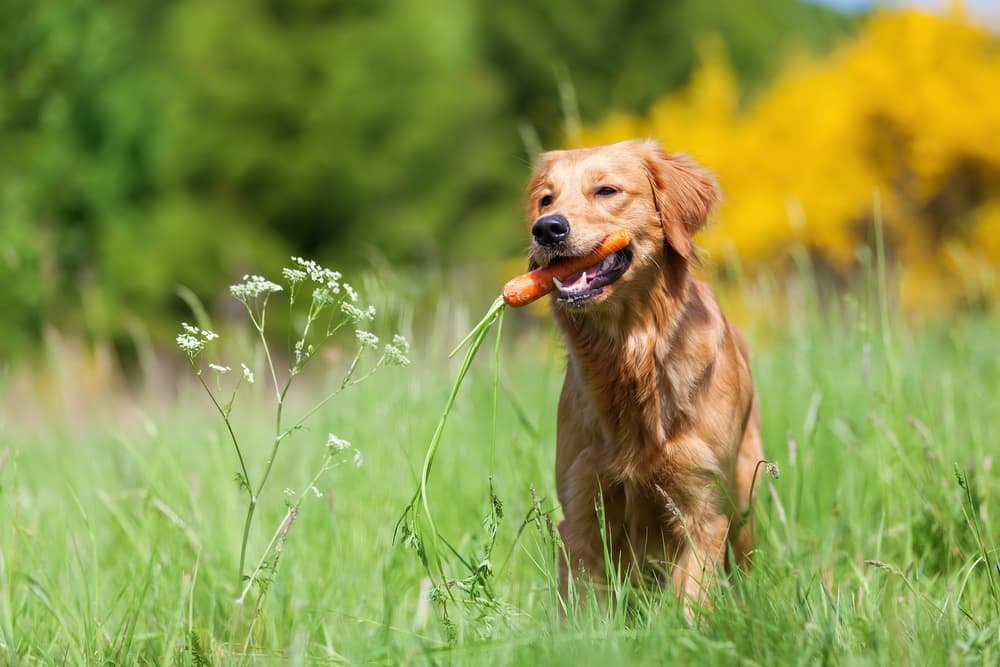
Safety and Formulation Considerations
Natural ingredients should not automatically be assumed to be risk-free at every concentration.
Vitamin A nutrition is particularly important because both deficiency and excessive intake can cause problems. Merck Veterinary Manual notes that vitamin A is essential but that supplementation of nutrients to already complete and balanced commercial pet foods should be undertaken carefully.
For this reason, manufacturers should evaluate the total nutritional contribution of all ingredients before adding Carotene Powder.
It is also important to distinguish between carotene as a carotenoid ingredient and vitamin A supplementation. They are not interchangeable for every animal species.
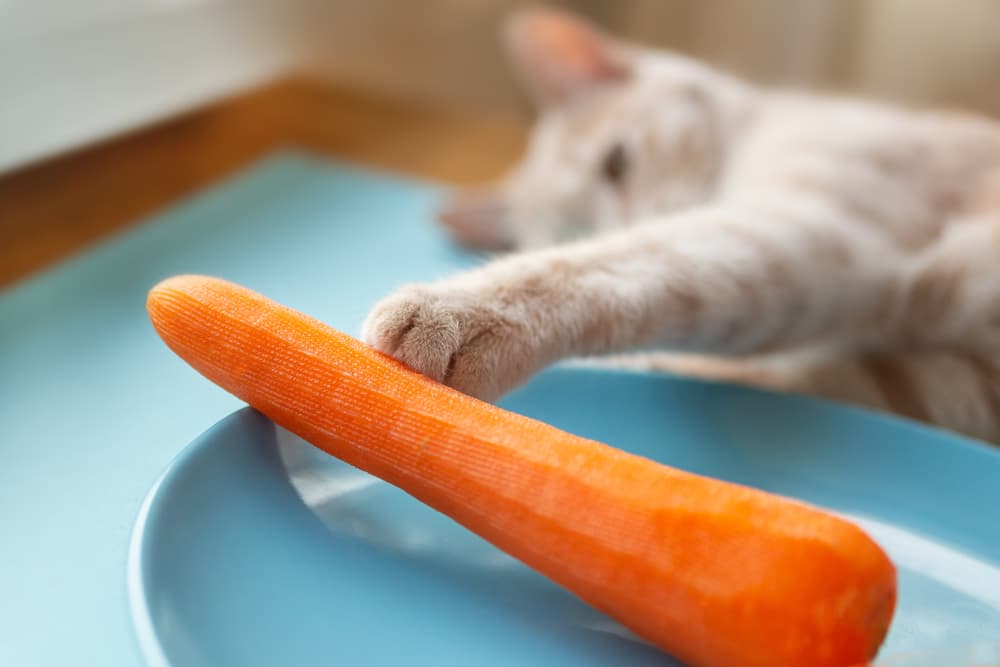
Applications of Carotene Powder for Cats and Dogs
Carotene Powder may be considered for a variety of pet nutrition products:
- Dog food
- Cat food
- Puppy food
- Kitten food
- Dog treats
- Cat treats
- Pet nutritional supplements
- Functional pet food
- Antioxidant blends
- Premium pet nutrition products
- Custom pet food formulations
For products intended for both dogs and cats, species-specific nutritional requirements should be considered during formulation.
Conclusion
Carotene Powder is a versatile carotenoid ingredient with potential applications in dog and cat nutrition. It can provide carotenoid functionality and antioxidant support and, in dogs, beta-carotene can contribute to vitamin A nutrition.
However, one of the most important differences in pet nutrition is that dogs can convert beta-carotene into vitamin A, while cats cannot. Cats therefore require preformed vitamin A in their diet.
For pet food manufacturers, this distinction is essential when developing products containing Carotene Powder.
When selecting a carotene ingredient, manufacturers should consider carotenoid concentration, purity, stability, bioavailability, processing conditions, packaging, and regulatory requirements. Used as part of a properly balanced formulation, Carotene Powder can be a useful ingredient for developing modern functional pet food, treats, and nutritional products.
References
Shastak, Y., & Pelletier, W. (2024). Pet Wellness and Vitamin A: A Narrative Overview. Animals.
Merck Veterinary Manual. Nutritional Requirements of Small Animals.
Green, A. S., & Fascetti, A. J. (2016). Meeting the Vitamin A Requirement: The Efficacy and Importance of β-Carotene in Animal Species. The Scientific World Journal.
Saini, R. K., et al. (2022). Carotenoids: Dietary Sources, Extraction, Encapsulation, Bioavailability, and Health Benefits-A Review of Recent Advancements. Antioxidants.
Effect of dietary antioxidants on free radical damage in dogs and cats (2024).
FAQ
A1: Carotene Powder is a powdered ingredient containing carotenoid compounds, commonly including beta-carotene depending on the product specification and source. It can be used in pet food, treats, supplements, and other nutritional formulations as a carotenoid source, antioxidant-support ingredient, or natural color ingredient.
A2: Carotene Powder containing beta-carotene may support antioxidant nutrition and contribute to vitamin A nutrition in dogs. Beta-carotene can be converted into vitamin A in dogs, while carotenoids are also studied for their antioxidant properties. Its nutritional contribution depends on the specific carotenoid, concentration, and overall diet formulation.
Q3: Can dogs convert beta-carotene into vitamin A?
A3: Yes. Dogs can convert beta-carotene into vitamin A. However, the efficiency of conversion can vary depending on physiological and dietary factors. Therefore, Carotene Powder should be considered as part of a balanced nutritional formulation rather than automatically replacing all dietary vitamin A sources.
Q4: Can Carotene Powder be used in cat food?
A4: Yes, carotenoid ingredients may be incorporated into cat food, treats, and supplements. However, an important nutritional distinction must be considered: cats cannot convert beta-carotene into vitamin A. Therefore, beta-carotene should not be used as a replacement for preformed vitamin A in cat diets.
Q5: Why is beta-carotene different for cats and dogs?
A5: Dogs can utilize beta-carotene as a provitamin A source, whereas cats lack the intestinal enzyme needed to convert beta-carotene into vitamin A. Cats therefore require preformed vitamin A from their diet. This difference should be considered when developing products for dogs and cats.
Q6: Does Carotene Powder provide antioxidant support for pets?
A6: Carotenoids such as beta-carotene are widely studied for their antioxidant properties. Carotene Powder may therefore be included as part of a broader antioxidant formulation. Other nutrients, such as vitamin E and vitamin C, may also be used in combination depending on the nutritional objectives of the product.
Q7: Can Carotene Powder be used in pet food manufacturing?
A7: Yes. Carotene Powder can be considered for dry pet food, wet food formulations, treats, nutritional supplements, functional pet food, and other companion-animal products. Manufacturers should evaluate its concentration, stability, dispersion, compatibility, and intended nutritional function before use.
Q8: Can Carotene Powder be used in dog and cat treats?
A8: Yes. Carotenoid-containing ingredients can be incorporated into dog and cat treats as part of functional or nutritional formulations. The appropriate inclusion level depends on the carotenoid concentration, target species, total diet, product formulation, and applicable regulations.
Q9: Can Carotene Powder be used in pet supplements?
A9: Yes. Carotene Powder may be used in powdered or formulated pet supplements. The appropriate amount depends on the specific carotenoid, product specification, target animal, life stage, and other vitamin and antioxidant sources in the complete diet.
Q10: Is Carotene Powder a source of vitamin A for cats?
A10: No. Beta-carotene cannot be converted into vitamin A by cats. Cat food formulations containing beta-carotene must still provide an appropriate source of preformed vitamin A to meet feline nutritional requirements.