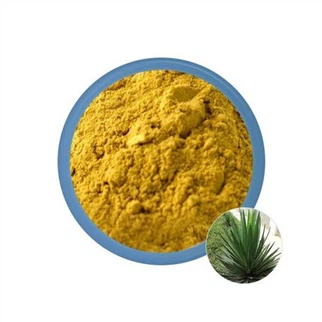
Carotene Powder is a plant-derived source of carotenoids that can be used as a functional ingredient in pet nutrition. Among the most studied carotenoids in dogs is beta-carotene (β-carotene), a naturally occurring pigment found in many fruits and vegetables.
In canine nutrition, carotenoids have attracted interest because of their antioxidant properties and their potential role in supporting normal immune function. Research in dogs has investigated beta-carotene supplementation in relation to immune-cell activity, antibody responses, and oxidative stress.
For pet food manufacturers and animal nutrition companies, Carotene Powder can therefore be considered a functional ingredient for developing nutritionally balanced diets, treats, supplements, and specialized pet-food formulations.
What Is Carotene Powder?
Carotene Powder is a powdered ingredient containing carotenoid pigments. Depending on the raw material and manufacturing process, carotene products may contain beta-carotene or mixtures of related carotenoids.
Beta-carotene is classified as a carotene, meaning it is a hydrocarbon carotenoid without oxygen atoms. Carotenoids are naturally occurring pigments responsible for many yellow, orange, and red colors in plants.
Beta-carotene is particularly interesting in canine nutrition because dogs can absorb dietary beta-carotene, and controlled studies have demonstrated measurable changes in plasma beta-carotene after supplementation.

Why Is Carotene Used in Dog Nutrition?
Dogs require a balanced supply of nutrients to maintain normal physiological functions. While carotenoids are not considered essential nutrients in the same way as many vitamins and minerals, they are bioactive plant compounds that can contribute to the antioxidant profile of a diet.
Research has investigated carotenoids in dogs for several reasons:
- Antioxidant activity
- Support of normal immune responses
- Protection of cells against oxidative damage
- Functional nutrition for adult dogs
- Nutritional support for aging dogs
- Development of premium and functional pet foods
However, the effects depend on the specific carotenoid, dosage, diet composition, absorption, and individual animal.

Benefits of Carotene Powder for Dogs
1. Antioxidant Support
One of the most important reasons for using carotenoid ingredients in pet food is their antioxidant activity.
Oxidative stress occurs when the production of reactive oxygen species exceeds the body's antioxidant defenses. Dietary antioxidants can help support the body's ability to manage oxidative challenges.
A 2024 study in dogs and cats found that diets containing vitamin E, vitamin C, and beta-carotene were associated with improved antioxidant status, increased immune-cell protection, and reduced measures of DNA damage in dogs.
These results support the potential value of antioxidant blends containing beta-carotene in canine nutrition.
2. Immune System Support
Beta-carotene has also been investigated for its potential effects on canine immune responses.
In a controlled study involving female Beagle dogs, animals receiving 20 or 50 mg of beta-carotene per day showed higher CD4+ cell numbers and CD4 ratios compared with unsupplemented dogs. Plasma IgG concentrations and certain delayed-type hypersensitivity responses were also increased.
Another study found that beta-carotene supplementation could improve certain immunological variables in older dogs, including CD4+ T-cell populations and T-cell proliferation.
These findings suggest that beta-carotene may have immunomodulatory properties in dogs, although responses can vary among animals.
3. Support for Cellular Protection
Carotenoids can participate in antioxidant defense mechanisms that help protect cells from oxidative damage.
A study of adult dogs fed an antioxidant blend containing carotenoids reported increased antioxidant activity and reduced endogenous and exogenous DNA damage compared with the control group. The supplemented dogs also developed higher vaccine-specific antibody levels following vaccination.
This suggests that antioxidant nutrition may be relevant to maintaining cellular integrity and supporting normal immune responses.
4. Nutritional Support for Aging Dogs
Aging can be accompanied by changes in immune function and antioxidant defenses.
Research involving young and older dogs found that older unsupplemented dogs had lower percentages of certain CD4+ T cells and reduced lymphocyte responses compared with younger dogs. Beta-carotene supplementation improved some of these immune-related measurements in older animals.
Therefore, carotenoid-containing diets may be of interest when developing functional nutrition products for senior dogs.
It is important to note that changes in laboratory immune markers do not automatically mean prevention or treatment of age-related disease.
5. Support During Physical Activity
Active and working dogs may experience increased oxidative challenges associated with exercise.
Research in Alaskan sled dogs found that supplementation with vitamin E, beta-carotene, and lutein increased circulating concentrations of the supplemented antioxidants and was associated with lower DNA oxidation following exercise.
This provides a scientific basis for investigating antioxidant-containing diets for active dogs, although the specific effects of individual carotenoids cannot be separated from the combination used in that study.
Carotene Powder and Vitamin A
Beta-carotene is sometimes described as a provitamin A carotenoid because some animal species can convert it into vitamin A.
However, dogs should not be assumed to obtain their vitamin A requirement from beta-carotene alone.
Research indicates that dogs can absorb beta-carotene, but their ability to convert carotenoids into vitamin A differs from that of some other animal species.
Therefore, pet-food manufacturers should formulate complete diets according to established nutritional requirements rather than relying on Carotene Powder as the sole source of vitamin A.
Uses of Carotene Powder in Pet Nutrition
1. Complete Dog Food
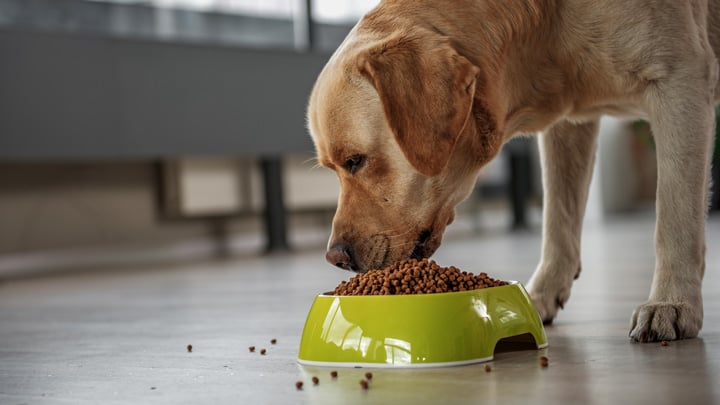
Carotene Powder can be incorporated into dry or wet dog-food formulations as part of a broader antioxidant and functional-ingredient system.
It may be combined with nutrients such as vitamin E and vitamin C to develop diets designed to provide a broader antioxidant profile.
2. Functional Pet Food
The growing interest in functional pet nutrition has encouraged manufacturers to explore plant-derived phytonutrients.
Carotenoids are among the plant compounds studied for potential benefits related to antioxidant and immune function in dogs.
Carotene Powder can therefore be considered for premium functional-food formulations.
3. Senior Dog Nutrition
Products formulated for older dogs may incorporate antioxidant ingredients as part of an overall nutritional strategy.
Beta-carotene has been investigated specifically in older dogs, with research showing changes in selected immune parameters following supplementation.
4. Dog Treats and Supplements
Carotene Powder can also be used in nutritional treats, powdered premixes, and supplement formulations.
When developing these products, manufacturers should consider the total dietary intake of carotenoids and other vitamins and nutrients to avoid unnecessary over-supplementation.
5. Nutrition for Active and Working Dogs
Active dogs may have different nutritional priorities from sedentary companion animals.
Antioxidant blends containing beta-carotene have been investigated in exercising dogs, making carotenoid ingredients relevant to the development of specialized nutrition products for working, sporting, and highly active dogs.
Carotene Powder in Antioxidant Blends
Carotene Powder is often more useful as part of a complete nutritional strategy than as an isolated ingredient.
Common antioxidant nutrients and compounds investigated in canine nutrition include:
- Beta-carotene
- Vitamin E
- Vitamin C
- Lutein
- Other dietary carotenoids
- Selected plant-derived phytonutrients
Research has shown that combinations of antioxidants can influence antioxidant status and markers of cellular protection in dogs.
The interaction between these nutrients is complex, so formulation should be based on the complete diet rather than focusing on a single ingredient.

How to Choose Carotene Powder for Dog Food
For pet-food manufacturers and bulk ingredient buyers, several quality factors should be considered.
Carotenoid Content
The product specification should clearly identify the carotenoid concentration and, where relevant, the percentage of beta-carotene.
Purity
A high-quality ingredient should have consistent purity and meet appropriate specifications for pet-food use.
Stability
Carotenoids can be sensitive to environmental factors such as oxygen, light, heat, and moisture. Proper processing and packaging are therefore important for maintaining product quality.
Particle Size
Powder characteristics can affect blending, dispersion, and uniformity in premixes and finished pet-food products.
Batch Consistency
Consistent carotenoid concentration is important for accurate formulation and reliable manufacturing.
Certificate of Analysis
Commercial buyers should request a Certificate of Analysis (COA) showing relevant specifications such as active content, moisture, microbiological parameters, and contaminants.
Carotene Powder Dosage for Dogs
There is no single universal dosage of Carotene Powder for every dog.
Research studies have used different beta-carotene concentrations and administration methods. For example, controlled research has investigated daily supplementation levels of 2, 20, and 50 mg in Beagle dogs, while other studies have used dietary concentrations.
These research doses should not automatically be interpreted as recommended commercial feeding rates.
The appropriate inclusion level depends on:
- Carotene concentration of the ingredient
- Dog size and life stage
- Complete diet composition
- Purpose of supplementation
- Other antioxidant ingredients
- Product formulation
- Regulatory requirements
For commercial pet food, the final inclusion rate should be established by a qualified animal nutritionist and based on applicable pet-food regulations.
Safety and Formulation Considerations
Carotene Powder should be used as part of a properly balanced diet.
More is not necessarily better. Increasing antioxidant intake does not always result in proportionally greater benefits, and optimal intake can vary according to the specific response being measured. Recent research emphasizes that antioxidant effects depend on the overall dietary formulation and dose.
Pet-food manufacturers should therefore:
- Verify the identity and concentration of the carotenoid ingredient.
- Consider the complete nutrient profile of the finished food.
- Evaluate stability during processing and storage.
- Avoid making disease-treatment claims without appropriate evidence.
- Follow applicable feed and pet-food regulations.
Conduct product-specific palatability and safety testing when appropriate.

Why Carotene Powder Is Interesting for the Pet-Food Industry
The pet-food market is increasingly interested in functional ingredients that provide nutritional value beyond basic macronutrients.
Carotenoids fit this trend because they are naturally occurring plant compounds with antioxidant and immunomodulatory properties that have been investigated in dogs. Reviews of canine nutrition identify beta-carotene and other carotenoids as promising phytonutrients, while also noting that additional research is needed to establish their long-term clinical effects.
For manufacturers, Carotene Powder can be incorporated into premium dog foods, functional diets, antioxidant premixes, treats, and nutritional supplements.
Conclusion
Carotene Powder, particularly beta-carotene-rich powder, is a promising functional ingredient for canine nutrition. Research in dogs indicates that beta-carotene can be absorbed and may influence antioxidant status and selected immune responses.
Potential nutritional applications include antioxidant support, immune-function support, senior-dog nutrition, active-dog diets, functional pet foods, treats, and nutritional supplements. Studies have reported improvements in selected immune markers and measures of cellular protection, although results depend on the dose, diet, dog population, and combination of nutrients used.
For pet-food manufacturers, the most important considerations are carotenoid concentration, purity, stability, formulation compatibility, dosage, and regulatory compliance. Carotene Powder should be viewed as a functional nutritional ingredient rather than a treatment for disease.
References
Chew, B. P., Park, J. S., Weng, B. C., et al. (2000). Dietary beta-carotene stimulates cell-mediated and humoral immune response in dogs. Journal of Nutrition.
Massimino, S., Kearns, R. J., Loos, K. M., et al. (2003). Effects of age and dietary beta-carotene on immunological variables in dogs. Veterinary Record.
Heaton, P. R., Reed, C. F., Mann, S. J., et al. (2002). Role of dietary antioxidants to protect against DNA damage in adult dogs. Journal of Nutrition.
Jewell, D. E., Motsinger, L. A., & Paetau-Robinson, I. (2024). Effect of dietary antioxidants on free radical damage in dogs and cats. Journal of Animal Science, 102.
Heinze, C. R., et al. (2021). Roles of plant-based ingredients and phytonutrients in canine nutrition and health. Journal of Animal Physiology and Animal Nutrition.
Vitamins, Minerals and Phytonutrients as Modulators of Canine Immune Function: A Literature Review. (2024). Review of nutritional compounds and immune function in dogs.
Meeting the Vitamin A Requirement: The Efficacy and Importance of β-Carotene in Animal Species. Review of beta-carotene absorption and vitamin A conversion among animal species.
Effects of dietary antioxidant supplementation on oxidative damage and resistance to oxidative damage during prolonged exercise in sled dogs. American Journal of Veterinary Research.
FAQ
A1: Carotene Powder is a plant-derived powdered ingredient containing carotenoids, such as beta-carotene (β-carotene). Carotenoids are naturally occurring pigments found in many fruits and vegetables and can be used as functional ingredients in pet food, treats, supplements, and animal nutrition products.
A2: Carotene Powder may provide antioxidant support and contribute to normal immune function. Beta-carotene has been studied in dogs in relation to antioxidant status, immune-cell activity, antibody responses, and protection against oxidative stress.
Q3: Why is beta-carotene important in dog nutrition?
A3: Beta-carotene is a naturally occurring carotenoid with antioxidant properties. Research has shown that dogs can absorb dietary beta-carotene, and supplementation has been associated with changes in certain immune and antioxidant markers. Its role should be considered as part of a complete and balanced nutritional program.
Q4: Can Carotene Powder be used in dog food?
A4: Yes. Carotene Powder can be incorporated into dry or wet dog food as a functional ingredient. It may be included in antioxidant blends or premium pet-food formulations designed to provide plant-derived carotenoids.
Q5: Can Carotene Powder be used for senior dogs?
A5: Yes. Beta-carotene has been investigated in older dogs, with studies reporting changes in selected immune-related measurements following supplementation. Carotenoid-containing diets may therefore be considered when developing functional nutrition products for senior dogs.
Q6: Can Carotene Powder be used in food for active and working dogs?
A6: Yes. Carotenoids may be incorporated into nutritional formulations for active and working dogs as part of an antioxidant strategy. Research in exercising sled dogs has investigated antioxidant combinations containing beta-carotene, vitamin E, and lutein in relation to oxidative stress.
Q7: Can Carotene Powder support the immune system of dogs?
A7: Beta-carotene has been studied for its potential immunomodulatory effects in dogs. Research has reported changes in certain immune-cell populations, antibody responses, and other immune-related measurements following supplementation. However, the response can vary according to dosage, diet, age, and individual animal factors.
Q8: Is beta-carotene a source of vitamin A for dogs?
A8: Beta-carotene is classified as a provitamin A carotenoid because some animals can convert it into vitamin A. However, dogs should not be assumed to meet their vitamin A requirements from beta-carotene alone. Complete dog-food formulations should provide vitamin A according to established nutritional requirements.
Q9: Can Carotene Powder be used in dog treats and supplements?
A9: Yes. Carotene Powder can be incorporated into functional dog treats, nutritional supplements, powdered premixes, and other specialized pet-food products. The total intake of carotenoids and other nutrients should be considered when developing the final formulation.
Q10: What should buyers consider when purchasing Carotene Powder for dogs?
A10: Buyers should consider carotenoid concentration, beta-carotene content, purity, stability, particle size, moisture, microbiological quality, contaminants, and batch consistency. A Certificate of Analysis (COA) and product specification should be requested to verify quality and suitability for the intended pet-food application.