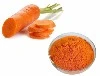
Carotene powder is a plant-derived source of carotenoid compounds that can be used in pet-food and animal-nutrition formulations. Among carotenoids, beta-carotene is particularly well known because dogs can convert a portion of it into vitamin A, an essential nutrient involved in normal vision, immune function, skin health, reproduction, and maintenance of body tissues.
Beyond its role as a provitamin A carotenoid, carotene is also valued for its antioxidant properties and natural pigmentation. This makes carotene powder an interesting ingredient for premium dog food, functional treats, nutritional premixes, and pet supplements.
However, carotene should be used as part of a balanced nutritional formulation rather than as a replacement for complete and balanced dog food.
What Is Carotene Powder?
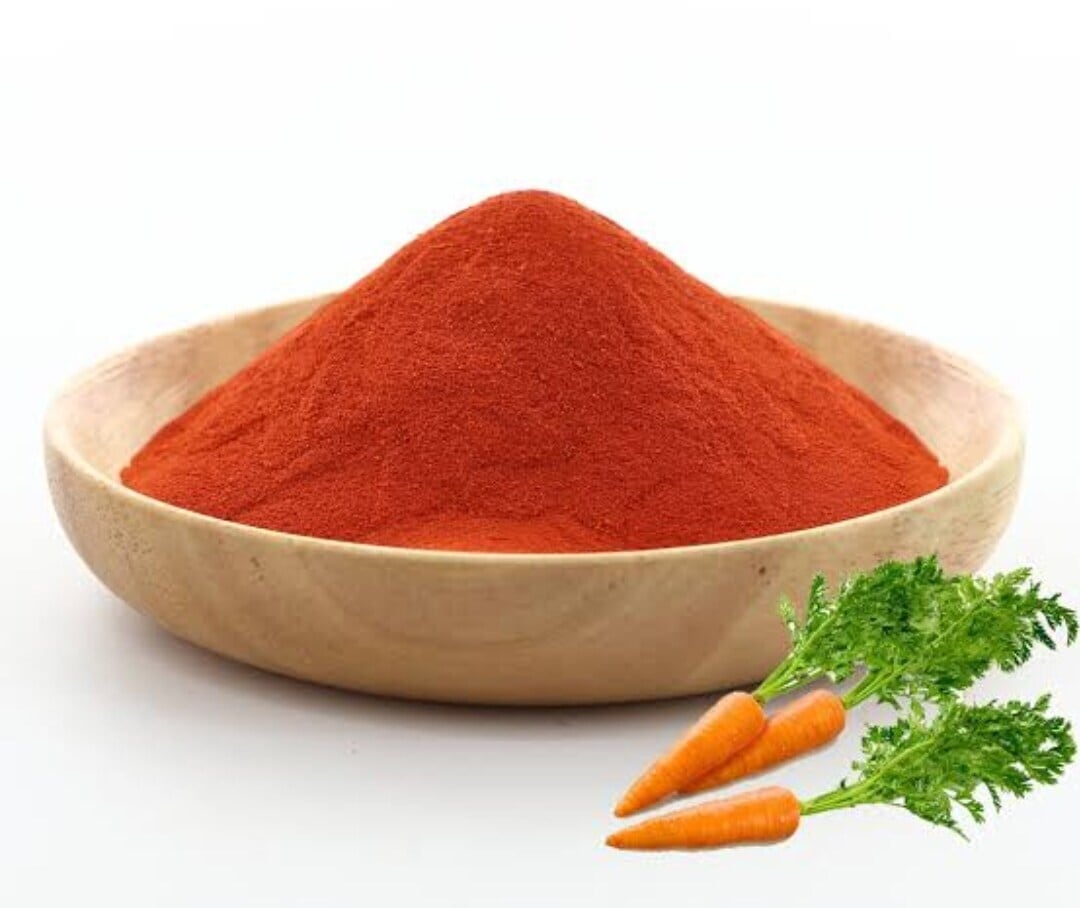
Carotene powder is a powdered ingredient containing carotenoids, which are naturally occurring pigments found in plants. Depending on the source and manufacturing process, carotene products may contain beta-carotene or a mixture of related carotenoids.
Beta-carotene is an orange-colored carotenoid commonly found in foods such as carrots, sweet potatoes, pumpkin, and leafy vegetables.
In dogs, beta-carotene can be converted into vitamin A. Vitamin A is important for normal vision, immune response, reproduction, growth, and maintenance of epithelial tissues.
For commercial pet-food manufacturers, the exact carotenoid content should always be confirmed through the product specification and Certificate of Analysis.
Antioxidant Support
One of the major nutritional interests in carotene is its antioxidant activity.
Normal metabolism can generate reactive molecules, while antioxidant systems help protect cells from oxidative damage. Carotenoids can participate in antioxidant defense and are therefore commonly studied as functional nutritional compounds.
Including carotene as part of a balanced dog-food formulation can contribute to the overall antioxidant profile of the diet.
This makes carotene particularly interesting for premium formulas focused on general wellness and healthy aging.

Supports Normal Vitamin A Nutrition
Beta-carotene is known as a provitamin A carotenoid because animals that can metabolize it can convert it into vitamin A.
Vitamin A plays several important roles in dogs, including supporting:
- Normal vision
- Immune function
- Skin and epithelial tissues
- Reproductive health
- Normal growth and development
The amount of vitamin A that can be generated from beta-carotene depends on several factors, including the animal's nutritional status and the characteristics of the carotenoid source.
For this reason, dog-food manufacturers should calculate the complete vitamin A contribution of the finished product rather than assuming that carotene alone will satisfy all vitamin A requirements.
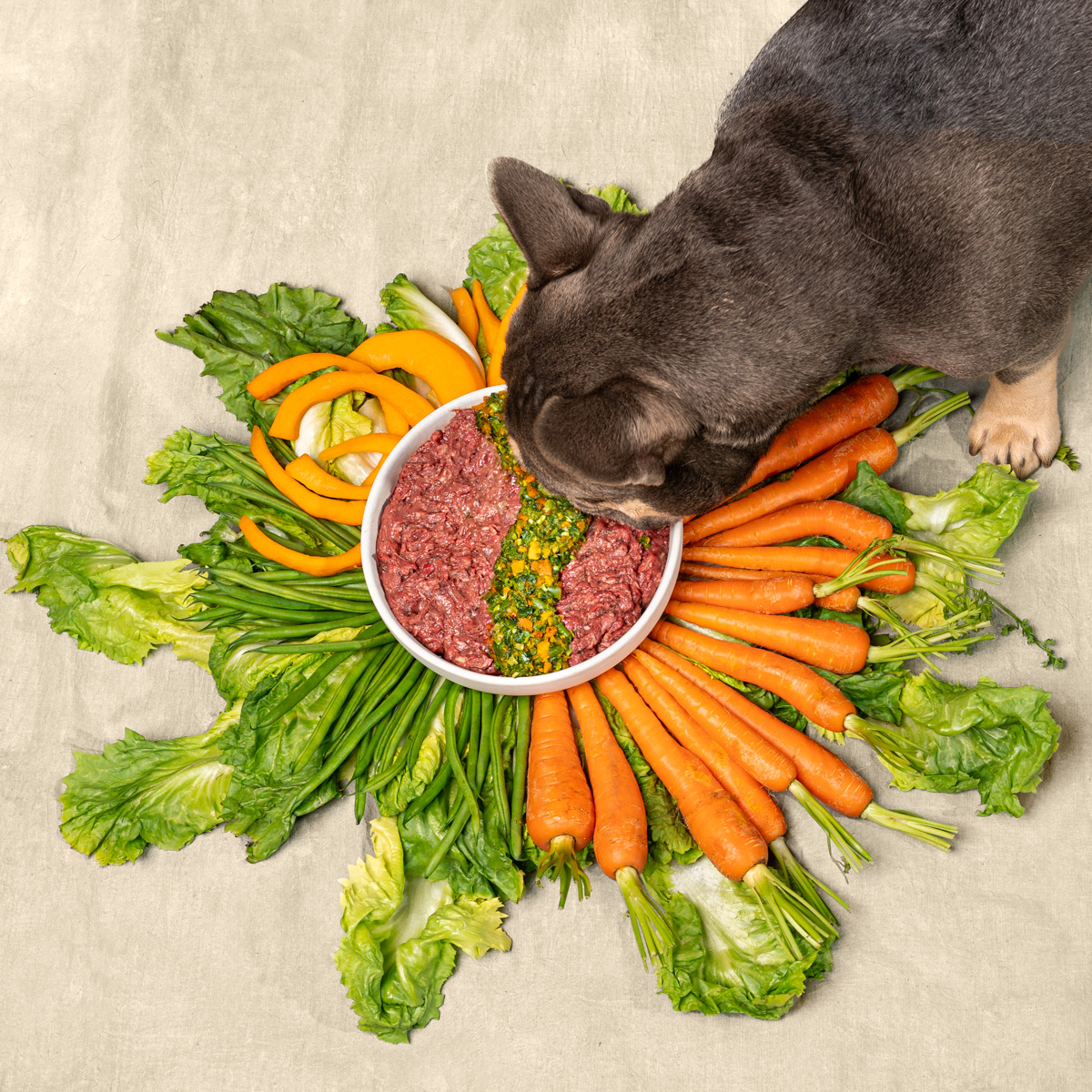
Supports Immune Function
Adequate nutrition is essential for maintaining a healthy immune system.
Vitamin A is involved in normal immune-system function, while carotenoids have also been investigated for their broader antioxidant and immunomodulatory properties.
Adding a suitable carotenoid ingredient to a complete dog-food formulation may therefore support overall nutritional strategies focused on immune health.
Carotene should not, however, be marketed as a treatment or cure for infections or immune disorders.

Supports Healthy Skin and Coat
Vitamin A contributes to the maintenance of normal skin and epithelial tissues.
Because beta-carotene can contribute to vitamin A nutrition in dogs, carotene-containing diets may support normal skin function when the overall diet is nutritionally adequate.
A healthy coat also depends on many other nutrients, including:
- High-quality protein
- Essential fatty acids
- Zinc
- Copper
- Biotin
- Vitamins
- Minerals
Therefore, carotene works best as one component of a complete nutritional strategy rather than as a standalone solution for skin or coat problems.

Supports Normal Vision
Vitamin A has an important role in maintaining normal vision.
Adequate vitamin A is particularly important for normal function of the retina and visual system. Since dogs can utilize beta-carotene as a provitamin A source, carotene can contribute to vitamin A nutrition.
For dog-food manufacturers, carotene can therefore be considered when designing formulations that provide comprehensive nutritional support.

Potential Support for Healthy Aging
Oxidative stress is one of the processes associated with aging.
Carotenoids have antioxidant properties and are consequently of interest in nutritional approaches aimed at supporting healthy aging.
For senior dogs, carotene may be incorporated into functional diets together with other nutritional ingredients such as high-quality protein, omega fatty acids, vitamins, minerals, and other antioxidant compounds.
The goal is nutritional support rather than treatment of age-related disease.

Natural Color for Dog Food and Treats
Carotene also has an important technological application: natural pigmentation.
Depending on the carotenoid concentration and formulation, carotene can contribute yellow, orange, or reddish tones to pet-food products.
It may be used in:
- Dry dog food
- Wet dog food
- Dog treats
- Functional chews
- Pet supplements
- Nutritional premixes
For brands developing naturally positioned products, plant-derived carotenoids may provide an alternative to certain synthetic colorants where permitted by applicable regulations.
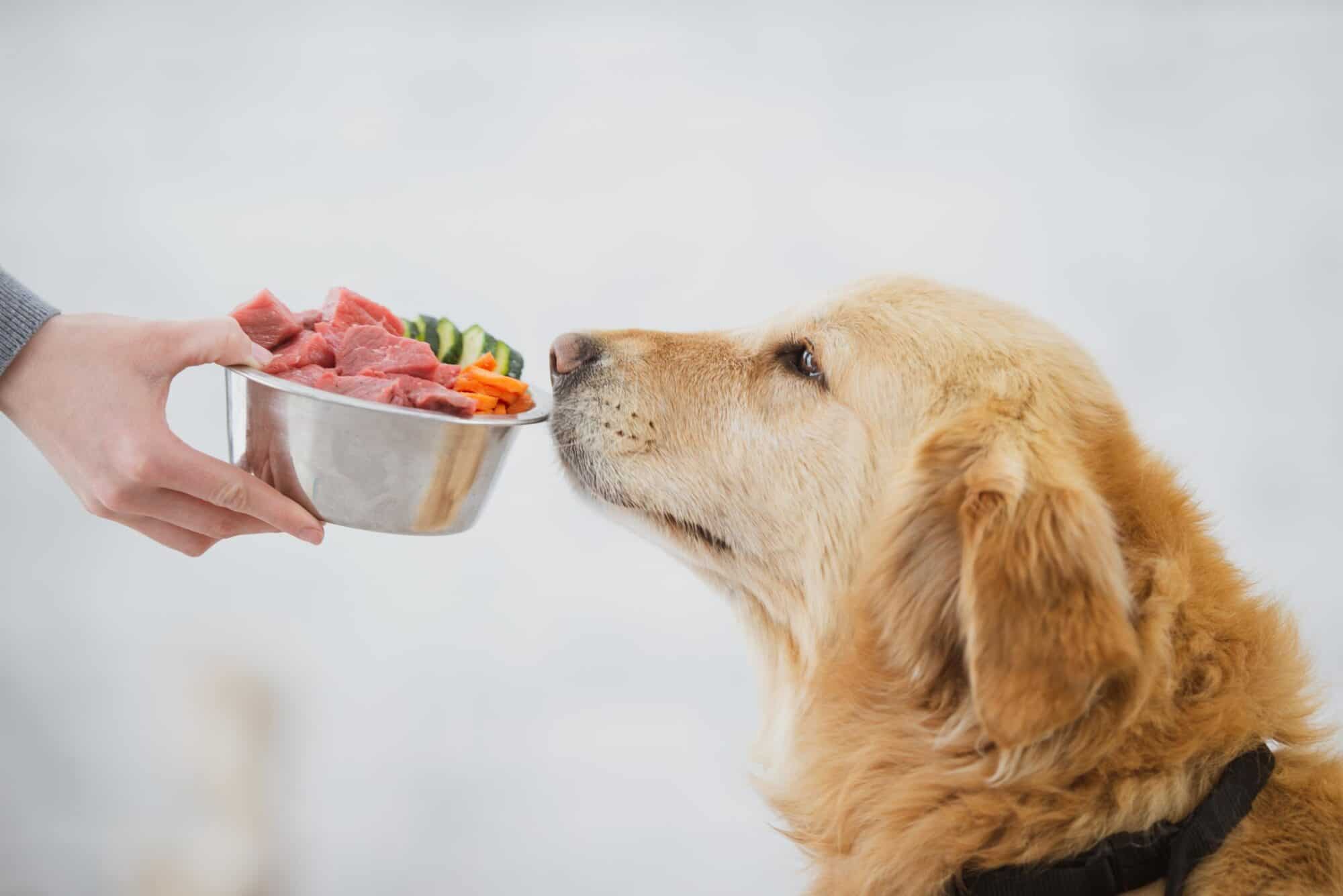
Carotene Powder in Functional Dog Supplements
Carotene powder can be incorporated into various functional pet products.
Possible applications include:
Antioxidant Formulas
Carotene can be combined with other antioxidant ingredients to develop nutritional products intended to support general wellness.
Skin and Coat Products
Carotenoid ingredients may be included alongside essential fatty acids, vitamins, minerals, and other nutrients in skin-and-coat formulations.
Senior Dog Nutrition
Carotene can be incorporated into nutritional formulas designed for mature and senior dogs.
Multinutrient Premixes
Pet-food manufacturers can use standardized carotene ingredients as part of broader vitamin and antioxidant premixes.

Carotene Powder vs. Beta-Carotene Powder
The terms "carotene" and "beta-carotene" should not automatically be considered identical.
Carotene powder may refer to a product containing one or more carotene compounds, depending on its source.
Beta-carotene powder specifically identifies beta-carotene as the primary active carotenoid.
For commercial dog-food applications, manufacturers should check:
- Active carotenoid identity
- Total carotenoid content
- Beta-carotene concentration
- Carrier ingredients
- Stability
- Solubility or dispersibility
- Purity
Clear specifications make accurate formulation easier.
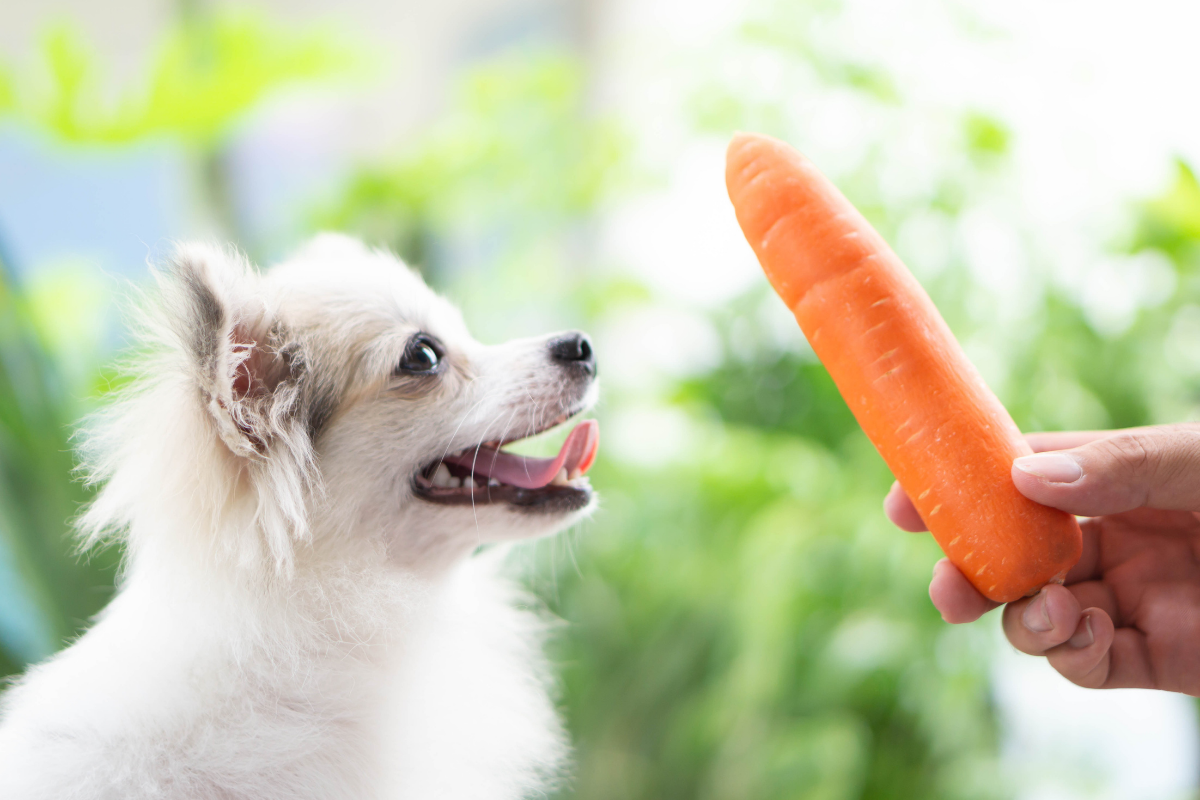
How to Choose High-Quality Carotene Powder
Quality and stability are especially important for carotenoid ingredients.
Standardized Carotenoid Content
A standardized active content allows manufacturers to maintain consistent dosage across production batches.
Good Stability
Carotenoids can be sensitive to oxygen, heat, light, and processing conditions. Appropriate packaging and storage can help preserve product quality.
Fine and Uniform Powder
A consistent particle size can improve blending into pet-food premixes, treats, and supplement formulations.
Quality Testing
Commercial buyers should request appropriate documentation, such as:
- Certificate of Analysis
- Carotenoid assay
- Moisture content
- Heavy-metal testing
- Microbiological testing
- Stability information
- Product specification
How Is Carotene Powder Used in Dog Nutrition?
There is no single universal dosage for every carotene powder.
The appropriate inclusion level depends on:
- The specific carotenoid.
- Active carotenoid concentration.
- Dog size and life stage.
- Complete diet composition.
- Existing vitamin A content.
- Processing conditions.
- Intended nutritional purpose.
- Applicable regulations.
For commercial pet-food products, the final inclusion rate should be established through formulation calculations, stability testing, and appropriate nutritional evaluation.
Pet owners should avoid adding concentrated carotene or vitamin products to a complete commercial diet without professional guidance, particularly when several supplements are being used simultaneously.
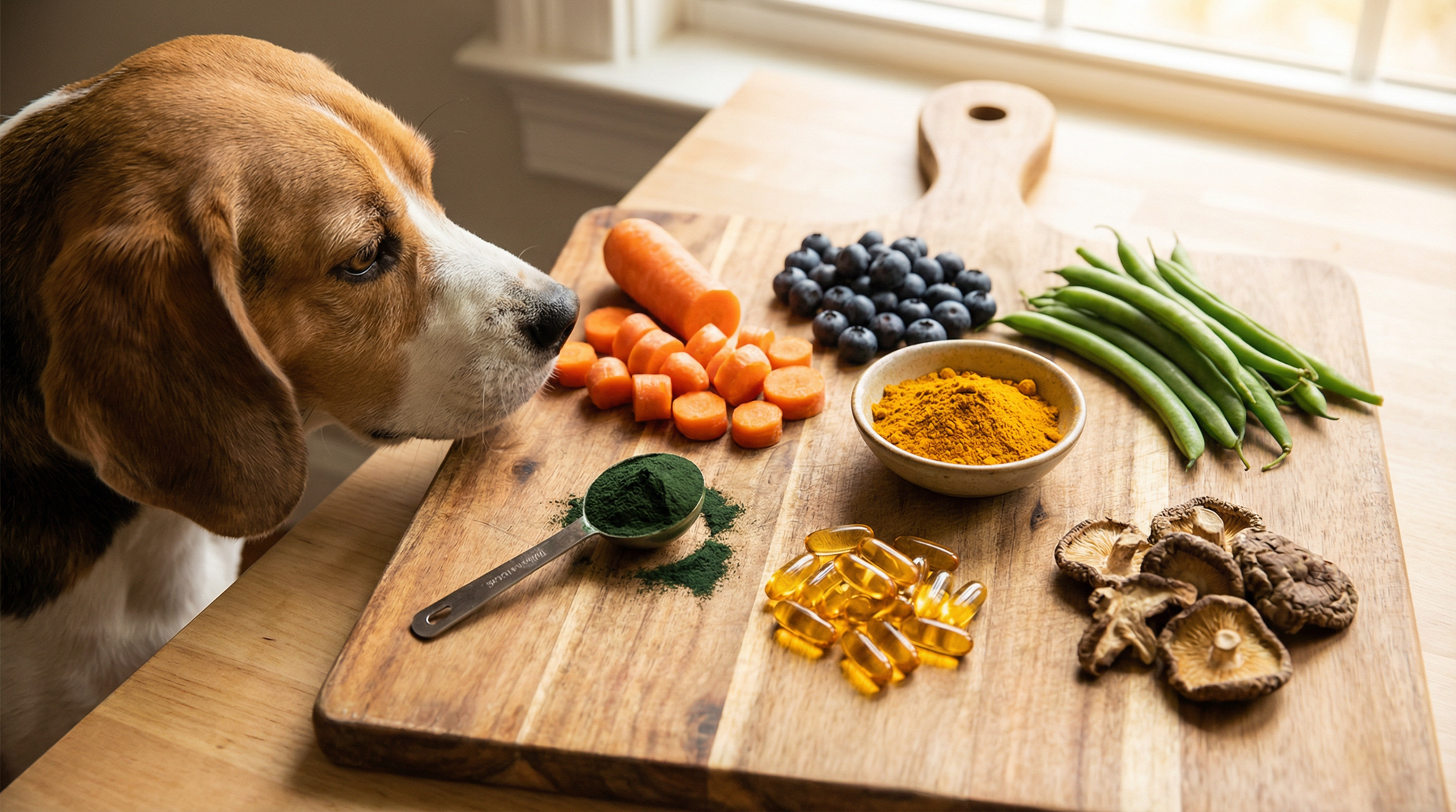
Carotene Stability in Pet Food
Carotenoids can be affected by processing and storage.
Exposure to:
- Heat
- Oxygen
- Light
- Moisture
- Long storage periods
- can reduce carotenoid stability.
This is particularly important for extruded dog food because manufacturing involves elevated temperatures.
Pet-food manufacturers should evaluate carotenoid retention throughout processing and storage. Protective carriers, appropriate packaging, and controlled storage conditions can help maintain the desired active content.

Carotene Powder for Puppies and Adult Dogs
Dogs at different life stages have different nutritional requirements.
For puppies, vitamin A is important for normal growth and development. Adult dogs require vitamin A for normal maintenance and physiological functions.
When formulating products for different life stages, manufacturers should consider the total nutrient profile rather than simply increasing carotene inclusion.
A complete puppy diet, adult-maintenance diet, or senior formula should meet the appropriate nutritional requirements for its intended life stage.
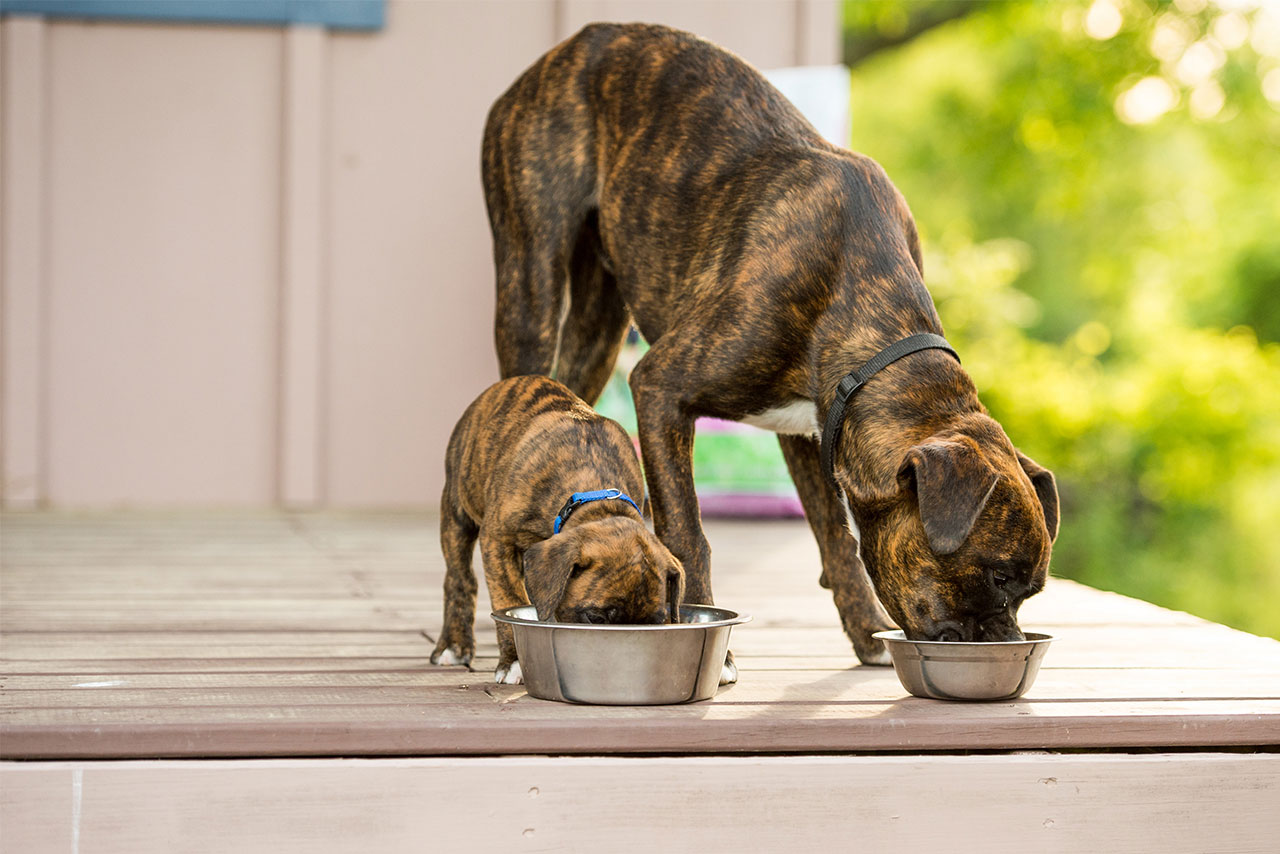
Benefits of Carotene Powder for Dogs at a Glance
| Potential Benefit | Nutritional Role |
|---|---|
| Antioxidant support | Carotenoids participate in antioxidant defense |
| Vitamin A nutrition | Beta-carotene can provide provitamin A activity in dogs |
| Immune support | Vitamin A contributes to normal immune function |
| Vision support | Vitamin A is important for normal visual function |
| Skin support | Vitamin A helps maintain normal epithelial tissues |
| Healthy aging | Antioxidant nutrition can support overall wellness |
| Natural pigmentation | Carotenoids provide natural yellow-orange coloration |
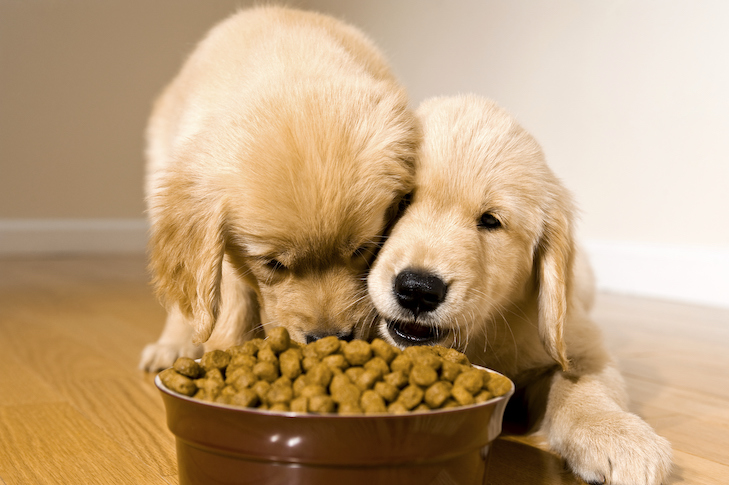
Important Safety Considerations
Carotene is a nutritional ingredient, but correct formulation remains important.
More is not necessarily better. Dog foods should be formulated to provide appropriate amounts of vitamin A and other nutrients without excessive supplementation.
It is also important to distinguish beta-carotene from preformed vitamin A. Beta-carotene is a provitamin A carotenoid, while retinol and retinyl esters are preformed forms of vitamin A. These nutrients have different metabolic characteristics.
For commercial applications, manufacturers should follow recognized nutritional guidelines and local regulations governing animal-feed and pet-food ingredients.
Conclusion
Carotene Powder is a versatile ingredient for modern dog nutrition. Its value comes from several characteristics, including carotenoid antioxidant activity, potential contribution to vitamin A nutrition, and natural pigmentation.
For dogs, beta-carotene can be converted into vitamin A, supporting important physiological functions such as normal vision, immune function, skin maintenance, growth, and reproduction. Carotenoids can also contribute to the antioxidant profile of a complete diet.
For pet-food manufacturers, carotene powder can be incorporated into dry foods, wet foods, treats, supplements, functional chews, and nutritional premixes. The most important factors are carotenoid identity, active concentration, stability, purity, processing conditions, and proper formulation.
When used appropriately as part of a complete and balanced diet, high-quality carotene powder can be a useful plant-derived ingredient for developing premium dog nutrition products.
References
National Research Council. Nutrient Requirements of Dogs and Cats. National Academies Press.
Fascetti, A. J., & Delaney, S. J. Applied Veterinary Clinical Nutrition. Elsevier.
National Research Council. Vitamin A and Carotenoids. In Nutrient Requirements of Dogs and Cats. National Academies Press.
Stahl, W., & Sies, H. (2005). Bioactivity and protective effects of natural carotenoids. Biochimica et Biophysica Acta.
Surai, P. F. (2016). Antioxidant Systems in Poultry Biology: Superoxide Dismutase. Antioxidant research literature relevant to carotenoid nutrition and oxidative stress.
Chew, B. P., Park, J. S. (2004). Carotenoid action on the immune response. Journal of Nutrition.