Tea saponin is a naturally occurring plant compound primarily extracted from tea seeds, especially Camellia oleifera. Known for its natural surfactant and biological properties, tea saponin has attracted increasing interest in agriculture as a functional ingredient for fertilizer formulations, soil management, and crop-production systems.
Unlike conventional fertilizers, tea saponin is not primarily used to supply nitrogen, phosphorus, or potassium. Instead, its value comes from its surface-active properties, which can influence wetting, dispersion, and interactions between water, soil particles, and other agricultural ingredients.
Research has also investigated tea saponins in soil remediation, including their potential to improve the desorption and mobility of certain contaminants.
What Is Tea Saponin?
Tea saponin is a group of naturally occurring triterpenoid compounds found in tea plants. Commercial tea saponin is commonly produced from Camellia oleifera seeds or tea seed meal, which is a by-product of tea-seed oil production.
Saponins have a distinctive structure containing both hydrophilic and hydrophobic portions. This gives them natural surface-active characteristics and allows them to interact with water, oils, soil particles, and organic compounds.
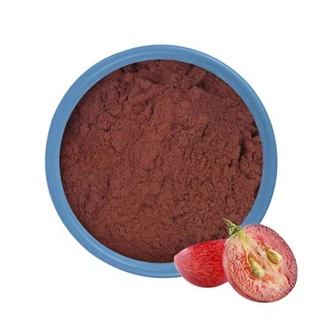
Tea saponin is commonly available as a powder or concentrated extract. Commercial products can differ significantly in saponin concentration, solubility, color, moisture, and purity.
For fertilizer manufacturers, selecting a standardized tea saponin product is important for maintaining consistent formulation performance.

Is Tea Saponin a Fertilizer?
Tea saponin itself should not be considered a conventional fertilizer.
Traditional fertilizers primarily provide essential plant nutrients such as:
- Nitrogen
- Phosphorus
- Potassium
- Calcium
- Magnesium
- Sulfur
- Micronutrients
Tea saponin serves a different function. It can be incorporated into selected agricultural formulations as a natural functional ingredient.
Its potential roles include:
- Natural surfactant
- Wetting agent
- Dispersion aid
- Soil-management ingredient
- Soil-remediation aid
- Botanical agricultural additive
Therefore, tea saponin is generally more accurately described as a functional agricultural ingredient rather than an NPK fertilizer.
Natural Surfactant for Fertilizer Formulations
One of the primary benefits of tea saponin is its natural surfactant activity.
Tea saponins have been described as natural non-ionic surfactants. Their ability to lower surface tension can influence how water interacts with agricultural materials.
This property may be useful when developing fertilizer products that require improved wetting or dispersion.
Potential formulation applications include:
- Water-soluble fertilizers
- Liquid fertilizers
- Foliar fertilizers
- Soil-applied fertilizer products
- Fertilizer concentrates
- Botanical agricultural formulations
The effectiveness depends on the complete formulation and should be confirmed through compatibility testing.
May Improve Soil Wetting
Soil-water interaction is essential for crop production.
When water does not distribute evenly, nutrients and other dissolved agricultural inputs may also be distributed unevenly.
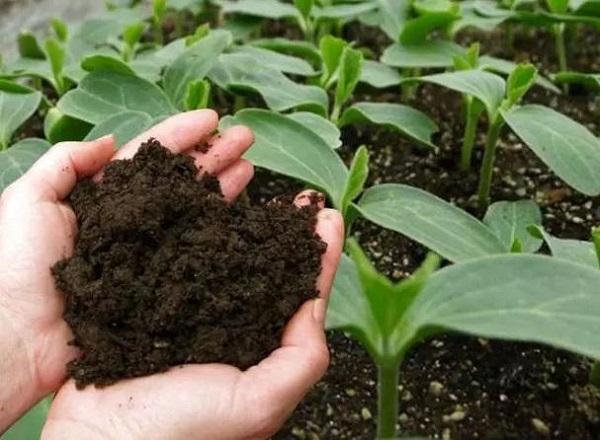
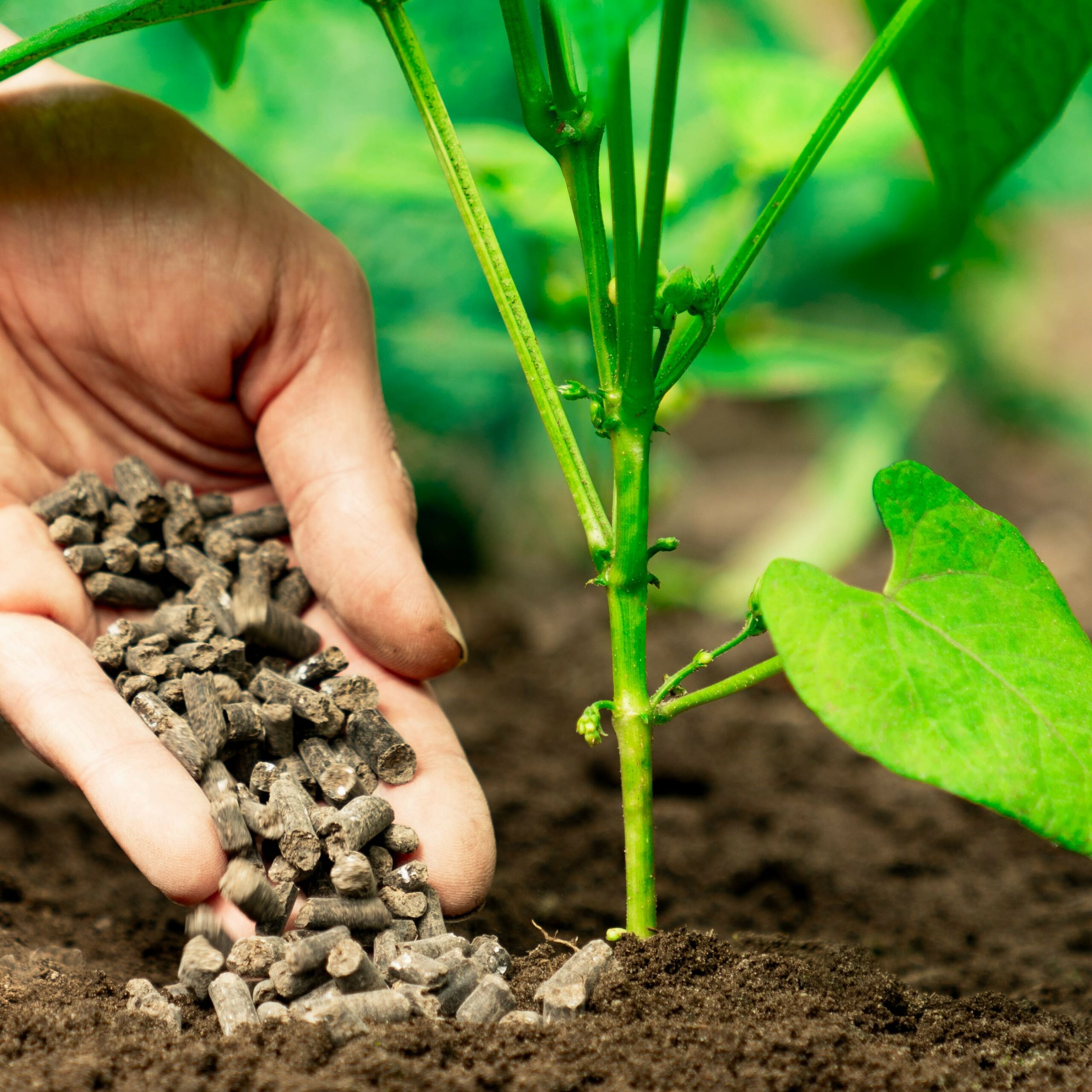
Because tea saponin has surface-active properties, it may help modify the interaction between water and soil surfaces.
This makes it interesting for formulations designed to improve soil wetting.
However, soil response varies according to:
- Soil texture
- Organic-matter content
- Moisture
- Soil hydrophobicity
- Temperature
- Application rate
For this reason, field or greenhouse testing is recommended before establishing a commercial application rate.
Supports Better Dispersion of Agricultural Formulations
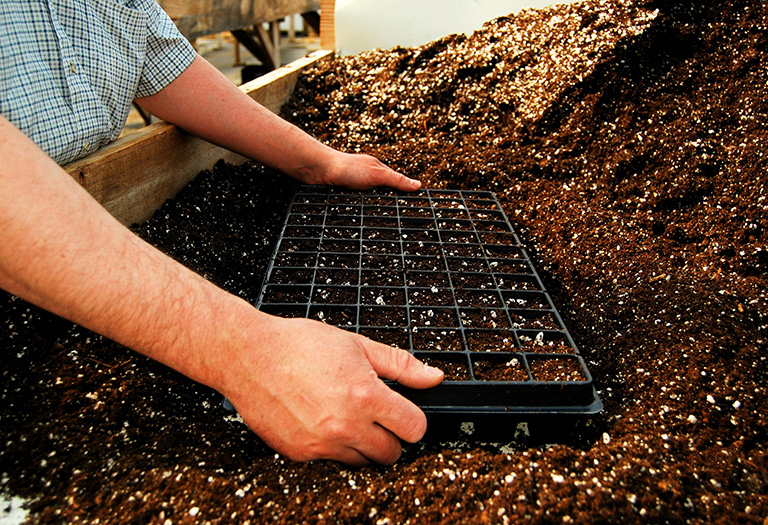
Tea saponin can also be considered when formulation developers need improved dispersion.
In a fertilizer product, uniform distribution of active components is important for consistent application.
The surfactant properties of tea saponin may help improve the interaction between water and certain formulation components.
This can be particularly useful in liquid or water-dispersible agricultural products.
Tea saponin should not, however, be assumed to improve every formulation. Compatibility testing is necessary because pH, salts, minerals, and other additives can influence stability.

Potential Benefits for Soil Remediation
Tea saponin has received significant scientific attention for soil-remediation applications.
Research has investigated its ability to influence the interaction between contaminants and soil particles. In particular, tea saponins can promote the desorption of certain heavy metals from soil.
A review in RSC Advances described tea saponins as natural surfactants with potential applications in soil remediation.
Research has examined tea saponins in connection with contaminants such as:
- Cadmium
- Lead
- Copper
- Zinc
- Polycyclic aromatic hydrocarbons
- Other soil pollutants
This application is specialized and should be distinguished from routine fertilizer use.

Supports Phytoremediation Research
Phytoremediation uses plants to help remove or stabilize contaminants in soil.
Tea saponins have been investigated as compounds that can increase the availability of certain pollutants to plants, potentially supporting the uptake of contaminants by appropriate plant species.
According to published research, tea saponins may enhance pollutant accumulation by certain hyperaccumulator plants under specific experimental conditions.
This makes tea saponin a potential research ingredient for environmental agriculture and contaminated-soil management.

Potential Role in Microbial Soil Remediation
Microorganisms are important components of soil ecosystems and can participate in the breakdown of organic pollutants.
Tea saponins have been investigated for their ability to support the degradation of certain contaminants through microbial-remediation systems.
The effects depend on the specific microbial community, contaminant, soil conditions, and tea-saponin concentration.
Therefore, tea saponin should be evaluated as part of a complete remediation system rather than assumed to improve all soil microbial activity.

Tea Saponin and Crop Production
Tea saponin may support crop-production systems indirectly through its functional properties.
It is not a substitute for plant nutrients, but it can potentially contribute to agricultural formulations designed to improve:
- Wetting
- Dispersion
- Nutrient-contact efficiency
- Soil-management performance
- Formulation stability
The response of crops will depend on the formulation, application method, crop species, and environmental conditions.
Proper application rates are especially important because high concentrations of biologically active saponins may negatively affect some plants.

Tea Saponin as a Natural Agricultural Ingredient
The natural origin of tea saponin makes it attractive to manufacturers developing botanical agricultural products.
Tea saponin is primarily obtained from Camellia oleifera seed materials, allowing manufacturers to recover value from tea-seed processing by-products.
This contributes to more efficient use of agricultural resources and supports the development of plant-derived functional ingredients.
Recent research continues to investigate Camellia oleifera seed-meal saponins for extraction, biological activity, and commercial applications.

Applications of Tea Saponin in Agriculture
Tea saponin can potentially be incorporated into several agricultural product categories.
Fertilizer Formulations
Tea saponin may be used as a functional additive in selected fertilizer systems where natural surfactant properties are desired.
Soil-Management Products
Its surface activity makes it interesting for soil-wetting and soil-conditioning research.
Soil-Remediation Products
Tea saponins have been investigated for heavy-metal desorption and other remediation applications.
Botanical Agricultural Products
Tea saponin can be evaluated as part of plant-based agricultural formulations.
Agricultural Adjuvants
Its natural surfactant properties may be useful in selected formulations requiring improved wetting or dispersion.

Tea Saponin Powder vs. Tea Seed Meal
Tea saponin powder and tea seed meal originate from similar plant materials but have different compositions.
| Feature | Tea Saponin Powder | Tea Seed Meal |
|---|---|---|
| Main component | Concentrated saponins | Saponins, protein, fiber, minerals, organic matter |
| Standardization | Usually standardized | More variable |
| Form | Fine powder | Meal or powder |
| Fertilizer formulation | Suitable for precise formulation | Less standardized |
| Soil application | Functional ingredient | Broader agricultural raw material |
| Aquaculture | Controlled saponin application | Traditional pond-preparation use |
When precise saponin concentration is required, purified tea saponin powder is generally more suitable than raw tea seed meal.

How to Select Tea Saponin for Fertilizer
Agricultural manufacturers should evaluate several quality parameters when purchasing tea saponin.
Saponin Content
The active saponin percentage is one of the most important specifications.
A standardized content makes formulation calculations easier and improves batch-to-batch consistency.
Solubility
For liquid or water-soluble fertilizers, solubility and dispersibility are important considerations.
Moisture
Controlled moisture helps improve storage stability and reduces caking.
Purity
The product should meet appropriate specifications for its intended agricultural application.
Particle Size
A uniform fine powder can improve mixing and distribution during manufacturing.
Certificate of Analysis
A reliable supplier should provide a Certificate of Analysis containing relevant specifications such as:
- Saponin content
- Moisture
- Ash
- Particle size
- Microbiological parameters
- Heavy metals
- Other relevant quality indicators

How to Use Tea Saponin in Fertilizer
There is no universal dosage for tea saponin in fertilizer.
The appropriate inclusion level depends on:
- Saponin concentration.
- Fertilizer type.
- Application method.
- Crop species.
- Soil characteristics.
- Climate.
- Other ingredients in the formulation.
- Intended agricultural function.
Manufacturers should conduct laboratory, greenhouse, and field trials to establish an appropriate inclusion rate.
Tea saponin should also be distributed uniformly to prevent localized areas of excessive concentration.
Important Safety Considerations
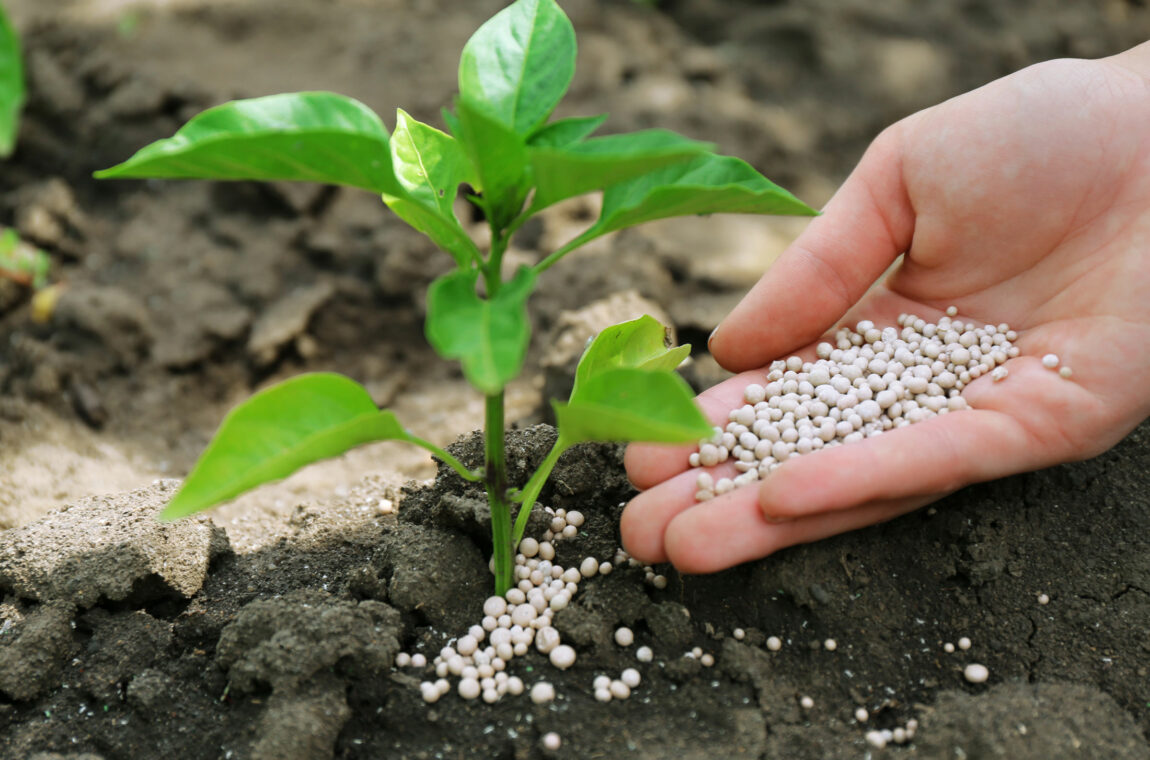
Tea saponin is a biologically active compound, so responsible application is important.
Excessive concentrations can produce undesirable effects on plants and aquatic organisms. The appropriate concentration therefore depends on the intended application.
When tea-saponin-containing fertilizer products are used near waterways, care should be taken to minimize unintended runoff.
For commercial products, manufacturers should also verify the applicable fertilizer, agricultural-input, and environmental regulations in the target market.

Tea Saponin and Sustainable Agriculture
Tea saponin has potential value in sustainable agriculture because it is obtained from plant-based raw materials.
Camellia oleifera seed meal is generated during tea-seed oil production. Recovering saponins from this material creates an opportunity to convert an agricultural by-product into a functional ingredient.
This approach can support:
- Agricultural by-product utilization
- Plant-based ingredient development
- Resource efficiency
- Circular processing
- Development of natural agricultural products
The sustainability benefit ultimately depends on the complete production and extraction process.
Key Benefits of Tea Saponin for Fertilizer
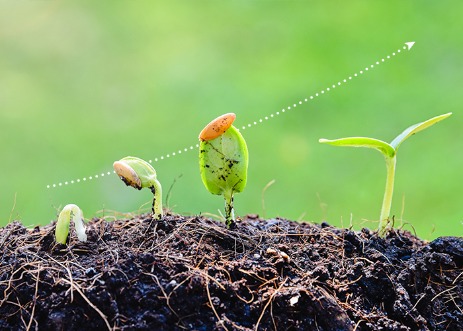
The main potential benefits can be summarized as follows:
Natural surfactant:
Tea saponin can reduce surface tension and improve wetting characteristics in suitable formulations.
Supports dispersion:
Its surface-active properties can help formulation developers improve interactions between water and certain agricultural ingredients.
Soil-remediation potential:
Research has demonstrated potential for tea saponins in heavy-metal desorption and other remediation processes.
Plant-derived source:
Tea saponin is obtained primarily from Camellia seed materials.
Versatile agricultural applications:
It can be investigated for fertilizer, soil-management, remediation, and botanical formulations.
By-product utilization:
Tea saponin extraction can add value to tea-seed meal generated by the tea-oil industry.
Conclusion
Tea Saponin is an increasingly interesting natural ingredient for fertilizer and agricultural applications. Its primary value does not come from supplying NPK nutrients, but from its natural surfactant and biological properties.
In fertilizer formulations, tea saponin may help improve wetting and dispersion characteristics. In soil management, its surface activity has created opportunities for specialized applications. Scientific research has particularly investigated tea saponins for soil remediation, including heavy-metal desorption and phytoremediation.
For fertilizer manufacturers and agricultural-product developers, tea saponin powder can be considered a functional botanical ingredient for developing specialized agricultural formulations. However, performance depends on saponin concentration, formulation compatibility, soil conditions, crop species, and application rate.
Selecting a standardized product with reliable quality documentation and conducting appropriate crop and formulation testing are essential steps toward achieving consistent results.
References
Yu, X.-L., & He, Y. (2018). Tea saponins: effective natural surfactants beneficial for soil remediation, from preparation to application. RSC Advances, 8, 24312–24321.
Zhang, J., et al. (2025). Advances in Camellia oleifera seed meal saponins: Extraction, analysis, bioactivity, and application. Food Chemistry, 492, 145277.
Chen, et al. (2017). Recent advances in the environmental applications of biosurfactant saponins: A review. Journal of Environmental Chemical Engineering, 5, 6030–6038.