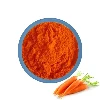
Carotenoids are naturally occurring pigments found in plants, algae, and other biological sources. In animal nutrition, they are valued not only for their characteristic yellow, orange, and red colors but also for their nutritional and functional roles. Among them, beta-carotene is particularly important because it can serve as a precursor of vitamin A in many animals.
Carotene powder for poultry and livestock feed can therefore be used as a concentrated source of carotenoid compounds in feed formulations. Depending on its composition, carotene powder may support pigmentation programs, contribute to vitamin A nutrition, and increase carotenoid deposition in animal-derived products such as eggs and milk.
For feed manufacturers, premix producers, livestock farms, and poultry nutrition companies, selecting a stable and standardized carotene powder is important for achieving consistent results.
What Is Carotene Powder?
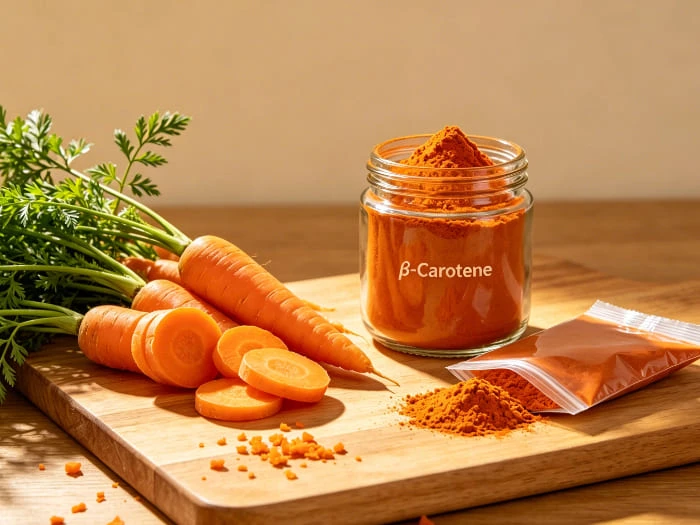
Carotene powder is a powdered feed ingredient containing carotene-type carotenoids, commonly including beta-carotene. Carotenes belong to the larger carotenoid family, which also includes xanthophylls such as lutein and zeaxanthin.
Beta-carotene is particularly important in animal nutrition because it is a provitamin A carotenoid. Animals can convert some beta-carotene into vitamin A, although the efficiency of conversion varies between species and physiological conditions.
Carotenoids also function as natural pigments. Depending on their chemical structure, they can contribute yellow, orange, or red coloration to animal products. Research in poultry and ruminants has demonstrated that dietary carotenoids can be absorbed and deposited into products such as egg yolks and milk.

Why Use Carotene Powder in Animal Feed?
Carotene powder can serve several purposes in modern feed formulation.
Its potential applications include:
- Supporting vitamin A nutrition when beta-carotene is an appropriate provitamin A source
- Providing carotenoids to poultry and livestock diets
- Supporting egg-yolk pigmentation programs
- Contributing to carotenoid deposition in animal products
- Providing carotenoid antioxidant activity
- Supporting specialized and functional feed formulations
The actual nutritional effect depends on the carotenoid composition of the product, inclusion level, animal species, feed matrix, and overall diet.
Carotene Powder for Poultry Feed
Poultry are among the most important applications for dietary carotenoids.
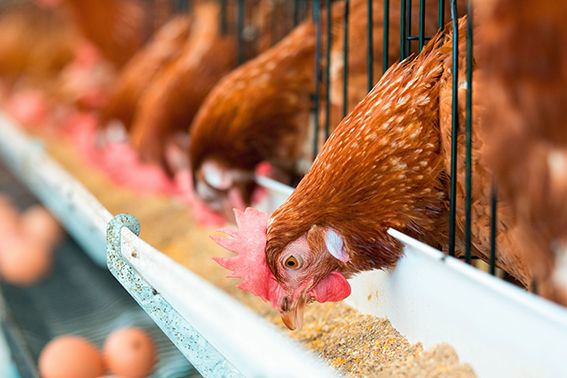
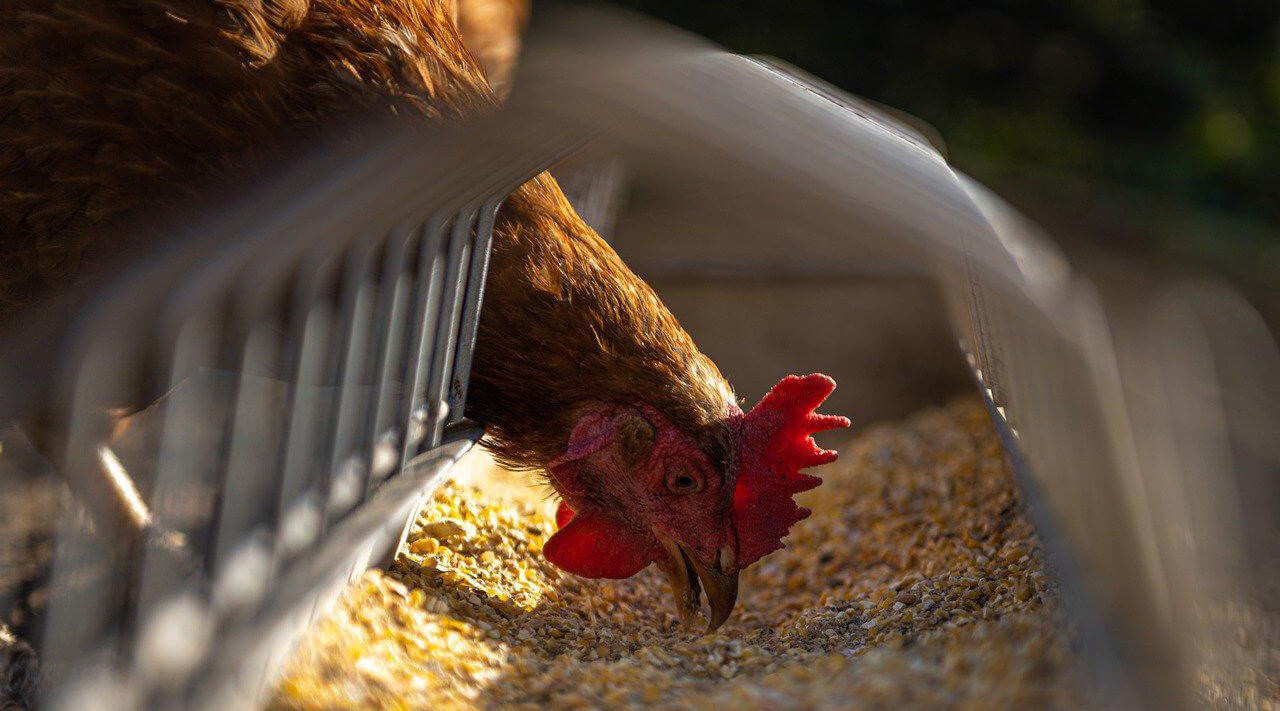
Carotenoids consumed by laying hens can be absorbed and transferred to developing eggs. The type and quantity of carotenoids in the diet influence their deposition into egg yolks and, consequently, yolk color.
A 2023 review on carotenoid-enriched eggs reported that dietary modification is an effective approach for increasing carotenoid deposition in eggs. Carotenoids may be deposited in their original forms or after metabolic transformation.
Egg Yolk Color
One of the most visible applications of carotenoid supplementation in poultry feed is yolk pigmentation.
Beta-carotene contributes yellow-orange coloration, while other carotenoids such as lutein, zeaxanthin, canthaxanthin, and astaxanthin can provide different color characteristics.
Therefore, carotene powder can be used as part of a broader yolk-pigmentation strategy rather than as the only pigment in a formulation.
A meta-analysis of 47 studies found that natural carotenoid supplementation was associated overall with increased yolk color and yolk carotenoid concentration, although substantial variation existed among the individual studies.
Carotenoid-Enriched Eggs
Carotene supplementation can also be used when the objective is to increase carotenoid content in eggs.
Dietary carotenoids can accumulate in egg yolks, creating opportunities for feed manufacturers and egg producers to develop carotenoid-enriched egg products.
The amount deposited depends on factors such as carotenoid type, dose, feed composition, absorption, metabolism, and duration of supplementation.
Carotene Powder for Livestock Feed
Carotenoids are also naturally present in livestock diets, particularly diets containing fresh forage.
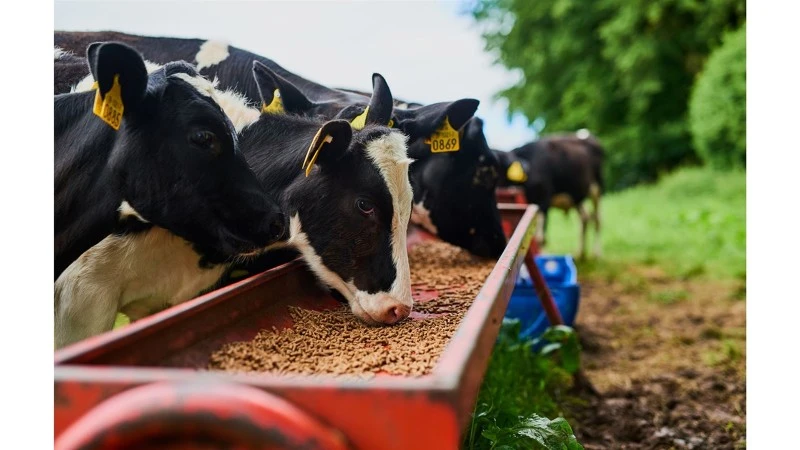
For ruminants, beta-carotene and lutein are among the most important carotenoids found in feed materials. Research has shown that dietary carotenoid supply can influence the concentration of carotenoids in bovine milk and other animal products.
Dairy Cattle
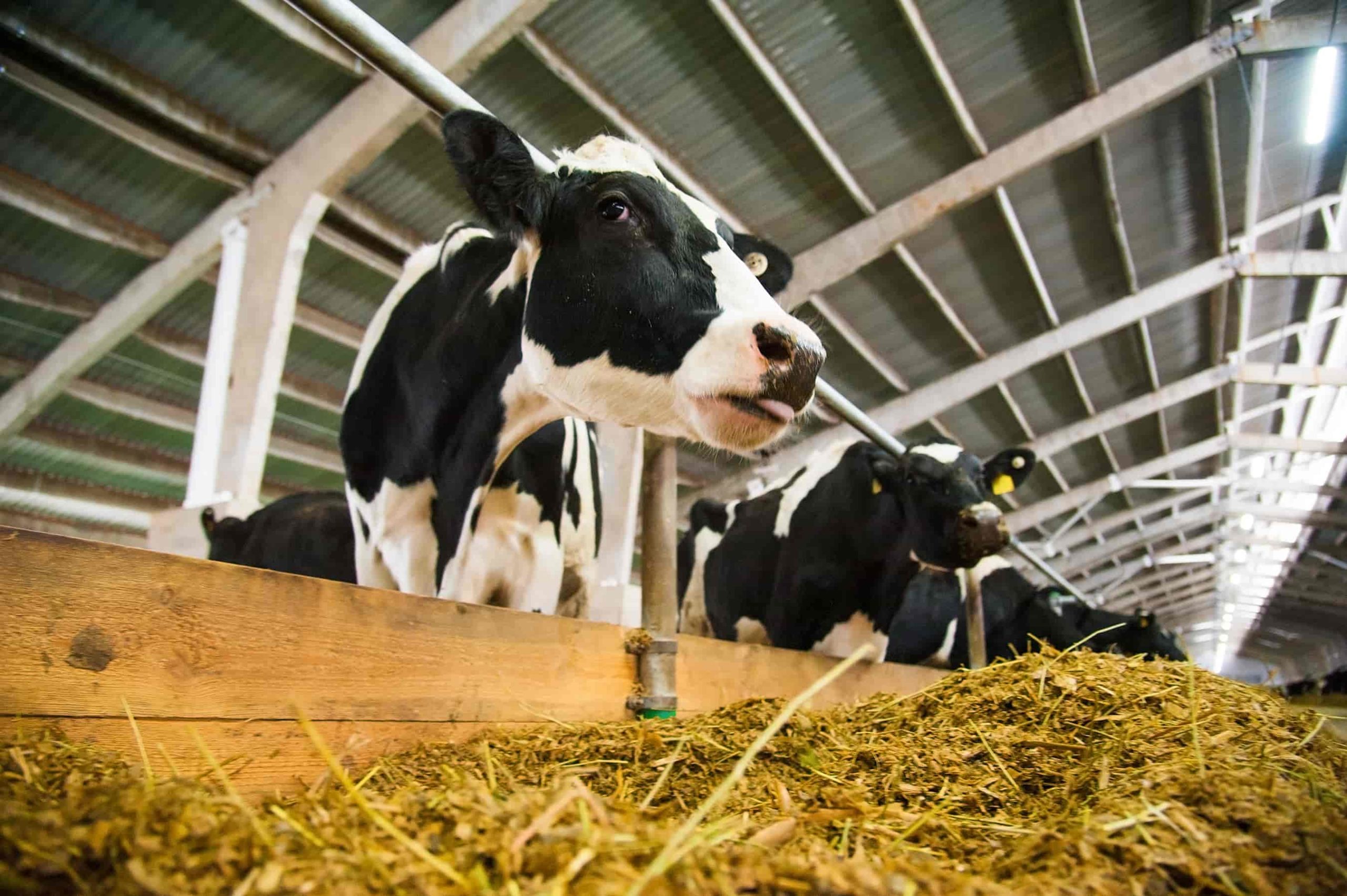
Dairy cattle are an important application for beta-carotene-containing feed ingredients.
Cow's milk naturally contains carotenoids, with beta-carotene being the predominant carotenoid reported in bovine milk. The concentration of milk beta-carotene is influenced by dietary supply as well as animal and feeding factors.
Supplemental carotene can therefore be considered in dairy-feed formulations when maintaining or increasing dietary carotenoid supply is part of the nutritional objective.
However, the transfer of dietary carotenoids into milk is relatively limited and variable. Breed, physiological stage, feed intake, diet composition, and other factors can influence the final concentration.
Beef Cattle
Carotenoids are also naturally supplied through forage-based cattle diets.
The concentration and availability of carotenoids can vary considerably according to forage species, plant maturity, conservation method, and feeding management.
For beef cattle, carotene-containing ingredients may therefore be considered as part of a broader nutritional program, particularly when forage carotenoid supply is variable.
Other Livestock
Carotenoids are also relevant to other livestock species, although their metabolism and deposition differ.
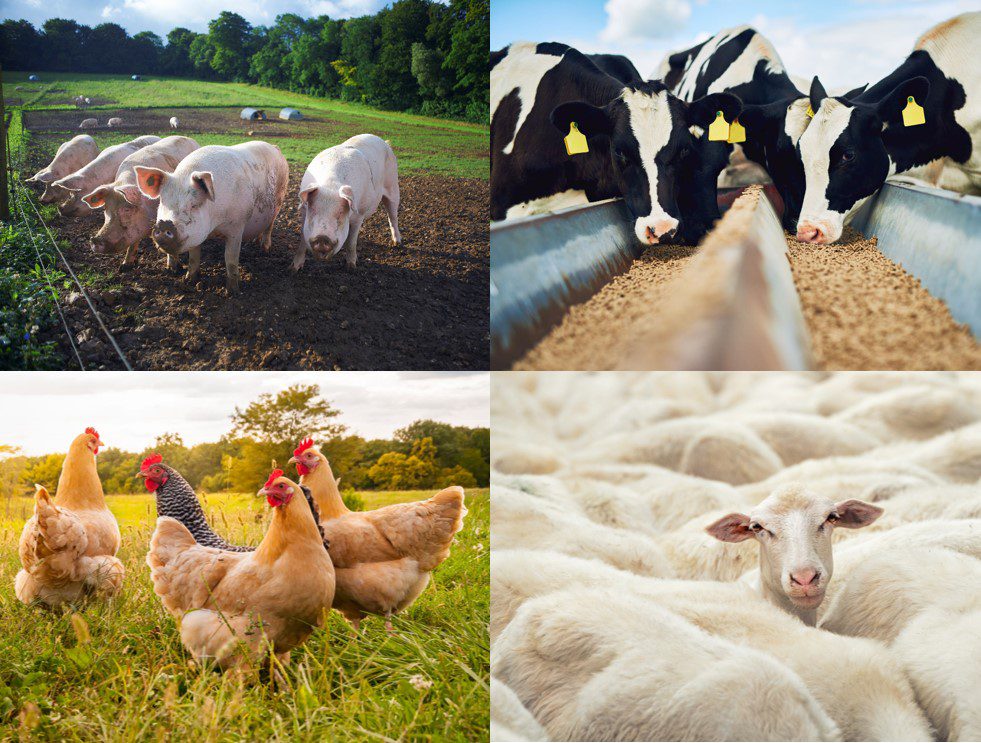
Feed formulation should therefore be species-specific rather than applying the same carotene inclusion strategy across poultry, cattle, sheep, goats, and other animals.
Beta-Carotene and Vitamin A Nutrition
One of the most important nutritional characteristics of beta-carotene is its ability to serve as a precursor of vitamin A.
Vitamin A is an essential nutrient involved in normal vision, epithelial tissues, growth, reproduction, and immune function. Beta-carotene can be converted into vitamin A in animals capable of this conversion.
However, beta-carotene should not automatically be considered a one-to-one replacement for preformed vitamin A.
Conversion efficiency varies according to animal species, physiological status, dietary composition, and other factors. Therefore, feed formulation should account for the actual vitamin A requirements of the target animal rather than relying solely on carotene.
For commercial feed production, the carotene content and provitamin A activity of the ingredient should be clearly documented.
Antioxidant Properties of Carotenoids
Carotenoids are also known for their antioxidant properties.
Their conjugated molecular structures allow them to interact with reactive species, and carotenoids have been studied as part of the antioxidant systems of animals.
In ruminant nutrition, carotenoids are described as natural antioxidants alongside compounds such as vitamin E and polyphenols.
However, antioxidant activity observed in laboratory studies should not automatically be translated into a specific animal-health claim. The practical effect of dietary carotene depends on absorption, metabolism, dose, animal status, and the rest of the antioxidant system in the diet.

Carotene Powder and Animal Product Pigmentation
The ability of carotenoids to move from feed into animal products is one of their most commercially interesting characteristics.
Eggs
In laying hens, carotenoids can accumulate in egg yolks and influence yolk color.
Milk
In dairy cattle, dietary carotenoid supply can affect milk beta-carotene concentration and consequently contribute to the natural yellow coloration of milk and dairy products.
Meat and Tissues
Certain carotenoids can also be deposited in animal tissues. The efficiency of deposition varies substantially according to species and carotenoid type. A review of carotenoid enrichment in livestock products describes dietary carotenoid transfer into eggs, milk, meat, and other tissues.
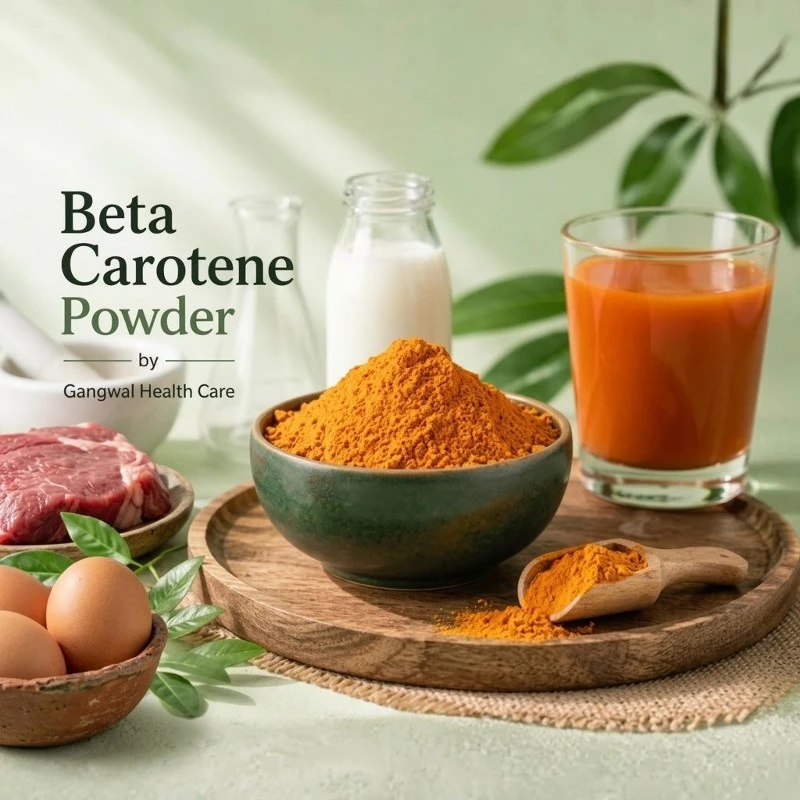
This makes carotene powder potentially useful for feed programs focused on carotenoid enrichment and product differentiation.
Carotene Powder vs. Other Feed Carotenoids
Different carotenoids provide different nutritional and pigmentation characteristics.
| Carotenoid | General Characteristics | Common Feed Application |
|---|---|---|
| Beta-carotene | Yellow-orange pigment; provitamin A | Poultry, dairy and livestock nutrition |
| Lutein | Yellow pigment | Egg-yolk pigmentation, poultry feed |
| Zeaxanthin | Yellow-orange pigment | Poultry and egg pigmentation |
| Canthaxanthin | Orange-red pigment | Egg-yolk pigmentation |
| Astaxanthin | Red-orange xanthophyll | Poultry pigmentation and aquaculture |
| Lycopene | Red carotenoid | Specialized functional feed formulations |
The best carotenoid depends on the nutritional and pigmentation objective.
For example, a feed manufacturer targeting a strongly red-orange egg yolk may use a different carotenoid combination than a formulation designed primarily to provide provitamin A.
How to Choose Carotene Powder for Feed
Feed manufacturers should evaluate more than the product name when sourcing carotene powder.
Carotene Concentration
The active carotenoid concentration should be clearly stated and supported by analytical testing.
Source and Composition
The supplier should identify the botanical or fermentation source and specify the major carotenoid compounds present.
Stability
Because carotenoids are sensitive compounds, stability during storage and feed processing is important.
Particle Size and Dispersion
A fine, uniform powder can facilitate consistent distribution in premixes and complete feeds.
Purity
Important quality parameters may include heavy metals, microbiological specifications, residual solvents where relevant, pesticide residues, and other contaminants.
Batch Consistency
Consistent carotenoid concentration helps feed manufacturers maintain predictable formulation performance.
Documentation
A professional feed ingredient supplier should be able to provide:
- Certificate of Analysis (COA)
- Product specification
- Safety Data Sheet (SDS/MSDS)
- Carotenoid assay
- Microbiological testing
- Heavy-metal testing
- Stability information
- Batch documentation
How Much Carotene Powder Should Be Added to Feed?
There is no single universal inclusion rate for carotene powder.
The appropriate level depends on the carotenoid concentration of the product, target animal, purpose of supplementation, existing diet, regulatory requirements, and desired outcome.
For poultry, the target may be yolk pigmentation or carotenoid enrichment. For dairy cattle, the objective may instead be maintaining an appropriate dietary carotenoid supply.
Published studies use different concentrations and experimental conditions, so research doses should not automatically be treated as commercial feeding recommendations.
Feed manufacturers should formulate according to the specification of the individual carotene product and the nutritional requirements of the target species. Where necessary, feeding trials can be used to determine the practical inclusion level for a specific formulation.
Benefits of Carotene Powder for Poultry and Livestock Feed
The main potential advantages can be summarized as follows:
Provitamin A source
Beta-carotene can contribute to vitamin A nutrition in animals capable of converting it.
Natural pigmentation
Carotenoids can contribute to the yellow, orange, or red coloration of animal products.
Egg-yolk enrichment
Dietary carotenoids can accumulate in egg yolks and increase yolk carotenoid concentration.
Dairy applications
Dietary carotenoid supply can influence beta-carotene concentration and coloration in bovine milk.
Antioxidant properties
Carotenoids have antioxidant activity and are studied as components of animal antioxidant systems.
Flexible feed applications
Carotene powder can be used in poultry and livestock premixes, complete feeds, and specialized nutritional formulations.
Natural ingredient positioning
Plant-derived carotenoids can support feed manufacturers developing natural or botanical ingredient concepts.
Conclusion
Carotene powder for poultry and livestock feed is a versatile carotenoid ingredient with nutritional and functional applications across animal production.
In poultry, dietary carotenoids can be absorbed and deposited into eggs, making carotene powder useful as part of egg-yolk pigmentation and carotenoid-enrichment programs.
In livestock nutrition, particularly dairy cattle, beta-carotene is an important naturally occurring carotenoid that can be supplied through forage or supplemental feed ingredients. Dietary supply can influence carotenoid levels in milk and other animal products.
Beta-carotene also has an important nutritional role as a provitamin A carotenoid, although conversion efficiency varies among animals and should not be treated as equivalent to preformed vitamin A.
For commercial feed applications, product concentration, source, stability, bioavailability, purity, and batch consistency should all be evaluated. There is no universal carotene inclusion rate, so formulation should be based on the target species, product specification, complete diet, and intended nutritional or pigmentation objective.
With appropriate quality control and species-specific formulation, carotene powder can be a useful ingredient for modern poultry and livestock feed programs focused on carotenoid nutrition, pigmentation, and value-added animal products.
References
Dansou, D. M., Zhang, H., Yu, Y., Qin, Y., & Zhang, J. (2023). Carotenoid enrichment in eggs: From biochemistry perspective. Animal Nutrition, 14, 315–333.
Yunitasari, Y., Jayanegara, A., & Ulupi, N. (2023). Performance, Egg Quality, and Immunity of Laying Hens due to Natural Carotenoid Supplementation: A Meta-Analysis. Korean Journal for Food Science of Animal Resources, 43(2), 282–304.
Nozière, P., Graulet, B., Lucas, A., Martin, B., Grolier, P., & Doreau, M. (2006). Carotenoids for ruminants: From forages to dairy products. Animal Feed Science and Technology, 131, 418–450.
Deposition and enrichment of carotenoids in livestock products: An overview (2024). Food Chemistry: X.
A quantitative review of on-farm feeding practices to enhance the quality of grassland-based ruminant dairy and meat products (2022). Animal.
FAQ
Q1: What is Carotene Powder?
A1: Carotene Powder is a powdered feed ingredient containing carotene-type carotenoids, commonly including beta-carotene. It can provide carotenoids for animal nutrition, pigmentation, and specialized feed formulations.
A2: Beta-carotene is a naturally occurring carotenoid and a provitamin A compound. Animals capable of converting beta-carotene can use it as a precursor of vitamin A, although conversion efficiency varies by species and physiological condition.
Q3: What are the main benefits of Carotene Powder in animal feed?
A3: Carotene Powder can support carotenoid nutrition, contribute to vitamin A nutrition when beta-carotene is an appropriate source, support pigmentation programs, increase carotenoid deposition in animal products, and provide antioxidant-related nutritional activity.
A4: Yes. Carotene Powder can be incorporated into poultry feed, particularly layer diets, premixes, and specialized formulations designed for carotenoid nutrition and egg-yolk pigmentation.
Q5: How does Carotene Powder affect egg yolk color?
A5: Dietary carotenoids can be absorbed by laying hens and transferred to developing eggs. Beta-carotene generally contributes yellow-orange coloration, while other carotenoids can provide different yellow, orange, or red color characteristics.
Q6: Can Carotene Powder increase carotenoid content in eggs?
A6: Yes. Dietary carotenoids can accumulate in egg yolks. The amount deposited depends on the carotenoid type, inclusion level, feed composition, absorption, metabolism, and duration of supplementation.
Q7: Can Carotene Powder be used for carotenoid-enriched eggs?
A7: Yes. Carotene Powder can be considered as part of a feed program designed to increase carotenoid deposition in eggs. The final carotenoid concentration depends on the complete diet and feeding conditions.
Q8: Can Carotene Powder be used in dairy cattle feed?
A8: Yes. Beta-carotene is naturally present in bovine milk, and dietary carotenoid supply can influence milk beta-carotene concentration. Carotene-containing ingredients can therefore be considered in dairy-feed formulations when dietary carotenoid supply is part of the nutritional objective.
Q9: Can Carotene Powder be used for beef cattle and other livestock?
A9: Yes. Carotene-containing ingredients can be considered for beef cattle and other livestock as part of species-specific nutritional programs. The appropriate formulation depends on the animal's diet, forage carotenoid supply, production stage, and nutritional requirements.
Q10: Does Carotene Powder provide vitamin A?
A10: Beta-carotene can serve as a precursor of vitamin A in animals capable of converting it. However, it should not automatically be considered a one-to-one replacement for preformed vitamin A because conversion efficiency varies among species and physiological conditions.