As agriculture moves toward more sustainable and plant-based inputs, natural compounds derived from renewable botanical resources are receiving increasing attention. Tea saponin for plants is one such ingredient, offering potential applications in soil management, agricultural formulations, phytoremediation, and botanical pest-control programs.
Tea saponin is a group of naturally occurring triterpenoid compounds primarily obtained from the seeds and seed meal of Camellia oleifera. It is particularly known for its natural surfactant properties, which allow it to interact with water, oils, and other compounds. These properties have made tea saponin a subject of research for soil remediation and other agricultural applications.
However, tea saponin is not simply a conventional fertilizer. Its main agricultural value comes from its surface-active and bioactive characteristics, making it useful as a functional ingredient in specific plant and soil management systems.
What Is Tea Saponin?
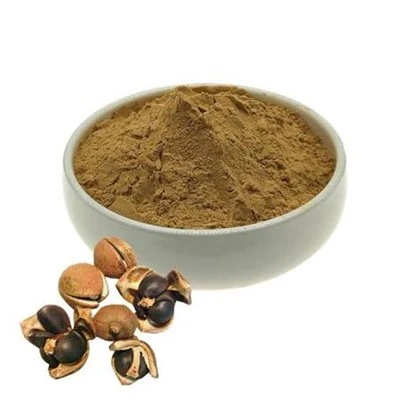
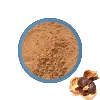
Tea saponin is a natural mixture of triterpenoid saponins found in several Camellia species. Commercial tea saponin is commonly extracted from Camellia oleifera seed meal, which is a by-product of Camellia oil production.
These compounds have amphiphilic structures, meaning different parts of the molecule interact with water and less-polar substances. This gives tea saponin its natural surfactant properties.
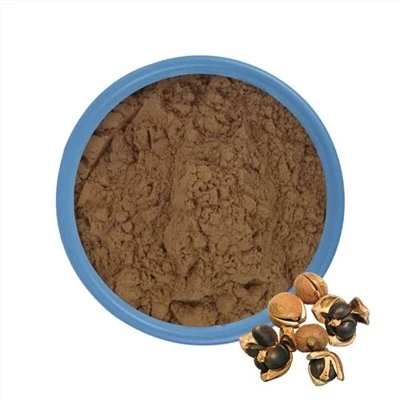
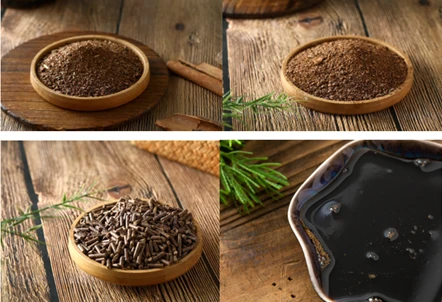
Depending on the extraction and purification process, tea saponin may be supplied as a powder, concentrated extract, or other standardized agricultural ingredient.
For agricultural manufacturers, tea saponin can therefore be considered a plant-derived functional ingredient rather than a direct replacement for conventional NPK fertilizers.
How Can Tea Saponin Benefit Plants?
The potential value of tea saponin in plant production is closely connected to its interaction with soil, water, microorganisms, and other compounds.
1. Natural Surfactant for Agricultural Applications
One of the most established characteristics of tea saponin is its surface activity.
Tea saponins are natural non-ionic surfactants. Their surface-active properties can influence the interaction between water and other substances, which is why they have been investigated in agricultural and environmental applications.
In plant production, this property can be useful when developing formulations that require improved wetting, dispersion, or interaction with soil components.
This makes tea saponin particularly interesting for agricultural formulation manufacturers looking for plant-derived alternatives to some synthetic surfactants.
2. Supports Soil Remediation Programs
One of the most extensively studied agricultural applications of tea saponin is soil remediation.
Research has investigated tea saponins in leaching remediation, phytoremediation, and microbial remediation. Studies have reported that tea saponins can increase the mobility or bioavailability of certain contaminants, including several heavy metals and organic pollutants, potentially making them more accessible for removal or biological remediation.
For example, tea saponins have been studied in relation to contaminants such as:
- Cadmium
- Lead
- Zinc
- Copper
- Chromium
- Nickel
- Polycyclic aromatic hydrocarbons
- Certain organotin compounds
This does not mean tea saponin should be applied routinely to agricultural soil. Soil-remediation applications require careful assessment of the contaminant, soil characteristics, crop status, application concentration, and environmental conditions.
3. May Improve the Effectiveness of Phytoremediation
Phytoremediation uses plants to absorb, stabilize, or otherwise help manage contaminants in soil.
Tea saponins have been investigated as natural surfactants that can increase the availability of certain contaminants to plants used in phytoremediation. Research has reported improved accumulation of some pollutants by hyperaccumulator plants following tea-saponin treatment.
This creates a specialized application for tea saponin in environmental agriculture, particularly where plants are intentionally used as part of a soil-remediation strategy.
The objective in such cases is not simply to promote ordinary crop growth but to improve the movement and uptake of targeted contaminants under controlled remediation conditions.
4. Potential Role in Natural Pest-Control Formulations
Tea saponin also has potential interest in botanical pest-control applications.
Saponins can interact with biological membranes and have demonstrated biological activity against certain organisms. Research on tea-derived saponins, for example, has shown toxicity and physiological effects against Helicoverpa armigera larvae, including effects on mortality, nutritional indices, and digestive enzyme activity.
This supports continued research into tea saponin as a botanical component for agricultural pest-management formulations.
However, laboratory activity against a specific pest does not automatically establish field efficacy. Commercial pest-control products require appropriate efficacy, crop-safety, environmental, and regulatory testing.
5. May Support Botanical Agricultural Formulations
Tea saponin's surfactant properties make it interesting for formulation development.
It can be investigated as part of agricultural products designed around:
- Botanical extracts
- Natural pesticides
- Plant-derived surfactants
- Soil-treatment products
- Phytoremediation formulations
- Agricultural wetting systems
- Natural crop-protection formulations
Its ability to function as a natural non-ionic surfactant is particularly relevant when manufacturers are developing formulations with a preference for plant-derived ingredients.

Tea Saponin for Plant Growth
It is important to distinguish between supporting plant-growth systems and claiming that tea saponin itself is a plant-growth fertilizer.
Tea saponin does not provide the complete NPK nutrition required by crops. Its agricultural role is more closely related to soil and formulation functions.
Research shows that the effect of tea saponin on plants can depend strongly on concentration and plant species. A review of tea saponin research reported that low concentrations produced little effect on root length in some plants, while higher experimental concentrations inhibited seed germination or root growth in several species.
This concentration-dependent behavior is an important consideration for agricultural applications.
Therefore, tea saponin should be used according to the specifications and intended application of the particular product rather than assuming that a higher concentration will produce better plant performance.

Tea Saponin as a Soil Treatment Ingredient
Soil is a complex environment containing minerals, organic matter, microorganisms, plant roots, water, and numerous chemical compounds.
Because tea saponin can act as a natural surfactant, it can influence interactions among these components.
In soil-remediation research, tea saponins have been shown to facilitate the desorption of certain heavy metals from soil particles. This can increase the availability of contaminants to plants or microorganisms involved in remediation.
For specialized soil-treatment products, this property can be valuable.
However, agricultural use should be carefully differentiated from remediation use. Increasing contaminant mobility may be desirable during controlled remediation but undesirable in ordinary food-crop production.
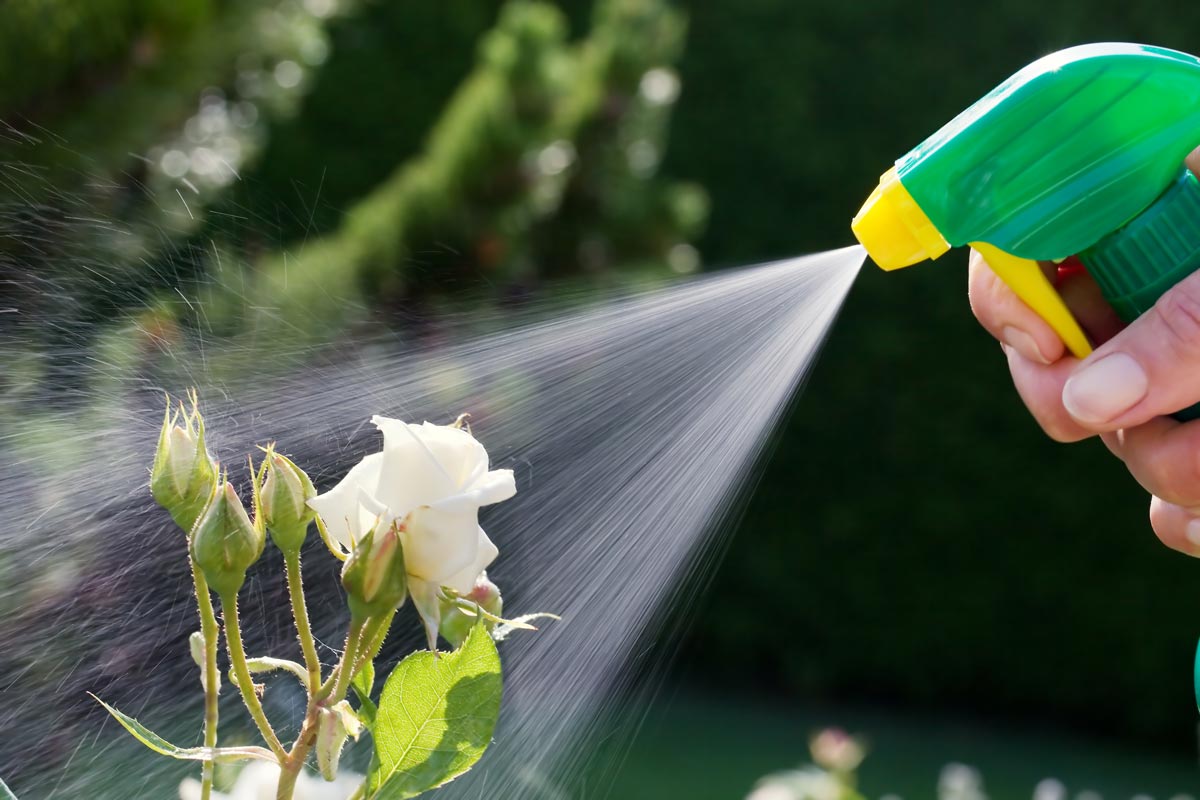
Tea Saponin for Natural Pest Management
Another area of interest is botanical pest management.
Saponins have naturally occurring biological activity, and tea saponins have been studied against insect pests. Research on Helicoverpa armigera found concentration-dependent effects on larval mortality and physiological processes.
This suggests potential for tea saponin-containing botanical formulations designed for crop protection.
Possible research areas include:
Insect Pest Management
Tea saponin can be evaluated as a botanical active or supporting ingredient in formulations targeting specific insect pests.
Natural Surfactant Systems
Its surfactant properties may help agricultural formulations distribute botanical ingredients across plant or soil surfaces.
Integrated Pest Management
Tea saponin may be considered alongside other biological, cultural, mechanical, and botanical control methods.
Commercial field performance should always be confirmed for the specific crop, pest, formulation, and environmental conditions.

Tea Saponin for Soil and Crop Applications
Tea saponin can be explored across several agricultural categories.
Soil Remediation
It can be used in research and specialized formulations for improving the availability of selected soil contaminants during remediation.
Phytoremediation
Tea saponin can support research into improving contaminant uptake by plants used for phytoremediation.
Botanical Pest Control
Its biological activity makes it a potential component of plant-based pest-control formulations.
Agricultural Surfactants
Tea saponin can be considered when developing natural wetting, dispersion, or surface-active systems.
Soil Treatment Products
Manufacturers can investigate tea saponin in products designed for specific soil-management applications.
Crop Protection Formulations
Tea saponin can be combined with other botanical ingredients in research and development programs for natural crop-protection products.
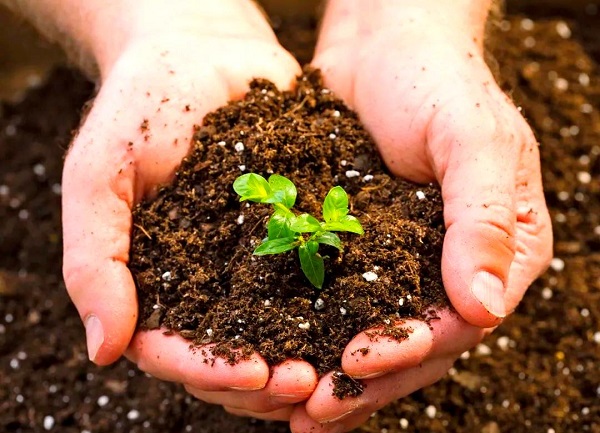
Tea Saponin vs. Tea Seed Meal
Although both ingredients originate from Camellia oleifera, they are not the same product.
Tea Seed Meal is the solid material remaining after oil extraction. It contains organic matter, residual nutrients, proteins, and naturally occurring saponins.
Tea Saponin Powder is a concentrated ingredient obtained by extracting and purifying saponins from Camellia materials, particularly tea seed meal.
As a result, tea seed meal is more commonly considered an organic agricultural material or fertilizer raw material, while purified tea saponin is more suitable when a manufacturer specifically wants the functional properties of saponins.
What to Consider When Buying Tea Saponin for Plants
Quality and standardization are important when tea saponin is intended for agricultural formulations.
Saponin Content
The declared saponin concentration should be clearly specified and supported by appropriate analytical testing.
Botanical Source
The source should be identified, such as Camellia oleifera seed meal, particularly when consistent performance is required between batches.
Solubility and Dispersion
Good water dispersion can be important for agricultural formulations, particularly sprayable products or soil-treatment systems.
Moisture
Moisture content can influence storage stability, powder flow, and shelf life.
Particle Size
Particle size affects handling and dispersion and should be appropriate for the intended formulation.
Purity
Agricultural buyers should consider heavy metals, microbiological parameters, residual solvents, pesticides, and other contaminants according to the intended market and application.
Batch Consistency
Consistent saponin content and physical characteristics help manufacturers produce more predictable agricultural formulations.
Documentation
Professional suppliers should be able to provide:
- Certificate of Analysis
- Product specification
- Safety Data Sheet
- Heavy-metal testing
- Microbiological testing
- Stability information
- Batch information

How Much Tea Saponin Should Be Used on Plants?
There is no universal application rate for tea saponin.
The appropriate concentration depends on the intended use, formulation, plant species, soil characteristics, target pest or contaminant, environmental conditions, and regulatory requirements.
This is particularly important because research has demonstrated concentration-dependent effects on plants. In some experimental systems, higher tea-saponin concentrations inhibited seed germination or root growth.
For this reason, manufacturers and growers should follow the specifications of the commercial formulation and conduct crop-specific testing before large-scale use.
For new agricultural products, small-scale compatibility and phytotoxicity trials can help determine an appropriate working concentration.

Is Tea Saponin Safe for All Plants?
Tea saponin should not be assumed to be universally safe for every plant at every concentration.
Plant response can vary according to:
- Species
- Growth stage
- Root sensitivity
- Application concentration
- Soil type
- Exposure duration
- Environmental conditions
- Formulation composition
The available research indicates that concentration and plant species can substantially influence the response to tea saponins.
Therefore, crop-specific testing is recommended before commercial field application, especially when using concentrated tea saponin products.

Why Choose Tea Saponin for Agricultural Applications?
Tea saponin offers several characteristics that make it attractive for modern agricultural product development.
Plant-derived ingredient
Tea saponin is primarily sourced from Camellia oleifera seed meal, an agricultural by-product.
Natural surfactant
Its non-ionic surface activity creates opportunities for natural agricultural formulation systems.
Soil-remediation potential
Research has demonstrated applications in leaching, phytoremediation, and microbial remediation.
Botanical pest-control potential
Studies have demonstrated biological activity against certain insect pests, supporting further agricultural research.
Versatile formulation ingredient
Tea saponin can be investigated in soil-treatment, crop-protection, botanical, and natural surfactant formulations.
Supports agricultural by-product utilization
Using tea seed meal as a source of saponin adds value to a by-product of Camellia oil production.
Conclusion
Tea saponin for plants offers a range of potential applications in modern agriculture, particularly in soil remediation, phytoremediation, botanical pest-control research, and natural agricultural formulation development.
Its most distinctive characteristic is its natural surfactant activity. Research has demonstrated that tea saponins can influence the mobility and bioavailability of certain soil contaminants and can support remediation approaches involving plants and microorganisms.
Tea saponin also has potential in botanical pest-management formulations, with laboratory research demonstrating activity against certain insect pests.
At the same time, tea saponin should not be considered a conventional fertilizer or assumed to improve the growth of every crop. Plant responses can be concentration-dependent, and higher concentrations may inhibit germination or root development in some species.
For agricultural manufacturers and growers, the best approach is to select a standardized product, evaluate its purity and saponin content, and determine the appropriate application rate through crop- and use-specific testing.
As interest in botanical agricultural inputs continues to grow, tea saponin remains a promising plant-derived ingredient for developing more specialized and sustainable soil and crop-management solutions.
References
Yu, X.-L. & He, Y. (2018). Tea saponins: effective natural surfactants beneficial for soil remediation, from preparation to application. RSC Advances, 8, 24312–24321.
Zhang, J. et al. (2025). Advances in Camellia oleifera seed meal Saponins: Extraction, analysis, bioactivity, and application. Food Chemistry, 492, 145277.
Cui, C. et al. (2018). Triterpenoid saponins from the genus Camellia: structures, biological activities, and molecular simulation for structure–activity relationship. Food & Function.
Mirhaghparast, S. K. et al. (2020). Toxicity and physiological effects of the tea seed saponin on Helicoverpa armigera. Biocatalysis and Agricultural Biotechnology.
An overview of tea saponin as a surfactant in food applications (2023). Critical Reviews in Food Science and Nutrition.
FAQ
Q1: What is Tea Saponin for Plants?
A1: Tea Saponin is a group of naturally occurring triterpenoid compounds primarily extracted from Camellia oleifera seeds and tea seed meal. It is known for its natural surface-active and bioactive properties, making it useful for specialized agricultural applications.
Q2: What are the main agricultural applications of Tea Saponin?
A2: Tea Saponin can be explored for soil remediation, phytoremediation, botanical pest-control formulations, natural agricultural surfactants, soil-treatment products, and crop-protection formulations.
Q3: Is Tea Saponin a fertilizer?
A3: No. Tea Saponin is not a conventional fertilizer and does not provide complete NPK nutrition. Its agricultural value is primarily related to its surfactant and bioactive properties.
Q4: How does Tea Saponin work as a natural surfactant?
A4: Tea Saponins have amphiphilic structures, allowing them to interact with both water and less-polar substances. This gives them natural non-ionic surface activity that can support wetting, dispersion, and interaction with soil components.
Q5: Can Tea Saponin be used for soil remediation?
A5: Yes. Tea Saponin has been studied in soil-remediation systems, including leaching remediation, phytoremediation, and microbial remediation. It can influence the mobility and bioavailability of certain soil contaminants.
Q6: What soil contaminants have been studied with Tea Saponin?
A6: Research has investigated Tea Saponin in relation to contaminants including cadmium, lead, zinc, copper, chromium, nickel, polycyclic aromatic hydrocarbons, and certain organotin compounds.
Q7: Can Tea Saponin support phytoremediation?
A7: Tea Saponin has been investigated as a natural surfactant that may increase the availability of certain contaminants for plants used in phytoremediation. Its use is mainly relevant to controlled soil-remediation programs rather than routine crop production.
Q8: Can Tea Saponin be used for natural pest control?
A8: Tea Saponin has potential for botanical pest-control research. Studies have reported biological activity against certain insect pests, including Helicoverpa armigera , supporting further development of tea-saponin-based agricultural formulations.
Q9: Can Tea Saponin be used as an agricultural wetting agent?
A9: Its natural surfactant properties make Tea Saponin suitable for investigation in agricultural wetting and dispersion systems. It may help improve interactions between water, botanical ingredients, and soil or plant surfaces.
Q10: Can Tea Saponin improve plant growth?
A10: Tea Saponin should not be considered a direct plant-growth fertilizer. Plant responses can vary according to concentration and species, and higher experimental concentrations may inhibit seed germination or root growth in some plants.