


Natural additives have been more and more known in animal feeding for being either ensuring health and performance and product quality. Among them is a very powerful compound named lutein, an orange-yellow carotenoid with superior antioxidant and physiological activities. Though primarily known for eye protection, lutein is also invaluable as a feed additive in various sectors of animals-covering poultry, livestock, aquaculture, and pet food.
In this article, we outline the benefits of lutein for animal health, its action mechanism, benefits to different animals, and maximum supplementation in animal diet.

What Is Lutein?
Lutein is a xanthophyll carotenoid that occurs naturally in green leafy vegetables like spinach and kale and in marigold flowers (Tagetes erecta), which is the major commercial lutein source for animal feed supplements. In contrast to beta-carotene, a provitamin A, lutein is neither provitamin A nor metabolized into vitamin A by animals. However, its biological activities-particularly in the prevention of oxidative stress, immunomodulatory activity, and tissue pigmentation-are important bioactive components in modern animal diets. Mechanism of Action of Lutein in the Animal Body
Lutein is lipophilic, small intestine-absorbed, and delivered on lipoproteins to tissues. Its main biological activities are:
Antioxidant Protection: Lutein scavenges free radicals and reactive oxygen species and protects cells and tissues from oxidative damage.
Eye and Vision Support: It is deposited in the retina and protects photoreceptor cell function, especially when stressed or light-exposed.
Immune Modulation: Lutein regulates immune responses by managing cytokines and boosting leukocyte function.
Pigmentation: It enhances pigmentation of egg yolk and meat, especially in broilers and aquaculture farming.
Benefits of Lutein Feed Supplements by Species
1. Broilers and Layers (Poultry)
Lutein is incorporated in poultry feed in health and pigmentation applications, especially in egg yolk color and skin whiteness.
Benefits:
- Enhanced Yolk Color: Lutein brightens the color of the yolk, which elevates consumer attractiveness. Yolk color is a measure of quality in most markets.
- Immune Response: Decreases inflammatory responses and increases disease resistance through supplementation with lutein.
- Vision Health: Protects against oxidative stress in the retinal area, especially in high-light production hens.
- Fertility Increase: Antioxidant activity favors reproductive well-being and fertility in breeding birds.
- Recommended addition: 10–50 mg/kg diet, depending on the pigmentation level required.
2. Swine
Less applied in poultry, lutein is increasingly being used for sow diets and improving piglet performance.
Advantages:
Immune Strengthening in Piglets: Lutein strengthens passive immunity transfer through colostrum.
Antioxidant Protection: Buffers weaning or extrinsic oxidative stress from stressors.
Reproductive Function: In sows, ovarian function and embryo viability are enhanced with lutein.
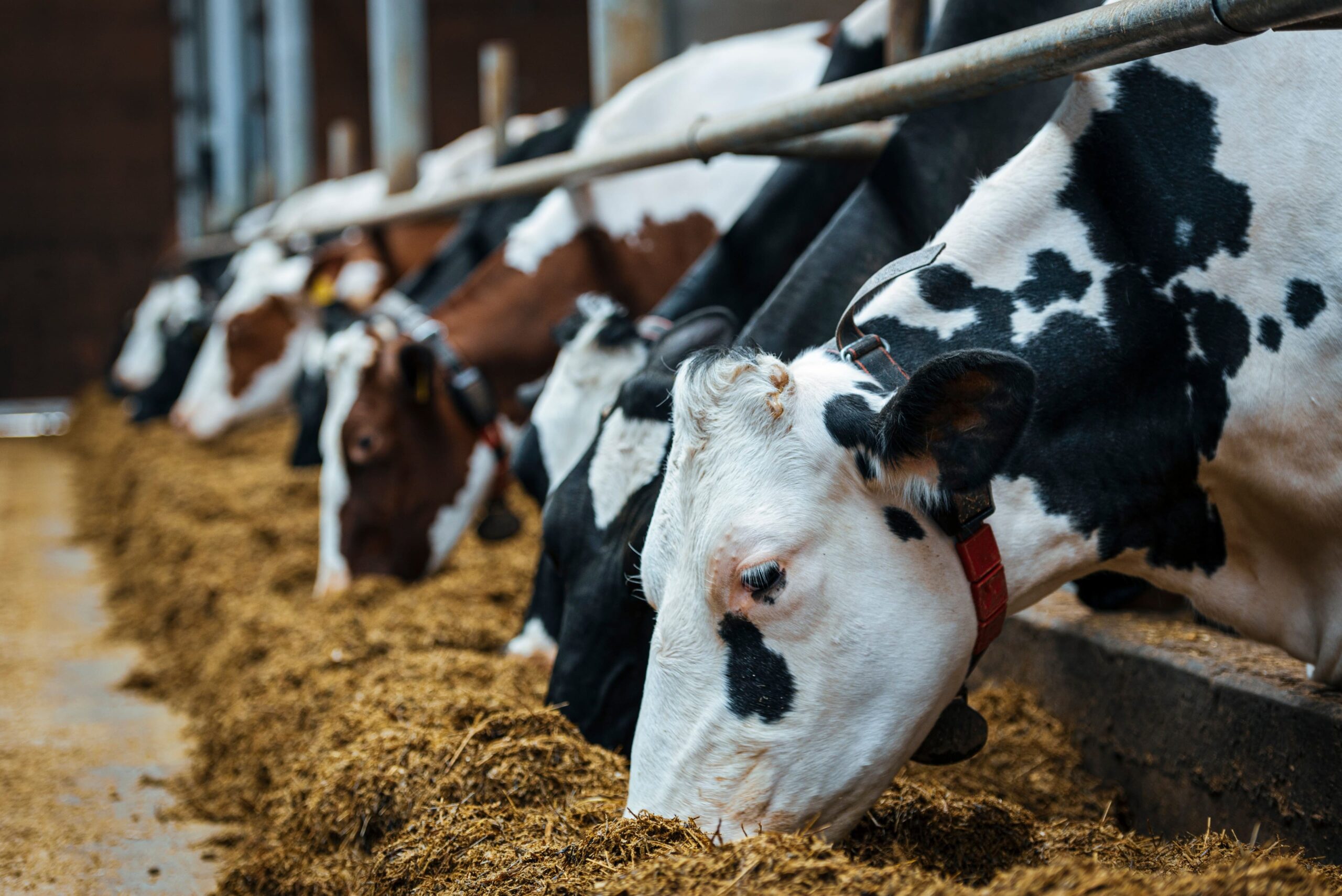
3. Ruminants (Cattle, Sheep, Goats)
Lutein's immunomodulatory and reproductive impacts have been investigated in ruminants.
Benefits:
- Antioxidant Protection: Antioxidant protection in high-producing dairy cows, particularly at transition periods.
- Better Colostrum Quality: Better lutein content in colostrum can be valuable for neonatal calves.
- Reproductive Performance: Follicular growth and rates of conception can be aided by lutein.
Less commonly supplemented than Vitamin A or E, lutein offers functional value worthy of inclusion in premium products.
4. Aquaculture (Fish and Shrimp)
Coloration and control of oxidative stress are two principal objectives in aquaculture feed where lutein is concerned.
Advantages:
- Flesh Pigmentation: Lutein enhances body and muscle color in tilapia and salmonids.
- Stress Tolerance: Lutein increases tolerance to handling, transport, and environmental stress.
- Disease Resistance: By improving immune response and mucosal defense, lutein reduces infection rates.
Recommended addition: 20–100 mg/kg, typically in addition to astaxanthin for synergy.
5. Companion Animals (Dogs and Cats)
Preparations of pet foods are increasingly including lutein because of its eye and immune support roles.
Benefit:
- Maintains Vision: Especially in mature pets or those prone to retinal degeneration.
- Antioxidant Protection: Lutein retards oxidative damage from aging in vital organs.
- Immune Function: Enhances vaccine efficacy and protects against inflammatory disease.
In diets for maintenance of health in long-term care, lutein is synergistic with other antioxidants like taurine, Vitamin C, and zinc.

Other Health Impacts of Lutein in Feed
Anti-Inflammatory Effects
- Lutein suppresses pro-inflammatory cytokines like TNF-α and IL-6 and is therefore valuable in systemic inflammation control of all animals.
Antioxidant Properties
- Lutein protects tissues from free radicals at periods of increased metabolic load, disease stress, or exposure stress (for example, heat stress in poultry).
Improvement of Nutritional Value
- Lutein adds nutritional value and market value-specifically for poultry (egg and skin pigmentation), aquaculture (flesh pigmentation), and premium pet food (vision health).

Preparations of Lutein in Feed Additives
Industrial lutein feed additives come in a number of preparation forms for stability and ease of mixing:
- Saponified Powdered Lutein (from marigold extract): High bioavailability and most utilized in poultry and aquaculture.
- Beadlet Form: Microencapsulated for pelleting stability.
- Liquid Emulsion: Liquid feed or top dressing.
- Lutein plus Zeaxanthin: Product combinations offer extended protection of eye and immune health.
When choosing, make sure it has:
- Good stability to temperatures of processing
- Bioavailability affirmed
- Uniform dispersion in feed

Safety and Dosage Recommendations
Lutein is nontoxic, is well tolerated in all animal species at typical dosages. Excess pigmentation (e.g., excessively dark yolks or flesh), and not toxicity, can result from over-supplementation.
General Dosage Ranges:
| Species | Lutein (mg/kg feed) |
|---|---|
| Laying hens | 10–40 |
| Broilers | 10–20 |
| Shrimp/Fish | 20–100 |
| Swine (sows) | 5–10 |
| Dogs/Cats | 5–20 |
Always consult a nutritionist to fine-tune based on formulation goals and synergistic nutrients (e.g., Vitamin E, selenium).

Conclusion
Lutein is a thoughtful pigment-an extremely valuable, multi-purpose feed additive with the capacity to enhance immune function, alleviate oxidative stress, maintain reproductive health, and increase visual and nutritional quality of animal-related foods. As a wholesome, natural, and effective performance in poultry, aquaculture, or pet food, lutein is a vital ingredient of modern feed systems. As consumers continue to seek high-quality natural animal products, lutein will continue at the forefront of animal productivity and well-being.
References
Surai, P. F., & Sparks, N. H. C. (2001). Designer eggs: from improvement of egg composition to functional food. Trends in Food Science & Technology, 12(1), 7–16.
Chew, B. P., & Park, J. S. (2004). Carotenoid action on the immune response. The Journal of Nutrition, 134(1), 257S–261S.
Pérez-Vendrell, A. M., et al. (2001). The effect of vitamin E and beta-carotene on oxidative stability of chicken meat. Poultry Science, 80(7), 982–991.
Maoka, T. (2020). Carotenoids in marine animals. Marine Drugs, 18(8), 424.
EFSA FEEDAP Panel. (2014). Scientific Opinion on the safety and efficacy of lutein-rich extract from Tagetes erecta for poultry and other species. EFSA Journal, 12(3):3583.


