Indian frankincense or Boswellia serrata is a gum resin of the shrub plant Boswellia and has been applied in traditional medicine of Ayurveda for centuries. In recent decades, it also was reported that its therapeutic application exists in veterinary medicine. The active components-boswellic acids-are highly active anti-inflammatory and antioxidant molecules with high activity characteristics that make Boswellia serrata extract a candidate veterinary medicine supplement, especially in companion animals and livestock.
Here we are informing you about how Boswellia serrata is beneficial to animal health, its advantages, safety, and uses in farm animals and in companion animals' nutrition.

What Is Boswellia Serrata?
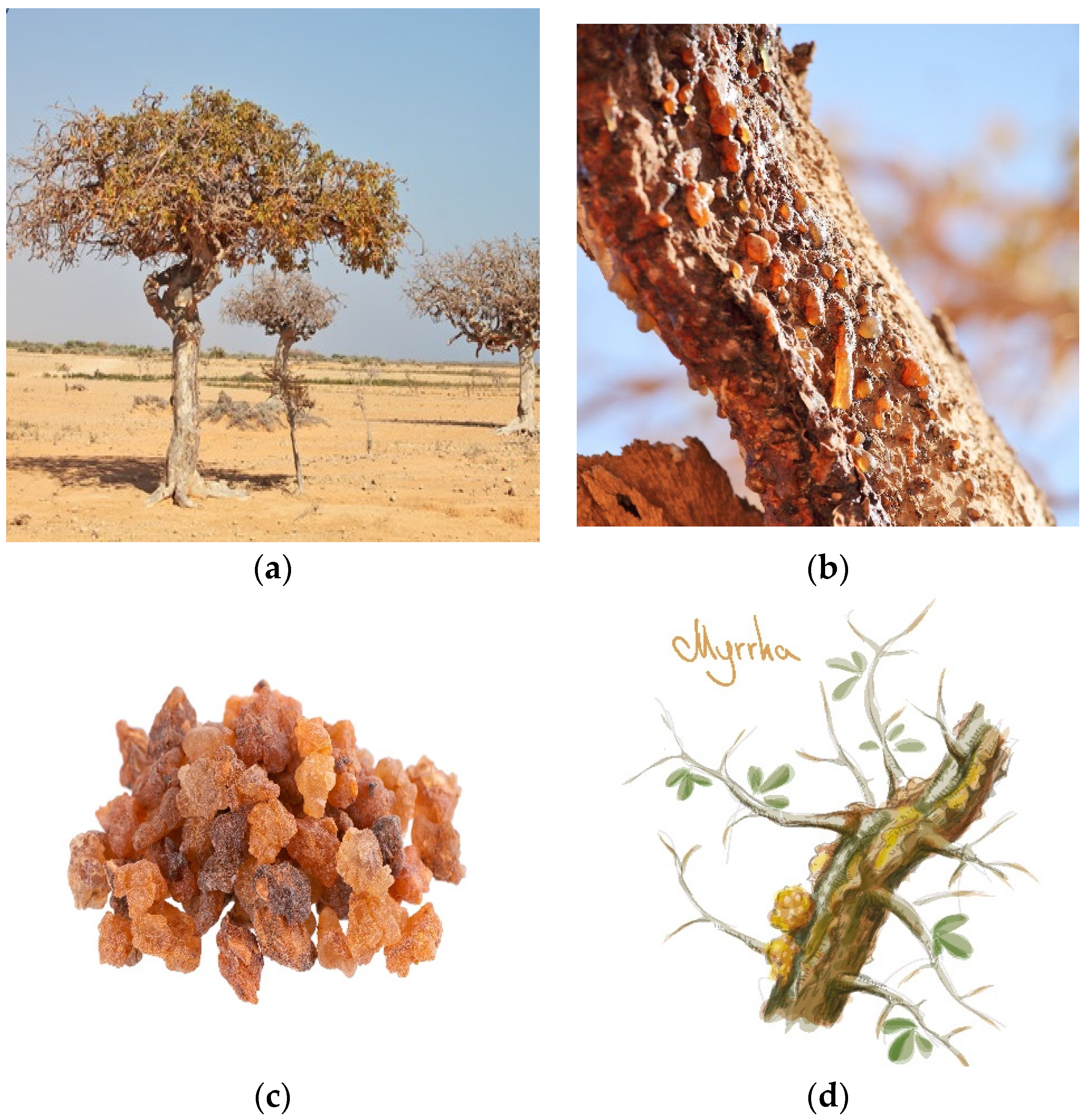
Boswellia serrata is the Indian, North African, and Middle Eastern native tree. The gum resin of the tree, obtained from its bark, contains boswellic acids-important bioactive molecules which are held responsible for its pharmacologic effect. The acids suppress 5-lipoxygenase (5-LOX) activity, a 5-LOX enzyme that plays a role in inflammatory leukotriene biosynthesis, which has been presented as the cause of the formation of joint pain, inflammation, and chronic disease.
Major Benefits of Boswellia Serrata for Veterinary Health
1. Support and Mobility of the Joints
Boswellia is used conventionally in arthritis and degenerative joint disease treatment in dogs, cats, horses, and even livestock. It reduces swelling in joints, enhancing mobility and freedom of movement.
In dogs and cats, it is added generally in joint health products to augment glucosamine and chondroitin. Dogs and cats with osteoarthritic conditions exhibit enhanced gait, activity, and pain sensitivity after routine supplementation.
Research: A clinical trial of Boswellia extract in degenerative joint disease in dogs decreased lameness reliably and enhanced activity (Reichling et al., 2004).
2. Anti-Inflammatory Effects
Anti-inflammatory effect of boswellic acids is useful in chronically inflamed animals, e.g., inflammatory bowel disease (IBD) or respiratory disease. It is anti-inflammatory without the side effects of NSAIDs.
In animals, these are actions that can lead to improved immune regulation and stress resistance, particularly under intensive production.
3. Gut Health
Boswellia exerts gastroprotective action in order to keep the digestive health of animals and livestock in check. It keeps gut inflammation at bay, enhances nutrient uptake, and preserves microbiota equilibrium.
This is especially in:
- Food intolerant canine animals
- Stress or change of feed in livestock
- Poultry that are susceptible to enteritis
4. Relief of Skin and Allergy
Boswellia may suppress pruritus, erythema, and allergic dermatitis by modulating inflammation and histamine release. It may be applied in the treatment of companion animals with chronic food hypersensitivity or skin allergy.
5. Immune Modulation
Boswellia immuno-mediates by controlling the cytokine production. This might help animals recover faster from infection and disease or stress, particularly for intensive animal production systems.
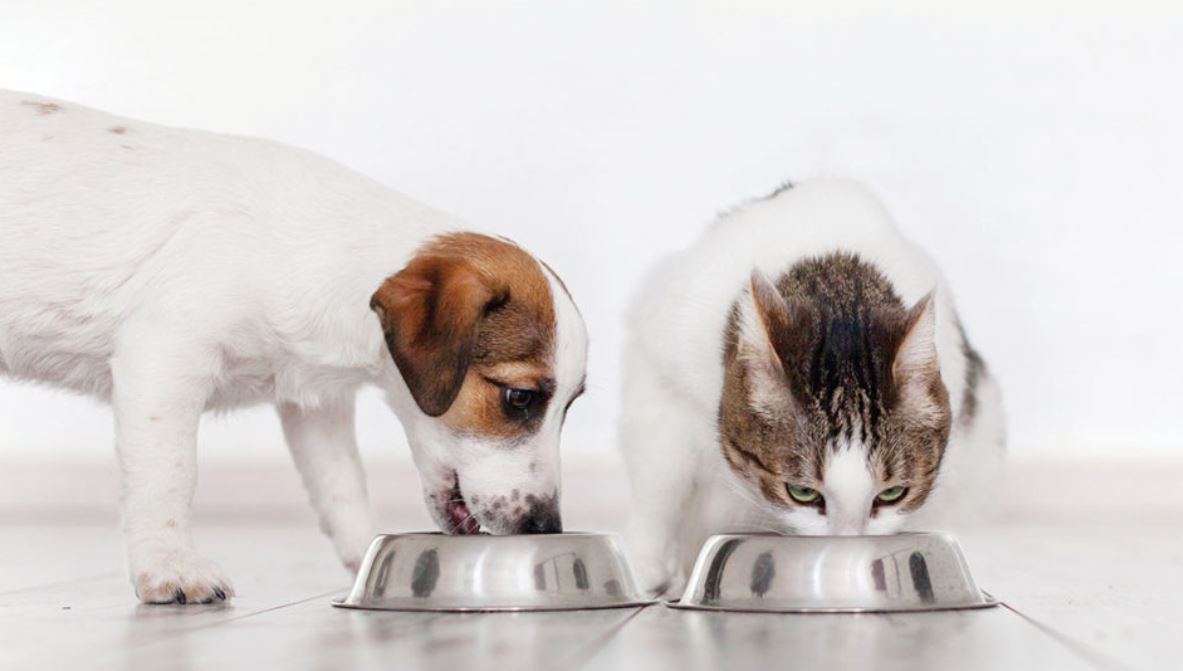
Applications in Pet Nutrition
In cats and dogs, Boswellia serrata is used in:
- Joint health chews
- Anti-inflammatory capsules
- Pet supplements with multi-purpose
It can improve the quality of life in older cats and dogs by managing chronic pain and stiffness. It is also holistic vets' first choice of drug for long-term inflammatory disease.

Usage in Livestock and Poultry
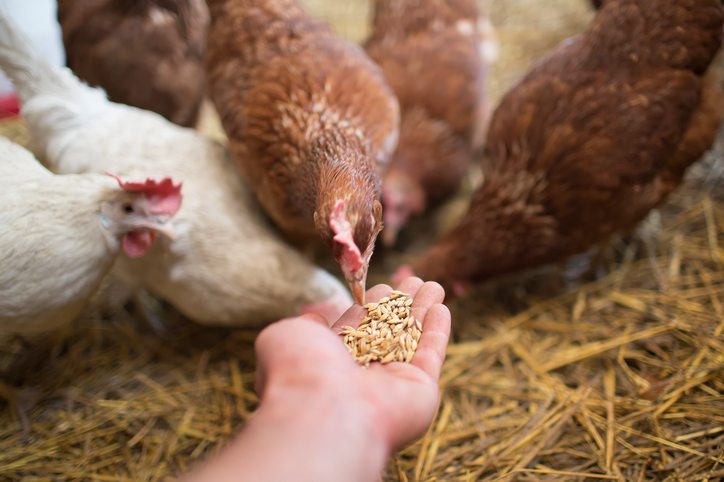
In agriculture, Boswellia extract is also researched as a feed additive to diminish the application of antibiotics and artificial anti-inflammatory drugs. Key applications are:
- Chicken and pigs: Protects against gastrointestinal and respiratory infections, which may enhance growth rates and feed efficiency by decreasing inflammatory burdens.
- Cow milk: Prevents joints inflammation, mastitis, and stomach cramping, resulting in increased productivity.
- Horses: Applied in horse supplements to maintain joints, especially for aging or performance horses.

Dosage Guidelines
The administration is weight-, species-, and health-status-adjusted. Use the following general ranges:
| Animal | Typical Daily Dose (Boswellia Extract) |
|---|---|
| Dogs | 100–400 mg (based on size) |
| Cats | 50–100 mg |
| Horses | 2–5 g |
| Poultry/Livestock | 0.1–0.5% of total feed (depending on formulation) |
Always get approval from a veterinarian before adding new supplements.

Safety and Side Effects
Boswellia is generally well tolerated in animals with minimal side effects. But over dosing is responsible for:
- Gastrointestinal upset
- Diarrhea (in sensitive pets)
- Drug interactions with NSAIDs or immune-suppressants
Long-term safety trials are in progress, but none of them have experienced any side effects when used properly.
,aspect=fit?size=494x0 "Boswellia Serrata powder manufacturer")
Selecting a Quality Boswellia Extract
For safety and effectiveness, use products that are:
- Standardized to contain 65% boswellic acids
- Additive- or filler-free
- From well-documented sources
Don't use products that are not purity-tested and contain heavy metals and pesticide residues.
Final Thoughts
Boswellia serrata extract is rapidly emerging as an enormously successful natural remedy for improving animal well-being, particularly for the treatment of inflammation, joint mobility, gastrointestinal health, and immune balance. As a pet owner wanting to treat your arthritic pet, or a livestock producer wanting additive feeds in a natural manner, Boswellia is a plant-based, non-poisonous, and effective remedy.
Its growing application in veterinary and animal nutrition is evidence of the need for holistic and sustainable animal well-being. As more studies continue to validate its benefits, Boswellia will be the standard of pet foods and animal supplements.
References
Reichling, J. et al. (2004). "Pilot trial of Boswellia resin extract in canine osteoarthritis." Planta Medica, 70(12), 1100–1104.
Ammon, H.P.T. (2010). "Modulation of the immune system by Boswellia serrata extracts." Journal of Ethnopharmacology, 132(3), 613–616.
Singh, B. et al. (2012). "Boswellic acids – a new treatment for inflammatory bowel disease." Journal of Ethnopharmacology, 144(3), 749–757.
Kimmatkar, N. et al. (2003). "Efficacy and tolerability of Boswellia serrata extract in treatment of osteoarthritis of knee – a randomized double blind placebo controlled trial." Phytomedicine, 10(1), 3–7.