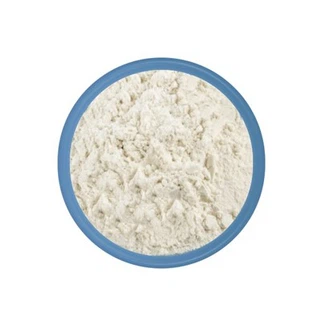
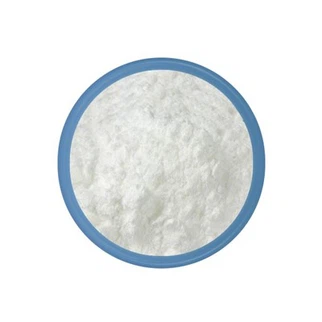
The demand for green agriculture and ecofriendly agriculture has led to the growing demand for natural bio-based products. One such product is tea saponin, a natural compound derived from the seeds of Camellia oleifera. Being a natural surfactant, tea saponin is also known by an alternative name as a soil conditioner and fertilizer assistant and a strong natural insecticide. Farmers and growers are turning more and more to safe, biodegradable, and environmentally friendly substitutes to utilize in lieu of chemical pesticides, and tea saponin is one such alternative with high potential in integrated pest management (IPM).
The blog explains how tea saponin works, its benefits as a pest control, and why tea saponin represents a greener, safer future for agriculture.

What Is Tea Saponin?
Tea saponin is a glycoside chemical found in tea seeds, particularly Camellia oleifera. Tea saponin is a strong surfactant, emulsifier, and foamer and has long been used traditionally in detergents, cosmetics, and aquaculture. As a biological agent in agriculture, its action makes it a promising organic pest control.
:max_bytes(150000):strip_icc()/homemade-flower-garden-pesticide-1316079-hero-b762d061a67e4b898ee585bf31339e70.jpg?size=549x0 "tea saponin pesticide manufacturer")
How Tea Saponin Acts as a Pest Control
Natural Insecticidal Activity
Tea saponin acts against the insect and pest cell membranes. Amphiphilic (lipophilic and hydrophilic) in nature, tea saponin is able to interact with lipid layers, breaking the defensive shields of the pests and leading to dehydration and death.
Anti-Feeding and Repellent Effect
Sprayed on crops, tea saponin acts as a repellent that prevents insects from feeding on crops. Tea saponin, bitter in taste and a membrane disruptor, prevents feeding by widespread pests.
Larvicidal and Nematicidal Activity
Tea saponin has also been an excellent nematode, mite, and insect larva suppressor and thus an all-around pest control agent. On soil application, it suppresses nematodes, thereby protecting plant roots and promoting plant growth.
Environmentally Friendly Mode of Action
As opposed to persistent chemical pesticides in water and soil, tea saponin is biodegradable. It breaks down naturally with no toxic residues, thereby protecting crops and the environment.
Benefits of Tea Saponin Pesticide
Environmentally Safe
Tea saponin is a natural pest control from plants that, when used, does not kill helpful organisms such as pollinators or soil microorganisms. Its natural break-up ensures it is safe for the environment.
Lowers Synthetic Chemical Use
As a substitute or alternative to synthetic pesticides, tea saponin kills chemical residues in crops and reduces environmental pollution.
Enables Integrated Pest Management (IPM)
Tea saponin can co-exist with other biological control systems and is therefore well-placed for application in IPM systems striving towards long-term sustainability.
Increases Soil Health
In addition to pest control, tea saponin increases the aeration of the soil and sustains the microbial equilibrium and thus increases the plant's stress and disease resistance indirectly.
Double Utility
Double the utilization of tea saponin as fertilizer activator and pesticide and provide the farmer with a two-in-one farm input.

Uses of Tea Saponin in Agriculture
Soil Pest Management
Tea saponin is used to manage root-knot nematodes in soil to increase root development and crop yield.
Foliar Spray
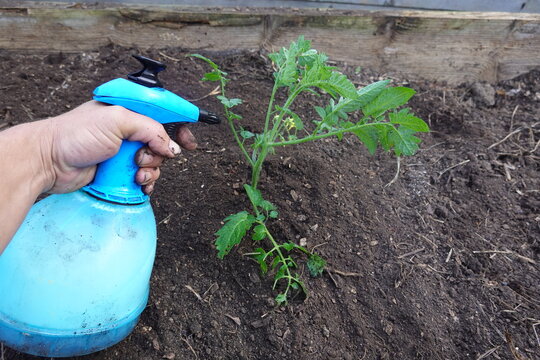
It repels pests and prevents feeding damage to leaves, stems, and fruits when used as a foliar spray.
Aquaculture and Paddy Fields
Tea saponin is used in aquaculture to manage unwanted snails and fish. In rice, it prevents pests and induces growth.
Seed Treatment
It may be used to dress seeds to prevent early-stage pest infestation and improve germination rates.
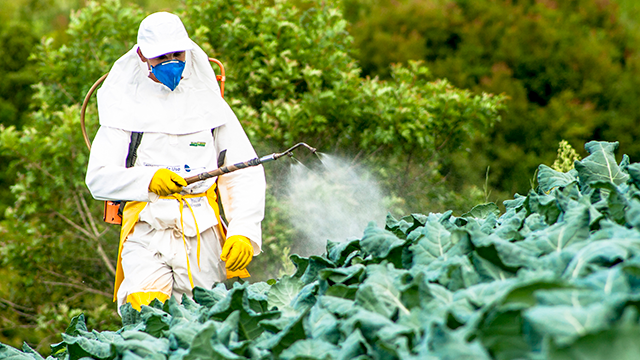
Why Use Tea Saponin over Synthetic Pesticides?
- Safety: Does not leave toxic residues on produce.
- Sustainability: Biodegradable and renewable material.
- Affordability: Cost-effective alternative for small-scale and organic farmers.
- Regulatory Compliance: Helps meet organic certification standards.
Challenges and Considerations
Despite the much promise of tea saponin, some factors must be considered:
- Dosage Sensitivity: Overuse is harmful to sensitive plants or aquatic organisms.
- Limited Awareness: The majority of farmers have yet to get information about its complete potential.
- Formulation Needs: Studies are underway to enhance formulation for crops and pests.

Conclusion
Tea saponin is an environmentally friendly, green approach to pest management that speaks to the present needs of global agriculture regarding safety, efficacy, and conservation. Being endowed with a natural pesticide, nematicide, and soil-fertility-building property, the farmer can limit the use of toxic chemicals without losing the potency and yield of the crops. As the world proceeds further to be eco-friendly farmers, tea saponin will be at the forefront in revolutionizing the face of agriculture.
References
Li, Y., Xu, Y., & Yan, L. (2013). Application of tea saponin in agriculture and aquaculture. African Journal of Biotechnology, 12(18), 2345–2351.
Chen, J., Wang, Y., & Hu, J. (2018). Natural plant-derived saponins as eco-friendly pesticides. Journal of Agricultural and Food Chemistry, 66(34), 8914–8922.
Singh, B., & Sharma, R. A. (2015). Plant saponins: A review of their biological activities and applications in agriculture. Journal of Plant Sciences, 3(6), 89–101.
Hu, Q., & Xu, J. (2011). Tea saponin and its application in integrated pest management. Crop Protection, 30(8), 987–994.
Zhao, Y., et al. (2020). Advances in the use of natural bioactive compounds for sustainable agriculture. Frontiers in Plant Science, 11, 563.