There is a great need in contemporary agriculture for chemical pesticide alternatives that are sustainable, non-toxic, and environmentally friendly. Scientists and farmers are turning to plant chemicals as alternatives with little adverse effect on the environment but high activity like traditional pesticides. Leading among such compounds under investigation are tea saponin, a plant chemical extracted from tea seed (Camellia sinensis or Camellia oleifera).
Tea saponin is an antimicrobial, surfactant, and insecticidal plant glycoside compound. It was utilized for centuries in aquaculture, agriculture, and organic cultivation due to its soil-fertilizing, weed-smothering, and insect-repelling activities without damaging the plants from synthetic pesticides.
In this article, the author explains why tea saponin is a natural pesticide, how it works, its advantages to plants, and how it supports sustainable agriculture.

What Is Tea Saponin?
Tea saponin is a plant surfactant found naturally in tea tree seeds, such as Camellia oleifera, which is cultivated throughout much of Asia. Tea saponin is composed of triterpenoid saponins, natural foam and emulsification detergents.
In agriculture, tea saponin is used worldwide in the liquid or powder state as an organic fertilizer enhancer, natural insecticide, and soil conditioner. Because it is biodegradable and harmless to human beings, it offers a safer alternative to usual chemical pesticides.

How Tea Saponin Works as a Natural Pesticide
Tea saponin works as a pesticide due to its unique modes of action:
1. Interference with Pest Cell Membranes
Tea saponin is strongly surfactant active, i.e., it also harms the lipid membranes of insects and pests. This causes leakage of vital cell contents, which kill the pests.
2. Anti-Feeding and Repellent Activity
Tea saponin has a bitter taste and is insecticidally irritating. It has also been found to be a feeding deterrent, which prevents pests from infecting plants.
3. Insecticidal and Nematicidal Activity
Tea saponin has been proven by research to not only display extremely effective activity against mites, beetles, aphids, and nematodes but also disable the nervous system of such pests, preventing their survival and reproductive capacity.
4. Antimicrobial Effects
Apart from insects, tea saponin can also possess fungicidal and antibacterial activity that will find application in the prevention of secondary diseased pathogens-induced plant disease.
5. Biodegradability and Environmental Safety
In contrast to chemical pesticides that may remain in soil and water, tea saponin is biodegradable and can easily degrade without any trace of poisonous chemicals.

Advantages of Using Tea Saponin as a Pesticide
1. Eco-Friendly and Sustainable
Tea saponin is an organic and natural plant-based biodegradable chemical that promotes organic and natural farming by minimizing the use of chemicals to the barest minimum.
2. Non-Toxic to Humans and Animals
Unlike other chemical pesticides, tea saponin is not toxic to human beings, animals, and livestock at proper concentrations, thereby safer for consumers and agricultural workers.
3. Dual Function as Soil Stimulator
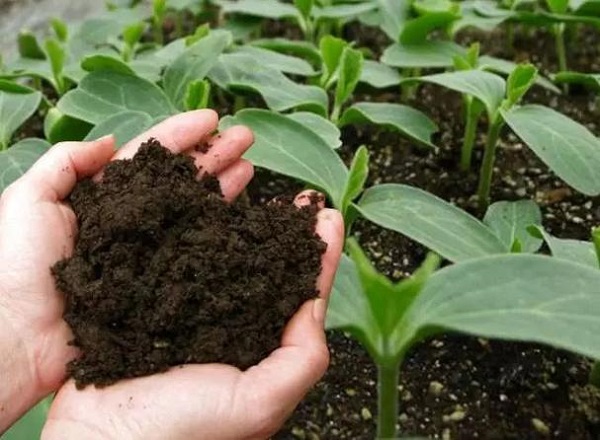
Tea saponin not only serves as a pest deterrent but also improves soil structure and fertility. Tea saponin suppresses unwanted contents of nematodes in soils while increasing beneficial microbes.
4. Less Chance of Resistance
Chemical pesticides will result in the evolution of resistance in insects with continued use. Because tea saponin works in more than a single mode (insecticidal, repellent, antimicrobial), there are fewer chances for resistance to insects.
5. Facilitates Organic Certification
Organic certification Farms, tea saponin results in an organically certified pest control agent.

Applications of Tea Saponin in Agriculture
- Crop Protection – For insect, nematode, and fungal disease management in crops such as rice, vegetables, fruits, and tea plantations.
- Soil Treatment – For the destruction of pathogenic nematodes and to restore equilibrium in soil microbes.
- Seed Coating – For seed protection against fungal attack and insect infestation during germination.
- Aquaculture – Occasionally employed for the destruction of unwanted fish and parasites from fish ponds prior to restocking.
Challenges and Considerations
Although tea saponin has numerous advantages, it has to be used in controlled conditions:
- It is phytotoxic to aquatic life at high dosages (e.g., fish and shrimp), so dosing needs to be controlled.
- It is toxic to fragile plants if too much is applied in one go.
- It will probably have to be reapplied more often than chemical pesticides as it naturally breaks down.

Conclusion
Tea saponin is a strong organic pesticide that is consistent with international action for sustainable farming. Being an insecticide, repellent, and conditioner of soil, tea saponin is a farmer's ultimate do-it-all when it comes to organic farming alternatives. Although it needs to be handled cautiously, tea saponin is a pesticide spray-free alternative that helps to create healthier soil, plants, and ecosystems.
Tea saponin allows farmers to limit the use of toxic agrochemicals, promote biodiversity, and work towards sustainable food systems in agriculture.
References
Wang, J., & Fang, Y. (2014). Research Progress on the Application of Tea Saponin in Agriculture. Journal of Agricultural Science and Technology, 16(4), 77–82.
Singh, B., & Sharma, R. A. (2015). Plant-derived saponins as natural pesticides: Current status and future prospects. Journal of Applied and Natural Science, 7(1), 456–467.
Hu, Q., & Yu, J. (2019). Effects of tea saponin on soil nematodes and microbial activity. Applied Soil Ecology, 143, 35–42.
Zhang, C., et al. (2020). Biopesticidal properties of tea saponin against insect pests in agriculture. Pest Management Science, 76(9), 3124–3132.
FAO (Food and Agriculture Organization). (2021). Sustainable management of agricultural pests: The role of plant-based biopesticides.