Astaxanthin has emerged as a useful tool against fish stress. One of the most intractable and expensive problems in contemporary aquaculture is stress in fish. Whether caused by handling, crowding, water quality deterioration, transportation, or pathogen challenge, stress compromises immunity, undermines metabolism, impairs growth, and raises mortality. Stress reduction is critical to enhancing fish welfare and production efficiency.
Though most famously linked with red-orange pigmentation of salmon, shrimp, and aquarium ornamental fish, astaxanthin also remains a crucial physiological function against oxidative stress and fish strengthening.
This blog explains how astaxanthin accomplishes fish stress reduction, why astaxanthin is valuable to aquaculture, and successfully how to incorporate it into a daily feeding program.

What Is Astaxanthin?
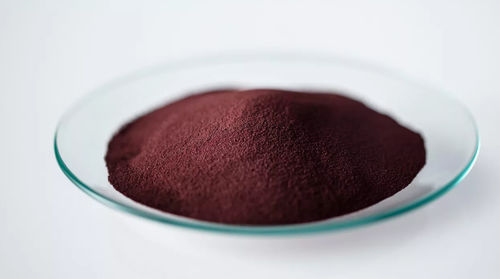
Astaxanthin is a red-pink carotenoid and xanthophyll carotenoid. Astaxanthin naturally occurs in algae like Haematococcus pluvialis, krill, shrimp shells, and marine animal tissues. Astaxanthin is recovered from natural sources or generated synthetically and incorporated into fishmeal in aquaculture.
Although most commonly used for its colorizing capability-especially for salmonids, trout, and aquatic ornamentation-astaxanthin is also a potent antioxidant, an action with wide-ranging ramification for reducing stress-related physiological damage in fish.
What Stresses Fish?
Fish are highly sensitive to environmental and biological change. A few of the most general stressors are:
- Handling and transport
- Crowding or overstocking density
- Sudden water temperature or pH fluctuation
- Low oxygen or high ammonia levels
- Deprivation of food
- Disease outbreak or parasite infestation
Consequently, fish display physiological alteration-namely, the increase of a stress hormone concentration, i.e., cortisol, which elicits increased metabolic activity and reactive oxygen species (ROS) production. Cumulatively, increased ROS levels induce oxidative stress to tissues, weaken the immune system, and undermine organ function.
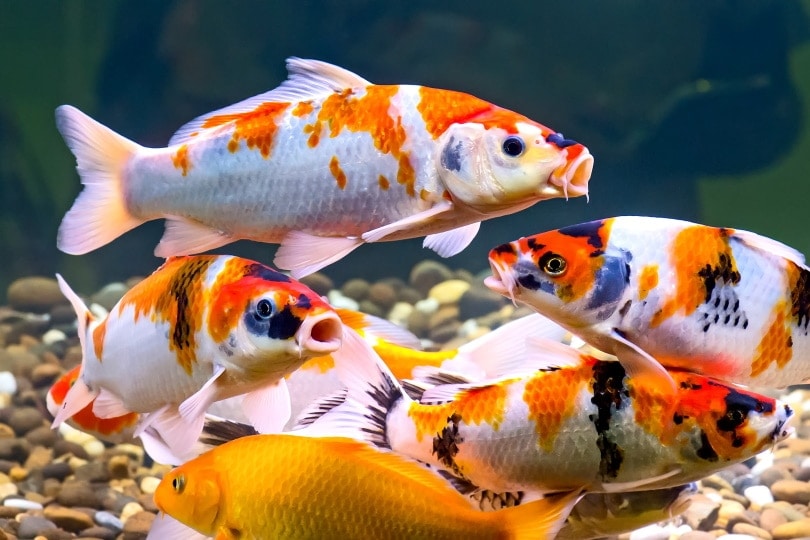
How Astaxanthin Decreases Fish Stress
1. Inactivating Reactive Oxygen Species (ROS)
One of the simplest ways that astaxanthin reduces stress is by combating oxidative stress.
Astaxanthin also possesses antioxidant properties, which have been characterized as:
- 550 times more effective than vitamin E
- 10 times stronger than other carotenoids like zeaxanthin or lutein
It effectively scavenges for free radicals and suppresses lipid peroxidation in cell membranes. In stressed fish, this means less harm to vital organs such as:
- Gills (oxygen exchange critical organs)
- Liver. (central to detoxification)
- Intestinal lining. (essential for nutrient absorption)
By protecting these tissues, astaxanthin enhances the fish's capacity to recover from stress and maintain homeostasis.
2. Regulation of Cortisol Levels
Cortisol is the major stress hormone in fish, and repeated elevations have:
- Immune suppression
- Reduced feed intake and conversion
- Destroyed reproductive function
- Retarded growth
Evidence suggests that astaxanthin-supplemented fish have lower circulating cortisol levels after stress exposure. For example, in rainbow trout exposed to acute handling stress, astaxanthin-fed groups had statistically lower cortisol peaks and recovery rates compared to controls.
Such hormonal regulation promotes healthier metabolism and allows for quicker rebound after stress.
3. Immune Function Improvement
Stress represses fish immune processes and makes them more vulnerable to infection. Astaxanthin activates innate and adaptive immunity, which aids in the struggle of the fish against pathogens when or after stress exposure.
Benefits are:
- Increased phagocytic function of macrophages
- Increased lysozyme and complement activity
- Activation of antibody production
This immunomodulatory effect has been observed to happen in various species like salmon, tilapia, and shrimp. In aquaculture, both bacterial and parasitic infections often happen during stress episodes, and astaxanthin helps fish maintain their defense mechanism healthy.
4. Mitochondrial Health and Energy Utilization
Astaxanthin encourages mitochondrial wellness by the reduction of oxidative damage to the mitochondrial membrane. This increases ATP production-energy currency in cells.
Higher energy requirement is seen in stressed fish. Astaxanthin helps by:
- Increasing oxygen efficiency
- Improving endurance and energy metabolism
- Protecting against fatigue under extreme physical or metabolic stress
This is especially helpful during transport, crowding, or growth spurts when fish go through high metabolic stress.
5. Maintenance of Skin, Eye, and Gill Health
Stress from the environment can weaken outer tissues like skin, scales, eyes, and gills. Astaxanthin accumulates in these tissues and acts as an initial protection against UV stress, oxidative exposure, and water-borne pollutants.
- In gills, astaxanthin prevents peroxidation to facilitate efficient respiration
- In eyes, it shields retinal cells from oxidative light damage
- In skin, it maintains color and protects against irritant-induced inflammation
Preservation of the integrity of these tissues, particularly in ornamental species and value-added finfish where appearance and health matter, is important.
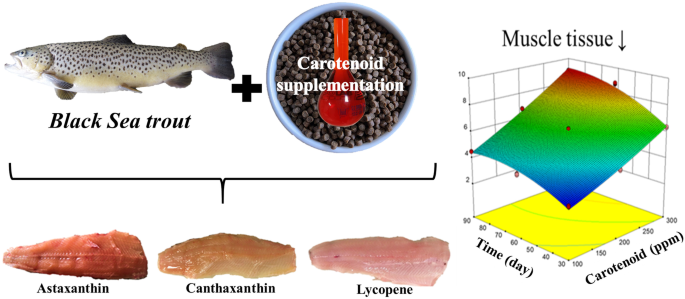
Scientific Studies Verifying Astaxanthin's Anti-Stress Activity
Several research studies have reported astaxanthin's role as an anti-stress substance:
- Martínez-Álvarez et al. (2005) found that rainbow trout given astaxanthin showed reduced signs of oxidative stress and enhanced performance against handling stress.
- Ambati et al. (2014) exposed the greater antioxidant activity of astaxanthin over vitamin C and E in aquaculture organisms.
- Nakano et al. (1999) demonstrated greater resistance to mortality under stress in trout with astaxanthin-supplemented diets.
- Petri & Lundebye (2007) showed evidence of enhanced immune and antioxidant parameters of astaxanthin-supplemented Atlantic salmon.
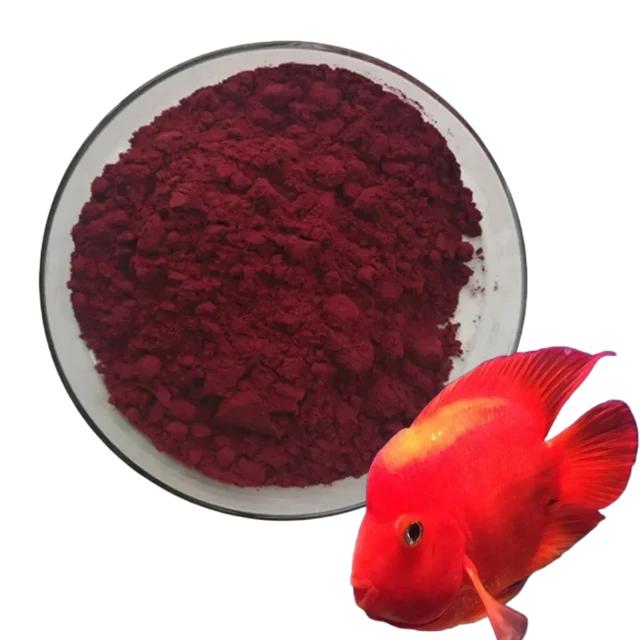
Application of Astaxanthin in Aquafeed: How to Use Astaxanthin for Stress Protection
1. Form of Astaxanthin
- Natural astaxanthin (Haematococcus pluvialis) is more bioavailable and biologically active.
- Synthetic astaxanthin is widely used in salmon aquaculture but may offer less functional benefit.
2. Dosage Guidelines
- 20–100 mg/kg feed, depending on species, age, and exposure to stress
- 30–50 mg/kg is best for maintenance of daily protection in salmonids and tilapia
Higher doses may be needed at high-risk phases (transport, harvest)
3. Timing
- Daily feeding is an assurance of ongoing protection
- Supplement 2–4 weeks before stressful tasks like grading or transport for optimal resilience

Conclusion
For aquaculture where fish remain perpetually exposed to stress, astaxanthin provides a natural and effective intervention. With its strong antioxidant, anti-inflammatory, and immunomodulatory activities, it inhibits stress responses, protects vital organs, and optimizes resilience.
Through inhibition of oxidative stress and regulation of cortisol, astaxanthin helps keep fish in top growth performance and health-even under poor conditions. Whether raising salmon, tilapia, trout, or ornamental species, daily feeding with astaxanthin can enhance fish welfare, reduce death, and ensure sustainable aquaculture.
You can purchase Astaxanthin powder price at hjagrifeed.com. The company is an industry-leading manufacturer and distributor for pure dietary supplements. hjagrifeed.com is not just a consumer brand. It also supplies pure ingredients to other brands that distribute food and other supplement products. Contact hjagrifeed.com to place an order today!
References
Ambati, R. R., Moi, P. S., Ravi, S., & Aswathanarayana, R. G. (2014). Astaxanthin: Sources, extraction, stability, biological activities and its commercial applications-A review. Marine Drugs, 12(1), 128–152. https://doi.org/10.3390/md12010128
Martínez-Álvarez, R. M., Morales, A. E., & Sanz, A. (2005). Antioxidant defenses in fish: Biotic and abiotic factors. Reviews in Fish Biology and Fisheries, 15, 75–88.
Nakano, T., Kanmuri, T., Sato, M., & Takeuchi, M. (1999). Effect of dietary astaxanthin on stress tolerance in cultured rainbow trout. Fisheries Science, 65(4), 605–609.
Petri, D., & Lundebye, A. K. (2007). Tissue distribution of astaxanthin in Atlantic salmon (Salmo salar L.) fed different diets. Aquaculture Nutrition, 13(4), 256–262.