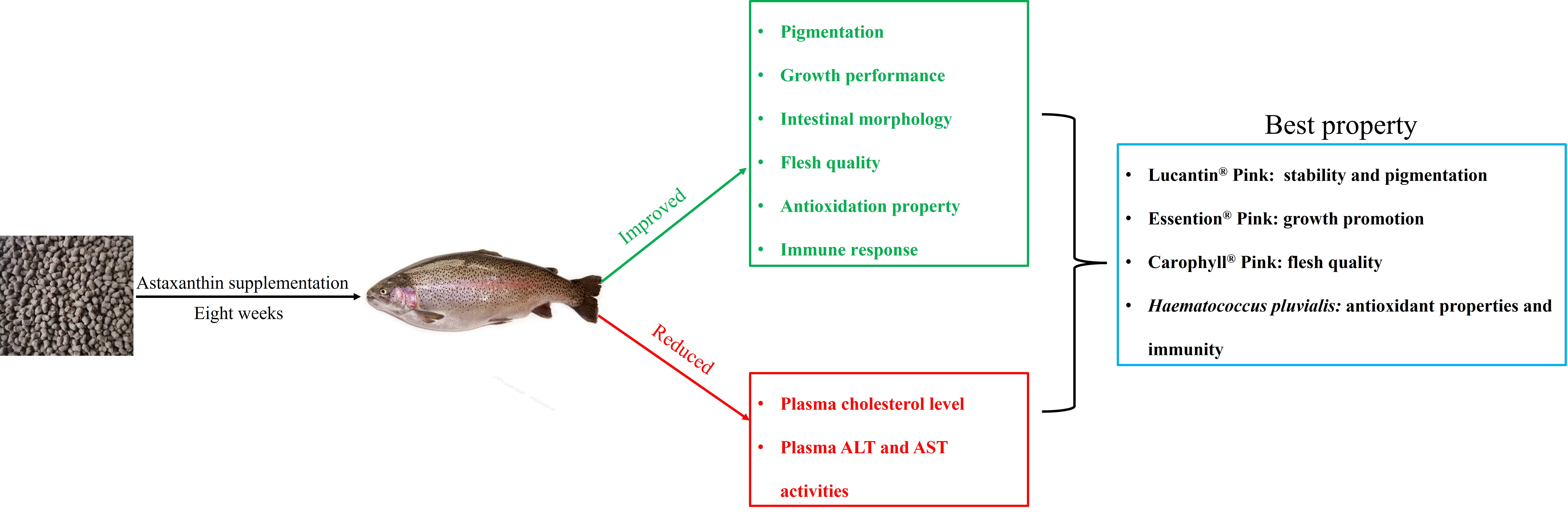
Among the constant changing situation of aquaculture, feed formulation is a most crucial measure to improve fish health, color, and market value. Astaxanthin, a natural carotenoid possessing high antioxidant and pigmentation potential, has drawn much attention in recent years. From salmon to trout, shrimp to aesthetic species, the daily supplement of astaxanthin in feed can improve production and quality significantly.
But why on earth should astaxanthin be supplemented daily into fish feeds? This article delves into the science and advantages of daily intake of astaxanthin in aquafeed.
What Is Astaxanthin?
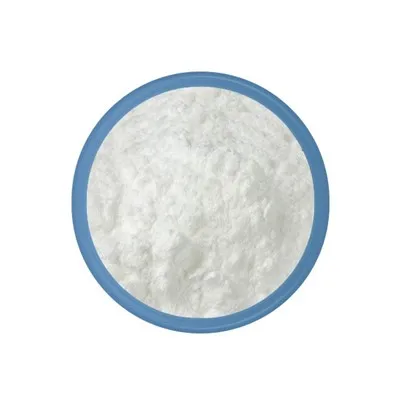
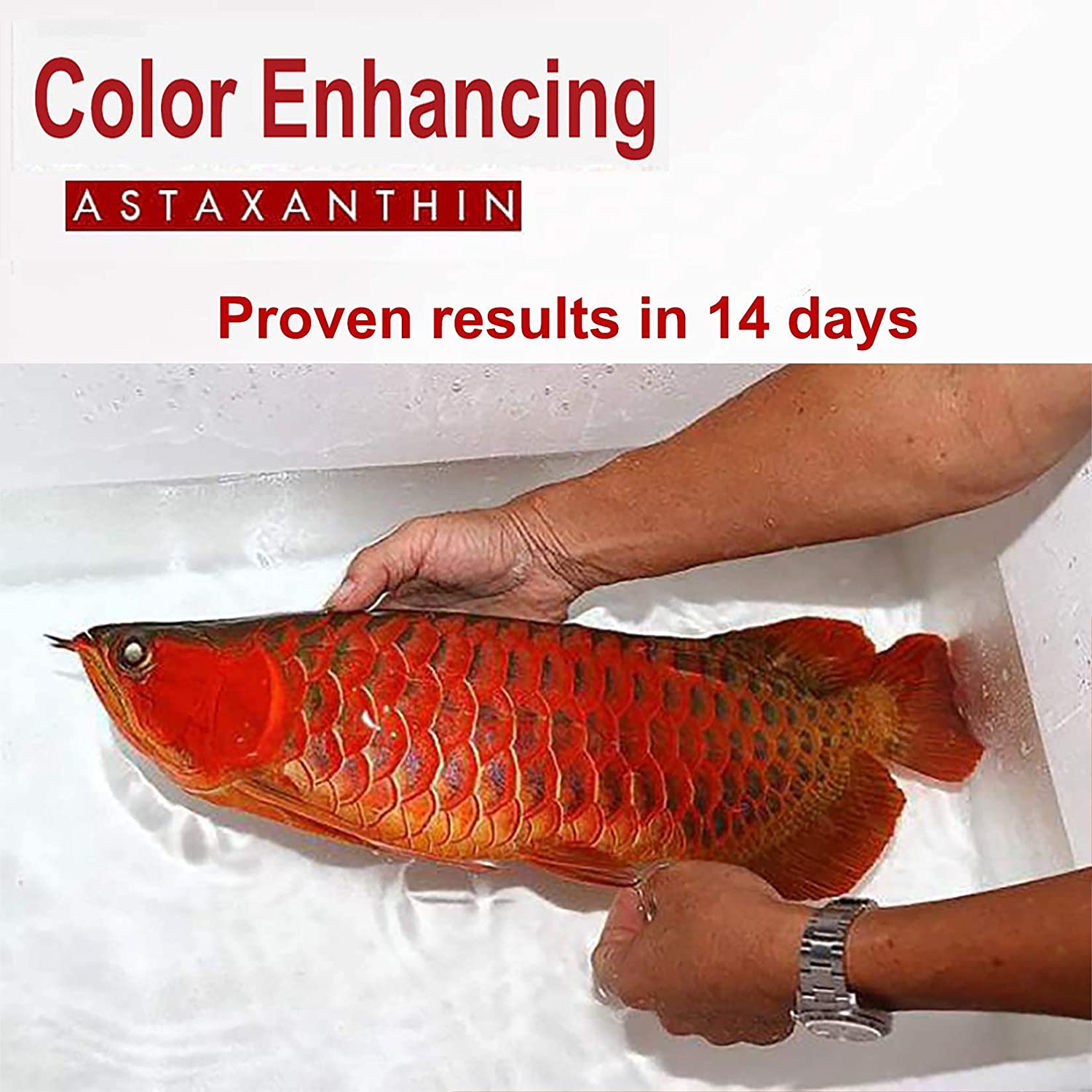
Astaxanthin is a red-pink carotenoid pigment that occurs naturally in microalgae (Haematococcus pluvialis), yeast (Phaffia rhodozyma), and aquatic animals such as krill and shrimp. Astaxanthin is extensively utilized in aquaculture for the improvement of reddish-pink flesh color of fish, especially salmonids and aquarium fish, for greater consumer attraction and marketability.

But astaxanthin's worth is much more than mere looks. It is also a very effective antioxidant that enhances fish health, stress tolerance, and spawning ability.
1. Accentuates Skin and Flesh Pigmentation
One of the most easily noticed side effects of astaxanthin supplementation is astaxanthin's potential to lighten flesh and skin pigmentation, particularly in the following species:
- Salmon
- Trout
- Red tilapia
- Koi and ornamental goldfish
Appearance is not merely cosmetic-it's a marker for health and quality. In the market, deeper and richer colors command premium prices. Daily astaxanthin feeding maintains an ongoing supply of pigment that is deposited into muscle and skin tissue. Without daily supplementation, pigmentation may be inconsistent or drop, bleaching the fish and lowering market value.

2. Maintains Immune Response and Disease Resistance
Aquaculture fish are exposed to some stress factors such as stocking density, water quality fluctuation, and possible exposure to pathogens. Astaxanthin's high antioxidant potential lessens oxidative stress associated with immune suppression.
Daily oral astaxanthin administration was reported by studies to enhance disease resistance through:
- Facilitating phagocytic function
- Augmenting immunoglobulin content
- Aiding antioxidant enzymes such as superoxide dismutase (SOD) and catalase
This immune stimulation protects fish from ordinary bacterial, viral, and parasitic infections, resulting in reduced mortality and minimized antibiotic use.
3. Enhances Growth Rate and Feed Conversion
Although astaxanthin is not an energy source, its health-promoting properties indirectly contribute to improved higher growth and better feed conversion. Healthier and more robust fish with greater immunity show higher activity, improved appetite, and are more efficient in converting nutrients.
Some studies have proved that long-term astaxanthin supplementation:
- Enhances weight gain
- Enhance feed conversion ratio (FCR)
- Enhances use of nutrients overall
This renders day-to-day feeding with astaxanthin not just healthy but also economical in feed consumption and return on every feed input.

4. Supports Reproductive Health and Fry Viability
Astaxanthin is a vital component of reproduction and larval development in the initial phase. In broodstock fish, it enhances:
- Gonad maturation
- Fertility and hatchability
- Egg and fry quality
In tilapia, salmon, and ornamental fish, astaxanthin inclusion in the broodstock diet on a regular basis enhances reproduction. Antioxidant protection against embryonic stress enhances fry survival and vigor.

5. Reduces Stress and Enhances Survival Under Unfavorable Conditions
Stressful situations such as transport, handling, heat shock, or poor water quality may, in aquaculture, confront fish. Chronic stress may raise cortisol levels, inhibit immunity, and decrease growth.
Astaxanthin counteracts these effects by:
- Decreasing stress biomarkers
- Protecting tissues against oxidative stress
- Increasing recovery after stress occurrences
Feeding consistently places the fish in a position of constant "readiness" to handle stress, leading to better survival and recovery.
6. Natural or Synthetic
astaxanthin is viable, the majority of producers are now tending towards natural origins such as:
- Haematococcus pluvialis microalgae (naturally highest concentration of astaxanthin)
- Krill meal or krill oil
- Yeast-derived astaxanthin (Phaffia rhodozyma)
Natural astaxanthin has been found to exhibit higher bioavailability and antioxidant activity than its synthetic equivalents. Natural astaxanthin also meets consumers' requirements for clean-label and natural feed additives, especially in premium or organic aquaculture production.
7. Optimum Dosage and Inclusion Rate
The optimum inclusion level of astaxanthin varies according to species, life stage, and desired effect (e.g., pigmentation versus health benefit). Recommended inclusion levels are:
- 25–100 mg/kg feed to improve pigmentation in salmonids
- 50–100 mg/kg for coloration of ornamental fish
- 10–40 mg/kg for antioxidant and health benefits in other animals
Daily administration frequency is required to ensure ongoing pigment deposition and antioxidant protection. Infrequent or irregular administration will reduce efficacy.
8. Economic Advantage of a Daily Regimen
Though astaxanthin can be an expensive product, payback is substantial if it is administered daily. Rewards like:
- Better survival and growth
- Less disease occurrence
- Better market value through improved coloration
all equal profitability. When integrated into overall production economics, daily astaxanthin supplementation can actually decrease long-term costs by optimizing efficiency and reducing loss.
Final Thoughts
Daily fish feeding of astaxanthin is more than a cosmetic choice-it's a strategic diet choice that enhances color, health, survival, reproduction, and profitability. With aquaculture becoming so competitive, application of high-performance feed ingredients such as astaxanthin plays a crucial role in achieving best results.
Whether you're producing salmon for export or colorful ornamental fish for the local market, daily astaxanthin feeding ensures that your animals are not only beautiful but also healthy and resilient.
References
Choubert, G. et al. (2006). "Pigmentation of Rainbow Trout with Astaxanthin." Aquaculture Research, 37(12).
Nakano, T., et al. (1999). "Astaxanthin as a Functional Antioxidant." Fisheries Science, 65.
Ambati, R. R., et al. (2014). "Astaxanthin: Sources, Extraction, Stability, Biological Activities and Its Commercial Applications." Marine Drugs, 12(1).
Lim, C. et al. (2001). "Effect of dietary astaxanthin on survival, growth, and disease resistance in fish." Aquaculture Nutrition, 7.