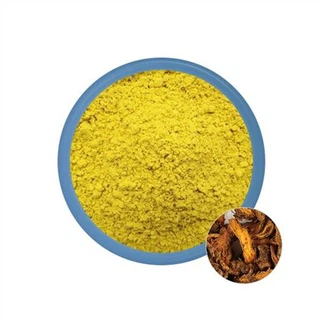
Astaxanthin is a highly potent natural carotenoid compound with highly promising uses in poultry feed-and particularly in laying hens. Given that the poultry business is always concerned with productivity, health, and product quality, natural feed additives have become a sought-after focus. Due to its highly potent antioxidant properties and ability to add pigmentation, astaxanthin has been largely accepted for yellowing egg yolk, immunity, and overall bird welfare. But then, the question is: Is astaxanthin safe to use in layers?
This blog brings forward the safety, efficacy, and proper utilization of astaxanthin in layer hen nutrition based on prevailing scientific evidence and practice experience.

What Is Astaxanthin?
Astaxanthin is a red-orange carotenoid color present naturally in microalgae (Haematococcus pluvialis), krill, shrimps, and certain fish such as salmon and trout. It's best known to provide pink to reddish pigmentation to aquatic creatures and is strong in antioxidants, even more so than vitamin C or E.
Astaxanthin is applied in poultry for:
- To improve egg yolk pigmentation
- To enhance immunity and resistance against oxidative stress
- To be advantageous for reproductive as well as general health

Is Astaxanthin safe for Laying Hens?
1. Regulatory Status
Astaxanthin
Astaxanthin is relatively safe in poultry at recommended dosing levels. Regulating bodies such as the European Food Safety Authority (EFSA) and US FDA have analyzed the compound and given approval to use it in animal feed, including poultry.
- Synthetic astaxanthin is licensed in the EU at up to 80 mg/kg total feed in laying hens.
- Natural astaxanthin from Haematococcus pluvialis is also well-accepted for application in animal feed additive.
Such acceptances underpin astaxanthin's safe history if used responsibly.
2. Scientific Safety Studies
Various peer-reviewed studies affirm the safety of astaxanthin in layers:
- A Poultry Science (2008) study determined no adverse impacts on body weight, intake, or egg production in astaxanthin-supplemented layers up to 80 mg/kg.
- Another in the Asian-Australasian Journal of Animal Sciences (2019) established enhanced yolk color and immunity without any adverse health parameters, even with increased levels of inclusion.
All these research confirm that astaxanthin is well-tolerated and safe for layers.

Advantages of Astaxanthin for Layers
1. Promotes Egg Yolk Colour Naturally
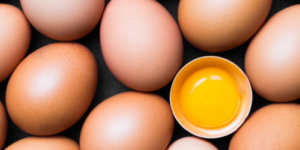
Orange-yellow yolks are prized by consumers as an indicator of quality and freshness. Astaxanthin has a pronounced effect on yolk coloration by accumulating in egg yolks when fed to hens.
- Unlike artificial pigments such as canthaxanthin or capsanthin, astaxanthin yields deeper, natural red-orange color.
- Noticeable improvement in yolk color can be achieved within 1–2 weeks by supplementing with 10–30 mg/kg astaxanthin-based material in diet.
2. Enhances Egg Quality
Astaxanthin not only colors the yolk-it also enhances egg quality indicators like:
- Yolk firmness and nutritional content
- Yolk antioxidant activity
- Shelf-life stability
High yolk antioxidant status inhibits lipid oxidation and maintains eggs in a fresh condition when stored.
3. Enhances Immune Function and Disease Resistance
Hens are frequently exposed to all kinds of pathogens and stressors. Astaxanthin enhances immune function by:
- Increasing macrophage activity
- Decreasing pro-inflammatory cytokines
- Promoting healthy gut bacteria
A 2017 Livestock Science study found that astaxanthin-supplemented birds had lower mortality and improved immune response to disease outbreaks.
4. Mitigates Oxidative Stress in Birds
Oxidative stress can threaten production, egg quality, and bird health. As astaxanthin is a very potent antioxidant:
- Scavenges free radicals
- Protects liver and muscle tissue
- Maintains cardiovascular health
It is especially beneficial in older layers or heat-stressed birds as it enhances oxidative balance and overall energy.
5. Improved Reproductive Function
Astaxanthin improves reproduction by:
- Preserving ova from oxidative stress
- Improving fertility rates in breeding hens
- Improve egg hatchability and chick survival
These factors make it appealing not just for commercial egg production businesses but also for breeding operations.

Recommended Dosage and Forms
Astaxanthin is found in a number of formulations for animal feed:
- Synthetic astaxanthin: Used extensively since it is affordable.
- Natural astaxanthin from Haematococcus pluvialis: Most desirable in natural or organic production.
- Krill meal or shrimp meal: Deliver lesser quantities but add extra nutrition.
Dosing layer recommendations are typically 5 to 80 mg/kg feed, based on source, formulation, and desired benefits (e.g., pigment vs. immune enhancement).
- Suggested practice: Begin 10–30 mg/kg in commercial layer feeds for maximum pigmentation and health impact, as necessary and based on results and cost considerations.
Astaxanthin is a natural red carotenoid pigment commonly derived from microalgae such as Haematococcus pluvialis. In poultry nutrition, it is used as a functional feed additive because of its strong antioxidant activity and its ability to enhance pigmentation and bird health.
1. Powerful Antioxidant for Poultry Health
Astaxanthin is one of the most potent natural antioxidants. It helps reduce oxidative stress in poultry, supporting immune function and improving overall health, especially in fast-growing broilers and laying hens.
2. Enhances Egg Yolk Color
In laying hens, astaxanthin contributes to deeper orange-red yolk pigmentation, which is often preferred by consumers and can increase market value.
3. Improves Meat Quality
Astaxanthin may help reduce lipid oxidation in poultry meat, improving freshness, shelf life, and nutritional quality.
4. Supports Growth and Performance
By protecting cells from oxidative damage, astaxanthin may help improve feed efficiency, growth performance, and stress resistance in poultry production systems.
5. Strengthens Immune Response
Astaxanthin can support immune cell activity, helping poultry better resist environmental stress, disease challenges, and heat stress.

Are There Any Side Effects?
Used in the suggested quantity, astaxanthin has no major side effects. Excess consumption results in:
- Excessive pigmentation of yolks (too dark)
- Lower feed cost with no extra advantage
- Unintended skin or tissue pigmentation (occasionally)
Stratification of pigmentation scores and response of birds provides maximum outcome.
Cost Factor: Is It Worth It?
Though natural astaxanthin may be higher in cost than man-made carotenoids, its multi-benefit use profile-spanning egg quality through to poultry health-means it is an investment worth making for most producers.
Cost-effectiveness increases on:
- Penetrating high-end egg markets
- Promoting "naturally pigmented" or "antioxidant-enriched" eggs
- Reducing veterinary costs through improved immunity
A well-structured program that balances dosage and ROI potential means that astaxanthin can be a strong addition to a layer feed package.
Sustainable and Natural Appeal
With increasing demand from consumers for natural, sustainable, and clean-label animal products, natural source astaxanthin aligns well with:
- Organic broiler production
- Sustainable production practices
- Ethical egg promotion
Natural astaxanthin derived from microalgae or marine sources lends support to sustainability and differentiation in competitive markets.

Conclusion: Is Astaxanthin Safe and Effective for Layers?
The proof is on the record: Astaxanthin is safe in laying hens when used responsibly. Not only does it improve egg yolk color, but it also plays a role in health, performance, and product quality. With proper sourcing, dosing, and monitoring, astaxanthin can be an effective weapon in today's poultry nutrition-particularly for producers willing to satisfy consumers' appetites for natural, high-quality eggs.
Key Takeaways
Astaxanthin is a certified and safe ingredient for layers in most of the globe's geographical regions, such as the US and EU.
It supports yolk coloration, egg quality, and avian immune response, and it alleviates oxidative stress.
10–30 mg/kg feed is effective in pigmentation and overall well-being.
Natural origin provides extra value to high-quality and sustainable egg production.
Regular use can increase welfare of the bird, eggs' shelf life, and brand positioning.