In contemporary animal nutrition, feed additives become important in promoting health, improving performance, and assuring balanced diets. Of the basic nutrients, choline chloride is one of the most commonly utilized additives in livestock and poultry feed. If formulated in combination with a silicon carrier, its stability and application in feed become highly enhanced.
But just what is silicon carrier choline chloride? And how does it help with animal nutrition? In this blog, we discuss its functions, advantages, and uses in the livestock and poultry sectors.

What Is Choline Chloride?
Choline is a water-soluble substance, generally referred to as a vitamin-like nutrient, essential for animal health. While animals have the ability to produce some choline in their liver, the production is generally inadequate, particularly in rapidly growing animals such as broilers or high-yielding animals such as milk cows.
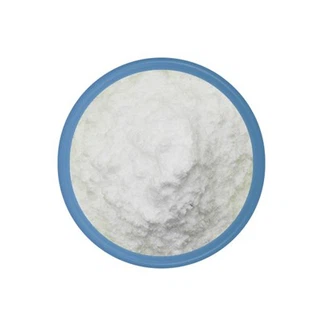
Choline chloride is the most affordable and widely used supplemental choline product fed. It comes in liquid or powdered form, and for convenience and stability, is frequently mixed with carriers, like corncob, silica, or silicon dioxide.

What Is the Silicon Carrier Used For?
Choline chloride is a highly hygroscopic (moisture-absorbing) material that can lead to clumping or deterioration in feed blends. A silicon carrier has several benefits:
- Improves Flowability: Inhibits caking and improves mixability in feed mills.
- Improves Stability: Silica is a drying and dispersant agent that maintains choline's effectiveness over a period of time.
- Maintains Uniform Distribution: Enables uniform dispersion in the feed, which promotes uniform consumption by animals.
- In all, the silicon carrier provides for effective delivery of choline without affecting feed quality or processing efficiency.
Role of Choline in Animal Nutrition
1. Maintains Liver Health
Choline has a crucial role to play in lipid metabolism and fat transport. In livestock, particularly in poultry and pigs, it protects against fatty liver syndrome by stimulating the mobilization of fat from the liver.
2. Maintains Cell Membrane Integrity
Choline is a phospholipid building block such as phosphatidylcholine that plays an essential role in cell membrane structure and function in every animal tissue.
3. Supports Nerve Function
Choline is an acetylcholine precursor, a neurotransmitter required for muscle movement, memory, and nerve-muscle communication.
4. Facilitates Growth and Performance
Choline is essential during stages of fast growth, particularly in piglets and broiler chickens. Supplementation increases weight gain, feed conversion ratio, and productivity.
5. Participates in Methyl Group Donation
Choline is involved in methylation processes, which influence DNA synthesis, gene expression, and amino acid metabolism. This is particularly significant in reproductive animals.

Advantages in Certain Animal Species
Poultry
In broilers, choline chloride enhances growth rate, counters perosis (slipped tendon), and maintains immune status. Laying hens are favored with improved egg production and eggshell quality.
Swine
In pigs, choline maintains rapid lean growth and reproductive performance. In sows, it enhances litter size and viability of piglets.
Ruminants
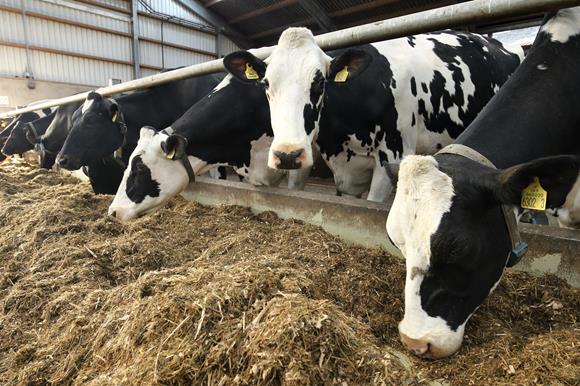
Even though ruminants produce some choline within the rumen, supplementary choline assists dairy cows during the transition to avoid fatty liver and increase milk production.
Aquaculture
Choline maximizes feed efficiency, promotes growth, and increases resistance to stress and disease in species such as shrimp and fish.

Why Use Choline Chloride with Silicon Carrier?
Having a silicon carrier yields a better delivery system for choline chloride. Here's why it performs better:
- Dry and Stable: Minimizes clumping and preserves shelf life.
- Non-reactive: Does not get in the way of other ingredients in feed.
- Consistent Dosage: Creates uniform distribution among feed batches.
- Improved Flow Properties: Allows easy handling and shipping.
This makes it perfect for production in industries involved with making feed, where efficiency and product stability are vital.

Safety and Dosage
Choline chloride is safe if used according to instructions. Over-supplementation should be avoided because high intake has the potential to hinder other nutrient absorption, e.g., methionine.
Inclusion levels are species and growth stage dependent but typical ranges are as follows:
- Poultry: 500–1500 mg/kg feed
- Swine: 300–1200 mg/kg feed
- Ruminants: According to veterinary advice
- Aquaculture: 500–1000 mg/kg feed
Scientific advice from a qualified animal nutritionist or veterinarian is recommended for maximum use.

Conclusion
Silicon carrier choline chloride is a principal instrument of contemporary animal nutrition. It provides for the secure and effective delivery of a vital nutrient that promotes liver function, nerve transmission, growth, and metabolic activity in numerous animal species. The addition of a silicon carrier improves stability and usability and as such is a favored form for feed manufacturers and nutritionists.
The addition of this substance in animal feed enhances performance, health, and productivity while advancing the objectives of sustainable and high-quality animal husbandry.
References
Zeisel, S. H., & Blusztajn, J. K. (1994). Choline and human nutrition. Annual Review of Nutrition, 14, 269–296.
Emmert, J. L., & Baker, D. H. (1997). A chick bioassay for determining bioavailability of choline in choline compounds. Journal of Animal Science, 75(10), 2737–2741.
McDowell, L. R. (2000). Vitamins in Animal and Human Nutrition. Iowa State University Press.
EFSA Panel on Additives and Products or Substances used in Animal Feed (FEEDAP). (2011). Scientific opinion on the safety and efficacy of choline chloride. EFSA Journal, 9(3), 2219.