In the domain of animal cultivation, keeping up a healthy environment for livestock is fundamental. One of the most critical challenges confronted by agriculturists and animal caretakers is overseeing ammonia levels in animal housing. Over the top alkali can lead to respiratory issues, diminished efficiency, and generally destitute animal welfare. Enter tea saponin, a common compound inferred from tea plants that has appeared promising in relieving ammonia outflows. This article dives into the science behind tea saponin and its adequacy in making a more salubrious environment for animals.
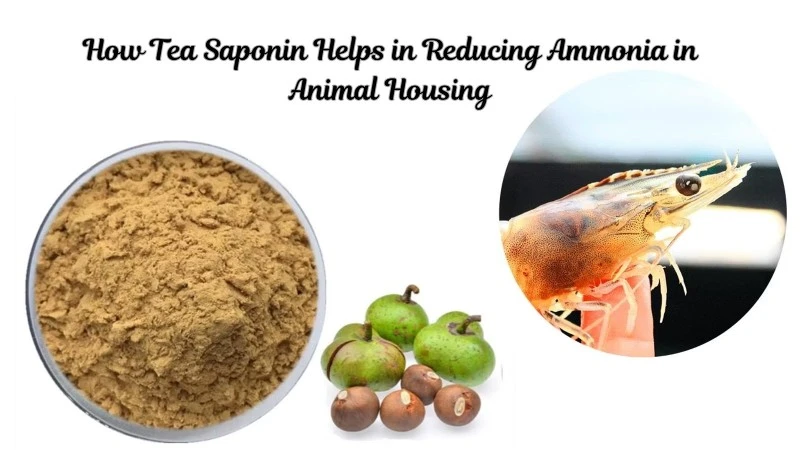
Understanding Tea Saponin and Its Properties
Tea saponin is a bioactive compound found in various tea plants, notably in green tea. It belongs to a class of molecules called saponins, which are characterized by their soap-like foaming properties when mixed with water. The molecular structure of tea saponin consists of a hydrophilic glycoside attached to a lipophilic triterpene or steroid aglycone, giving it unique chemical properties.
These compounds have garnered attention in the agricultural sector due to their multifaceted benefits. Tea saponin exhibits antimicrobial, anti-inflammatory, and surfactant properties, making it a versatile natural product with applications ranging from feed additives to cleaning agents. Its ability to interact with both water and lipids allows it to penetrate cell membranes and affect various biological processes.
Recent studies have highlighted the potential of tea saponin in addressing environmental concerns within animal housing facilities. Its capacity to bind with ammonia molecules and reduce their volatilization has piqued the interest of researchers and farmers alike. This natural approach aligns with the growing demand for eco-friendly solutions in livestock management.
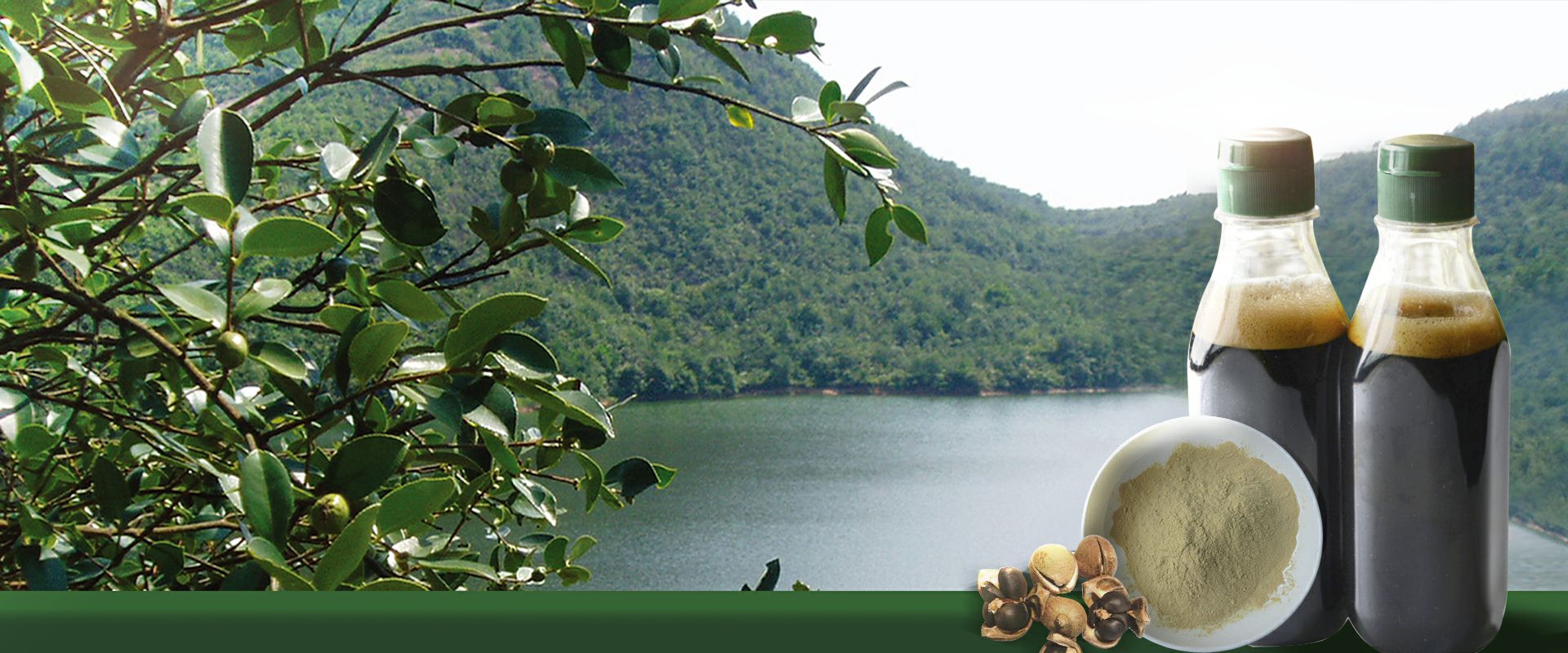
The Mechanism of Ammonia Reduction by Tea Saponin
The process by which tea saponin reduces ammonia levels in animal housing is multifaceted and involves several chemical and biological mechanisms. At its core, the interaction between tea saponin and ammonia is based on the compound's amphipathic nature – having both hydrophilic and hydrophobic regions.
When applied to animal bedding or manure, tea saponin forms a protective layer that encapsulates ammonia molecules. This encapsulation process significantly reduces the volatilization of ammonia, keeping it bound within the solid waste rather than allowing it to escape into the air. The hydrophilic parts of tea saponin molecules attract and bind water molecules, creating a barrier that further traps ammonia.
Moreover, tea saponin has been observed to influence the microbial ecology of animal waste. It can inhibit the growth of certain ammonia-producing bacteria while promoting the proliferation of beneficial microorganisms that convert ammonia into less harmful compounds. This shift in microbial populations contributes to a more balanced nitrogen cycle within the animal housing environment.
The surfactant properties of tea saponin also play a crucial role in its ammonia-reducing capabilities. By lowering the surface tension of liquids in animal waste, it helps to distribute moisture more evenly, preventing the formation of ammonia "hot spots" that can lead to sudden spikes in emissions.
Practical Applications and Benefits in Animal Housing
The implementation of tea saponin in animal housing offers a myriad of benefits that extend beyond mere ammonia reduction. Farmers and animal caretakers who have incorporated tea saponin into their management practices report improvements in overall animal health, productivity, and operational efficiency.
One of the primary advantages of using tea saponin is the creation of a more comfortable living environment for animals. Reduced ammonia levels lead to better air quality, which in turn results in improved respiratory health for livestock. Animals housed in facilities treated with tea saponin often exhibit lower incidences of respiratory diseases and associated stress, contributing to enhanced well-being and potentially increased lifespans.
From a productivity standpoint, the benefits are equally compelling. Animals living in cleaner, less ammonia-laden environments tend to show improved feed conversion rates and growth performance. This can translate into tangible economic benefits for farmers, as healthier animals require fewer veterinary interventions and produce higher-quality outputs, whether in terms of meat, milk, or eggs.
The application of tea saponin in animal housing is relatively straightforward and can be integrated into existing management practices with minimal disruption. It can be applied as a powder or liquid solution to bedding materials, mixed into feed, or used as a spray on floors and surfaces. The versatility of application methods allows farmers to tailor their approach based on their specific housing systems and animal types.
Furthermore, the use of tea saponin aligns with the growing consumer demand for natural and environmentally friendly farming practices. As a plant-derived compound, it offers an alternative to synthetic chemical additives, appealing to both organic producers and those looking to reduce their environmental footprint.
The long-term environmental benefits of using tea saponin in animal housing are also noteworthy. By reducing ammonia emissions, farmers can mitigate their impact on local ecosystems and potentially comply more easily with environmental regulations. This aspect is particularly relevant in regions where agricultural emissions are closely monitored and regulated.
It's important to note that while tea saponin offers significant benefits, it should be used as part of a comprehensive management strategy. Proper ventilation, regular cleaning, and appropriate stocking densities remain crucial factors in maintaining optimal conditions in animal housing. Tea saponin serves as a valuable tool in this holistic approach to animal care and environmental stewardship.

Conclusion
The use of tea saponin in reducing ammonia levels in animal housing represents a significant step forward in sustainable livestock management. Its natural origin, coupled with its effectiveness, positions tea saponin as a valuable tool for farmers seeking to improve animal welfare, productivity, and environmental compliance.
As the agricultural sector continues to face challenges related to emissions and animal health, solutions like tea saponin offer a glimpse into a future where natural compounds play a central role in addressing these issues. The ongoing research and practical applications of tea saponin in animal housing underscore its potential to transform the way we approach livestock management.
To learn more about how tea saponin can benefit your animal housing operations or to request free samples, please contact us at info@hjagrifeed.com. Our team of experts is ready to assist you in implementing effective, natural solutions for your livestock management needs.
References
Wang, Y., et al. (2019). "Effects of tea saponin on rumen fermentation, methane production, and microbial population in vitro." Journal of Dairy Science, 102(11), 9902-9911.
Cheeke, P. R. (2000). "Actual and potential applications of Yucca schidigera and Quillaja saponaria saponins in human and animal nutrition." Journal of Animal Science, 78(Suppl_1), 1-10.
Pen, B., et al. (2006). "Effects of Yucca schidigera and Quillaja saponaria extracts on in vitro ruminal fermentation and methane emission." Animal Feed Science and Technology, 129(3-4), 175-186.
Guo, Y. Q., et al. (2008). "Effects of tea saponin on rumen fermentation in vitro." Animal Feed Science and Technology, 141(3-4), 306-314.
Hu, W. L., et al. (2005). "Tea saponins affect in vitro fermentation and methanogenesis in faunated and defaunated rumen fluid." Journal of Zhejiang University Science B, 6(8), 787-792.