In the ever-evolving world of animal nourishment, researchers and farmers are always looking for imaginative ways to upgrade livestock health, development, and overall efficiency. One such breakthrough in recent years has been the disclosure of tea saponin and its exceptional benefits when joined into animal nourishment. This normally happening compound, inferred from tea plants, has shown promising results in moving forward different aspects of livestock nutrition and execution.
Tea saponin, a key component of green tea extract, has garnered significant attention in the agricultural industry due to its multifaceted advantages. From promoting better digestion to enhancing immune function, this powerful substance is revolutionizing the way we approach livestock nutrition. In this comprehensive guide, we'll delve into the fascinating world of tea saponin and explore its role in optimizing animal feed for improved growth and nutrition.

Understanding Tea Saponin: Nature's Hidden Gem
Tea saponin is a naturally occurring compound found in different tea plant species, most strikingly in green tea (Camellia sinensis). These complex atoms belong to the saponin family, which is characterized by their soap-like properties and assorted biological activities. Saponins are eminent for their capacity to shape steady froths when blended with water, a characteristic that contributes to their interesting properties in animal nutrition.
The structure of tea saponin comprises a hydrophobic spine (typically a triterpenoid or steroid) connected to one or more hydrophilic sugar chains. This amphipathic nature permits tea saponin to connect with both lipids and water-soluble compounds, making it a versatile fixing in animal feed formulations.
Whereas green tea extract is a rich source of tea saponin, it's imperative to note that the compound can also be found in other plant species. In any case, the concentration and particular sorts of saponins may shift, which is why green tea extract has become a prevalent choice for animal feed applications.

Tea Saponin's Impact on Livestock Growth and Performance
The inclusion of tea saponin in animal feed has been associated with numerous benefits for livestock growth and overall performance. Let's explore some of the key advantages that make this compound a valuable addition to modern feed formulations:
Enhanced Nutrient Absorption
One of the most significant benefits of tea saponin is its capacity to move forward supplement retention in the digestive tract. The amphipathic nature of saponins permits them to interact with the intestinal layer, briefly expanding its penetrability. This improved penetrability encourages the retention of basic supplements, counting vitamins, minerals, and amino acids.
Improved Feed Efficiency
Tea saponin has demonstrated the ability to enhance feed efficiency in various livestock species. This improvement is attributed to several factors, including:
- Increased digestibility of feed components
- Reduced feed particle size, leading to better utilization
- Modulation of gut microbiota, promoting beneficial bacterial growth
- Reduction of ammonia production in the digestive tract
Antioxidant Properties
Green tea extract, including its tea saponin component, is renowned for its potent antioxidant properties. These antioxidants play a crucial role in protecting livestock from oxidative stress, which can negatively impact growth, reproduction, and overall health.
The antioxidant effects of tea saponin contribute to:
- Improved immune function
- Enhanced meat quality in livestock raised for consumption
- Reduced inflammation throughout the body
- Increased resistance to various diseases and environmental stressors
Antimicrobial Activity
Tea saponin exhibits antimicrobial properties that can help maintain a healthy balance of gut microbiota in livestock. This activity is particularly beneficial in reducing the prevalence of harmful bacteria while promoting the growth of beneficial microorganisms.
The antimicrobial effects of tea saponin have been observed against various pathogens, including:
- Escherichia coli
- Salmonella species
- Clostridium perfringens
- Certain fungal species
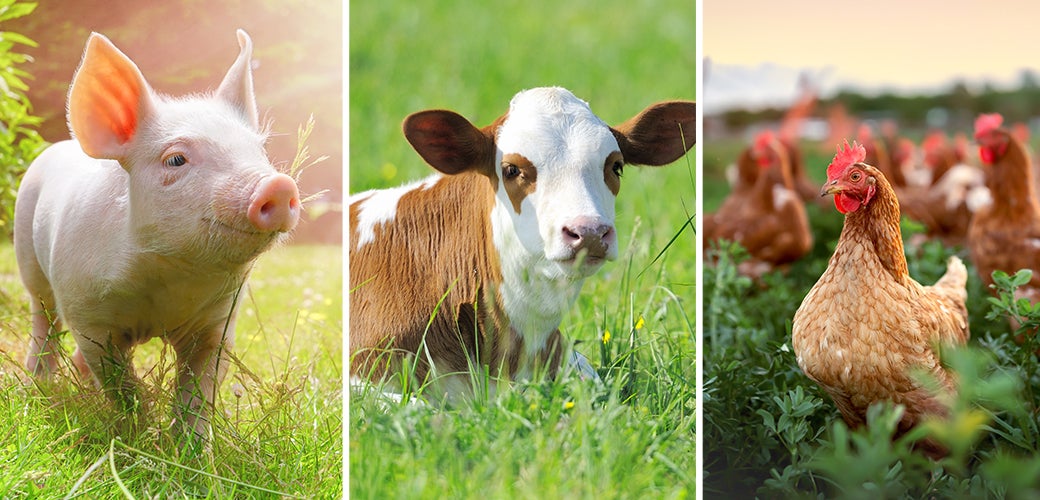
Incorporating Tea Saponin into Livestock Feed: Best Practices
To harness the full potential of tea saponin in livestock nutrition, it's essential to follow best practices for incorporation into feed formulations. Here are some key considerations:
Optimal Dosage
The appropriate dosage of tea saponin can vary depending on the livestock species, age, and specific nutritional goals. Generally, inclusion rates range from 50 to 200 parts per million (ppm) in the total feed. However, it's crucial to consult with animal nutrition experts or conduct feed trials to determine the optimal dosage for your specific livestock.
Compatibility with Other Feed Ingredients
Tea saponin is generally compatible with a wide range of feed ingredients. However, it's essential to consider potential interactions with other feed components, such as:
- Minerals: Tea saponin may enhance mineral absorption, so adjustments to mineral supplementation may be necessary.
- Proteins: The amphipathic nature of tea saponin can affect protein solubility, potentially impacting protein digestion and absorption.
- Fats: Tea saponin's emulsifying properties may influence fat digestion and absorption.
Storage and Handling
To maintain the potency and effectiveness of tea saponin in livestock feed, proper storage and handling are essential. Consider the following guidelines:
- Store tea saponin powder in a cool, dry place away from direct sunlight.
- Keep the product in airtight containers to prevent moisture absorption.
- Follow manufacturer recommendations for shelf life and expiration dates.
- Use appropriate personal protective equipment (PPE) when handling concentrated tea saponin powder.
Quality Control
Ensuring the quality and consistency of tea saponin in livestock feed is crucial for achieving optimal results. Implement a robust quality control program that includes:
- Regular testing of tea saponin content in feed formulations
- Monitoring of feed palatability and intake
- Tracking key performance indicators (KPIs) such as growth rates, feed conversion ratios, and health markers
- Periodic review and adjustment of feed formulations based on performance data

Conclusion
The incorporation of tea saponin into livestock feed represents a significant advancement in animal nutrition. By harnessing the power of this natural compound, farmers and feed manufacturers can optimize growth, improve feed efficiency, and enhance overall animal health.
As research in this field continues to evolve, we can expect to see even more innovative applications of tea saponin in livestock nutrition.
For those interested in exploring the benefits of tea saponin and other natural feed additives, HJHERB Biotechnology offers a wide range of high-quality products, including tea saponin powder and green tea extract. With over a decade of experience in producing and manufacturing natural ingredients, HJHERB is committed to providing specialized nutraceutical and functional benefits to the animal feed industry.
To learn more about incorporating tea saponin into your livestock feed formulations or to request free samples, please contact us at info@hjagrifeed.com. Our team of experts is ready to assist you in optimizing your animal nutrition strategies for improved growth and performance.
References
Cheeke, P. R. (2000). Actual and potential applications of Yucca schidigera and Quillaja saponaria saponins in human and animal nutrition. Journal of Animal Science, 78(suppl_1), 1-10.
Francis, G., Kerem, Z., Makkar, H. P., & Becker, K. (2002). The biological action of saponins in animal systems: a review. British Journal of Nutrition, 88(6), 587-605.
Guo, Y. Q., Liu, J. X., Lu, Y., Zhu, W. Y., Denman, S. E., & McSweeney, C. S. (2008). Effect of tea saponin on methanogenesis, microbial community structure and expression of mcrA gene, in cultures of rumen micro-organisms. Letters in Applied Microbiology, 47(5), 421-426.
Hu, W. L., Liu, J. X., Ye, J. A., Wu, Y. M., & Guo, Y. Q. (2005). Effect of tea saponin on rumen fermentation in vitro. Animal Feed Science and Technology, 120(3-4), 333-339.
Wang, Y., McAllister, T. A., Yanke, L. J., & Cheeke, P. R. (2000). Effect of steroidal saponin from Yucca schidigera extract on ruminal microbes. Journal of Applied Microbiology, 88(5), 887-896.