With pet parents becoming more ingredient-aware and embracing holistic health, natural products such as organic kelp powder are increasing in popularity. Yet one question persists: Is organic kelp powder safe for dogs?
The short answer? Yes - if used properly, organic kelp powder can be a mighty supplement that nourishes your dog's skin, coat, thyroid, digestion, and overall well-being. Let's learn about what kelp is, how it works, and how it helps your furry friend.

What Is Organic Kelp Powder?
Kelp is a great, leafy brown seaweed that thrives in nutrient-enriched environments in salt water, particularly shallow, coastal waters. It is a natural superfood packed with more than 60 essential nutrients, including:
- Iodine
- Calcium
- Magnesium
- Potassium
- Iron
- Zinc
- Vitamins A, B-complex, C, D, E, and K
- Amino acids
- Antioxidants
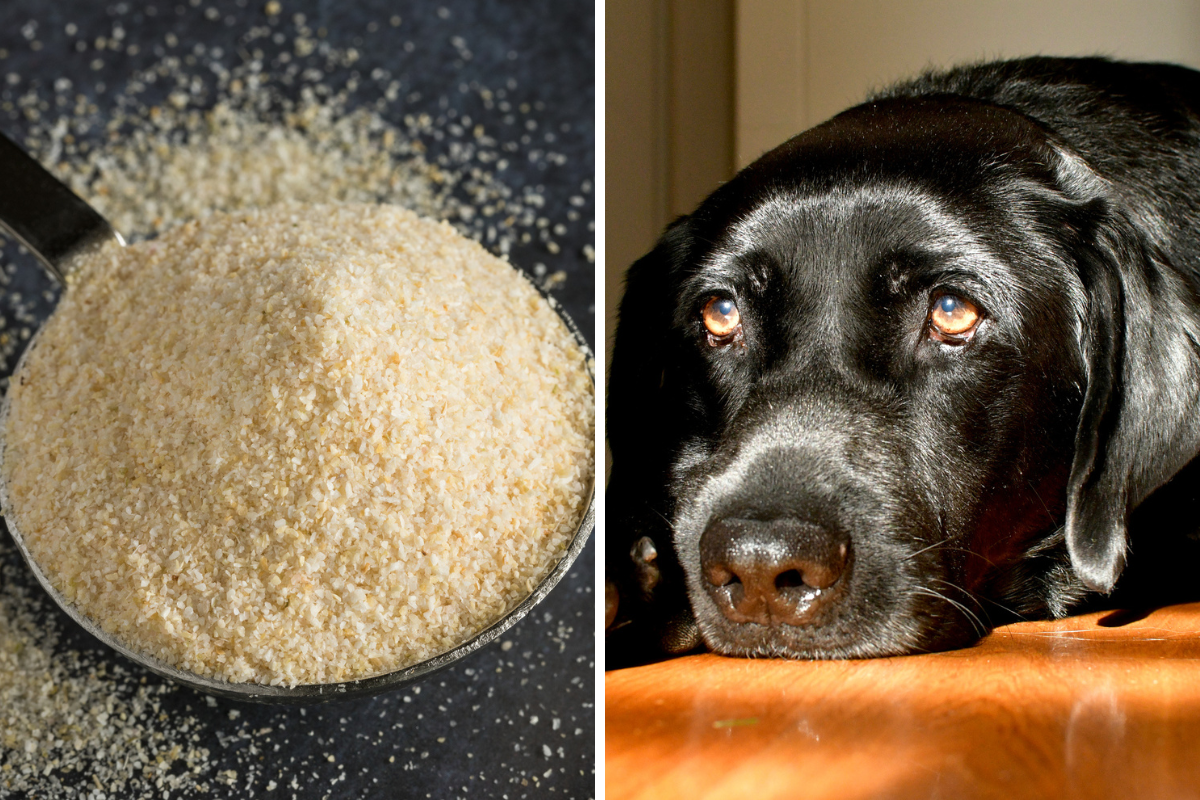
Dehydrated and powdered, kelp is now a convenient, concentrated supplement easy to add to your dog's food.
Top 6 Benefits of Organic Kelp Powder for Dogs
1. Supports Thyroid Function
One of the most famous advantages of kelp is its iodine content, which is crucial for thyroid function. The thyroid gland controls your dog's metabolism, energy, body weight, and temperature.
- For hypothyroid dogs (underactive thyroid), a moderate level of iodine from kelp can naturally stabilize hormone levels.
- But too much iodine will lead to thyroid imbalances, so dosage is important.
2. Promotes Healthy Skin and Coat
Kelp is packed with omega fatty acids, zinc, and vitamins that nourish your dog's skin and improve coat condition.
- Helps reduce itching, dryness, flakiness, and hot spots
- Supports thicker, shinier fur
- May help dogs with seasonal allergies or skin sensitivities
Some pet owners notice improvement in dermatitis and hair shedding after just a few weeks of kelp supplementation.
3. Strengthens the Immune System
Kelp contains antioxidants like vitamin C, vitamin E, and carotenoids that help neutralize harmful free radicals and support cellular health. Its immune-boosting properties can help:
- Improve resistance to infections
- Reduce inflammation
- Support faster recovery after illness or surgery
Kelp also contains fucoidan, a compound shown to have anti-inflammatory and antiviral properties.
4. Enhances Digestive Health
The natural fiber and alginates in kelp can support healthy digestion in dogs. This includes:
- Promoting regular bowel movements
- Assisting in removal of toxins and heavy metals from the digestive system
- Feeding the good bacteria of the gut for improved microbiome balance
If your dog is constipated, has loose stools, or gas, kelp may offer a gentle answer.
5. Oral Health Support
Kelp has been researched to help promote dental health in dogs. One ingredient, called Ascophyllum nodosum, present in certain kelp species, may help minimize:
- Buildup of plaque
- Tartar development
- Bad breath (halitosis)
When eaten regularly, kelp can decrease the frequency of dental cleanings needed.
6. Offers Natural Energy Boost
Due to its mineral and vitamin composition, kelp can boost energy and enhance endurance in dogs. It's especially useful for:
- Older dogs requiring metabolic support
- Working or active dogs burning more energy
- Dogs in recovery from illness or surgery

Is Organic Kelp Powder Safe for All Dogs?
Overall, organic kelp powder is generally safe for most dogs when taken in the right dosages. Nonetheless, be sure to:
- Select certified organic kelp to prevent heavy metal contamination or contamination from contaminated water sources.
- Prevent overdosing, particularly from iodine, which may result in thyroid disease if administered in excess.
- Consult with your veterinarian before introducing any new supplement - particularly if your dog has had a prior history of thyroid issues, is pregnant, or takes medication.
Symptoms of Iodine Overdose in Dogs:
- Increased thirst or urination
- Weight loss or gain
- Hyperactivity or drowsiness
- Gastrointestinal upset
Follow the dosage instructions on the product label or consult your veterinarian for individual advice.
How to Incorporate Organic Kelp Powder into Your Dog's Diet
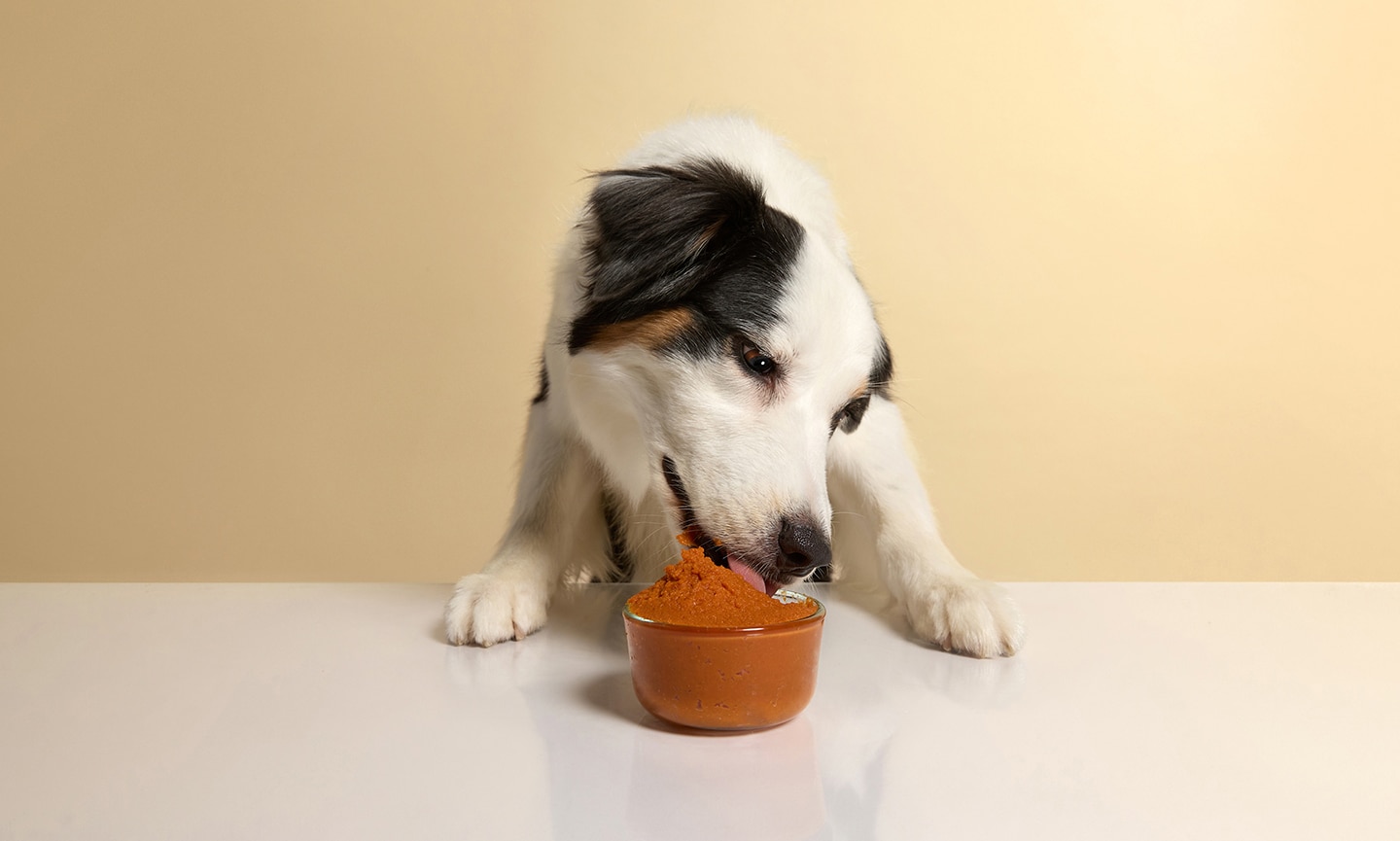
Kelp powder can be added directly to your dog's food. It has no taste or a very slight saltiness, so most dogs don't object.
General Guidelines:
- Small dogs (less than 20 lbs): 1/8 to 1/4 teaspoon daily
- Medium dogs (20-50 lbs): 1/4 to 1/2 teaspoon daily
- Large dogs (more than 50 lbs): 1/2 to 1 teaspoon daily
Always add it gradually to give your dog's digestive system time to adapt.
Selecting the Best Organic Kelp Powder for Dogs
When buying kelp powder, consider:
- Organic certification
- Heavy metal and contaminant testing
- Sustainably sourced
- Clear dosage recommendations
Some premium kelp supplements also contain other herbs, probiotics, or omega-3s for added benefits.
Conclusion: Should You Give Your Dog Organic Kelp Powder?
Yes - when used correctly, organic kelp powder is a potent natural supplement that can benefit your dog's skin, coat, digestion, immune system, and overall health. It's particularly beneficial for dogs with:
- Skin issues or allergies
- Low energy or digestive issues
- Thyroid or metabolic disorders
- Dental problems
As with everything, check with your vet before introducing any supplement to your pet's daily life, and be sure to select high-quality, sustainably sourced kelp.
A small amount of kelp can work a long way toward maintaining your pup's health and well-being - the natural way.
References:
Makkar, H.P.S., Tran, G., Heuzé, V., & Giger-Reverdin, S. (2016). Seaweeds for livestock diets: A review. Animal Feed Science and Technology, 212, 1–17.
Hou, Y., et al. (2016). Seaweed and seaweed-derived polysaccharides and their potential health benefits in pets. Frontiers in Veterinary Science, 3, 69.
Ascophyllum nodosum and Dental Health in Dogs. (2015). Journal of Nutritional Science, 4, e12.
McHugh, D.J. (2003). A Guide to the Seaweed Industry. FAO Fisheries Technical Paper No. 441. FAO of the United Nations.