


During recent years, there has been increasing demand for natural, safe, and active feed additives in the steadily developing world of animal nutrition. Farmers, feed manufacturers, and animal nutritionists are seeking sustainable alternatives to synthetic growth promoters and antibiotics-substances that have long been under scrutiny for their environmental impact and potential residue in animal products.
Attention has recently been turned to one such natural compound: Tea Seed Saponin. This active extract, taken from the seeds of the plant species Camellia oleifera or Camellia sinensis, has been gaining more interest in livestock, poultry, and aquaculture. It exhibits surfactant, antioxidant, antimicrobial, and immunomodulatory properties-all of which impart various advantages to using it within animal feed formulation.
The objective of this article is to discuss the use of tea seed saponin, its main advantages and mechanisms of action, and its role in enhancing efficient and sustainable animal production.
What Is Tea Seed Saponin?
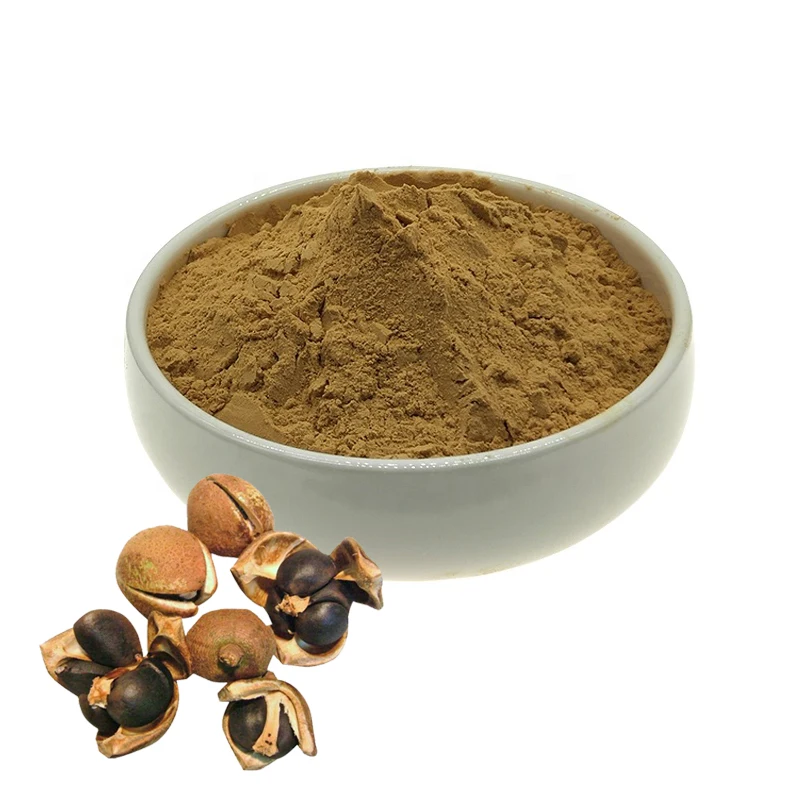
Tea seed saponin is a natural triterpenoid glycoside extracted from the seeds of Camellia species. This chemical also demonstrates good foaming and emulsifying properties due to its soapy characteristics, a reason it has been called a "saponin."
Traditionally used in aquaculture and agriculture, tea seed saponin has gained increasing popularity in animal feed for its multifunctional biological effects on improving growth performance, enhancing digestion, boosting immunity, and decreasing environmental pollutants emanating from animal waste.
When added to feed, tea seed saponin acts as:
- A natural growth promoter
- A digestive aid
- An immune booster
- A natural deodorizer that reduces ammonia emissions
- A sustainable alternative to antibiotics

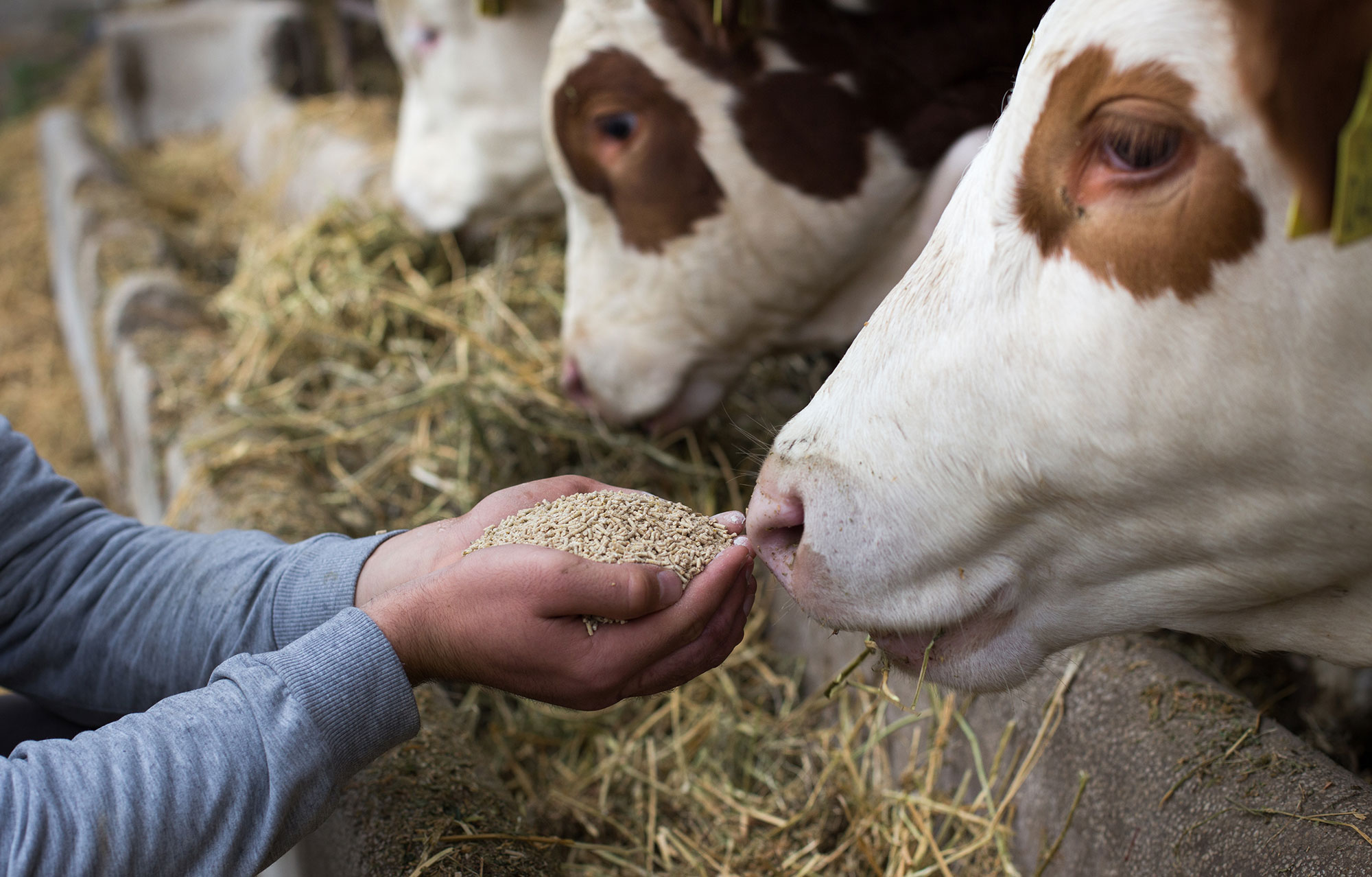
Enhances Nutrient Digestibility and Feed Efficiency
Feed efficiency-the animal's ability to convert feed into body weight-is one of the most critical economic factors in livestock and poultry production.
Tea seed saponin helps optimize feed efficiency by improving digestion and nutrient absorption. Acting as a natural surfactant, it emulsifies fats and oils in the gastrointestinal tract, making it easier for digestive enzymes to break them down.
Key Effects:
- Stimulates digestive enzyme secretion (lipase, amylase, protease)
- Enhances fat emulsification and absorption
- Improves intestinal villi height, promoting nutrient uptake
- Supports balanced gut microbiota for efficient digestion
Studies have shown that animals fed diets supplemented with tea seed saponin exhibit higher weight gain and lower feed conversion ratios (FCR) compared to those on control diets.
Supports a Healthy Gut Microbiome
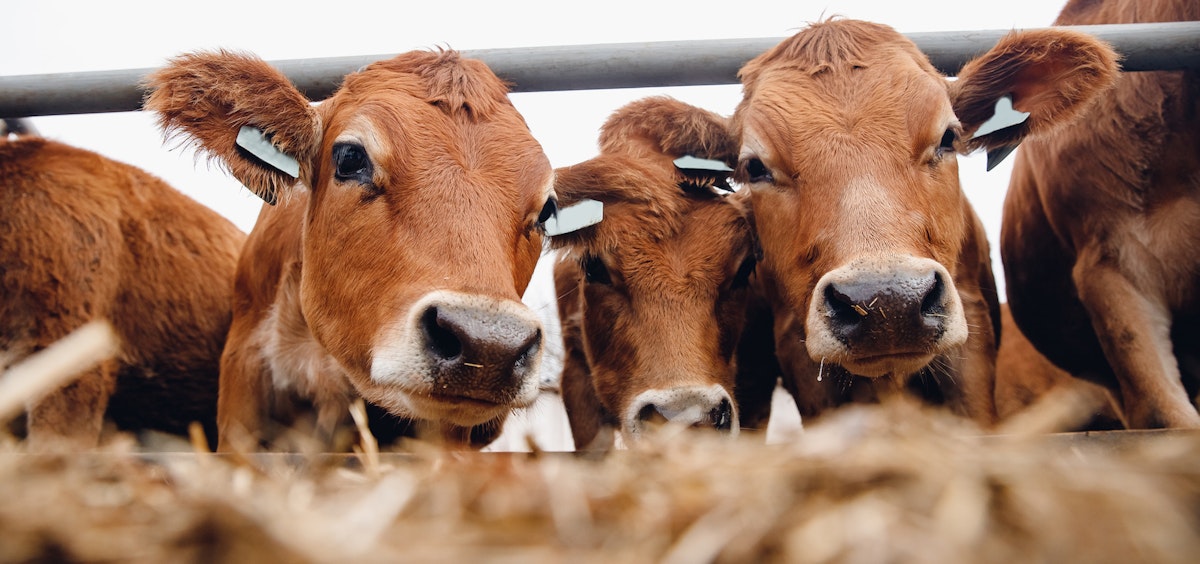
A balanced gut microbiome is essential for digestion, immunity, and overall animal health. Disruption of this balance can lead to poor feed utilization, disease, and lower productivity.
Tea seed saponin helps maintain intestinal microbial balance by suppressing harmful pathogens like E. coli and Salmonella, while promoting beneficial bacteria such as Lactobacillus and Bifidobacterium.
This leads to:
- Improved nutrient utilization
- Reduced incidence of diarrhea and enteritis
- Stronger intestinal mucosa and immune response
In poultry and swine, tea seed saponin supplementation has been linked with fewer digestive disturbances and more stable intestinal flora-critical for maintaining feed efficiency and animal welfare.
Boosts Immunity and Reduces Stress
The other value of tea seed saponin in animal nutrition is due to its immune-enhancing and anti-inflammatory properties.
Animals are subject to stress due to transport, changes in the environment, pathogens, and transition feeds. Stress depresses feed intake, impairs growth, and predisposes animals to disease.
Tea seed saponin naturally stimulates the innate and adaptive immune systems through:
- Enhancing macrophage and lymphocyte activity
- Promoting antibody production
- Reducing oxidative stress through antioxidant action
- Lowering inflammatory cytokine levels
By supporting immunity and resilience, tea seed saponin allows animals to use nutrients more efficiently for growth instead of fighting disease or stress.

Acts as a Natural Antimicrobial and Antiparasitic Agent
In the absence of antibiotic growth promoters, producers are turning to natural alternatives that can control pathogens without leaving harmful residues. Tea seed saponin has shown strong antimicrobial, antiviral, and antiparasitic activity.
It helps inhibit:
- Bacteria like Staphylococcus aureus, E. coli, and Clostridium spp.
- Fungal infections
- Protozoal parasites, such as Eimeria spp. (which cause coccidiosis in poultry)
In aquaculture, tea seed saponin is particularly valued for controlling external parasites and improving water quality by reducing surface tension and organic waste accumulation.
This antimicrobial effect improves animal health, reduces disease-related feed losses, and enhances feed conversion efficiency.

Improves Nitrogen Utilization and Reduces Ammonia Emissions
Excess nitrogen excretion from animal waste is a major environmental concern. It contributes to ammonia buildup, odor, and soil or water contamination.
Tea seed saponin has been shown to:
- Improve nitrogen retention in tissues
- Decrease nitrogen loss through feces and urine
- Reduce ammonia gas emission from manure
This makes it a natural deodorizer and eco-friendly additive in livestock and poultry operations. Healthier barns with lower ammonia levels also mean better air quality and respiratory health for animals and workers alike.
Enhances Rumen Fermentation in Ruminants
In ruminants such as cattle, sheep, and goats, tea seed saponin positively influences rumen fermentation-a key process for breaking down fibrous feed.
By selectively modulating rumen microbes, it helps:
- Reduce methane production (a potent greenhouse gas)
- Increase volatile fatty acid (VFA) production for energy
- Promote beneficial protozoa and bacteria populations
The result is better fiber digestion and feed energy utilization, leading to improved milk yield, meat quality, and overall productivity.

Benefits in Aquaculture Nutrition
In aquaculture, feed utilization and water quality play major roles in the determination of profitability in fish and shrimp farming. Tea seed saponin offers dual benefits in aquafeed:
Improves digestion and nutrient absorption
Acts as a natural cleaner of water by reducing oil film and organic residue.
It also enhances immunity and disease resistance among aquatic animals, thus assuring better survival rates and healthy yields.

Promotes Sustainable Animal Production
Sustainability is now a key driver of innovation in animal nutrition. Producers are expected to balance productivity with environmental responsibility and food safety.
Tea seed saponin aligns perfectly with this goal because it:
- Is plant-based and biodegradable
- Reduces reliance on antibiotics
- Minimizes environmental pollutants like ammonia and methane
- Improves animal health naturally
By integrating tea seed saponin into feed programs, producers can enhance profitability while contributing to cleaner, greener livestock and aquaculture systems.

Recommended Usage and Dosage
The ideal dosage depends on the animal species, production system, and feed composition. General guidelines include:
| Species | Recommended Dosage |
|---|---|
| Poultry | 100–250 mg/kg feed |
| Swine | 50–200 mg/kg feed |
| Cattle/Sheep | 200–500 mg/kg feed |
| Fish/Shrimp | 10–50 mg/kg feed |
Proper dosing is crucial, as excessive inclusion can affect feed palatability or cause mild irritation in sensitive species. Always follow the supplier's technical recommendations or consult a nutritionist.

Conclusion
Tea Seed Saponin is far more than a natural surfactant-it's a powerful, multifunctional additive that improves digestion, enhances immunity, supports microbial balance, and promotes eco-friendly livestock production.
Incorporating it into animal diets can lead to:
- Better feed conversion efficiency
- Healthier gut function
- Improved growth performance
- Reduced ammonia emissions
- Lower disease incidence
As the livestock and aquaculture industries continue to move toward natural, sustainable, and antibiotic-free nutrition, tea seed saponin stands out as a proven, plant-based solution that supports both animal health and environmental stewardship.
References
Liu, H. et al. (2021). "Effects of tea seed saponin on growth performance, intestinal health, and nutrient digestibility in broilers." Poultry Science, 100(5): 101–110.
Xu, Z. et al. (2018). "Dietary tea saponin improves nutrient digestibility and immune response in weaned pigs." Animal Feed Science and Technology, 246: 47–55.
Zhang, Y. et al. (2020). "Influence of tea seed saponin on rumen fermentation and methane emission in cattle." Animal Science Journal, 91(6): e13456.
Zhou, J. et al. (2019). "Effects of tea saponin supplementation on shrimp growth and disease resistance." Aquaculture Research, 50(2): 345–354.
Wang, C. et al. (2022). "Natural saponins as feed additives: mechanisms and potential applications." Frontiers in Veterinary Science, 9: 892735.


