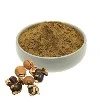
In the new era of natural pet health, green tea powder is taking its place as a subtle yet effective supplement to boost antioxidant protection in dogs and cats. Extremely well recognized for human health benefits, green tea is now offering the same benefits for pets with the correct implementation-chiefly immune guard, cell protection, and inflammation regulation.
Packed with polyphenols and other bioactive compounds, green tea powder supports pets' overall well-being by helping their bodies fight oxidative stress, maintain a healthy metabolism, and age gracefully.
In this article, we'll explore how green tea powder provides antioxidant support in pet nutrition, and how to use it safely and effectively.

What Is Green Tea Powder?
Green tea powder is manufactured by processing dried Camellia sinensis leaves. Green tea is not fermented, and as such, its high catechin content is preserved.
The most intensive and researched catechin in green tea is EGCG (epigallocatechin gallate), which has been proven to:
- Neutralize free radicals
- Be protective of DNA and cells against damage
- Modulate immune functions
- Maintain cardiovascular and metabolic wellness
When used for pets, the green tea powder is usually decaffeinated to make it safe for cats and dogs in the right amount.

Why Do Pets Require Antioxidant Support?
Pets, as well as humans, are subjected to oxidative stress by:
- Aging
- Environmental pollutants (smog, smoke, etc.)
- Infections and chronic illnesses
- Processed or imbalanced foods
- Physical and emotional stress
Oxidative stress destroys cells and tissues, which in turn leads to:
- Inflammation
- Weak immunity
- Premature aging
- Degeneration of the joints
- Cancer growth
This is where antioxidants-such as those in green tea powder-come in to save and maintain your pet's well-being.

Advantages of Green Tea Powder for Your Pet's Well-being
1. Strong Antioxidant Protection
Green tea catechins neutralize free radicals and shield your pet's cells from oxidative damage. This adds up to:
- Enhanced immune function
- Slowing down tissue and organ aging
- Stopping chronic inflammation
- Fewer degenerative illnesses
Scientific studies have proved that EGCG reduces DNA damage and lipid peroxidation in animal models.
2. Promotes Immune Function
The bioactive compounds in green tea reinforce your pet's own immunity by:
- Activating immune cells such as T-cells and natural killer cells
- Regulating inflammatory cytokines
- Providing protection against infection, allergy, and immune imbalance
This makes green tea particularly useful for elderly pets, recovery pets, or pets exposed to stress conditions.
3. Maintains Brain and Cognition Health
Green tea's anti-inflammatory and antioxidant action even reaches the brain, where it can:
- Nourish cognitive and memory function
- Shield neurons from oxidative stress
- Alleviate cognitive decline in aging animals
It's particularly worthwhile in older dogs or cats with a susceptibility to canine cognitive dysfunction (CCD) or feline dementia.
4. Supports Cardiovascular and Metabolic Health
Green tea extract has also been found to:
- Maintain healthy cholesterol and blood pressure
- Reduce triglycerides and blood vessel oxidative damage
- Improve fat metabolism and support weight control
In obese or geriatric animals, it can help support heart health and stabilize energy.
5. Oral Health Support
Green tea's natural antibacterial effect inhibits oral bacteria that cause:
- Plaque formation
- Bad breath (halitosis)
- Gum inflammation
Some pet oral medications now contain green tea extract to naturally enhance oral health.

Dosage Guide: How Much Green Tea Powder Can Animals Consume?
| Pet Size | Daily Green Tea Powder (Decaf) |
|---|---|
| Small (under 10 kg) | 1/8 – 1/4 tsp |
| Medium (10–25 kg) | 1/4 – 1/2 tsp |
| Large (25+ kg) | 1/2 – 1 tsp |
Only use decaffeinated green tea powder, which is especially safe for pets.
Green tea is poisonous to cats and dogs and thus regular green tea is not safe except when the tea has been processed properly.

How to Administer Green Tea Powder to Pets
Green tea powder is calming and can be blended well with:
- Wet or raw food
- Bone broth or goat milk
- Homemade supplement blends
For finicky eaters, blend with honey or peanut butter (moderately) and roll into soft chews.

Safety and Precautions
Green tea powder is safe in small controlled amounts but toxic when overused or combined with non-pet-safe products.
Do:
- Use decaf, food-grade powder
- Gradually introduce and watch for side effects
- Keep in the dark, cool to help keep antioxidants
Avoid If:
- Your pet has liver disease (very high doses of EGCG in some rare instances may affect liver enzymes)
- Your pet is pregnant or lactating
- You are taking high-prescription dosages of medications (check with your veterinarian first)
What to Expect When Buying a High-Grade Green Tea Powder for Pets
| Feature | Why It Matters |
|---|---|
| Decaffeinated | Prevents caffeine toxicity |
| High EGCG content | More antioxidant benefits |
| Food-grade, clean source | Free from pesticides and contaminants |
| Third-party tested | Ensures purity and potency |
| Fine, easy-to-mix powder | Better absorption and palatability |

Final Thoughts`
Green tea powder is a gentle, natural, and highly concentrated means to give your pet's antioxidant barrier a boost so they can live life to the fullest regardless of age. Immune system protection or brain function, joints or cardiovascular health, this botanical supplement can be a great complement to your pet's daily routine.
When used and selected correctly, green tea powder is a pure, non-toxic method to get your dog or cat to feel more at ease, live longer, and grow old with vitality.
References
Cabrera, C., Artacho, R., & Giménez, R. (2006). Beneficial effects of green tea-A review. Journal of the American College of Nutrition, 25(2), 79–99.
Henning, S. M., et al. (2011). Bioavailability and antioxidant activity of tea flavanols after consumption of green tea by dogs. Journal of Agricultural and Food Chemistry, 59(18), 10750–10757.
Nakagawa, T., Yokozawa, T. (2002). Direct scavenging of nitric oxide and superoxide by green tea. Food and Chemical Toxicology, 40(12), 1745–1750.