


Of all natural pet supplements, curcumin extract powder-the active yellow substance present in turmeric-is a number one favorite due to its enormous health benefits. Utilized in Ayurvedic and conventional medicine for millennia, curcumin is now being supplemented into canine food as a natural way of exciting joints, immunity, digestion, and beyond.
But what is bulk curcumin extract powder, and how can it naturally enhance your dog's health?
Let's get into the science-backed advantages of curcumin in dogs and why additional pet owners and makers are using this plant-based superfood.
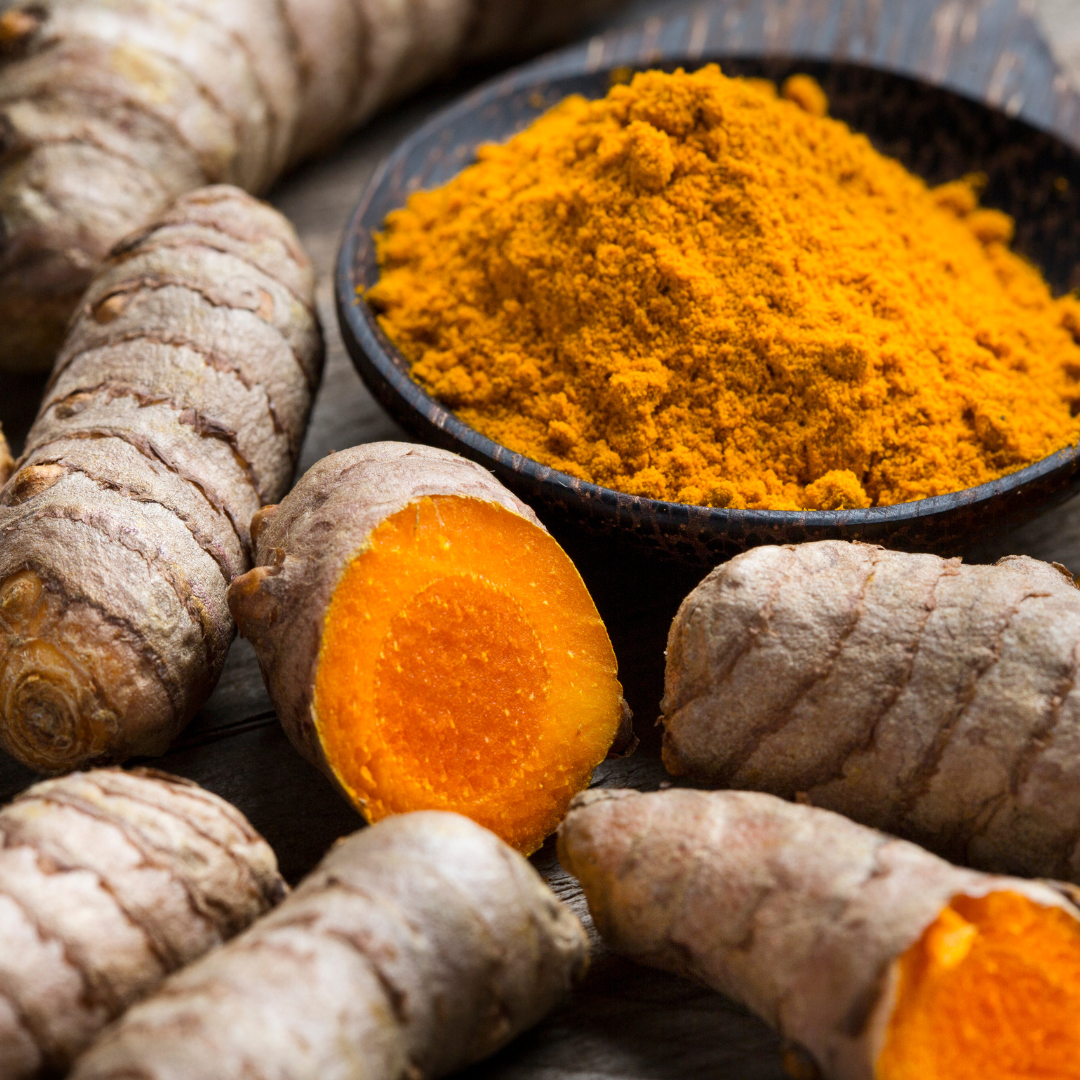
What Is Bulk Curcumin Extract Powder
Curcumin is the primary bioactive of turmeric (Curcuma longa) and is due to the yellow pigmentation and medicinal activity of turmeric. Bulk curcumin extract powder is high concentration curcumin (usually 95% pure in bulk) from turmeric root sold as powder that is fit for bulk uses.
Unlike raw turmeric containing as low as 2–5% curcumin content, extract powder provides a strong and predictable dosage that is perfect for inclusion in the production of pet food, supplements, or homemade pet treats.
Major Health Advantages of Curcumin Extract Powder for Canines
1. Powerful Natural Anti-Inflammatory
- Curcumin is also known to have an anti-inflammatory quality. Curcumin suppresses pro-inflammatory enzymes like COX-2 and NF-kB, which are the major contributors to chronic inflammation.
- For dogs, curcumin can help with:
- Arthritis and joint discomfort
- Hip dysplasia
- Inflammation caused by injury
- Inflammatory diseases like IBD
Studies show curcumin is as potent as NSAIDs-without the side effects.
2. Supports Joint Health and Mobility
Stiffness and cartilage loss in the joints increase with age. Curcumin keeps joint tissues healthy by:
- Mitigating oxidative stress
- Slowing the breakdown of cartilage
- Encouraging improved mobility and comfort
Along with glucosamine, chondroitin, or MSM, curcumin supplements complement overall canine joint maintenance therapies in elderly or active animals.
3. Immune Function Boost
Curcumin is an immunomodulant, meaning that it will activate immune defense when necessary or inhibit it when overactive. This works to the advantage of dogs:
- Combat infections and viruses
- Recover from illness more quickly
- Lessen symptoms of allergies and autoimmune disease
It's an antioxidant and neutralizes free radicals that kill off healthy cells.
4. Supports Digestive Health
Curcumin has been used historically to soothe the digestive tract. In canines, it might help soothe:
- Inflammatory Bowel Disease (IBD)
- Leaky gut syndrome
- Gas, bloating, and indigestion
Because it reduces inflammation in the lining of the gut, it's especially good for sensitive tummies or food intolerance.
5. Fight Oxidative Stress and Aging
As a potent antioxidant, curcumin safeguards your dog's body against oxidative stress, the leading cause of aging and chronic diseases. This encompasses shielding:
- Brain cells (can avoid cognitive decline)
- Heart and blood vessels (avoids heart disease and stroke)
- Skin and coat health
Antioxidants like curcumin promote energy over a long term and allow your dog to age vibrantly and healthily.

Normal Dosage Guidelines for Dogs
Dosage of curcumin depends on your dog's weight, age, and overall health.
| Dog Size | Daily Curcumin Dose |
|---|---|
| Small (<10 kg) | 100–200 mg |
| Medium (10–25 kg) | 200–400 mg |
| Large (25–40 kg) | 400–600 mg |
| Extra-Large (40+ kg) | 600–800 mg |
Begin with low doses and step up gradually. Curcumin needs to be consumed with healthy fat (e.g., fish oil) or black pepper extract (piperine) to enhance absorption.
How to Mix Bulk Curcumin Extract Powder with Dog Foods
Bulk curcumin extract powder can be incorporated into:
- Home-prepared meals
- Wet food recipes
- Bone broth
- Pet treats or biscuits
- DIY supplement mixes
Sample recipe idea:
Combine 1/4 tsp curcumin powder with coconut oil and a pinch of black pepper. Add to food or freeze in pup-safe shapes for yummy golden "turmeric bites."

Is Curcumin Safe For Dogs?
Yes, curcumin is generally safe and well-tolerated when administered in correct dosing by dogs.
Safe For:
- Adult and senior dogs
- Dogs with arthritis, allergies, or inflammation
- Immune-compromised canine
Be Cautious If:
- Your dog is on blood thinners or liver problems
- Your pet is pregnant or lactating
Used in large quantities, curcumin can lead to stomach discomfort or loose stools
Talk to your veterinarian at all times prior to administering curcumin or any supplement to your dog, especially if they are medicated.

Choosing the Best Bulk Curcumin Extract Powder
Look for the following in a high-quality curcumin powder for dogs:
| Feature | Why It Matters |
|---|---|
| Standardized to 95% curcuminoids | Ensures potency and consistency |
| Non-GMO and solvent-free | Purity and safety |
| Third-party tested | Free from heavy metals, mold, or additives |
| Fine, easy-to-mix powder | Better integration into pet food |
Buying in bulk is cost-effective for pet food businesses, supplement manufacturers, and even households with multiple pets.
:max_bytes(150000):strip_icc()/Turmeric-5695680aef1749ed902641d98247f87b.jpg?size=604x0 "Curcumin Extract Powder manufacturer")
Final Thoughts
Bulk curcumin powder extract is a science-backed, all-natural supplement that offers dogs genuine benefits to joint health, immunity, digestive health, and aging. Whether you're managing your pet's arthritis or just wanting to maintain a preventative regimen, curcumin is a gentle, safe way of achieving long-term wellness-without the artificial chemicals.
Including curcumin in your dog's routine may be the healthiest, most natural thing you can do for them.
References
Aggarwal, B. B., & Harikumar, K. B. (2009). Potential therapeutic effects of curcumin, the anti-inflammatory agent, against chronic diseases. International Journal of Biochemistry & Cell Biology, 41(1), 40–59.
Chandrasekar, T. et al. (2014). Curcumin: A Natural Anti-Inflammatory Agent in Canine Osteoarthritis. Veterinary Medicine International.
Yu, J. et al. (2019). Role of Curcumin in Gut Microbiota and Inflammatory Bowel Disease. Frontiers in Pharmacology, 10, 1371.


