


In modern agriculture, the demand for natural, sustainable, and highly effective plant growth solutions has never been greater. Farmers and growers worldwide are looking for alternatives to harsh chemicals-products that support plant strength, stress tolerance, and productivity without damaging the environment.
This is where Policosanol, especially its most active component Octacosanol, is gaining tremendous attention. Once known mainly as a supplement for human health and endurance, Policosanol is now being widely adopted in agriculture as a plant growth enhancer and natural strength booster.
But what exactly does Policosanol do for plants? How does it help crops grow stronger, healthier, and more resilient? And why are farmers adding it to their nutrient programs?
This long-form guide dives deep into the science, benefits, application methods, and real-world advantages of using Policosanol (Octacosanol) to produce healthier, more vigorous plants.
What Is Policosanol (Octacosanol)?
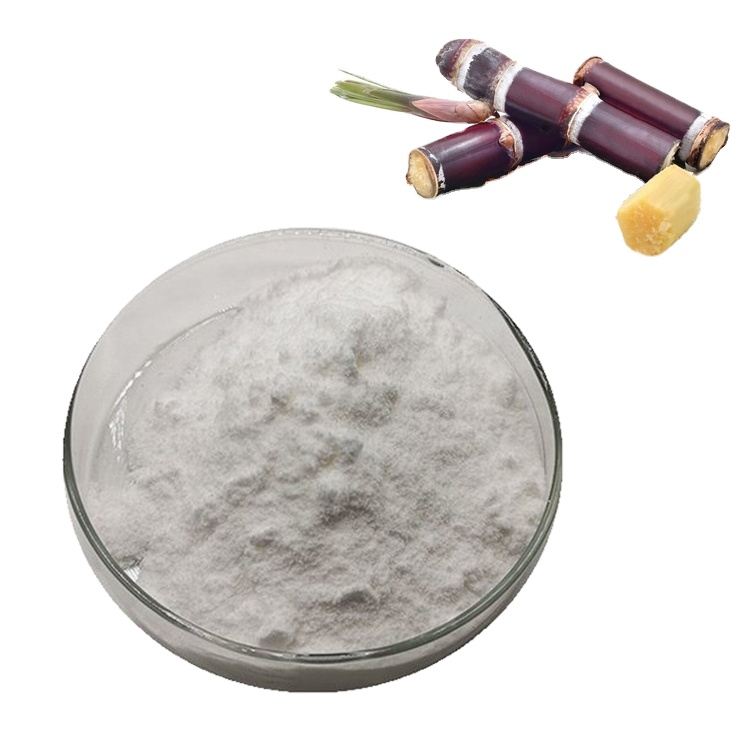
Policosanol is a natural mixture of long-chain fatty alcohols derived from:
- Sugarcane wax
- Rice bran
- Wheat germ
- Beeswax
Among these, Octacosanol (C28) is the most biologically active and beneficial to plants.
In nature, these fatty alcohols are part of the cuticular wax, a protective layer that covers leaves, stems, fruits, and grains. This wax layer acts as the first shield against:
- Heat
- Drought
- Pests
- Fungal and bacterial pathogens
- Pollution
- Moisture Loss
Supplementing Policosanol externally helps boost this natural protective system, giving plants a stronger start and better long-term performance.
How Policosanol Helps Plants Become Stronger and Healthier
Policosanol enhances plant growth in several ways-physically, biochemically, and physiologically.
Let's break down the major benefits.
1. Thickens the Natural Wax Coating of the Plant
The cuticular wax is essential for plant survival, especially in tough climates.
Adding Policossanol helps:
- Increase wax thickness
- Improve leaf surface smoothness
- Reduce transpiration-loss of moisture
- Create a barrier against pathogens.
- minimize mechanical or UV damage
A stronger cuticle means plants stay hydrated, protected, and resilient even under harsh weather.
2. Drought, Salinity and Heat Stress Tolerance
One of the biggest advantages of Octacosanol is its action against environmental stress-the number-one cause of yield loss.
Research has shown that Policosanol helps plants in the following ways:
- Maintenance of water balance under drought conditions
- Regulate stomatal openings to reduce transpiration
- Produce antioxidants which act against heat stress
- Saline or poor nutrition soils conditions tolerant
- Recover faster from periods of stress
Plants treated with Policosanol remain greener and more vigorous, even under extreme conditions.
3. Improved plant metabolism and energy utilization.
Policosanol is known to stimulate ATP (energy) production and improve cellular respiration in living organisms. Similar benefits occur in plants:
- Higher energy availability for growth
- Faster nutrient uptake
- Improved root activity
- Quicker recovery from transplanting
This promotes better growth of crops, improvement in vigor, and structure.
4. It increases root growth and nutrient uptake.
Healthy roots mean healthy plants.
Policosanol helps in:
- Increase root mass
- Enhancing root sensitivity for nutrient absorption
- Improve nitrogen, phosphorus, and potassium uptake efficiency
- Improve the interaction with soil microbes.
The result? Stronger plants with deeper anchorage and better access to nutrients and water.
5. Promotes Flowering, Pollination and Fruit Set
Farmers report noticeable improvements in reproductive growth when using Policosanol:
- More flower buds
- Reduced flower drop
- Stronger pollen formation
- Higher fruit set percentage
- Improved size and uniformity of fruits
This makes it particularly effective for:
- Tomatoes
- Peppers
- Cucumbers
- Grapes
- Mango
- Citrus
- Berries
A boost during flowering will help greatly in improving yield.
Improves Body Resistance to Diseases
While Policosanol is not a pesticide, it helps plants strengthen their internal defense systems:
- Triggers defense enzymes
- Stimulates the production of protective compounds, including phytoalexins.
- Improve the resistance against fungal and bacterial infections.
- Reduces the softness of the leaves, making feeding difficult for pests.
- Healthier plants are naturally better at resisting diseases.
Which plants benefit most from policosanol?
Highly adaptable, policosanol can be fitting for a wide variety of crops, including:
Vegetables
Tomato, pepper, onion, cucumber, eggplant-for growth, flowering, and fruit quality.
Fruit Trees
Mango, Banana, Citrus Papaya, Grapes- for stress tolerance and fruit set.
Cereals: Rice, Corn, Wheat and Other Grains
Better rooting, stronger stems, improved hardiness.
Industrial and Ornamental Plants
Tobacco, sugarcane, cotton, ornamentals, herbs-for general vigor and foliage toughness.

How to Take Policosanol for Maximum Efficacy
1. Foliar Application
This is the most common approach.
- Dosage: 20–50 mg/L, depending on crop variety
- Frequency: Every 10–15 days
- Best Time: Morning or late afternoon
Foliar spraying supports leaf strength, growth stimulation, and stress resistance.
2. Seed Treatment
Improves germination and early vigor.
- Dosage: 5–10 mg/L soaking solution
- Duration: 6–12 hours
Its result is a robust, even seedling.
3. Soil or Drip Application
It supports the improvement of root vigor and nutrient uptake.
- Dose: Very low concentrations depending on the system
- Frequency: Every 20–30 days
Useful in vegetable and fruit orchards.
Why Farmers Love Policosanol
Natural and plant-based
Natural, environmentally friendly alternative to synthetic growth promoters.
SAFE FOR WORKERS, CONSUMER, AND THE ENVIRONMENT
No harmful residuals or toxicity issues.
Works at very low dosages.
Economical and effective.
It enhances growth and protection for plants.
Enabling a number of functions to be supported simultaneously. Suitable for organic farming Biodegradable and environmentally safe.

Conclusion:
Policosanol Assists in Building Stronger and Resilient Plants Policosanol (Octacosanol) is more than just a growth enhancer-it's a powerful natural tool for strengthening plants from the inside out. By reinforcing the plant's protective layers, improving stress tolerance, stimulating energy production, and supporting stronger roots and flowering, Policosanol contributes to healthier, more productive crops. As climate pressures continue to rise and farmers move toward sustainable solutions, ingredients like Policosanol offer a promising way to improve plant performance-naturally and safely.


