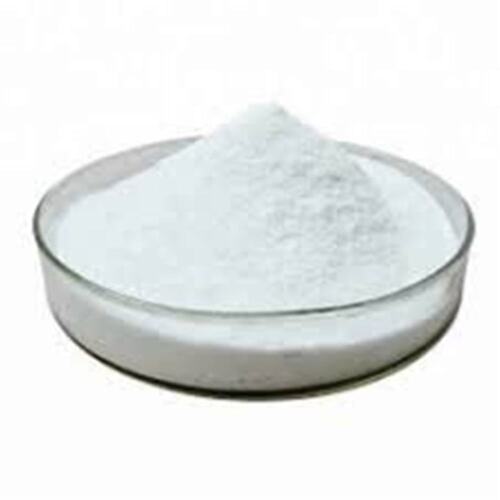
Policosanol-especially its most active component, Octacosanol-is rapidly emerging as one of the most promising natural ingredients in sustainable agriculture. Traditionally recognized for its use in human health, this long-chain fatty alcohol is now proving valuable in crop protection, stress tolerance, and plant vitality.
As growers shift toward more eco-friendly farming methods, compounds like Policosanol offer a clean, non-toxic, plant-derived alternative to conventional pesticides and chemical protectants. This article explains how Policosanol protects plants, how it works in the field, and why farmers are starting to integrate it into modern crop management programs.
What Is Policosanol (Octacosanol)?
Policosanol is a mixture of long-chain aliphatic alcohols commonly extracted from:
- Sugarcane wax
- Wheat germ
- Rice bran
- Beeswax
Among these components, Octacosanol (C28) is the most biologically active. In plants, these fatty alcohols are naturally present in the cuticular wax layer, which covers leaves, stems, and fruits. This wax layer is the plant's first line of defense, protecting it against:
- Water loss
- Pathogens
- Insect bites
- Sunlight and heat
- Dust and mechanical damage
By supporting this natural layer, Policosanol works as a booster to plant immunity and protection mechanisms.
How Policosanol Supports Plant Protection
Policosanol plays multiple roles in enhancing plant resistance. Its effects are both physical-strengthening plant surfaces-and biochemical-activating internal defense pathways.
1. hardens the leaf's wax layer
This forms a cuticular wax layer essential for plant survival. Policosanol helps:
- Increase wax deposition
- Improve smoothness and thickness of the protective layer
- Reduce water loss through transpiration
- Block or retard the entry of pathogens
A stronger cuticle means higher tolerance to moisture stress and significantly lower vulnerability to fungal and bacterial infections.
2. Improves Heat Tolerance, Drought, and Salinity
One of the most valuable benefits of Octacosanol is its ability to support abiotic stress tolerance-the biggest cause of yield loss worldwide.
Research and field reports confirm that policosanol can contribute to the following in plants:
- Regulate stomatal openings for better water management
- Retain moisture during dry or hot periods
- Reduce high temperatures' oxidative stress.
- Conserve vigour in salty or poorly fertile soils
This makes it especially useful for crops grown in regions facing climate change challenges.
3. Triggers the Plant's Natural Immune System
Plants possess built-in immune pathways that activate when pathogens attempt to invade. Policosanol enhances this natural defense by helping plants produce:
- Defense enzymes
- antimicrobial compounds such as phytoalexins
- Reactive oxygen species (ROS) regulators
This "priming effect" prepares plants to respond more quickly when attacked, reducing the need for frequent chemical fungicide applications.
4. Supports Protection Against Insects
While Policosanol itself is not an insecticide, its protective effects indirectly reduce pest damage:
- A thicker layer of wax makes leaves more difficult for insects to chew.
- The stronger epidermal cells discourage sucking insects.
- Healthier plants recover faster from pest damage
Growers often observe lower infestation levels when Policosanol is included in routine plant care.
5. Enhanced Seedling Strength and Early Growth
The early growth phase is the most vulnerable period of a plant's life. Octacosanol promotes healthier seedlings by:
- Stimulating early root development
- Improving nutrient absorption and assimilation
- Strengthening seedling stems and leaves
- Improves the survival rate during transplanting.
This results in uniform, vigorous seedlings with greater robustness.
Additional Benefits for Crop Performance
Beyond plant protection, growers also choose Policosanol for its growth-enhancing effects:
Improved photosynthesis
Plants manufacture more chlorophyll, ensuring better energy production.
More root biomass
Larger root systems allow better nutrient uptake and stress recovery.
Improved flower and fruit quality
Policosa¬ol supports plant reproductive stages.
Compatibly existent with sustainable agriculture
It is natural, biodegradable, and safe for workers and the environment.

How to Use Policosanol in Agriculture
The employment of policosanol can be done in various ways depending on the crop and farming system.
1. Foliar Spray (Most Common)
- This method maximizes plant absorption.
- Typical dosage: 20–50 mg/L
- Application Frequency: Once every 10–15 days during high stress or growth stages
- Best time of application: Early morning or late afternoon
Foliar spraying helps strengthen leaves quickly and improves immediate stress resistance.
2. Seed Treatment
- Suitable for vegetables, grains, and fruit crops.
- Dose: 5–10 mg/L soaking solution
- Soaking time: 6–12 hrs
It improves germination uniformity and early plant vigor.
3. Combined With Fertilizers or Biostimulants
Policosanol works well combined with the following:
- Seaweed extracts
- Amino acid fertilizers
- Humic and fulvic acids
- Microbial inoculants
Together, these enhance overall plant energy, immunity, and nutrient efficiency.

Which Crops Benefit Most from Policosanol?
Vegetables
Tomato, pepper, cucumber, lettuce-better leaf quality and stress tolerance.
Fruit Trees
Mango, banana, citrus, grapes-improved flowering and stronger disease resistance.
Rice, Corn, and Grains
Stronger stems, more uniform growth, better heat resilience.
Industrial Crops
Tobacco, sugarcane, cotton-improved leaf strength and better growth under stress.
Ornamental Plants and Herbs
More vibrant leaves and reduced pest impact.

Why Farmers Are Adopting Policosanol
Farmers prefer Policosanol because it is:
- Natural and plant-based
- Safe and residue-free
- Effective even at low dosages
- Easy to apply
- Suitable for organic and sustainable farming
- Cost-efficient compared to synthetic protectants
As the demand for chemical-free produce continues to grow, Policosanol provides an excellent option for protecting crops without compromising environmental safety.

Conclusion:
A Natural Solution for Plant Protection and Resilience Policosanol (Octacosanol) is proving to be a valuable tool for modern farming. Its ability to strengthen plant surfaces, improve stress tolerance, and enhance natural immunity makes it a powerful asset for protecting crops in a sustainable way. Whether used for vegetables, fruits, grains, or ornamentals, Policosanol helps farmers grow healthier, stronger, and more resilient plants with fewer synthetic inputs.