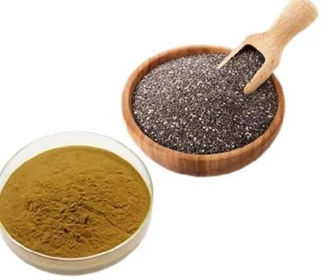
The challenges before agriculture in the modern day are greater than ever. Farmers face unpredictable weather, depleted soil quality, increasingly resistant pests, and the pressure to reduce chemical use while improving yields. As growers shift toward more sustainable solutions, natural plant enhancers like Policosanol-especially its active component Octacosanol-become powerful tools for modern crop management.
While mostly known in previous years for its benefits in human health and endurance, Policosanol is now recognized as a bioactive molecule supporting plant growth, boosting stress tolerance, and improving crop resilience. Whether vegetables, orchard crops, grains, ornamentals, or industrial crops, Policosanol proves effective at low applied concentrations.
The present comprehensive blog explains how Policosanol works, why it improves plant vigor, and helps crops survive the stress conditions that normally reduce yields.
What is policosanol, and why is it important to plants?
Policosanol is a natural mixture of long-chain fatty alcohols from the waxy coatings of plants. The most common policosanols are derived from:
- Sugarcane wax
- Rice bran
- Wheat germ
- Beeswax
Of its components, octacosanol (C28) has the highest level of biological activity.
In plants, these long-chain alcohols occur naturally in the cuticular wax-the protective, water-repelling layer on leaves, fruits, and stems. The cuticle is very important in protecting plants against:
- Water loss
- Pathogen Penetration
- UV damage
- Heat Stress
- Pests
Physical abrasions
By externally supplementing Policosanol, growers are able to enhance the strength and efficiency of such a natural protection system. Hence, plants grow better and resist environmental stresses.

How Policosanol Helps in the Growth and Development of Plants
Policosanol acts through both physical and biological pathways. It does not merely protect, but it triggers the core functions of plants and energy processes.
1. Enhances Leaf and Stem Strength by Improving the Cuticular Wax Layer
Plants covered with a thicker, smoother layer of wax have:
- Reduced transpiration-the water loss
- Better moisture balance
- Cleaner leaf surfaces
- Less vulnerable to spores from fungi
- Stronger protection against sunlight and heat
A stronger cuticle directly equates to stronger growth, particularly in hot, dry, or windy conditions.
2. Stimulates Photosynthesis and Energy Production
Plants generate energy through the process of photosynthesis, and PRL stimulates:
- Chlorophyll production
- Stomatal efficiency
- CO₂ assimilation
- ATP-energy production within plant cells
This allows the plants to:
- Grow faster
- Produce larger, greener leaves
- Accumulate more biomass
- Produce high-quality fruits and vegetables
Crops treated with Octacosanol often exhibit more vibrant color and vigorous leaf development due to improved energy generation.
3. Improves Root Development
Healthy roots are crucial for the very existence and growth of any plant. Policosanol enhances:
- More lateral roots
- More vigorous growth of the tap root
- More efficient nutrient uptake
- Better root hair expansion
It enables plants with a better-developed root system to absorb water and minerals from the soil much more efficiently, especially under unfavorable conditions.
This leads to:
- Reduced transplant shock
- Improves drought tolerance
- More rapid recovery from pruning or stress
- Higher biomass accumulation
4. Enhances Efficiency in Nutrient Use
Policosanol helps plants utilize nutrients more effectively by:
- Stimulating transport proteins
- Supporting enzymatic activity
- Improved nitrogen metabolism
- Improving micronutrient absorption
By enhancing plant nutrient use efficiency, Policosanol allows plants to grow satisfactorily even in low-fertility soils or under reduced fertilizer application.
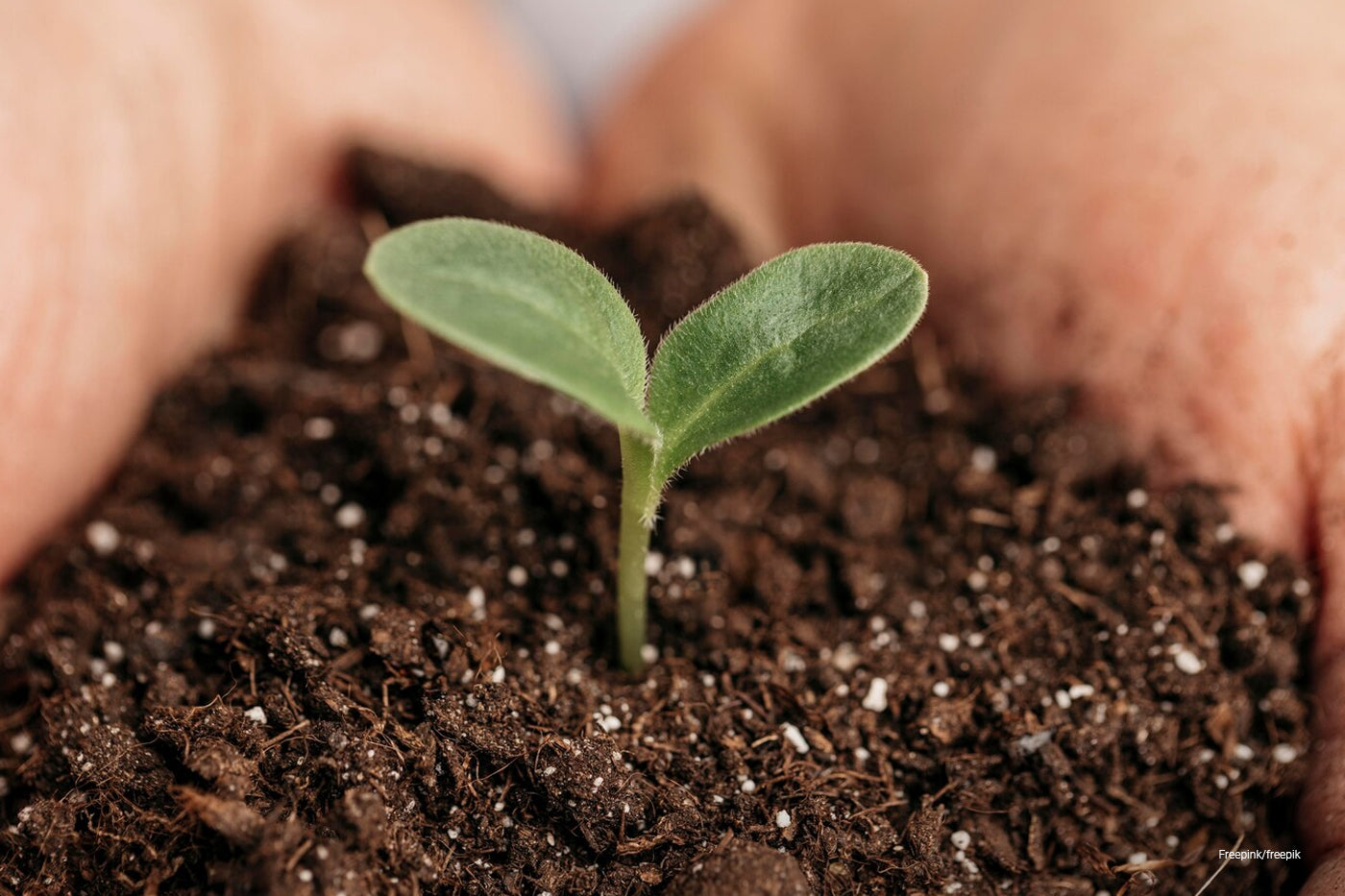
Policosanol Improves Stress Tolerance
One of the major threats to crops, indeed, is stress: heat, drought, salinity, poor soil, heavy rain, and diseases.
Policosanol provides natural, unique protection against many of these stresses.
1. Drought Tolerance Improved
Policosanol enhances the resistance of the leaf cuticle to excessive water loss. Under drought conditions, plants treated with Policosanol:
- Retain moisture longer
- Keep the stomata more controlled
- Maintain turgor pressure (firmness)
- Continue to grow in low water conditions.
That makes this crop ideally suitable for areas with scattered rainfall or high temperatures.
2. Protects against heat stress
High temperatures can damage cell membranes and reduce growth. Policosanol helps plants:
- Produce natural protective compounds
- Stabilize leaf surface lipids
- Reduce heat-induced oxidative damage
- Keep leaves greener and healthier during hot weather
Plants stay active rather than shutting down during hot spells.
3. Enhances Salinity Tolerance
Salt stress affects millions of hectares of farmland. Policosanol helps by:
- Supporting better water uptake in saline soils
- Limiting ion toxicity
- Protection of root membranes from damage
- Improving osmotic regulation
Treatment of plants with Policosanol results in better growth of plants grown in salty or alkaline environments.
4. Enhances Plant Resistance to Diseases
While Policosanol is not a pesticide, it enhances intrinsic defense mechanisms:
- Increased production of defensive enzymes
- Stronger cell wall integrity
- Faster plant responses to pathogen attacks
- Better resistance against fungi, bacteria, and viruses
Healthier plants fight disease more effectively, naturally.
5. Assists Plants to Withstand Mechanical Stress and Wind
A stronger cuticular wax layer and the cell structure lead to improved:
- Wind damage
- Physical abrasions
- Tearing of leaves
- Bending of stem
This is particularly important in:
- Greenhouse crops
- Tall fruit trees
- Ornamentals
- Field vegetables
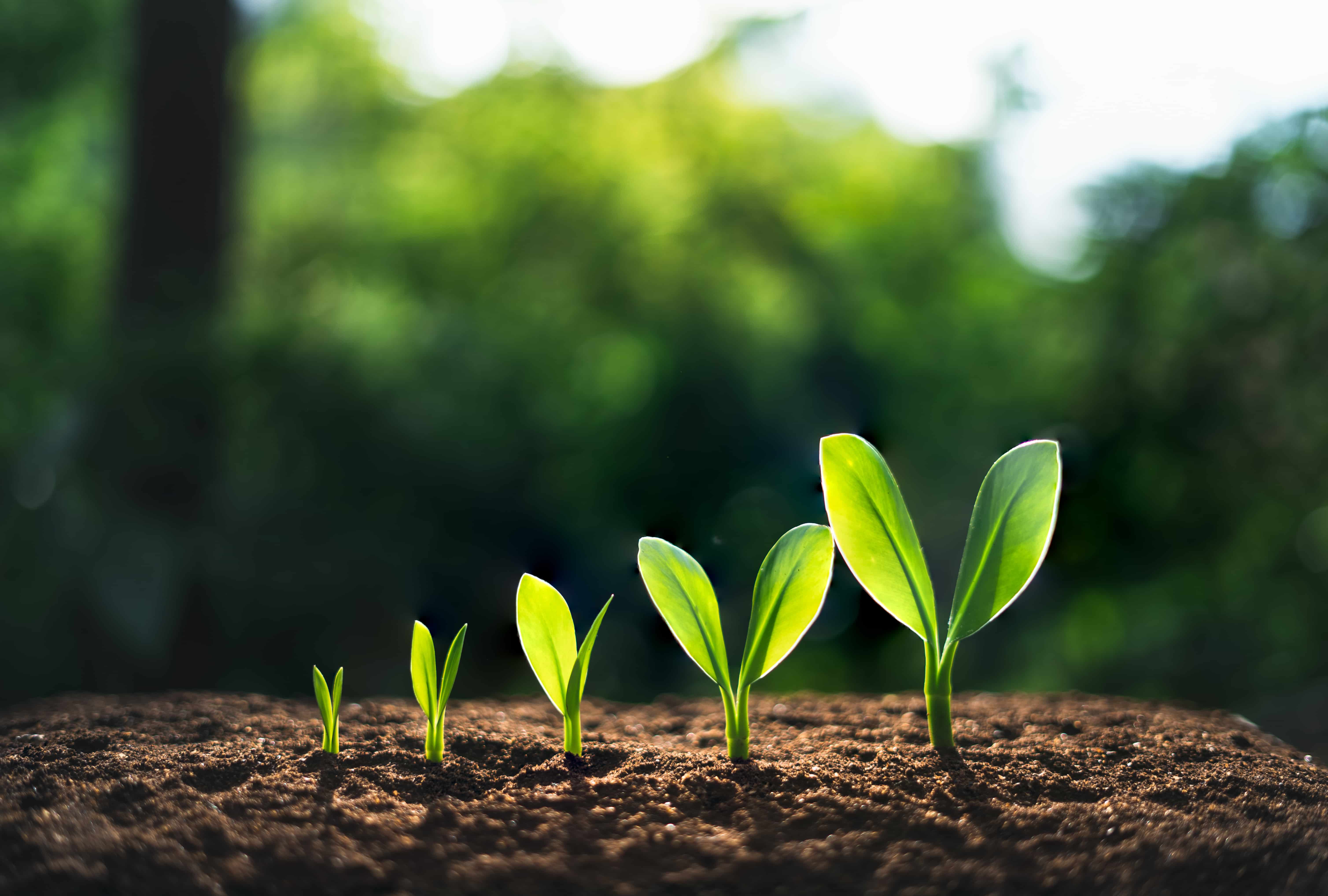
Real-World Benefits: What Farmers Observe
Growers who use Policosanol report noticeable improvements, which include:
- Faster establishment of seedlings
- Better plant-size uniformity
- More vigorous growth during the vegetative stage
- Reduced leaf burning
- Improved flowering and more fruits setting
- Stronger stems and branches
Better recovery after stress related to heat, water shortage, and storms
Over time, these advantages come together to increase the general yield and improve crop quality.

How to Take Policosanol
1. Foliar Spray (Most recommended)
- Dose Rate: 20–50 mg/L
- Frequency: every 10–15 days
- Time: Morning or late afternoon
2. Seed Soaking
- Dosage rate: 5–10 mg/L
- Soaking: 6–12 hours
Improves germination and early vigor.
3. Drip Irrigation / Soil Application
Supports root growth and nutrient uptake.
4. Mixing with Fertilizers or Biostimulants
Compatible with:
- Seaweed extract
- Amino acids
- Humic/fulvic acids
- Microbial fertilizers

Why Policosanol Is Ideal for Sustainable Farming
Policosanol is:
- Natural and plant-based
- Non-toxic and with no residues
- Effective at low dosages
- Safe for workers and the environment
Suitable for organic growing systems It is how farmers will have to improve crops more and more, without using severe chemicals.
Conclusion:
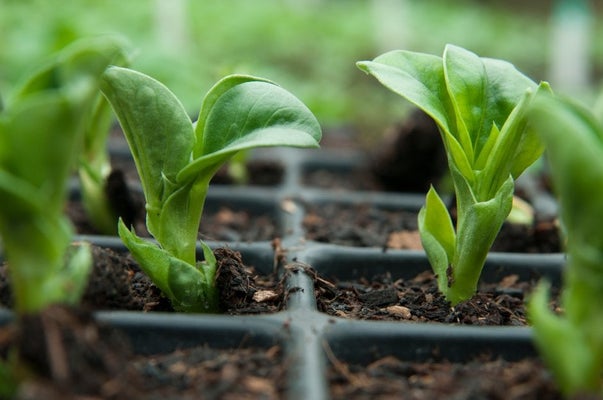
Policosanol Assists Plants to Grow Stronger, Healthier, and More Resilient Policosanol is an octacosanol natural promoter for elevated plant growth and stress tolerance by improving the wax layer, enhancing root and leaf development, increasing energy processes, and improving plants' natural immunity against harsh conditions. With increasing climate variability and the need for growers to switch to sustainable farming practices, Policosanol effectively and ecologically offers scientifically backed support for the healthy growth and development of crops.