As the global animal feed industry is shifting towards greater efficiencies, lower costs, and more sustainable production methods, there is greater interest in functional animal feed additives that have a performance-enhancing effect without resorting to antibiotics or synthetic growth promoters. Amongst these, a new addition that is finding acceptance is Policosanol or Triacontanol, known to increase feed efficiency, assist metabolic functions, or simply boost animal productivity.
Historically recognized for its use in plant growth regulation, Policosanol and its highly active form, Triacontanol, were found to be significantly beneficial in animals. Adding this to animal feed in minute quantities led to increased nutrient utilization efficiency, stress resistance, and energy conservation in various animals.
The following article delves into the benefits and uses of using Policosanol, also known as Triacontanol, in animal feed and how this substance works and can be beneficial in animal feed.
What Is Policosanol (Triacontanol)
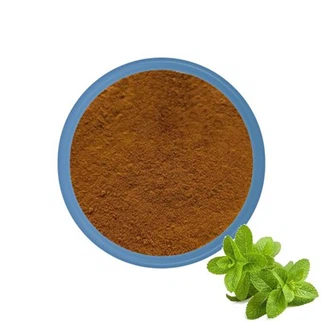
Policosanol is a natural compound composed of long-chain aliphatic alcohols, derived from plant waxes including:
- Sugarcane wax
- Rice bran wax
- Wheat Germ
Out of these compounds, Triacontanol (C30) possesses maximum biological activity as it accounts for most of the physiological effects of Policosanol.
Important traits for use as fish feed are:
- Derived from plants, naturally occurring
- Reliable in micro-dosage levels
- Non-toxic and residue-free
- Non-antibiotic and
- Suitable for modern feeds processing
Since it is not a nutrient, the mechanism of action of Policosanol involves improving the metabolism of the animal to enable it to metabolize feed properly.

Why Feed Efficiency Is Important in Livestock Production
Feeds generally cost 60-70% of the total cost of production. Hence, increasing the efficiency of the feeding mechanism is a cost-effective strategy.
Overall, feed performance is dependent upon factors other than nutritional levels; other factors that influence feed performance are:
- Digestive efficiency
- Nutrient absorption & utilization
- EnergyMetabolism
- Stress tolerance
- According
- Equilibrium or stability
- Overall
In fact, the product Policosanol Triacontanol focuses on this area by increasing the way that animals process and utilize nutrients.

Chief Advantages of Policosanol (Triacontanol) in Animal Feed
1. Enhanced Nutrient Utilization
One of the most significant advantages of policosanol is that it enhances the efficiency of nutrient utilization. It promotes metabolism that enables the animal to derive greater benefits from every kilogram of the feed.
Observed effects:
- Improved Digestion and Absorption of Nutrients
- Enhanced use of amino acids and energy
- Minimized nutrient loss in excretions
This implies that the performance is improved by the animals without a corresponding increase in the consumption of feed.
2. Improved Energy Metabolism
Energy plays a significant role in growth, production, and healing. Policosanol Triacontanol:
- Cellular energy production
- Esters: They are est
- More efficient conversion of dietary energy to useful energy.
Through increasing energy efficiency at the cellular level, animals exhibit more desirable growth and production traits.
3. Enhanced Feed Conversion Ratio (FCR)
Improved nutrient and energy use efficiency directly affects the feed conversion ratio, which is a crucial indicator of performance.
Benefits include:
- Requires less feed for same weight gain
- Enhancing economic gains
- Minimized effects of the environment from the waste of feeds
This is particularly important in high-performance enterprises, such as broilers, layers, finishing pigs, and aquaculture.
4. Support for Digestive Health
A well-functioning digestive system is necessary for optimal performance. The roles of policosanol in this aspect include:
- Maintaining Intestinal Cell Integrity
- Facilitating Nutrient Transport Across the Gut Wall
- Minimizing digestive stress
This assists animals in sustaining their performance during times of nutritional changes as well as environmental stresses.
5. Increased Stress Resistance
Stress caused by heat, congestion, transportation, and disease will impair FEM. The use of Policostanol Triacontanol will aid in reducing stress in farm animals in the following ways:
- Promoting antioxidant support systems
- Stabilization of cell membranes
- Metabolic Balance
This gives the animals the ability to support appetite, digestion, and productivity even when faced with difficult situations.
Uses of Policosanol (Triacontanol) in Different Animal Species
Poultry (Broilers & Layers)
In poultry feed, Policosanol is used for:
- Increased rate and uniformity of growth of broilers
- Improved feed conversion
- More stable egg production
- Enhanced quality and hardness of the eggs
The energy metabolism function makes it particularly suitable for fast-growing chicken systems.
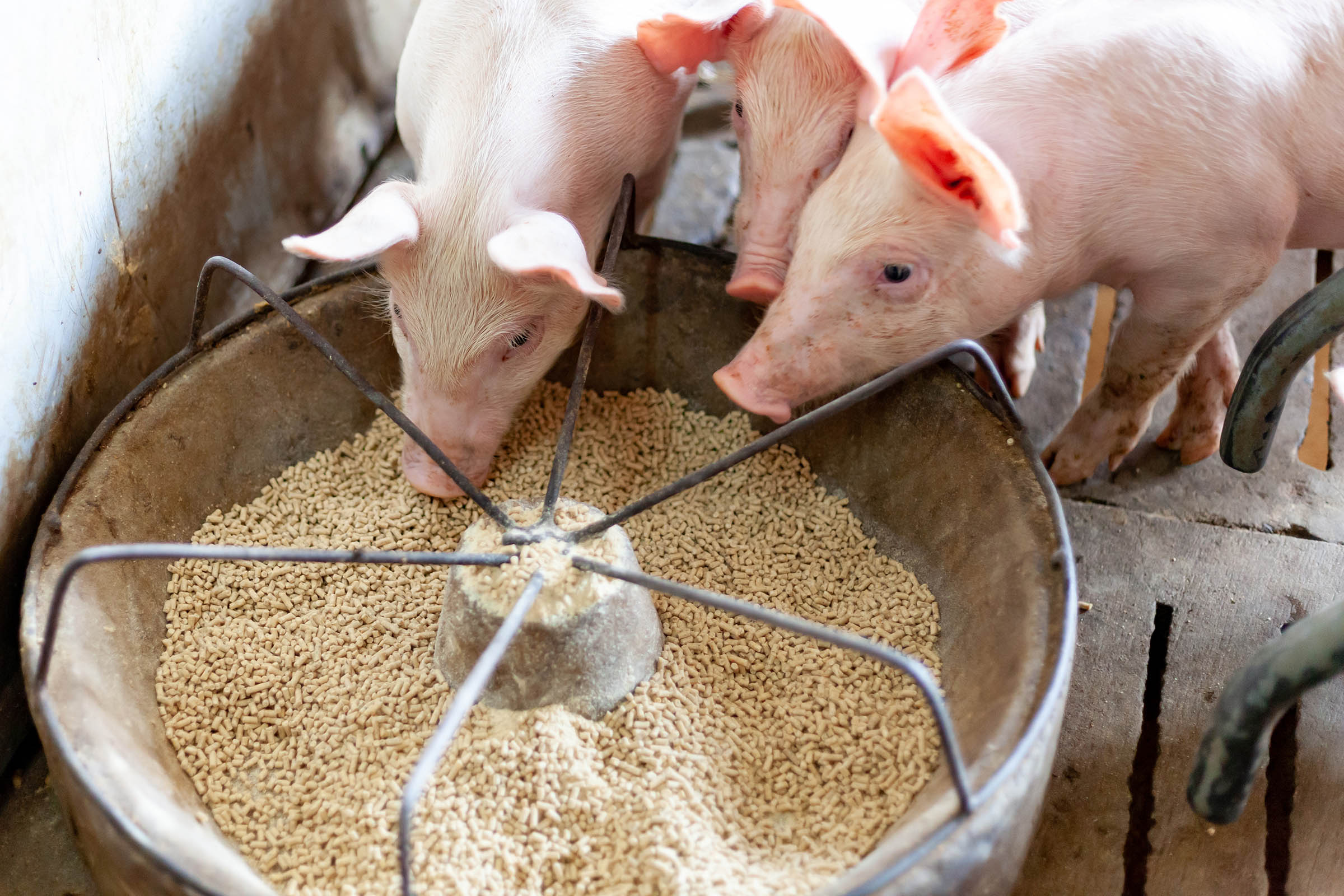
Pigs
In swine diets, Policosanol could benefit:
- Enhance feed efficiency and growth rate
- Promote muscle growth
- Mitigate metabolic stress in weaning and growing phases
Such factors make for more stable performance throughout the stages.
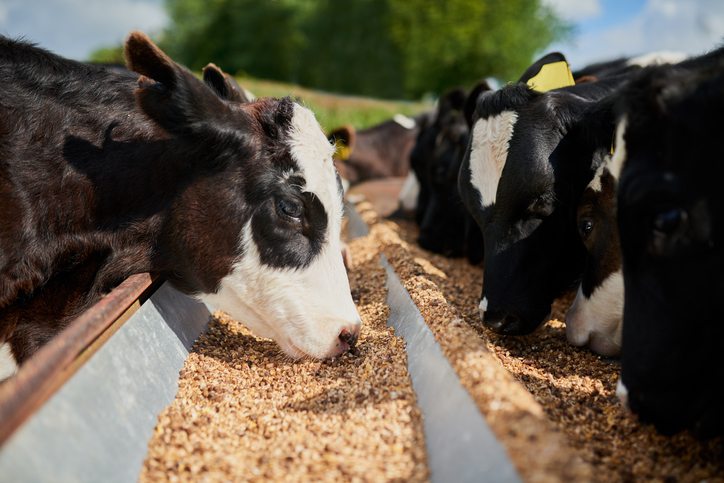
Rumin
Within ruminant nutrition, Policosanol may help with
- Enhanced metabolic efficiency
- Efficient energy usage
- Improved performance when lactating or growing
Even though ruminants mostly depend on microbial fermentation, improved host metabolism remains a factor in improved feed performance.
Aquaculture
Within fish and shrimp dietary supplements, Policosanol has been increasingly researched for its following properties:
- Enhance feed utilization
- Promote growth consistency
- Increase stress resistance in intensive processes
Effective utilization of feed becomes a critical issue in aquaculture because of the feed budget and water quality concerns.

Inclusion Rates and Feed FormulationInclusion Rates
Policosanol Triacontanol can be very effective at very low inclusion rates, even in the range of milligrams per kilogram of diet.
- practical considerations include
- Precise dosage is critical
- Uniform mixing is performed to ensure that the mixing
- Suitable to be pelleted or extruded
- Stable under normal feed processing conditions
Due to its strength, a small amount can cause a visible enhancement in performance.

Compatibility with Other Feed Additives
Policosanol has synergies with:
- Probiotics and prebiotics
- Enzymes
- Organic acids
- Derivatives from
- Plant extracts
It works in conjunction with these additives by helping improve the efficiency of metabolism.
Sustainability and Safety Benefits
Policosanol Triacontanol corresponds to the latest sustainability targets because of the following aspects:
- Naturally occurring in plants
- Non-antibiotic and
- Highly effective at low doses
- Encourages minimizing wastage of feeds
This is accompanied by an improved feed efficiency, which in turn results in lower environmental impact, making it considered desirable for responsible animal production systems.
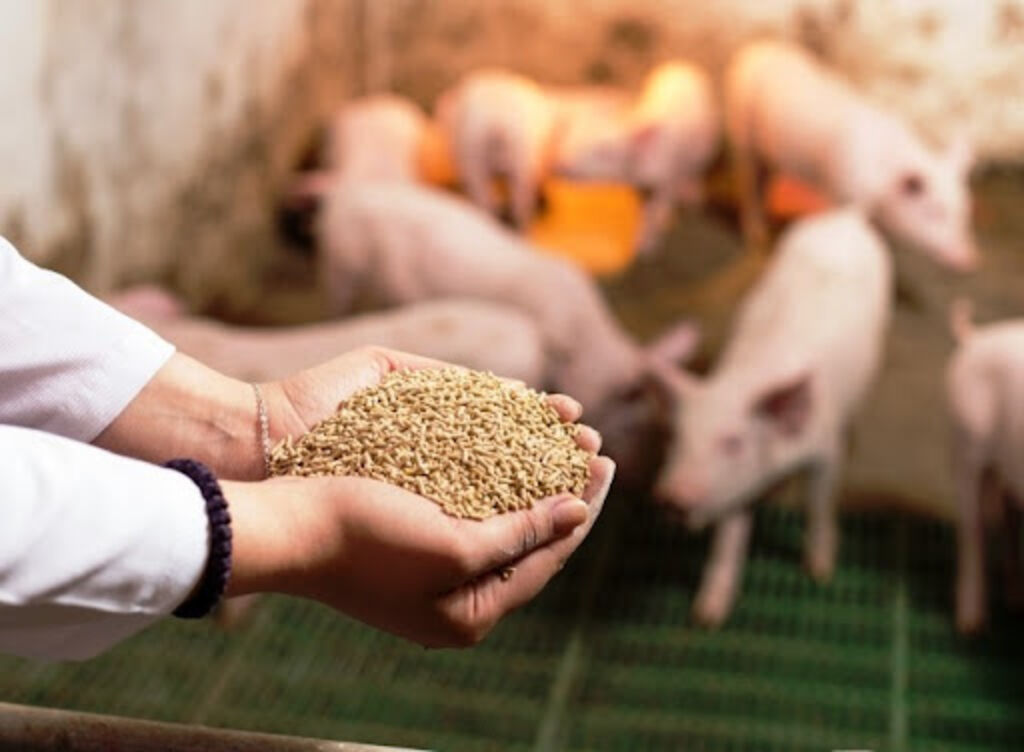
HJ Agrifeed Perspective
As HJ AGRIFEED, our main objective is to provide the agricultural industry with natural feed additives that will improve their performance. The use of policosanol (triacontanol) in farming stands out in that it promotes innovative natural methods that enhance the efficiency and productivity of poultry farming, livestock, and fish farming.

Conclusion: A Functional Additive for Modern Animal Feed
Policosanol (Triacontanol) has a distinct advantage in terms of benefits in animal feed. These include enhanced utilization of nutrients, aiding in energy metabolism, improving feed conversion efficiency, and assisting in stress management in animals. Unlike a stimulant or a growth promoter, it acts synergistically with animals' biology to tap new benefits out of existing formulations. For animal feed producers, a method that is efficient, natural, and future-oriented is always highly desirable, and Policosanol Triacontanol is a potent aid that could make it easier to enhance performance, profits, and sustainability