


Today, in animal farming, better feed performance is not merely an indicator of increased protein or energy content. Rather, it is being driven by rising feed prices, margin pressure, and demands for more sustainable farming practices. These are areas in which Functional Feed Additives, particularly Natural Feed Additives, are fast-emerging as important players.
Among these new additives, Policosanol (Triacontanol) also stands out because of its potential use as an animal feed additive with enhanced metabolism and physiological functionality. Although Policosanol is widely recognized and respected as a plant agricultural additive, its use as a nutritional additive in animal agriculture is also widely recognized.
This article discusses how Policosanol (Triacontanol) works well in animal feed and the reasons behind its effectiveness.
What is Policosanol (Triacontanol)
It is a natural combination of saturated aliphatic alcohols of high molecular weight, of which sugarcane, rice bran, and wheat germ are examples. Triacontanol, or C30, is the most biologically active compound of this combination.
As a dietary supplement for animals, Policosanol is administered in low levels, and it proves to be quite effective in the metabolic efficiency aspect rather than as a nutrient or an energizing agent.
Key characteristics include:
- Plant-based and naturally occurring
- Effective at micro-dosages
- Non-toxic
- Non
Ideally suited for sustainable feed regimes

Understanding Feed Performance in Animal Production
The performance of a feed is not solely defined through weight gain or egg production. This is a function of a combination of a number of closely integrated factors, including:
- Feed Intake and Palatability
- Digestive efficiency
- Nutrient absorption and utilization
- Metabolic energy use
- Stress tolerance and immunological stability
- Feed and its conversion into meat, milk, and eggs
Policosanol Triacontanol acts by enhancing animal utilization of nutrients, as opposed to promoting a higher intake of feeds.
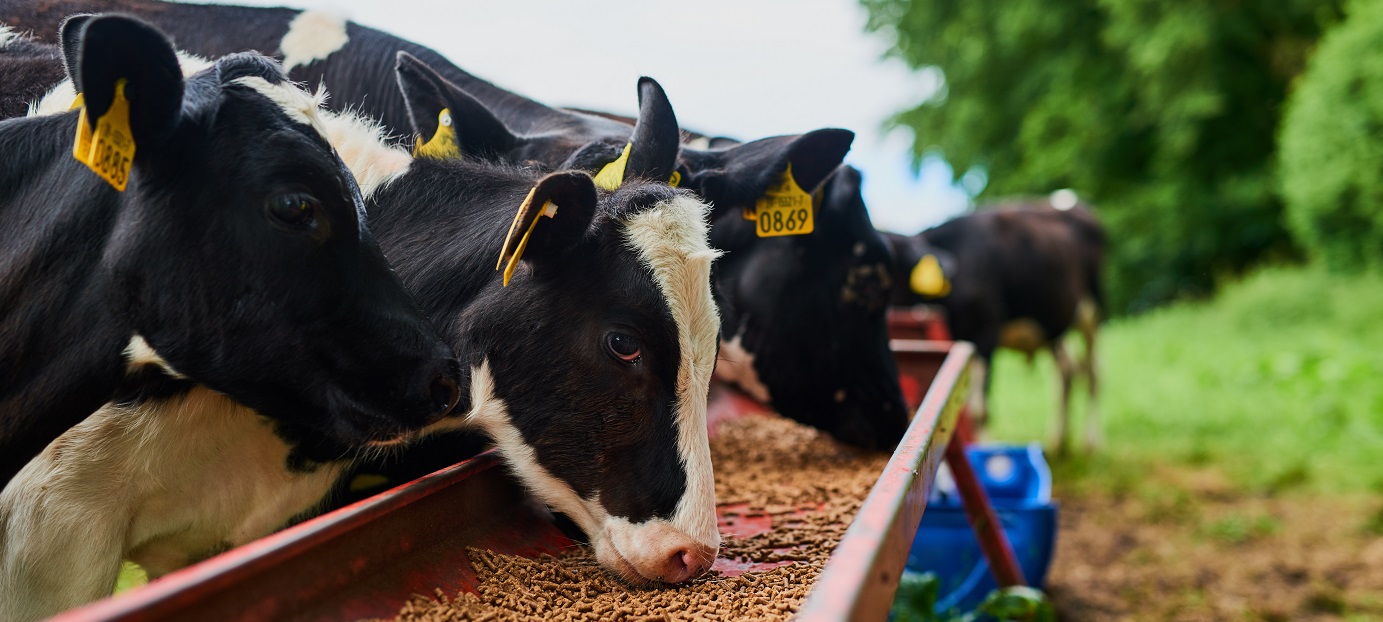
How Policosanol (Triacontanol) Works in Animal Feed
1. Improves Nutrient Utilization Efficiency
An equally vital method through which Policosanol helps improve the performance in feed is by increasing the utilization rate of nutrients. This helps the animals make use of more out of the same amount of feed.
Benefits include:
- Better digestion and nutrient absorption
- Better utilization of amino acids and energy
- Lower nutrient waste excretions
This induces improved growth or production without enhancing feed intake.
2. Assists Energy Metabol
Availability of energy and nutrients is essential for animal performance. Policosanol Triacontanol has been reported to enhance:
- Cellular energy production
- Fatty Acid Metabolism
- Enhanced utilization of dietary energy into usable energy
By efficiently using energy at the cellular level, animals grow more consistently and productively.
3. Enhances Feed Conversion Ratio(FCR)
A higher efficiency of nutrient and energy utilization immediately affects a better feed conversion rate. Animals do not need as much consumption to reach a certain level of production.
This works particularly well in:
- Broiler production
- Pig rearing and finishing
- Species involved in aqu
- The genome
- Layers and breed
As FCR lowers, the cost of feeding per output unit reduces, and that is amongst the major key elements in the economics of farm animals.
Effect on Gut Health and Digestion
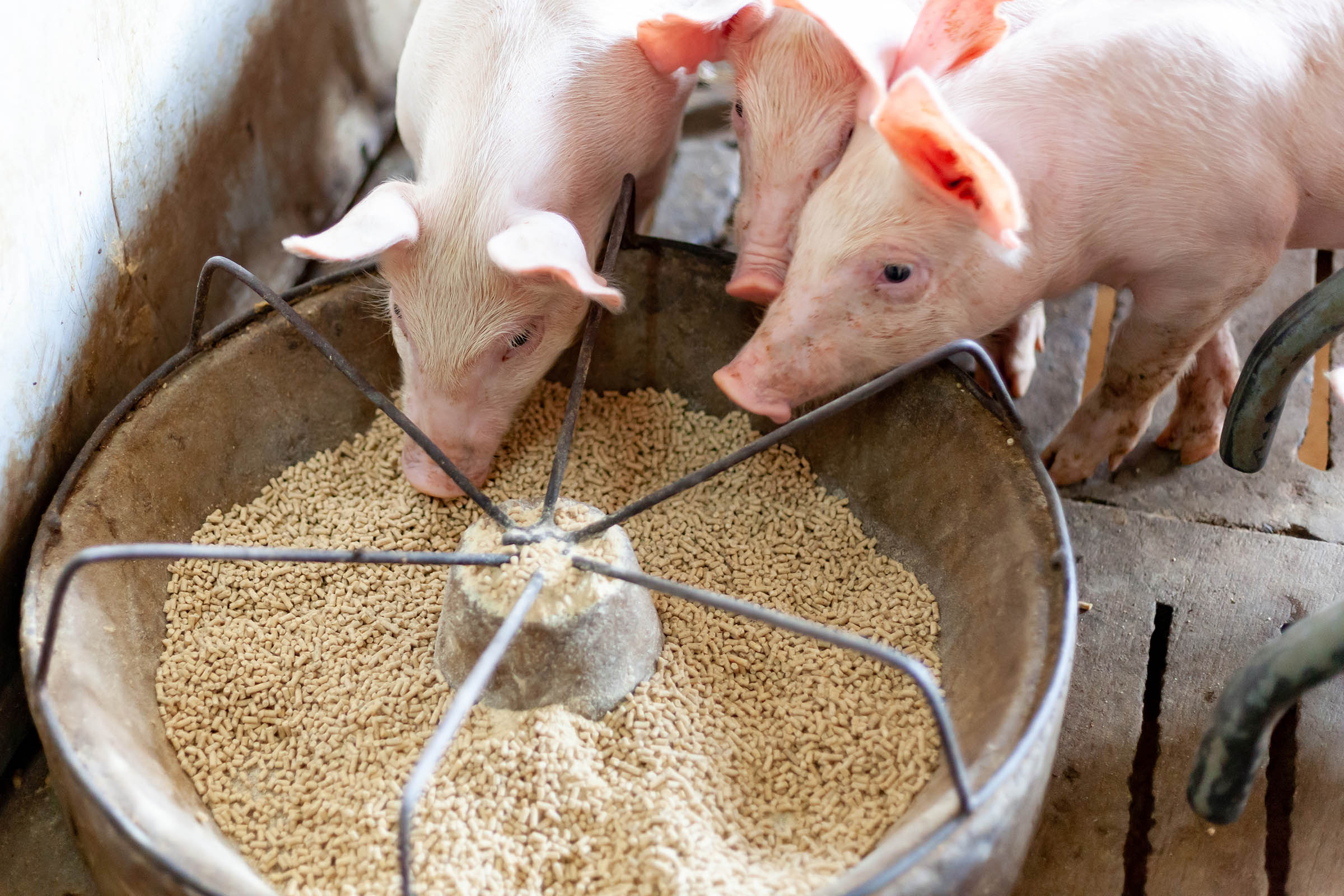
Enhanced Digestive Stability
A normal digestive tract is vital to the performance of the feed. Policosanol supports digestive tract normalcy by:
- Helping intestinal cell integrity
- Enhancing nutrient transfer at the gut epithelial layer
- Reducing digestive stress
This enables the animals to utilize the food consistently even in tough environments.
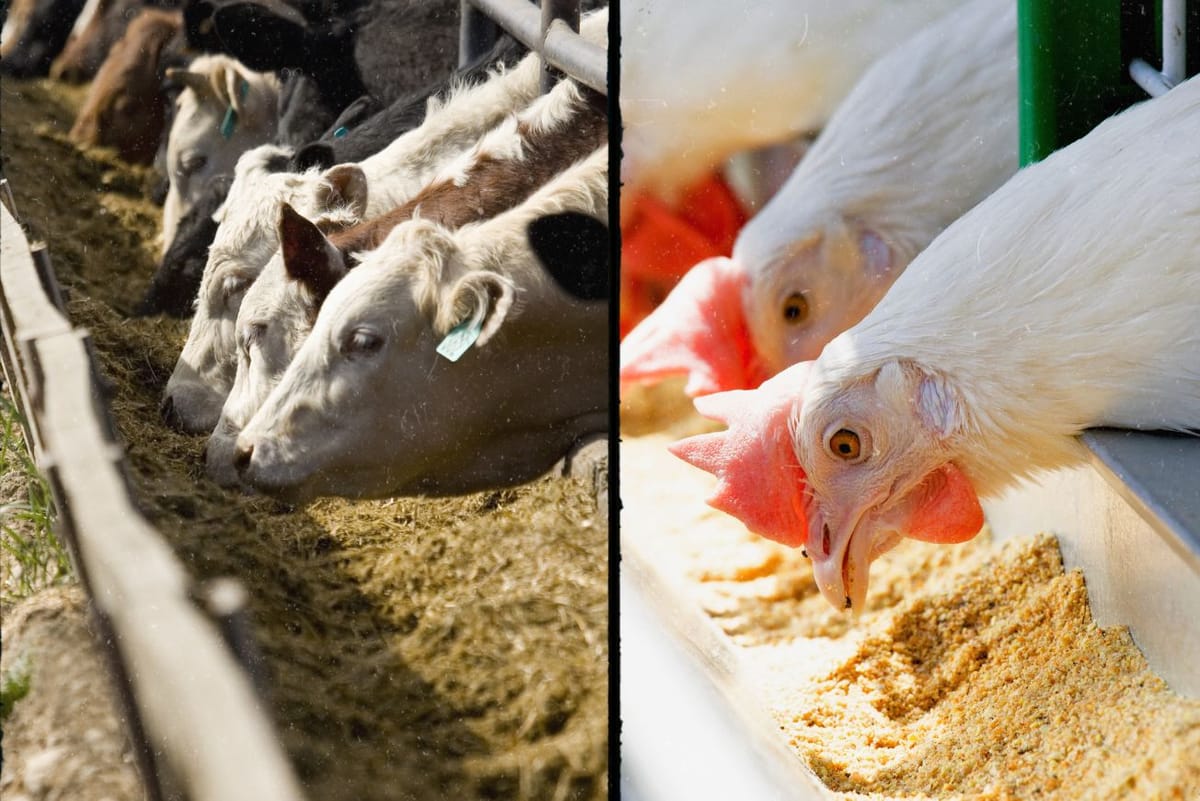
Synergy with Other Feed Additives
Red Clover interacts with:
- Probiotics and Prebi
- Organic acids
- Enzym
- Yeast derivatives
- Plant Extracts
Instead of substituting these ingredients, it ensures their effectiveness by promoting overall metabolic balance.

Stress Resilience and Stability of Performance
Stress is identified as an important contributor to suboptimal feed conversion. Heat stress, density, transportation stress, and disease pressure have been shown to have a detrimental effect on nutrient use.
Policostanol Triacontanol imparts animals resisting qualities by:
- Antioxidant support systems
- Stabilizing Cell Membr
- Increasing metabolic resilience
Stressed animals have shown improved appetite, digestion, and performance with the help of Policosanol.
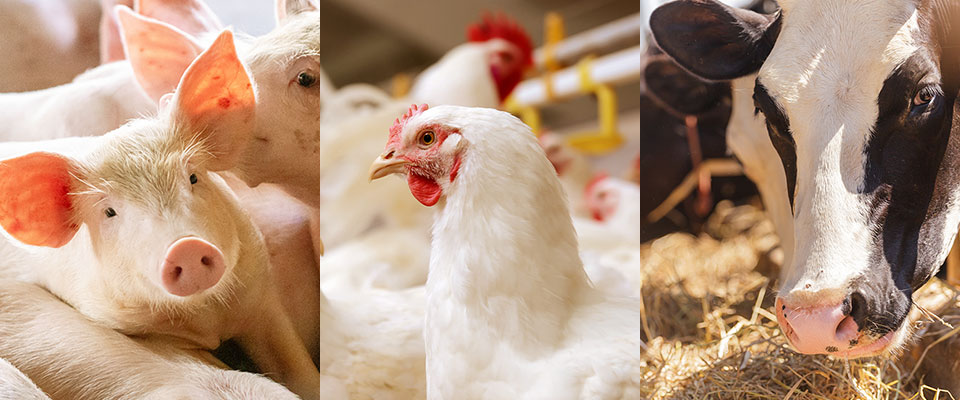
Advantages in Other Animal Species
Poultry (Broilers & Layers)
In poultry nutrition, it has been reported that:
- Enhancement of weight gain and uniformity in broilers
- Improved feed efficiency
- Increased egg production uniformity
- Enhanced egg quality characteristics
Its role in metabolism is especially important in high-performance poultry production.
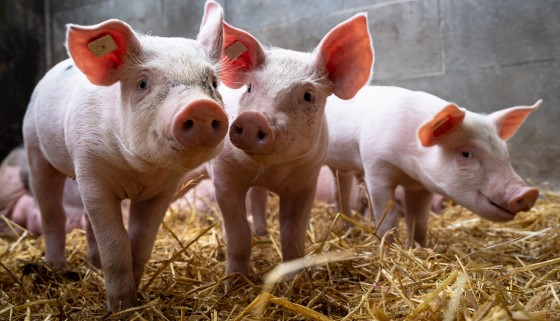
Pigs
In swine rearing, Policosanol could benefit:
- Enhance growth rate and feed efficiency
- Promote muscle growth
- Mitigate metabolic stress during growth phases
This is particularly useful during weaning and finishing.
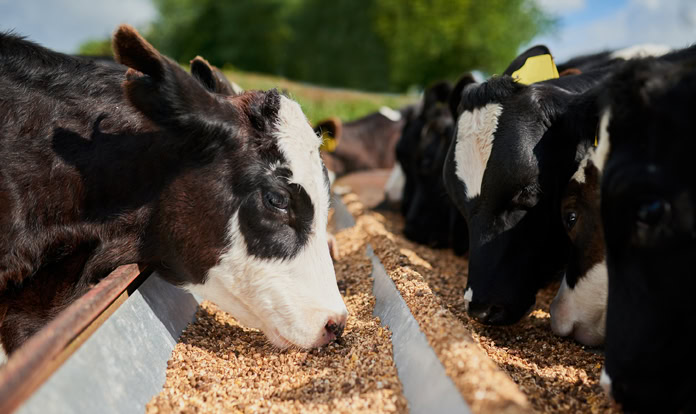
Ruminants
Though rumination involves a high level of microbial fermentation, Policosanol is also useful in the management of:
- Increased energy efficiency
- Improved global metabolic homeostasis
- Improved performance during lactation or growth
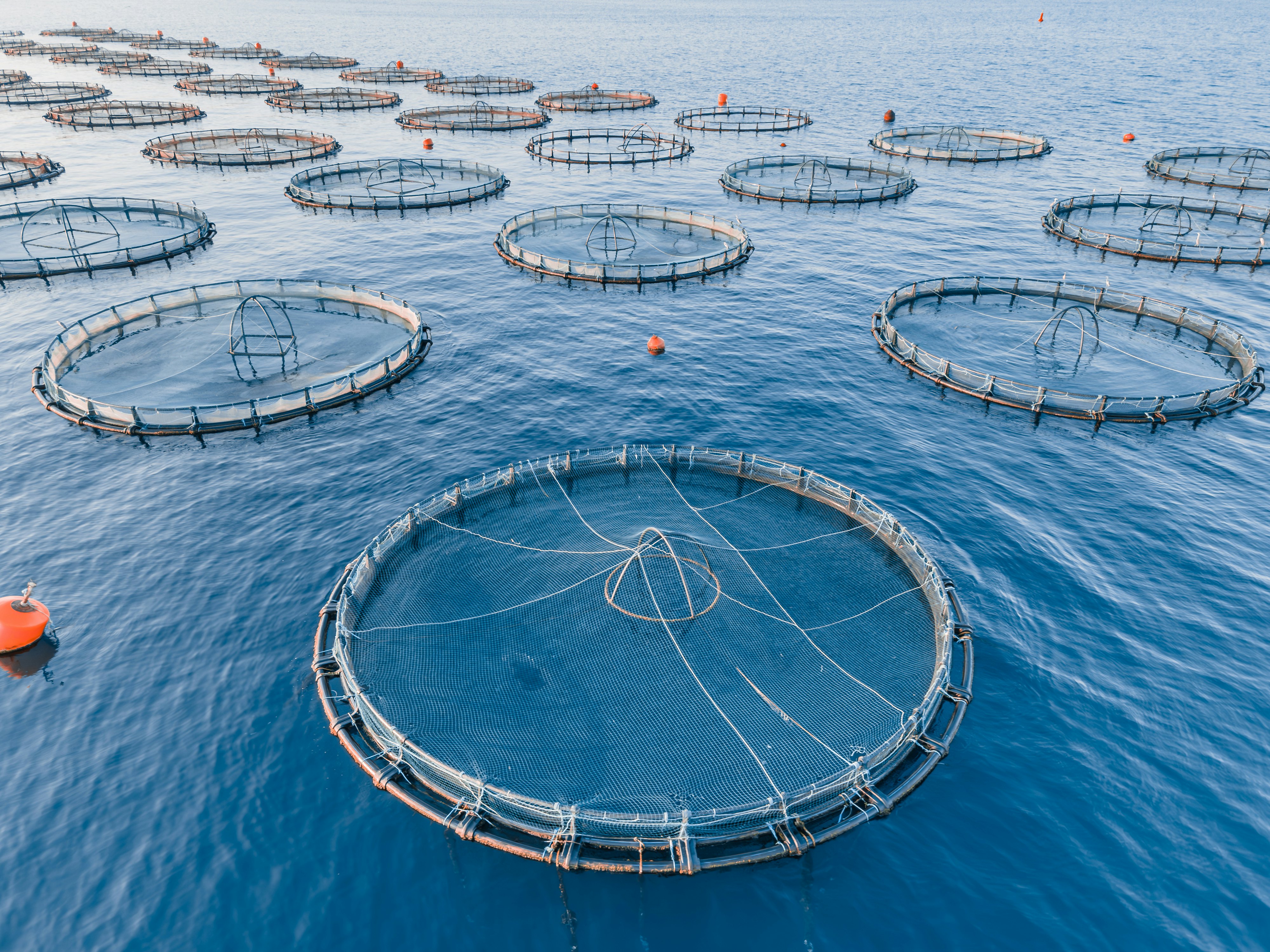
Aquaculture
In fish and shrimp food, Policosanol can:
- Enhance feed utilization
- Support Growth Consistency
- Improve the ability of intensive systems to withstand stress

Enhancing Product Quality Rather Than Mere Quantity
Improved feed performance also means improved quality of the final product, including:
Lean meat quality
Enhanced carcass yield
Greater egg shell strength and uniformity
improved overall animal condition
It is more urgently required in the exclusive and export-oriented sector.
Inclusion Levels and Applications in Animal Feed
Policosanol Triacontanol is highly effective even at minute levels of inclusion, in milligrams per kilogram of feed.
General considerations:
- Precise dosage is vital
- This mixes uniformly to ensure consistency
- Can be used in pelleting and extrusion processes
- Stable under normal feed processing conditions
Because of this high efficacy, even small quantities can help enhance performance.
Why Policosanol is Integral to Sustainable Feed Solutions
Policosanol Triacontanol matches the sustainability objective very well in the following ways:
- Naturally Extracted from Plants
- Non-antibiotic and
- With a low dosage
- Helps to prevent wastage of feeds
Through enhancing the efficiency of feed, it indirectly helps in minimizing the environmental impacts associated with animal farming.

HJ Agrifeed Perspective
At HJ AGRIFEED, we are committed to the provision of high-quality natural feed additives that improve performance without compromising safety and sustainability. Policosanol (Triacontanol) is the next generation of functional feed additives; it is a truly metabolic feed additive that promotes high efficiency, robustness, and productivity in various animal species.
Conclusion: A Smart Tool for Better Feed Performance
The policosanol (triacontanol) increases feed performance through its abilities to improve nutrition absorption, assist energy metabolism, upgrade feed conversion rates, and reduce stress in farm animals. Instead of stimulating or having those same growth-promoting properties, it acts complementary to farm animal biology to unlock further benefits within existing feed formulations. For producer and feed manufacturers who look for efficient, natural, and forward-thinking approaches, Policosanol Triacontanol is an effective method to enhance performance and promote sustainable animal production.


